
Abdulla Yasir Reveals the ‘Visit Maldives 2027’ Masterplan at ATM Dubai
Published
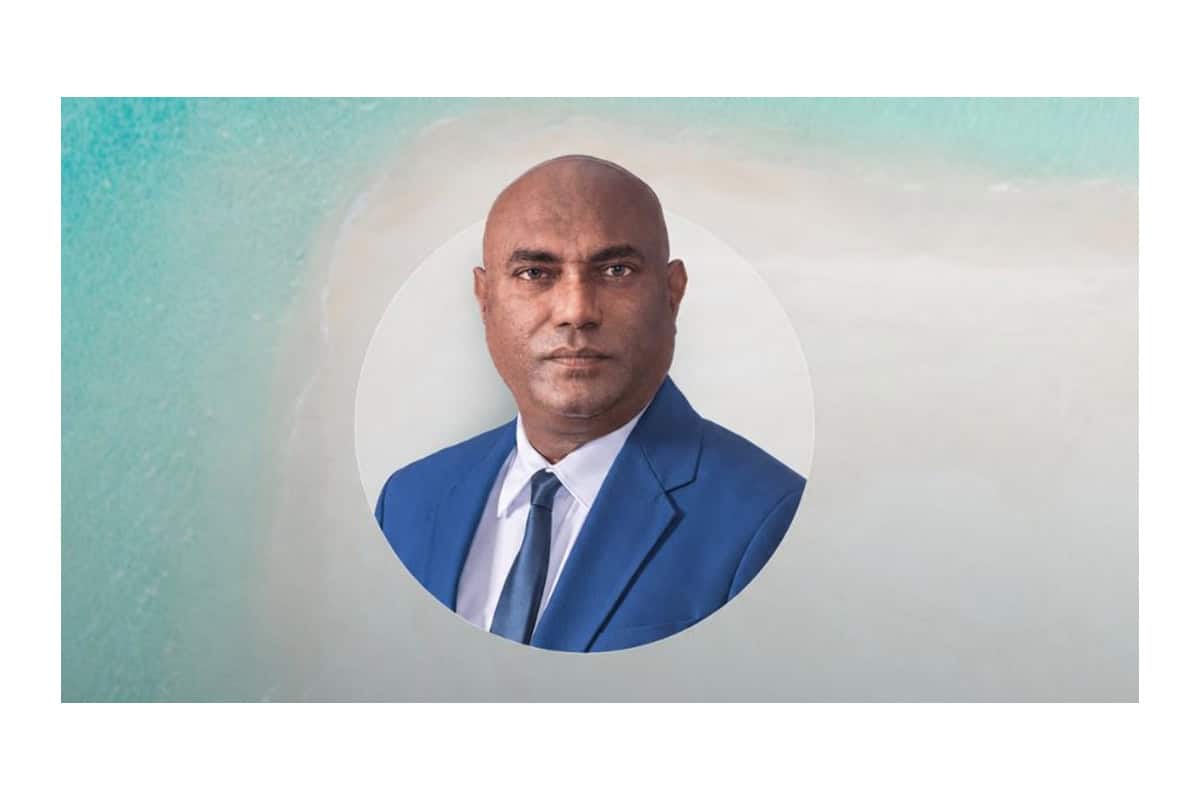
Appointed as the Chief Executive Officer and Managing Director of Visit Maldives Corporation on August 26, 2026, Mr. Abdulla Yasir brings over 25 years of diverse expertise in tourism, hospitality, and destination development to the forefront of the nation’s economic agenda. Holding a Master’s degree from the prestigious University of Birmingham, his extensive career spans foundational operational roles starting in 1993 to high-level governance, including a Directorship at the luxury One&Only Kanuhura and international benchmarking with the Poros Live Project in Greece. Currently serving as the President of the Entrepreneurs Association of Maldives, his leadership effectively bridges private-sector commercial strategy with national macroeconomic goals. At the Arabian Travel Market (ATM) 2026 in Dubai, Mr. Yasir outlined his highly ambitious “Visit Maldives 2027” initiative, targeting a record-breaking 3 million annual tourist arrivals. To achieve this bold vision, he is aggressively expanding global aviation connectivity—securing major flight expansions with Qatar Airways—and developing robust MICE tourism infrastructure, all while strictly upholding the Maldives’ foundational sustainability frameworks and stringent environmental regulatory controls to protect the local ecosystem for future generations.
To begin, what specific offerings and business opportunities are you presenting to B2B partners and visitors at this year’s show?
We have been actively promoting the Maldives brand for a long time, and the destination is already very well known among our travel trade partners. Our primary objective here is to convert that brand understanding into tangible business opportunities. We are holding extensive meetings with our B2B travel trade partners to solidify these business relationships and drive concrete growth.
Next year is designated as “Visit Maldives 2027.” What makes this upcoming year special, and what are your strategic arrival projections?
Advertisement
Advertisement
Next year is highly significant for us. We announced the “Visit Maldives 2027” initiative just prior to the recent disruptions in the Middle East. Despite those challenges, we are firmly on a recovery path and aim to close out this year matching our 2025 arrival numbers. However, for 2027, our President has outlined a major vision: reaching a target of 3 million tourists. To support this 3-million-arrival objective, we are aggressively expanding our promotional activities and collaborating closely with global travel trade businesses.
How are you positioning the Maldives as a destination for mass tourism and large-scale MICE (Meetings, Incentives, Conferences, and Exhibitions) events?
Advertisement
Advertisement
We are already seeing substantial interest from various global enterprises looking to host MICE activities. We are actively expanding our capacity to accommodate this specific demand. The Maldives now possesses both the facilities and the infrastructure capacity to host large-scale corporate events, and we welcome businesses interested in bringing their MICE operations to our islands.
Scaling up requires robust infrastructure and connectivity. Recently, there have been discussions regarding airline contracts with major carriers. Can you elaborate on these developments?
Advertisement
Advertisement
Connectivity is the fundamental driver for growing our tourism numbers. We recently held discussions with Oman Air; while they do not currently operate routes to the Maldives, we are actively exploring future possibilities with them. More concretely, we have held highly productive meetings with Emirates and Qatar Airways. Qatar Airways is officially expanding its connectivity from 12 flights per week to 21 flights per week, effective October 25, 2026. This capacity expansion will be instrumental in supporting our long-term growth targets.
Can you detail the specific sustainability practices and regulatory metrics currently enforced in the Maldives? Sustainability has been the core operating principle of Maldives tourism since its inception. Several structural controls implemented at the very beginning remain strictly enforced today:
First, we mandate vertical building controls. No high-rise skyscrapers are permitted on resort islands, and structural height is strictly capped so that no buildings rise above the island’s palm trees.
Second, we enforce a rigorous horizontal control limit. Regardless of an island’s total size, built-up development is legally restricted to a maximum of 20% of the available land area.
Advertisement
Advertisement
Third, marine expansion is heavily regulated. Resort developers cannot freely build over the surrounding sea. Any over-water expansion requires strict authorization and is capped at less than 10% of the island’s land area. Furthermore, the engineering of these over-water resorts is highly controlled. Vertical structural columns are driven straight down into the bedrock of the seabed, and bungalows are constructed on a separate flooring suspended above the water. This method ensures no actual spatial volume is taken from the sea. These environmental controls are central to our operational framework and ensure the long-term viability of our ecosystem.
Regarding inbound tourism, what are your most critical target markets moving forward, and how have recent geopolitical events impacted your strategy?
The Gulf countries serve as vital hubs for our tourism infrastructure. When the Middle Eastern conflict escalated on February 28 of this year, we experienced a sharp decline in arrivals, particularly in March. This occurred because a significant portion of our Western tourists transit through these Middle Eastern aviation hubs. We are currently recovering rapidly from that disruption, but the data underscored the necessity of keeping our tourism pathways resilient. Moving forward, maintaining robust connectivity through these critical Gulf hubs remains our primary strategic focus to sustain healthy, high-volume tourism metrics.
Advertisement
