
Luxembourg Welcomes Autumn Travellers with Museum Night and Vianden Walnut Market

Published
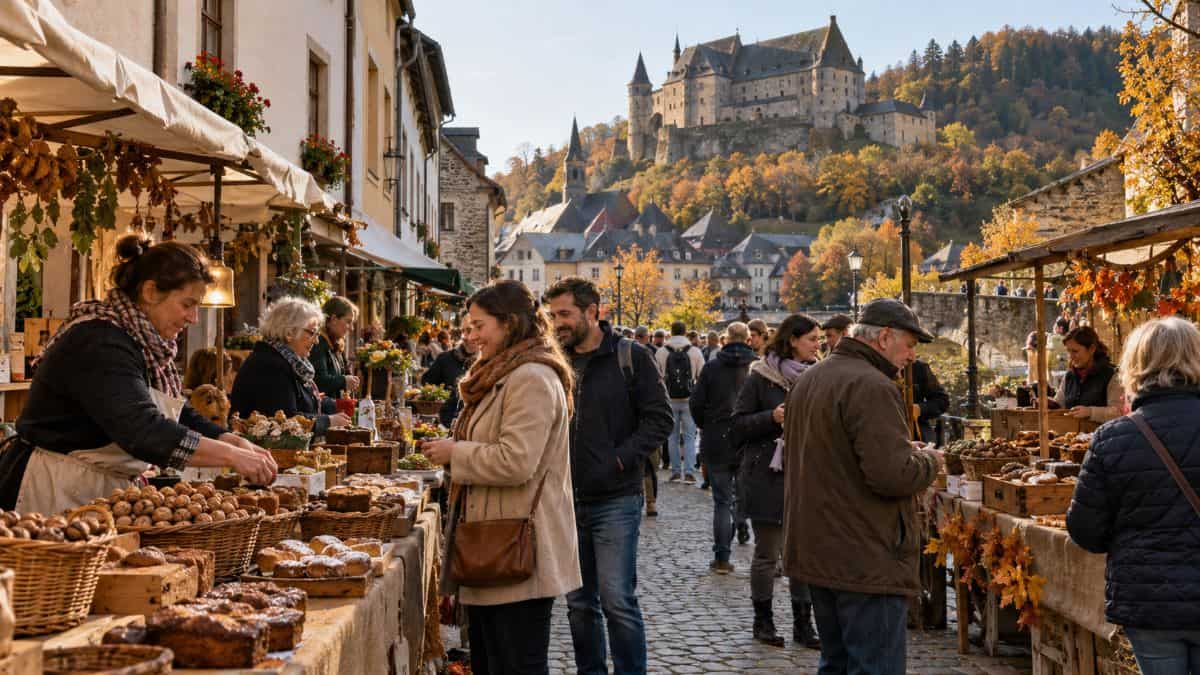
The October culture weekend in Luxembourg combines Museum Night with the historical walnut market in Vianden, offering tourists an opportunity to visit places other than the capital. On Saturday, seven museums are open until late night to see art, history, music and more events. After that, tourists are invited to visit the ancient city of Vianden for some local food and walnut dishes. These events offer tourists an attractive agenda for autumn, while free domestic transport may assist tourists to move freely within the country. Nonetheless, visitors need to find information about the shuttles in advance.
Museum Night Brings Seven Luxembourg City Museums Together
Museum Night takes place on Saturday, 10 October, from 17:00 until 01:00. Seven museums will take part, including Villa Vauban, Mudam Luxembourg, the Lëtzebuerg City Museum and the National Museum of Natural History. Visitors can move between the venues on foot or use free shuttle buses. The city’s tram service will also run for longer during the event.
The programme gives visitors more to do than view exhibitions. The official event information lists performances, music, DJ sets, workshops, special tours and food stops. The organisers have also designed a shared activity across the museums. Visitors can collect a stamp at each venue and gradually reveal illustrations created by Luxembourg artist Irina Moons.
This format turns the evening into a cultural trail through the city. It also lets visitors choose how much of the programme to see. Some may visit one or two museums. Others may try to reach all seven before the event ends. As the venues cover different subjects, the evening can bring art, local history, nature and contemporary culture into one visit.
Advertisement
Advertisement
The practical details matter for travellers planning a short stay. The event lists an advance adult ticket at €10 and an evening ticket at €15. Young people aged 16 to 26 pay €3 in advance or €7 on the evening, while children under 16 enter free. One wristband gives access to all seven participating venues.
Vianden’s Walnut Market Takes Over on Sunday
The following day, the focus moves north to Vianden. The annual Veiner Nëssmoort, or Vianden walnut market, is scheduled for Sunday, 11 October, from 10:00 to 19:00. The market takes place along the town’s Grand-Rue and brings walnut products, food and entertainment into the medieval streets.
Advertisement
Advertisement
Visitors can expect fresh walnuts and a range of goods made with them. These include walnut spirits and liqueurs, oils, cakes, biscuits and other specialities. Music also forms part of the event, with bands and orchestras playing at different points around town.
The setting gives the market a strong connection to place. Vianden is known for its castle and historic streets, but the walnut market tells a different story: one about farming, local trade and a product that became part of the town’s identity. That offers a distinct cultural experience for visitors who want to see more than a landmark.
The market is not just an event organised for tourists. Its organisers describe it as a partnership involving local associations and businesses, with support from the Ministry of Economic Affairs and Vianden’s council. The 2026 programme also lists local groups among the participants. That gives the market a community role as well as a visitor attraction.
A Long Tradition Behind the Walnut Festival
The walnut market’s history stretches back to the early twentieth century. Vianden held a trial market in 1934. The first official market followed in 1935. The event later paused during the Second World War and again during part of the 1950s and 1960s. Local groups and the town revived it in 1970.
That record is worth explaining carefully. The market has a long history, but it has not taken place without interruption since 1935. A precise account helps readers understand how the event developed, while avoiding the common mistake of calling every tradition continuous.
Vianden was once important in the country’s walnut trade. An official statistic from 1902 counted 2,551 walnut trees in the town, or 19 per cent of Luxembourg’s total at the time. The 2026 market now features a wide range of walnut foods and drinks, showing how a local crop became part of a broader town celebration.
Advertisement
Advertisement
This history adds depth to the event. The market is not simply a seasonal shopping day with food stalls. Its roots lie in the local production and sale of walnuts, and it grew into a folk festival over time. Visitors can experience that link through the products, the location and the participation of local groups.
One Weekend Could Connect City Culture With Rural Traditions
The close timing of Museum Night and the walnut market creates a useful travel idea. A visitor could spend Saturday evening exploring museums in Luxembourg City, then travel to Vianden on Sunday for the market. This is an editorial itinerary based on the event calendar. The organisers have not announced a joint ticket or official package linking the two events.
Such a weekend could help travellers see two sides of Luxembourg. Museum Night offers a city-based programme across seven cultural institutions. Vianden’s market centres on local food, trade and community activity in a smaller historic town. The contrast makes the itinerary more varied than a visit focused only on the capital.
For travel businesses, the calendar may create an opportunity to suggest a longer stay. Hotels, guides and transport providers could help visitors plan journeys between the events. However, there is no published evidence that businesses have already created packages or that the weekend will increase overnight stays.
The wider question is whether events can give visitors a reason to travel during autumn. In 2025, 31.1 per cent of EU tourist accommodation nights took place in July and August. This shows the importance of the summer peak across Europe, but it does not establish that Vianden’s market or Luxembourg’s Museum Night will change that pattern.
Free Public Transport Helps, but Visitors Must Check Their Route
Luxembourg’s free public transport can make it easier to travel within the country. Second-class domestic journeys on public transport are free. First-class train travel and journeys across the border can require a ticket. Visitors should check the rules for their own route before travelling.
Advertisement
Advertisement
The walnut market also has special traffic arrangements. The town centre streets, including Grand-Rue and rue de la Gare, will close to traffic from 10:00 to 19:00. Drivers can use park-and-ride facilities, with a free shuttle to the town.
Vianden Castle Adds a Historic Stop to the Visit
Travellers heading to the walnut market may also consider visiting Vianden Castle. It is open from 10:00 to 17:00 on Sunday, 11 October, with final entry 30 minutes before closing. The castle stands above the town and dates from the Romanesque and Gothic periods.
The attraction can help visitors build a fuller day around the market. But the timing needs attention: the castle closes at 17:00, while the market is scheduled to continue until 19:00. Visitors who want to see both should plan their day around the castle’s earlier closing time.
Access information also matters. The route includes steep paths and cobbled surfaces, while the interior tour involves many stairs. The visitor centre is accessible without steps, but the whole castle experience may not suit every visitor.
Sharing these details makes the article more useful. It helps travellers choose what to do and how much time to allow, rather than simply presenting the castle and market as easy stops on the same itinerary.
Luxembourg’s Harvest Season Offers More to Explore
The walnut market is one example of how local products can shape a cultural event. A week later, on 18 October, the Hunnefeier in Schengen will mark the end of the annual grape harvest. The event will feature a craft and flea market, music, historic tractors and opportunities to taste local wines and Crémants.
Advertisement
Advertisement
The Hunnefeier has its own harvest tradition. An old custom involved giving a live cockerel to the grower who finished harvesting first. That practice has been replaced by a clay “Schengener Hinnchen”, designed in a new limited edition each year.
Schengen’s event is separate from Vianden’s walnut market. There is no evidence that the two celebrations share a programme or formal route. But together, they show how October visitors can encounter different local traditions in different parts of Luxembourg.
The government’s tourism policy gives this regional focus wider relevance. Luxembourg’s tourism vision aims to support people, regions and the economy, strengthen local economic activity and promote social, cultural, economic and environmental sustainability.
The Real Test Comes After the Crowds Leave
Autumn tourists to Luxembourg are offered cultural weekend combining local culture and heritage. During Saturday, Museum Night allows tourists to visit seven museums using arts and music. Further, Vianden presents its walnut market, where local people, vendors, and tourists gather in the old center of the town. All these events provide visitors with an opportunity to remain active and interested in traveling around the country. Tourists have an opportunity to see some parts of local culture in autumn. It is necessary to pay attention to travel arrangements before the trip. Mainly, it concerns bus schedule.
Advertisement
