
Montenegro Cruise Growth Pushes Sustainable Travel Planning as Coastal Destinations Seek Future Opportunities

Published
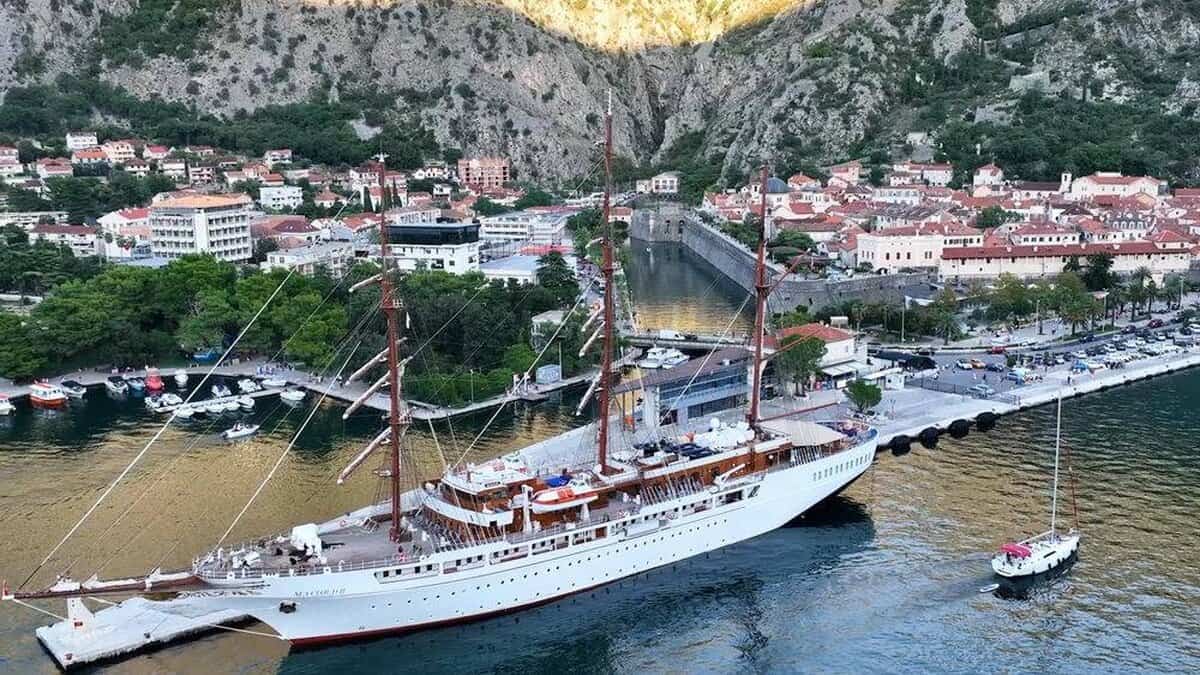
Montenegro’s cruise tourism growth is creating a new strategic challenge: how to manage increasing visitor concentration around Kotor while protecting the destination experience. Official statistics show Montenegro welcomed more than 630,000 cruise passengers in 2025 through 496 foreign cruise vessel arrivals. While Kotor remains the country’s dominant cruise gateway, future cruise planning is increasingly linked with wider coastal distribution, including destinations connected to Tivat and other maritime locations. The emerging opportunity is not an immediate route replacement but a long-term shift towards spreading cruise activity across Montenegro’s coastline.
Montenegro Cruise Tourism Faces a New Capacity Question Beyond Kotor
Montenegro’s cruise industry is entering a new phase where growth alone is no longer the only priority. The next challenge is managing where cruise passengers arrive, how destinations absorb visitors and how coastal communities maintain sustainable tourism development.
Kotor remains the centre of Montenegro’s cruise economy. The city’s UNESCO-listed old town, dramatic bay landscape and proximity between the port and historic attractions have made it one of the Adriatic’s most recognised cruise stops. The Port of Kotor describes the destination as one of the Adriatic’s important cruise locations and provides dedicated facilities for cruise vessels.
However, the same popularity that attracts cruise passengers creates operational pressure. A concentrated flow of thousands of visitors arriving within a short period can affect pedestrian movement, heritage management, transport systems and local visitor experiences.
Advertisement
Advertisement
The emerging industry discussion is therefore shifting from increasing cruise numbers to improving cruise distribution.
Official Data Shows Montenegro’s Cruise Market Continues to Expand
According to Montenegro’s Statistical Office (MONSTAT), foreign cruise vessels recorded significant activity in 2025.
Advertisement
Advertisement
| Indicator | 2025 Official Data |
|---|---|
| Foreign cruise journeys | 496 |
| Cruise passengers | 630,236 |
| Main data authority | MONSTAT |
| Data collection area | Montenegro maritime waters |
The figures demonstrate that cruise tourism has recovered strongly after previous disruptions and remains an important part of Montenegro’s visitor economy.
MONSTAT’s cruise survey collects information on foreign cruise vessels entering Montenegro’s maritime waters and is used as an element for tourism policy planning.
For travel planners and cruise operators, these numbers indicate that Montenegro is no longer only competing for cruise arrivals. It must also consider destination capacity, passenger movement and the distribution of economic benefits.
Kotor’s Success Creates Pressure for Wider Coastal Cruise Planning
The Port of Kotor has developed into Montenegro’s primary cruise gateway because of its location directly beside the historic city centre.
Official port information states that Kotor provides cruise berthing facilities and anchorages for visiting vessels. The port infrastructure includes cruise berths designed for passenger ships and supporting maritime services.
The challenge is geographical.
Advertisement
Advertisement
Kotor Bay is a sensitive maritime environment. The bay’s narrow entrance, historic settlements and protected landscape create limits on unlimited visitor growth.
The future cruise opportunity for Montenegro is therefore connected with creating a more balanced coastal tourism model.
Instead of relying almost entirely on one cruise gateway, Montenegro could gradually strengthen awareness of other maritime destinations that can support different visitor experiences.
Tivat’s Role Could Become More Important in Montenegro’s Cruise Future
Among Montenegro’s coastal destinations, Tivat has a growing connection with premium maritime tourism.
The Bay of Kotor includes several important maritime assets, including Porto Montenegro in Tivat, which is recognised as a major superyacht marina in the Adriatic region. Official Montenegro maritime documentation identifies Tivat and other Bay of Kotor locations as important parts of the country’s nautical tourism infrastructure.
The potential role of Tivat is different from Kotor.
Advertisement
Advertisement
Kotor represents heritage-focused cruise tourism, where passengers arrive directly into a historic destination.
Tivat represents a more modern luxury maritime environment connected with yacht tourism, premium travellers and high-value coastal experiences.
For cruise operators, this creates an opportunity to develop varied itineraries combining:
- historic sightseeing in Kotor
- luxury maritime experiences around Tivat
- coastal exploration
- smaller-group premium excursions
This does not mean Tivat will replace Kotor. Instead, both destinations could serve different segments of the cruise market.
Smaller Ports Could Support Future Sustainable Cruise Growth
The emerging opportunity for Montenegro is linked with the wider Mediterranean cruise industry trend of reducing pressure on overcrowded destinations.
Secondary ports can provide several advantages:
Advertisement
Advertisement
| Opportunity | Potential Benefit |
|---|---|
| Passenger distribution | Reduces concentration in one destination |
| Longer coastal itineraries | Creates more regional experiences |
| Local economic spread | Benefits additional communities |
| Premium tourism growth | Supports smaller-scale experiences |
| Sustainability planning | Helps manage visitor pressure |
Montenegro’s tourism strategy has previously highlighted sustainable tourism development, diversification and improving destination competitiveness as important priorities.
The development of alternative cruise opportunities would require investment in infrastructure, transport links, passenger services and cooperation between ports, tourism authorities and cruise companies.
Infrastructure and Digital Maritime Improvements Support Future Expansion
Future cruise diversification depends not only on attracting ships but also on improving maritime management.
Official maritime documentation from Montenegro highlights improvements in vessel traffic monitoring systems and digital maritime procedures designed to improve efficiency and operational management.
These developments are important because cruise expansion requires:
- safer vessel movement
- better port coordination
- efficient passenger processing
- improved environmental management
For cruise operators, stronger maritime systems increase confidence when planning future itineraries.
Advertisement
Advertisement
What This Means for Cruise Travellers Visiting Montenegro
Travellers are unlikely to see an immediate replacement of Kotor cruise calls. Instead, the long-term change could be a more diverse Montenegro cruise experience.
Future passengers may benefit from:
- less congestion at major heritage locations
- more coastal destinations included in itineraries
- expanded luxury and boutique cruise experiences
- wider access to Montenegro’s maritime culture
For visitors, the value comes from experiencing more than one side of Montenegro.
Kotor offers medieval architecture and UNESCO heritage. Tivat provides luxury waterfront experiences. Other coastal communities could eventually contribute local culture, food and nature-based excursions.
Strategic Outlook for Cruise Operators and Travel Businesses
The emerging cruise opportunity in Montenegro is based on capacity management rather than a confirmed new route announcement.
Travel businesses should monitor:
Advertisement
Advertisement
- Port of Kotor development plans
- Montenegro tourism policy updates
- cruise company itinerary announcements
- maritime infrastructure investments
- sustainability regulations affecting Adriatic cruising
Operational Takeaways for Travel Agents and Tour Operators
- Prepare for increasing demand for Montenegro cruise experiences.
- Avoid relying only on Kotor-based itineraries.
- Monitor future opportunities involving Tivat and other coastal destinations.
- Develop shore excursions that spread visitor spending beyond major cruise centres.
- Highlight lower-density experiences for travellers seeking authentic Adriatic destinations.
- Work with cruise partners on flexible coastal programmes.
Long-Term Impact
Montenegro’s cruise future is likely to depend on balancing popularity with sustainability. Kotor will remain the country’s leading cruise attraction, but the next stage of growth may require a broader coastal strategy involving additional maritime destinations.
The strategic shift is not about replacing one port with another. It is about creating a stronger, more resilient cruise network where Montenegro can welcome more international visitors while protecting the qualities that make its coastline globally attractive.
Advertisement
