
Economic Turbulence and the Escalation of South African Jet Fuel Costs Amidst Global Tensions

Published
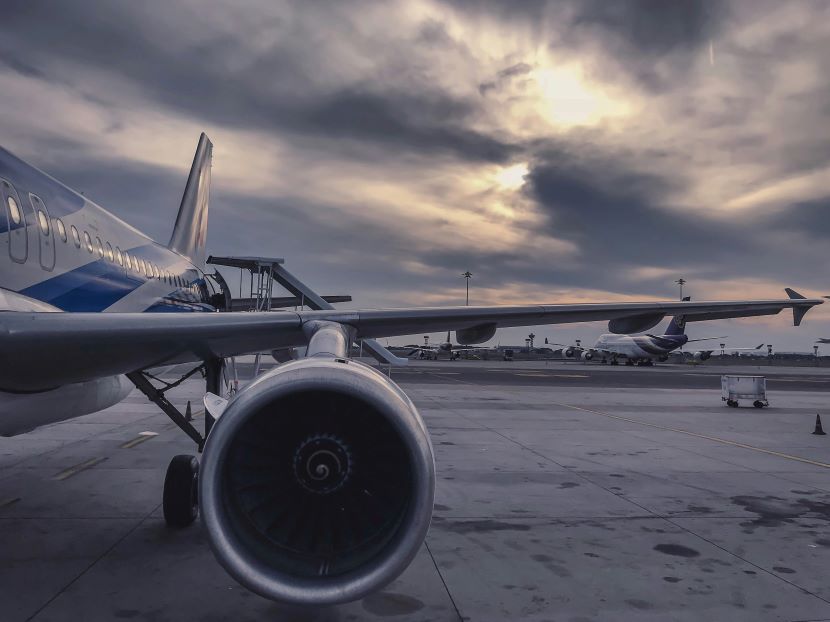 Image generated with Ai
A significant escalation in jet fuel prices has been observed within the South African market, a phenomenon largely attributed to the ongoing and intensifying Middle East conflict. It is noted by industry experts that the stability of global energy markets is inherently tied to the geopolitical climate of oil-producing regions. Consequently, when instability arises in the Middle East, a corresponding surge in crude oil valuations is typically experienced. For South Africa, a nation that relies heavily on imported refined products, these international shifts are felt with immediate and profound intensity. The intricate connection between global politics and the domestic economy is highlighted by the current upward trajectory of fuel expenditures.
The Mechanism of Price Determination
The cost of aviation fuel is not determined in isolation but is influenced by a complex array of international benchmarks. It is understood that the Basic Fuel Price (BFP) in South Africa is calculated based on the costs associated with importing petroleum products from international refining centers. When the supply chains in the Middle East are threatened or disrupted by regional skirmishes, the risk premium on oil is heightened. This premium is then passed down through the supply chain, eventually reaching the wings of aircraft at OR Tambo, Cape Town International, and King Shaka International airports. The passive observation of these market forces reveals a vulnerability to external shocks that remain beyond the control of local authorities.
Implications for the South African Aviation Sector
The operational budgets of domestic carriers such as Airlink, FlySafair, and South African Airways are being placed under immense pressure due to these rising overheads. It is recognized that fuel typically accounts for approximately 30% to 40% of an airline’s total operating costs. When the price of jet fuel experiences a double-digit percentage increase, the financial margins of these companies are squeezed significantly. Strategies for fuel hedging and operational efficiency are being implemented; however, the sheer magnitude of the price hikes often necessitates a redistribution of these costs. The burden of maintaining a viable aviation network is increasingly being shared with the end consumer, leading to a noticeable shift in the affordability of air travel.
Impact on Ticket Pricing and Consumer Behavior
A direct correlation is seen between the rising cost of fuel and the increase in airfares for the average traveler. It is observed that fuel surcharges are being adjusted frequently to mirror the volatility of the global market. For the South African public, this means that the era of low-cost domestic flights may be facing a period of hibernation. The decision-making process for holidaymakers and business travelers is being altered as the cost of a seat on a plane rises. It is suggested by market analysts that discretionary travel may see a decline if the trend of expensive fuel persists, as households prioritize essential spending over leisure trips.
Advertisement
Advertisement
The Tourism Industry and Economic Consequences
The broader South African economy, which views tourism as a critical pillar for growth and job creation, is also being affected by these developments. It is feared that higher travel costs will deter both domestic and international tourists from exploring the country’s diverse provinces. When the cost of reaching a destination becomes prohibitive, the local hospitality, transport, and entertainment sectors suffer a decrease in patronage. The synergy between affordable aviation and a thriving tourism ecosystem is being tested by the current geopolitical climate. Economic growth targets are being scrutinized in light of these inflationary pressures, which originate far beyond South Africa’s borders.
Regional Stability and Future Projections
The duration and intensity of the conflict in the Middle East remain the primary variables in predicting future fuel price movements. It is maintained by geopolitical strategists that any expansion of the conflict could lead to further disruptions in the Strait of Hormuz, a critical transit point for global oil shipments. Should such a scenario materialize, the pressure on South African fuel prices would likely intensify. Conversely, any movement toward de-escalation is expected to bring a sense of relief to the markets. The dependence on international stability serves as a reminder of the globalized nature of modern commerce and the fragility of regional economic planning.
Advertisement
Advertisement
Mitigating the Blow: Industry Responses
Efforts are being made by aviation stakeholders to mitigate the impact of these external shocks. Technological investments in more fuel-efficient aircraft are being prioritized by major carriers to reduce the volume of fuel consumed per passenger kilometer. Additionally, the exploration of Sustainable Aviation Fuel (SAF) is being accelerated, although the infrastructure for such alternatives in South Africa is still in its nascent stages. The narrative of the industry is currently one of resilience and adaptation, as leaders seek ways to maintain connectivity despite the rising tide of expenses. The focus remains on sustaining the vital links that aviation provides to the global economy.
Conclusion and Outlook
In summary, the intersection of Middle East tensions and South African aviation fuel prices serves as a stark illustration of global interconnectedness. It is concluded that as long as geopolitical volatility remains high, the cost of flying will continue to be influenced by factors far removed from the African continent. The resilience of the South African travel industry is being tested, and the coming months will be crucial in determining how the sector adapts to these persistent financial challenges. For now, the eyes of the industry remain fixed on the horizon, monitoring both the price of oil and the movements of global diplomacy.
Advertisement
