
Caribbean Travel Shock: Cuba Tourism Faces Unprecedented Crisis With Widespread Hotel Closures

Published
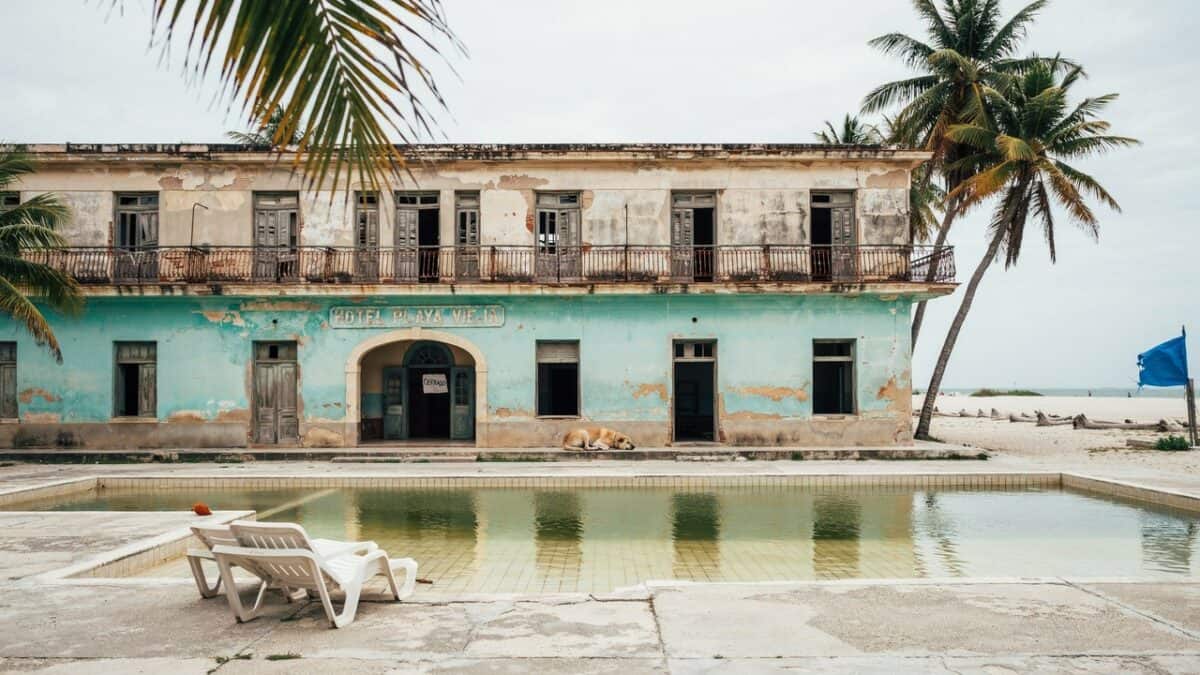
Cuba Travel is facing one of its most difficult periods in decades as widespread hotel closures, declining international arrivals, energy shortages and reduced air connectivity create unprecedented challenges for the island’s tourism economy. Once considered one of the Caribbean’s most attractive destinations, Cuba is now struggling to maintain tourism operations as economic pressures affect hotels, airlines, businesses and local communities.
Government figures and industry reports indicate that a large share of Cuba’s hotel capacity has been taken offline as the country faces a combination of fuel shortages, infrastructure problems, reduced visitor demand and difficulties attracting international investment.
Advertisement
Advertisement
The crisis is not linked to a single issue. Instead, multiple factors, including energy shortages, weaker aviation connections, economic instability, sanctions-related uncertainty and the withdrawal of foreign hotel operators, have combined to create severe pressure on one of Cuba’s most important economic sectors.
Tourism has historically been a major source of foreign currency for Cuba, supporting hotels, restaurants, transport providers, tour operators and thousands of workers across the island.
Advertisement
Advertisement
Why Has Cuba’s Tourism Industry Entered a Major Crisis?
Cuba’s tourism decline has developed through a combination of economic and operational challenges affecting the entire visitor experience.
One of the biggest issues has been the country’s worsening energy situation. Fuel shortages have affected transportation networks, aviation operations and hotel services, creating difficulties for businesses that depend on reliable electricity, logistics and supply chains.
Advertisement
Advertisement
For an island destination like Cuba, international flights are essential because the majority of visitors arrive by air. Reduced aviation fuel availability has contributed to fewer flights from important markets, limiting access for international travellers.
Lower flight availability has directly affected hotel occupancy, restaurant activity and tourism-related businesses.
Advertisement
Advertisement
The situation has created a difficult cycle: fewer flights reduce visitor numbers, lower visitor numbers reduce tourism revenue, and reduced revenue makes it harder for businesses to maintain operations.
How Much Has Tourism Declined in Cuba?
Cuba has experienced a sharp reduction in international visitor numbers following years of tourism challenges.
Official tourism data has shown significant declines in arrivals compared with previous years, creating pressure on hotels and tourism operators across the country.
The downturn has affected not only large hotel properties but also smaller businesses that depend on international visitors, including restaurants, taxi operators, independent guides and local experience providers.
Advertisement
Advertisement
Tourism remains a vital part of Cuba’s economy because millions of people depend directly or indirectly on visitor spending.
The decline has therefore created wider economic consequences beyond the hospitality sector.
How Are Energy Shortages Affecting Cuba Travel Experiences?
Energy shortages have become one of the biggest challenges affecting Cuba’s tourism operations.
Hotels require stable electricity for essential services, including air conditioning, kitchens, water systems, guest facilities and communication networks.
Frequent disruptions and supply difficulties have made it harder for some properties to provide consistent visitor experiences.
Travellers increasingly expect reliable services when choosing international holiday destinations, especially in competitive Caribbean markets where destinations such as Mexico, the Dominican Republic and Jamaica continue attracting visitors.
Advertisement
Advertisement
For Cuba to rebuild tourism confidence, improving energy reliability and infrastructure will be essential.
Why Are International Hotel Companies Leaving Cuba?
The departure of international hotel operators has become another major challenge for Cuba’s tourism sector.
Foreign hotel brands played an important role in Cuba’s tourism development by bringing international management standards, global marketing reach and access to overseas travellers.
Spanish hotel group Meliá Hotels International, which had operated in Cuba for decades, announced its withdrawal from the country after facing operational, legal and economic challenges.
Other international hotel operators have also reduced their presence as business conditions became increasingly difficult.
The exit of global hotel companies creates challenges for maintaining international service standards, attracting investment and rebuilding traveller confidence.
Advertisement
Advertisement
How Are U.S. Policies and Sanctions Affecting Cuba Tourism?
Political and economic tensions have also influenced Cuba’s tourism environment.
The Cuban government has argued that U.S. sanctions have contributed to economic difficulties affecting tourism and other sectors.
At the same time, U.S. restrictions targeting certain state-linked businesses have increased uncertainty for foreign companies operating in Cuba.
Tourism companies must consider regulatory risks, financial challenges and operational difficulties when deciding whether to expand or maintain operations on the island.
The uncertainty has affected investment decisions and contributed to a more challenging environment for international tourism partnerships.
What Is Happening to Cuba’s Famous Tourism Destinations?
Despite the crisis, Cuba remains internationally recognised for its culture, beaches and historic attractions.
Advertisement
Advertisement
Havana Faces Reduced Visitor Activity
Havana continues to attract travellers through its colonial architecture, historic neighbourhoods, music culture, classic cars and cultural heritage.
However, fewer international visitors have affected restaurants, tourism businesses and attractions that depend on visitor spending.
The city remains one of the Caribbean’s most unique cultural destinations, but recovery depends on restoring tourism confidence.
Varadero Struggles With Falling Beach Tourism Demand
Varadero has long been Cuba’s most famous beach destination, attracting visitors through all-inclusive resorts, white sand beaches and Caribbean experiences.
The decline in flights and hotel operations has created challenges for the resort area, which relies heavily on international holidaymakers.
Island Resorts Face Operational Challenges
Destinations such as Cayo Coco and other island resort areas have also experienced pressure because of lower demand and operational difficulties.
Advertisement
Advertisement
These locations remain attractive because of their beaches, diving opportunities and marine experiences, but tourism recovery requires stronger connectivity and reliable services.
How Has the Tourism Crisis Affected Cuban Workers?
The decline in tourism has created employment concerns across the island.
Tourism supports a wide network of workers, including hotel employees, restaurant staff, transport operators, tour guides and small businesses.
When hotels close or visitor numbers fall, the economic impact spreads through local communities.
A weaker tourism sector also reduces opportunities for entrepreneurs who depend on international travellers.
Restoring tourism activity will therefore be important not only for businesses but also for thousands of Cuban families connected with the industry.
Advertisement
Advertisement
Is Cuba Still Open for International Travellers?
Yes, Cuba remains open to international visitors, but travellers should prepare for possible challenges.
Visitors may experience changes including fewer flight options, reduced hotel availability, service adjustments and occasional infrastructure difficulties.
Travellers planning Cuba holidays should confirm accommodation availability, check transportation options and monitor current travel conditions before departure.
Flexible planning has become increasingly important when visiting destinations experiencing economic or operational challenges.
What Can Help Cuba Recover Its Tourism Industry?
Cuba still has significant tourism strengths that could support future recovery.
The country offers Caribbean beaches, UNESCO heritage sites, cultural attractions, music traditions, historic cities and unique natural landscapes.
Advertisement
Advertisement
However, tourism recovery will depend on improving several key areas, including energy stability, international connectivity, infrastructure reliability and investor confidence.
The island also needs to rebuild partnerships with global tourism companies and restore visitor trust.
A stronger tourism future will require both preserving Cuba’s cultural identity and improving the services expected by modern travellers.
What Does the Future Hold for Cuba Travel?
Cuba Travel remains at a critical turning point as the island attempts to overcome one of its deepest tourism challenges.
The current hotel closures and visitor decline reflect wider economic difficulties rather than a lack of tourism appeal.
Cuba continues to possess extraordinary cultural and natural assets that attract travellers from around the world.
Advertisement
Advertisement
However, long-term recovery will depend on whether the country can restore reliable services, improve international connections and create conditions that encourage tourism investment.
The island’s beaches, music, history and hospitality remain powerful attractions, but rebuilding the tourism economy will require significant structural improvements.
Conclusion
Cuba Travel is facing a historic challenge as hotel closures, energy shortages, reduced international arrivals and business uncertainty reshape the future of the island’s tourism industry. While Cuba remains one of the Caribbean’s most culturally rich and visually stunning destinations, the current crisis highlights the importance of reliable infrastructure, strong connectivity and international confidence. The recovery of Cuban tourism will depend on restoring operational stability, rebuilding partnerships with global tourism companies and improving visitor experiences. For travellers, Cuba continues to offer remarkable heritage, beaches and cultural discoveries, but careful planning and updated information are now essential before visiting this iconic Caribbean destination.
Frequently Asked Questions
Is Cuba still a popular tourist destination?
Cuba remains attractive because of its beaches, culture, history and unique Caribbean identity, but tourism numbers have declined due to current challenges.
Why are many Cuban hotels closing?
Hotel closures are linked to energy shortages, reduced visitor demand, economic pressures and operational difficulties.
Is Havana still worth visiting?
Yes. Havana remains famous for colonial architecture, music, historic streets and cultural experiences.
Advertisement
Advertisement
Are Cuba’s beach resorts still operating?
Some resorts continue operating, but travellers should confirm availability before booking because conditions vary by location.
What is the biggest challenge facing Cuba tourism?
The biggest challenges include energy shortages, reduced flights, declining visitors, investment difficulties and rebuilding international confidence.
Advertisement
