
Machu Picchu Drives Peru’s Tourism Growth as International Visitor Numbers Show Steady Recovery in Early 2026

Published
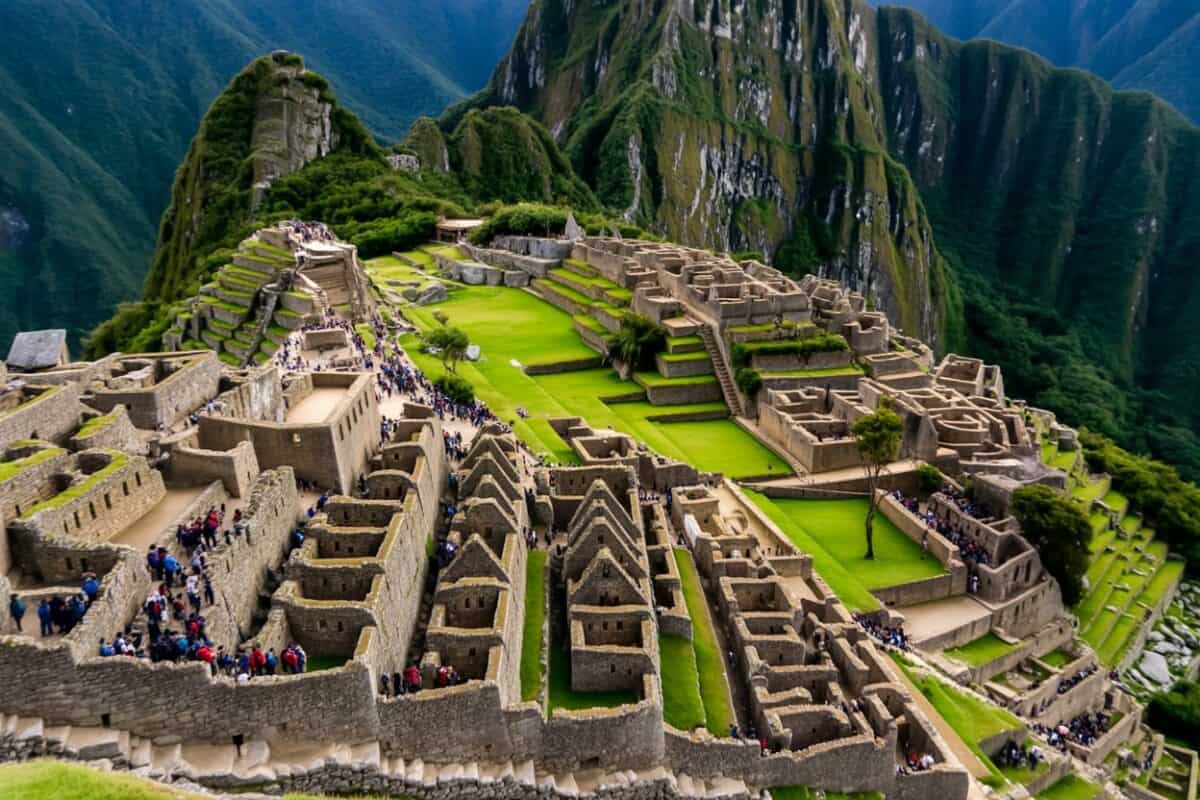
A steady and encouraging recovery has been recorded within Peru’s tourism sector as international arrivals continue to rise during the early months of 2026. According to tourism statistics covering January to May 2026, approximately 1.37 million international tourists have been received by the country, reflecting a slight increase compared with the same period in 2025. As a result, Peru tourism recovery 2026, international arrivals Peru statistics, Machu Picchu tourism demand, Peru travel trends in South America, and Peru inbound tourism growth have become key indicators of the sector’s gradual stabilization.
Despite this positive momentum, tourism activity in Peru is still reported to be at approximately 75 percent of pre-pandemic 2019 levels, indicating that full recovery has not yet been achieved. However, consistent upward movement in visitor numbers has been interpreted as a sign of long-term resilience within the national tourism industry.
Advertisement
Advertisement
Strong Growth in International Visitor Arrivals
Between January and May 2026, international arrivals into Peru have been recorded at 1.37 million, marking a gradual but steady increase in global travel interest toward the destination. This growth has been supported by improved air connectivity, border accessibility, and renewed global demand for cultural and nature-based tourism experiences.
The recovery trend has been particularly significant given the global disruptions experienced in previous years. Tourism authorities have continued to monitor visitor flows closely in order to ensure that infrastructure and services are aligned with increasing demand.
Advertisement
Advertisement
Although the country has not yet fully returned to pre-pandemic tourism volumes, the upward trend has been widely viewed as a positive indicator of sectoral stability.
Regional Visitor Distribution Across Continents
A detailed breakdown of visitor origins has shown that South America remains the largest source region for inbound tourism to Peru. This regional dominance has been attributed to geographic proximity, cultural connections, and accessible land and air travel routes.
Advertisement
Advertisement
North America has also contributed a significant share of arrivals, supported by strong interest in Peru’s archaeological heritage, adventure tourism, and culinary experiences. Europe has continued to represent an important long-haul market, with steady visitor flows driven by cultural tourism demand.
This diversified regional distribution has been viewed as beneficial for Peru’s tourism resilience, reducing dependence on a single source market and strengthening overall stability.
Advertisement
Advertisement
Key Source Countries Driving Tourism Growth
Among individual source countries, Chile has been identified as one of the leading contributors to international arrivals. Cross-border travel and regional connectivity have played a major role in sustaining visitor flows from Chile into Peru.
The United States has also remained a key tourism partner, with American travelers continuing to show strong interest in Peru’s historical and natural attractions. Ecuador has similarly contributed significantly to inbound tourism, supported by proximity and regional travel integration.
These three countries have been highlighted as essential drivers of Peru’s tourism recovery trajectory, reinforcing the importance of both regional and international markets.
Major Entry Points Supporting Tourist Flow
Tourist arrivals into Peru have been primarily facilitated through key entry points, including Jorge Chávez International Airport in Lima, which serves as the country’s main international aviation hub. This airport has continued to handle the majority of long-haul and regional flights, making it a central gateway for inbound tourism.
Advertisement
Advertisement
In addition to air travel, land border crossings such as Tacna and Tumbes have played an important role in regional mobility. These crossings have enabled significant movement of tourists from neighboring countries, particularly within South America.
The combination of air and land entry points has contributed to a more balanced distribution of tourist inflows across the country.
Popular Attractions Driving Visitor Demand
Tourism demand in Peru has continued to be strongly influenced by globally recognized attractions. Machu Picchu remains the most iconic destination, attracting international visitors interested in Inca heritage and archaeological exploration.
The Paracas National Reserve has also been a major draw, offering unique coastal landscapes, wildlife viewing opportunities, and desert-ocean ecosystems that appeal to eco-tourists and nature travelers.
In Lima, the Magic Water Circuit has continued to attract both domestic and international tourists, offering an urban cultural experience featuring illuminated fountains and public recreational spaces.
These destinations have collectively reinforced Peru’s reputation as a diverse tourism destination combining history, nature, and modern urban experiences.
Advertisement
Advertisement
Rising Outbound Tourism From Peru
In addition to inbound tourism growth, an increase in Peruvian outbound travel has also been recorded. More residents have been observed traveling abroad for leisure, business, and cultural purposes, reflecting improving economic conditions and renewed international mobility.
This increase in outbound tourism has been interpreted as part of a broader recovery in global travel behavior, where both inbound and outbound flows are gradually normalizing after previous disruptions.
The dual movement of tourism has contributed to a more dynamic travel market within Peru’s broader tourism ecosystem.
Gradual Recovery Still Below Pre-Pandemic Levels
Although tourism performance in Peru has shown consistent improvement, the sector remains below the levels recorded in 2019. The current recovery rate of approximately 75 percent indicates that further growth is still required to reach full pre-pandemic capacity.
Efforts have been focused on improving infrastructure, enhancing visitor experiences, and strengthening international promotion campaigns to attract higher volumes of tourists.
Tourism authorities have continued to prioritize sustainable development strategies to ensure that growth is balanced with environmental protection and cultural preservation.
Advertisement
Advertisement
Steady Growth Defines Peru’s Tourism Outlook
The tourism sector in Peru has demonstrated stable and gradual recovery during the early months of 2026, with 1.37 million international arrivals recorded between January and May. Supported by strong regional markets such as Chile, the United States, and Ecuador, and key entry points including Jorge Chávez International Airport, Tacna, and Tumbes, tourism flows have continued to strengthen.
With iconic destinations such as Machu Picchu, Paracas National Reserve, and Lima’s Magic Water Circuit continuing to attract global attention, Peru’s tourism industry remains on a positive trajectory. Although full recovery to 2019 levels has not yet been achieved, the steady growth observed in Peru tourism recovery 2026, international arrivals Peru statistics, and Machu Picchu tourism demand indicates a resilient and evolving sector positioned for continued expansion.
Advertisement
