

Egypt Reassures Tourists: No Increase in Visa Fees for Entry to Popular Destinations

Published
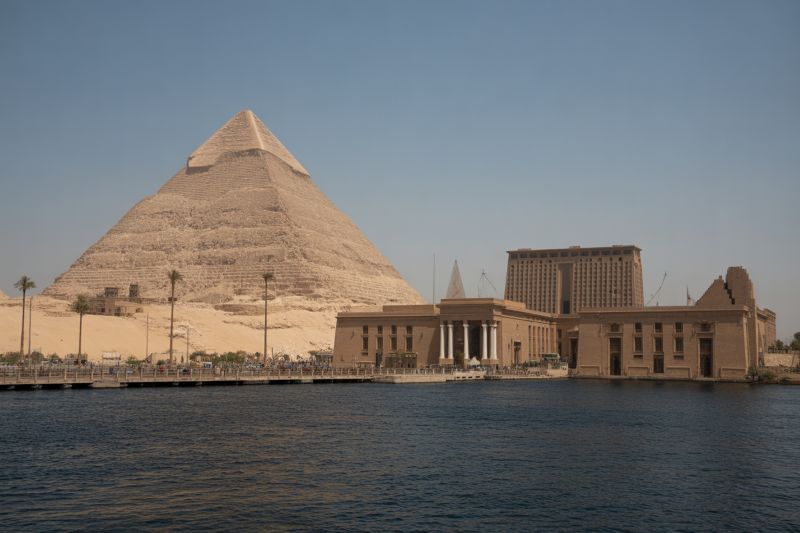 Image generated with Ai
Egypt’s Ministry of Tourism and Antiquities has responded to allegations of a rise in entry visa fees to Egypt which are currently 1,188.95(USD 25) to 2,141.10(USD 45) Egypt pounds and which incited a media storm about the possibility of the fees increasing given the considerable amount of extremism in the media. The Ministry’s position is that it is looking to allay the incitement of the media and the concerns of the people in the tourism sector by stating that visa fees are, in fact, not going to be increased.
Visa Fee Claims and Recent Law Amendments
The confusion surrounding the visa fee hike stems from recent amendments to Law No. 175 of 2025, which governs visa-related procedures. These amendments established a maximum possible fee for Egypt’s entry visa, which is set at EGP 2,138.40 (USD 45). However, the ministry made it clear that this cap does not equate to an actual increase in the visa fee. The current fee for entry into Egypt remains EGP 1,188.95 (USD 25), and the country’s officials have not made any decisions to alter this amount.
The ministry’s statement emphasized that any changes to visa fees or procedures would be communicated directly to the public through official channels. As of now, the existing fee structure is still in place and travelers will not face any unexpected increases in costs. The clarification comes at a time when Egypt is focusing on enhancing its tourism offerings and maintaining its position as a premier destination for international visitors.
Advertisement
Advertisement
Impact of Potential Visa Fee Increases on Tourism
While the ministry’s denial of the visa fee increase should provide reassurance, the discussions around this issue underscore the importance of visa policies in shaping the travel landscape. Visa fees play a significant role in influencing a country’s appeal to international tourists. Higher fees, particularly when unexpected, can discourage potential visitors and negatively affect a destination’s competitiveness in the global tourism market.
Advertisement
Advertisement
Tourism is a vital sector of Egypt’s economy, with millions of international travelers visiting every year to experience its historical sites, such as the Pyramids of Giza, Luxor, and the Egyptian Museum in Cairo. In recent years, the Egyptian government has made concerted efforts to enhance the tourism experience by improving infrastructure, reducing bureaucratic hurdles, and providing specialized tourism packages. These measures are part of a larger strategy to boost tourism numbers, which directly contribute to the nation’s GDP and provide employment opportunities for Egyptians.
An increase in visa fees could deter travelers, especially in competitive regions where other destinations offer similar cultural and historical experiences at more affordable rates. It is crucial for Egypt to remain attractive to tourists, especially those visiting from European, Asian, and North American markets, which often seek the best value for their travel budgets. Maintaining the current fee structure helps preserve Egypt’s standing as a cost-effective destination for international tourists.
Advertisement
Advertisement
Official Communication Channels and Transparency
The Ministry of Tourism and Antiquities took this opportunity to remind both media outlets and the general public of the importance of verifying information through official government sources. The rapid spread of misinformation, especially in the digital age, can lead to confusion and undermine public confidence. In the case of visa fees, incorrect reports could cause potential travelers to hesitate or adjust their travel plans, fearing that they will face unforeseen costs.
To counteract such misunderstandings, the ministry urged all parties to rely on official announcements from government bodies or official tourism platforms before accepting or sharing information about changes to visa policies. The ministry is committed to ensuring that any updates or revisions to the visa procedures will be clearly communicated and accessible to all travelers.
Tourism Growth and Stability Amid Global Challenges
Advertisement
Advertisement
In recent years, Egypt has witnessed a steady increase in international arrivals, driven by both traditional tourism and niche markets such as adventure tourism, eco-tourism, and cultural heritage tourism. Despite global challenges, including the aftermath of the COVID-19 pandemic, Egypt’s tourism sector has remained resilient. The government has made significant investments in promoting tourism and fostering partnerships with international travel agencies, airlines, and tourism organizations to keep Egypt competitive in the global market.
Egypt’s rich historical legacy, combined with its diverse cultural and natural attractions, has made it an increasingly popular destination. The Nile River cruises, visits to the Valley of the Kings, and tours of ancient temples continue to draw tourists from around the world. Furthermore, Egypt’s recent focus on expanding and improving its tourism infrastructure, such as upgrading airports and developing new tourist resorts along the Red Sea and Mediterranean coastlines, has enhanced the overall visitor experience.
Visa Accessibility: A Key Factor for International Travelers
Visa accessibility is a crucial factor in attracting tourists to any destination. Streamlined visa application processes, reasonable fees, and clarity about requirements are essential components of an efficient and welcoming tourism experience. Egypt has long been a popular destination for travelers due to its relatively simple visa policies. The single-entry tourist visa for most nationalities remains a straightforward process, with options for e-visa applications and visa-on-arrival services for several countries.
If Egypt were to raise its visa fees without proper communication and preparation, it could risk alienating potential visitors. The tourism industry is highly sensitive to price fluctuations, especially for long-haul travelers, who may factor in visa costs when planning their trips. Therefore, any significant changes to visa policy must be well-communicated and timed to align with broader efforts to attract more international visitors.
Looking Forward: Egypt’s Tourism Strategy for the Future
Advertisement
Advertisement
As Egypt looks to the future, the government’s focus on tourism remains a key pillar of its economic strategy. The country is poised to benefit from new trends in global tourism, such as the growing demand for luxury travel, cultural experiences, and sustainable tourism. By continuing to foster positive relationships with international travelers, ensuring transparency in visa procedures, and promoting Egypt’s unique cultural and historical assets, the country is likely to see further growth in tourism numbers.
Egypt’s Ministry of Tourism and Antiquities has been proactive in communicating with the public about policies affecting the tourism sector, such as visa regulations, and will likely continue this approach to maintain clarity and build trust. The country’s ability to remain flexible and responsive to the needs of tourists, while ensuring that any changes to visa fees are handled with transparency and official communication, will be vital to its ongoing success in the competitive global tourism market.
Ensuring Confidence in Egypt’s Tourism Future
Egypt’s Ministry of Tourism and Antiquities explained that, despite the increase in the fee in the future, there has not been and will not be any changes in the current tourist and professional visa fees. One of the prong improvements that assists in facilitating and further increasing the traffic coming into the country is adequate management of the flow of information visa policy management. Because of the balance that currently exists in their visa policy and their continuing investment into the infrastructure concerning tourism Egypt will be able to continue growing in the tourism industry.
Advertisement
