
Japan Ski Travel Is Set to Get Better as Qantas Expands Sydney Sapporo Flights for More Choice

Updated
Published
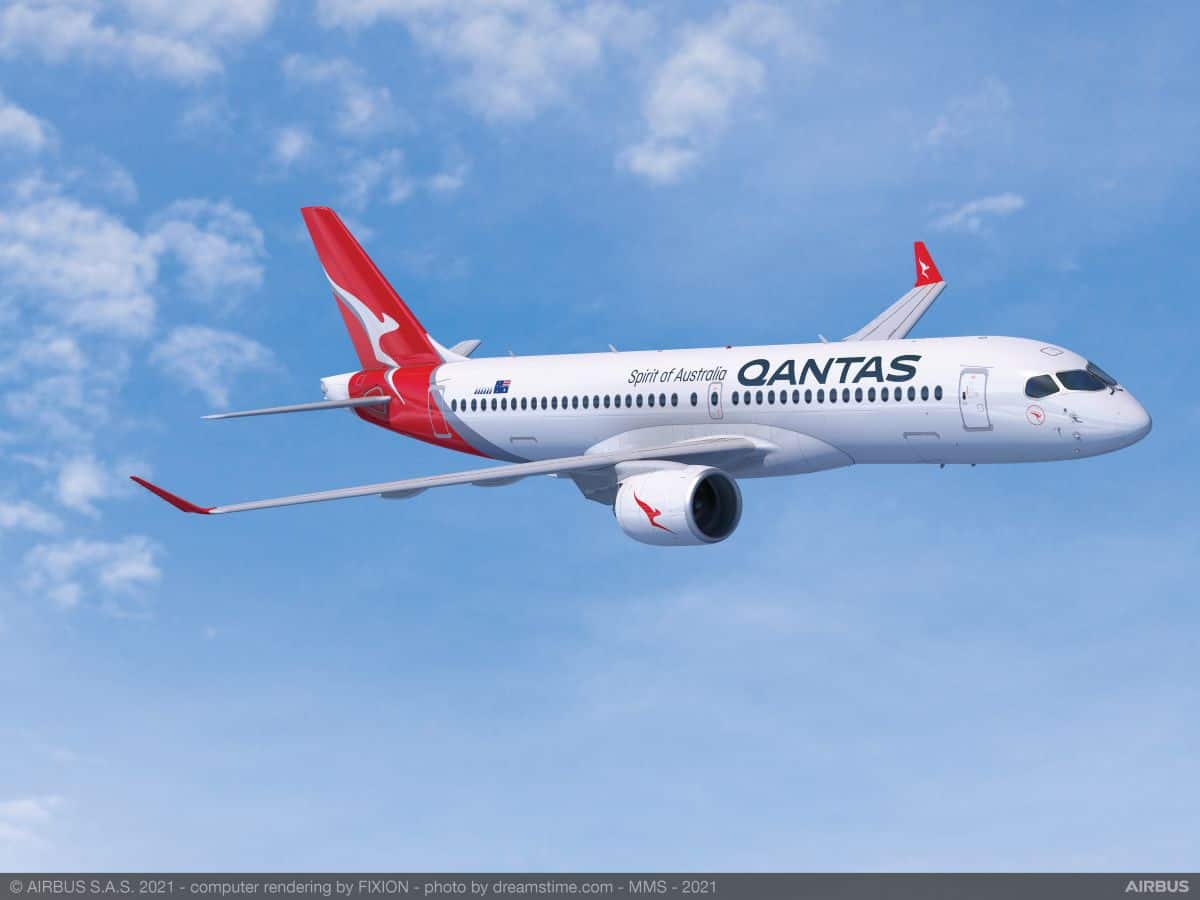
Qantas will increase nonstop Sydney–Sapporo flights from three to as many as five a week during the 2026–27 ski season, expanding Japan Ski Travel when winter demand is strongest. The seasonal route will operate from 7 December 2026 to 31 March 2027, with its highest frequency running from 16 December through January. More than 10,000 seats will be added, lifting total capacity to nearly 35,000. The airline, Sydney Airport and New Chitose Airport are involved. Travellers gain more date choices and direct Hokkaido access, although frequencies vary by month and the schedule remains subject to change.
Japan Ski Travel Expansion Is Primarily an Aviation Story
The central development is a seasonal increase in direct air capacity between Australia and Hokkaido. Tourism demand provides the commercial context, while entry conditions and local transport remain important practical considerations. The percentages below are an editorial assessment based on the weight of verified evidence. They are not official statistics or forecasts of economic benefit.
| News Component | Share of Story | Officially Verified Finding | Relevance to Travellers |
|---|---|---|---|
| Aviation and capacity | 50% | Weekly frequency rises from three to as many as five, adding more than 10,000 seats | Travellers receive more direct departure choices during winter |
| Tourism demand | 25% | Australia supplied 1,058,300 visitors to Japan in 2025, 15% more than in 2024 | Shows strong demand from the route’s home market |
| Ski-season access | 15% | The expanded service overlaps Hokkaido’s principal winter travel period | Supports direct access to Sapporo and surrounding snow destinations |
| Entry and ground transport | 10% | Australians remain eligible for visa-free short stays, while New Chitose connects with Sapporo by rail and bus | Helps passengers organise immigration and onward journeys |
The evidence confirms a larger flight programme and unusually strong Australian demand for Japan. It does not establish that fares will fall, ski resorts will receive a fixed number of extra guests or every service will operate at full capacity. The change concerns one seasonal city pair, not the whole Australia–Japan aviation market.
Current Schedule and Immediate Effect on Travellers
The nonstop route links Sydney Kingsford Smith Airport with New Chitose Airport, the main air gateway serving Sapporo and central Hokkaido. It currently follows a three-flight weekly seasonal model. For 2026–27, the planned programme varies across four timetable phases rather than maintaining five flights every week. The official route announcement identifies QF107 as the Sydney-to-Sapporo service.
Advertisement
Advertisement
From 7 to 15 December 2026, flights will operate on Mondays, Wednesdays and Saturdays. Frequency rises to as many as five services weekly from 16 December through 31 January 2027, with departures on Mondays, Wednesdays, Thursdays, Saturdays and Sundays. February brings four weekly flights on Mondays, Wednesdays, Thursdays and Saturdays. The schedule returns to three services on Mondays, Wednesdays and Saturdays throughout March.
This stepped timetable concentrates the largest capacity increase around the Christmas school holidays, New Year travel and the heart of Hokkaido’s ski season. Travellers planning Japan Ski Travel should therefore check their exact week rather than assume five flights are always available. The schedule is officially announced but remains subject to change.
Advertisement
Advertisement
Why the Sydney–Sapporo Increase Matters
The route is the only nonstop connection between Sydney and Sapporo. It removes the need for many travellers to change aircraft in Tokyo or another Asian hub before reaching Hokkaido. A direct journey can simplify the movement of skis, snowboards and winter luggage, although baggage allowances and equipment conditions still depend on the purchased fare and current carrier rules.
The expansion is substantial within this specific route. Capacity rises by more than 50% compared with the previous seasonal programme. More than 10,000 additional seats take the total to nearly 35,000 seats across both directions. Those numbers show a material network change rather than a minor timetable adjustment.
The strongest tourism relevance lies in access. New Chitose Airport serves Sapporo and offers onward connections across Hokkaido. The official regional tourism organisation describes it as the island’s principal air gateway, with a railway station directly connected to the terminal. This makes the route relevant not only to city visitors but also to travellers continuing towards ski fields and winter resorts.
Chronology From Launch to the 2026–27 Expansion
The seasonal nonstop service first launched in December 2025 with three flights a week. Its introduction created the only direct Sydney–Sapporo link and added Sapporo as the airline’s 100th international destination. The first season targeted Australians travelling for Hokkaido’s snow, skiing and winter experiences.
By late January 2026, almost 10,000 passengers had used the route during the first half of its inaugural season. The airline cited this early performance and forward demand when announcing the larger programme for the following winter. The announcement did not publish a final load factor, revenue figure or detailed customer profile.
The revised schedule begins on 7 December 2026. It expands to its maximum frequency on 16 December, continues at that level through January and then reduces as the season progresses. Four weekly departures are planned in February before the operation returns to three in March. The seasonal service ends on 31 March 2027 unless a later official update changes the programme.
Advertisement
Advertisement
Demand, Seasonality and Capacity Shaped the Decision
The immediate trigger was strong route performance and demand during the first ski season, according to the official airline announcement. The initial passenger count offers direct evidence that travellers used the new link. However, the published material does not disclose how many passengers were tourists, which resorts they visited or how much they spent.
Australian Demand Reached a National Record
Australia became a record source market for Japan in 2025. The Japan National Tourism Organization recorded 1,058,300 Australian visitors during the calendar year, up 15% from 2024. December alone produced 121,300 arrivals, coinciding with school holidays and the beginning of the winter travel season.
These national figures provide a strong supporting condition for the route expansion. They do not show how many Australians visited Sapporo or travelled on the nonstop service. The statistics should therefore be used as market context, not as proof that one route caused the wider increase.
Winter Timing Concentrates the Added Flights
The five-flight peak runs from mid-December through January, when holiday demand overlaps with Hokkaido’s snow season. February retains four weekly services, while early December and March remain at three. This pattern demonstrates that the capacity increase is calibrated around seasonal demand rather than applied evenly across four months.
The timing also aligns with official destination guidance. Sydney Airport identifies December to February as Sapporo’s principal snow-travel period. Hokkaido’s tourism authority lists winter activities and ski areas across the region, although resort opening dates and lift operations depend on local snow and weather conditions.
Nonstop Access Provides the Competitive Difference
Direct access distinguishes this service from itineraries requiring a domestic Japanese connection. New Chitose has integrated rail, bus, taxi and car-hire options, enabling onward travel after arrival. Official Hokkaido guidance places central Sapporo roughly one hour from the airport by train, bus or road, depending on the chosen service and conditions.
Advertisement
Advertisement
The strongest verified explanation is demand demonstrated during the inaugural season. Record Australian travel to Japan is the most important supporting condition. Future load factors, fare movements and any operation beyond March 2027 remain unresolved.
Verified Figures for Japan Ski Travel
The new seasonal programme contains nearly 35,000 seats between Sydney and Sapporo. More than 10,000 are additional, representing a capacity rise exceeding 50%. The reporting period covers the 2026–27 service from 7 December to 31 March. These are route-level capacity figures, not forecasts of passenger numbers. Almost 10,000 passengers had travelled on the route by late January 2026, around halfway through its first operating season. This figure indicates a strong start but cannot be treated as the final total for 2025–26. The official release did not provide a full-season passenger count or a comparison with connecting traffic through Tokyo.
National tourism data provides a broader baseline. Japan welcomed 1,058,300 Australians in 2025, 15% more than during 2024. December recorded 121,300 Australian arrivals. Japan received 42,683,600 international visitors from all markets during 2025, its highest annual total at that time. These datasets measure different things. Seat capacity counts available places in both directions on one route. Passenger totals record people carried on that service. Visitor-arrival statistics count Australians entering Japan nationally. Combining them into a single ratio would be misleading because their periods, geography and units differ.
Official Statements and Confirmed Scope
The carrier describes the expansion as a response to strong first-season performance and demand. Its announcement confirms the frequency pattern, total capacity, additional seats and operating period. It also states that the schedule may change. No personal quotation is required to establish these operational details.
Japan’s national tourism body confirms that Australian arrivals passed one million for the first time in 2025. It also reports that travel expanded beyond the traditional Tokyo–Kyoto–Osaka corridor. This supports the broader regional-tourism context, but it does not quantify visitor flows to Hokkaido from the new route.
Official airport and destination information identifies New Chitose as Hokkaido’s principal gateway, with direct access to rail and other ground transport. These sources confirm how travellers can continue towards Sapporo and regional destinations. They do not guarantee transfer times during snow, service disruption or peak holiday congestion.
Advertisement
Advertisement
Tourism and Japan Ski Travel Impact
The confirmed immediate benefit is more scheduling choice. Travellers receive up to five weekly nonstop options at the busiest point of the season, compared with three previously. February passengers have four weekly choices, while those travelling in early December or March retain three. The route avoids an additional flight connection for passengers starting in Sydney.
Skiers and snowboarders gain more flexibility when matching flights with accommodation, transfers, lessons and lift access. Tour operators may also have more departure dates for packages. These are practical possibilities created by the timetable, not confirmed booking outcomes. No official source has released a forecast for hotel occupancy, resort visits or additional visitor spending.
Sapporo hotels, restaurants and urban attractions could benefit from higher capacity. Regional resorts may also receive visitors who continue beyond the city. Yet the effect will vary by destination and cannot be attributed across all of Hokkaido without supporting local data.
Wider Travel-Industry Analysis
The expansion shows how seasonal international routes can be adjusted around concentrated leisure demand. Instead of running five times weekly across the whole period, the operator places the highest capacity around late December and January. This reduces exposure outside the strongest weeks while still providing an expanded winter programme.
For travel distributors, the changing frequency requires precise date-based planning. Package durations that work in January may not match the three-flight pattern in March. Hotels, resort transfers and equipment hire should be aligned with the actual operating day rather than a general claim of five weekly flights.
The broader Japan Ski Travel market benefits from record Australian interest in Japan, but direct comparison with other routes requires caution. National arrival figures include leisure, business and visiting-friends-and-relatives travel across the country. They cannot isolate winter visitors or measure the performance of Sapporo alone.
Advertisement
Advertisement
Regional and Global Context
The Sydney–Sapporo link forms part of a wider Australia–Japan network that also includes nonstop services to Tokyo from several Australian gateways. Unlike year-round capital-city routes, the Hokkaido service is designed around winter seasonality. Its importance comes from providing direct access to a northern regional gateway rather than from matching the scale of Tokyo traffic.
Japan’s record 42.68 million international arrivals in 2025 show the wider strength of inbound tourism. Australia’s 1.06 million visitors formed an important but minority share of that total. The Sapporo capacity increase should therefore be viewed as a targeted response within a much larger national market.
International comparisons with European or North American ski routes would be unreliable without matching data on distance, season length, airport access and visitor definitions. The verified point is narrower: demand has supported more nonstop seats between Sydney and Hokkaido during one winter operating window.
Practical Entry and Ground-Transport Information
Australian passport holders can currently visit Japan without a visa for short tourism or business stays of up to 90 days, according to Australian Government travel advice and Japan’s Ministry of Foreign Affairs. Entry conditions can change, and other nationalities may face different requirements. Each traveller should confirm the rules applying to their passport and purpose of travel.
New Chitose Airport has a rail station connected directly to the terminal. Official Hokkaido guidance identifies trains, buses and taxis as the principal onward options. Winter weather can affect roads and transport operations, so passengers should leave sufficient time when linking flights with resort transfers or accommodation check-in.
Travellers carrying skis or snowboards should confirm baggage allowances before payment. Equipment policies vary by fare, size and weight. Travel insurance should also be checked for winter-sports cover, medical treatment, equipment and cancellations, as standard policies may apply exclusions.
Advertisement
Advertisement
What Sydney–Sapporo Travellers Should Do Next
People travelling between December 2026 and March 2027 should match their plans with the frequency applying to their specific dates. The announcement creates more choice, but it does not remove the need to coordinate flights, lodging and ground transfers.
- Check whether the selected week has three, four or five services.
- Confirm the latest schedule before purchasing separate bookings.
- Match accommodation dates with airport or resort transfers.
- Verify passport and visa conditions for the traveller’s nationality.
- Review checked-baggage rules for skis, snowboards and boots.
- Check insurance for winter sports, medical costs and disruption.
- Allow extra connection time during severe snow or holiday congestion.
- Monitor official airport and transport notices before departure.
- Retain confirmations for flights, hotels, equipment and transfers.
Travellers do not need to alter plans solely because frequency is increasing. They should monitor the operating schedule because published days remain subject to change and vary across the season.
Future Outlook Remains Limited to March 2027
The next confirmed milestone is the seasonal launch on 7 December 2026. Frequency rises on 16 December, changes again on 1 February and returns to three weekly services on 1 March. The programme ends on 31 March 2027 under the published schedule.
No year-round service has been announced. There is also no confirmed timetable for the 2027–28 winter. Performance during the expanded season may inform later network decisions, but no official passenger target, renewal threshold or review date has been disclosed. Any claim of permanent expansion would therefore be premature.
Sydney–Sapporo Enters Its Next Winter Test
The Sydney–Sapporo expansion gives Australian travellers more choices for Hokkaido’s 2026–27 winter season. Frequencies will rise from three to as many as five weekly flights, adding over 10,000 seats and lifting total capacity close to 35,000. Record Australian arrivals support the market context, but they do not predict route performance or resort spending. Entry rules remain unchanged, and operating days vary across December, January, February and March. No service beyond 31 March 2027 is confirmed. The longer-term
Advertisement
