
Germany Munich Travel Reveals Spectacular Hidden Gems, Luxury Escapes and Unforgettable Cultural Experiences

Updated
Published
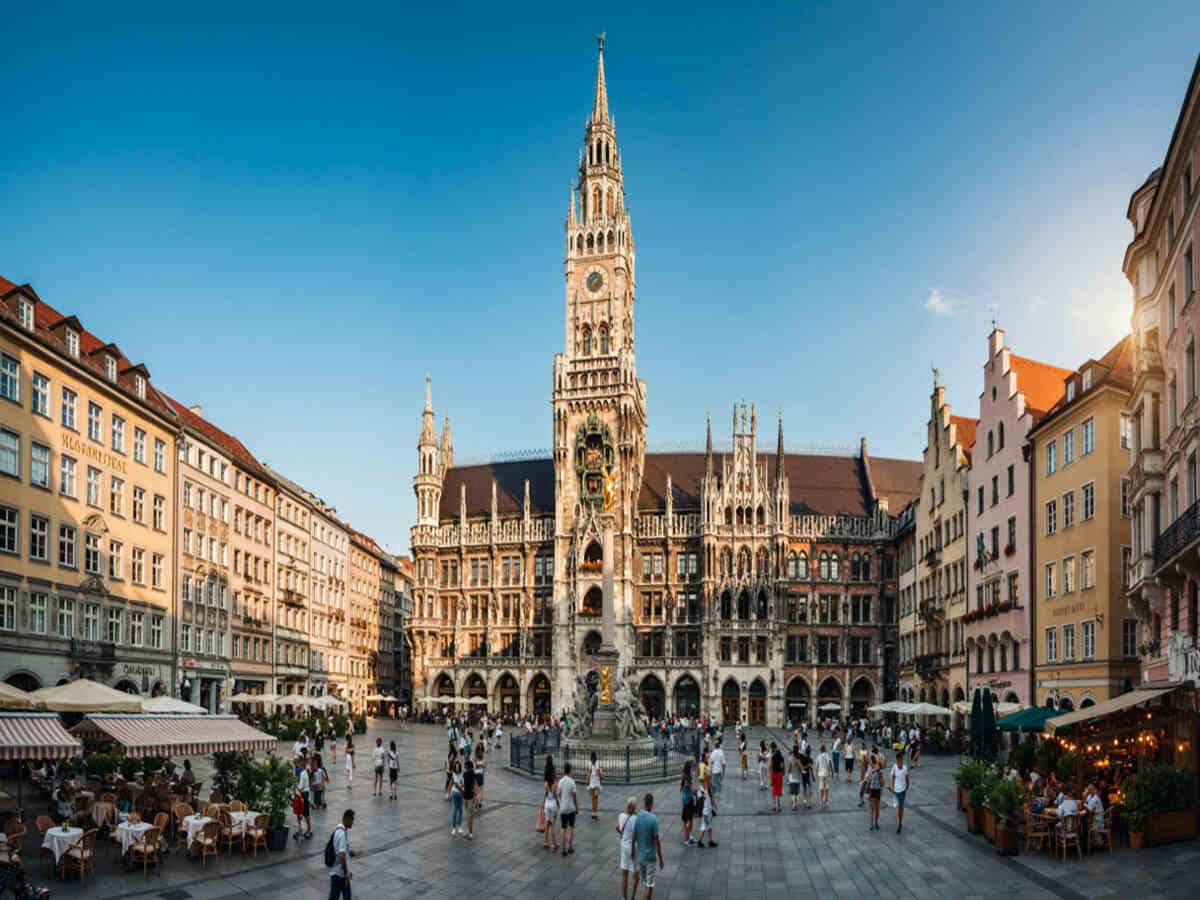
Tourism in Germany Munich is becoming popular not only because of Berlin’s luxury hotels, Michelin-starred restaurants, amazing historic sites and wonderful Bavarian culture. Visitors have a chance to experience an excellent combination of elegance, tradition and modernity. The city of Munich in Germany is attracting people who do not come only because of the Oktoberfest. With luxurious hotels, Michelin-starred restaurants, historic places, nightclubs and stunning Bavarian atmosphere, Munich has much to offer tourists. While the city is sometimes mentioned in comparison with Berlin, visitors have the opportunity to discover another facet of tourism in Germany. Munich is full of wonderful shopping boulevards, magnificent museums and beautiful gardens.
Munich Emerges as Germany’s Remarkable Alternative to Berlin
Berlin may attract attention for its creative culture and energetic nightlife, but Munich offers a distinct German travel experience. The Bavarian capital combines royal architecture, traditional hospitality and contemporary urban attractions.
Founded in the 12th century, Munich developed from a settlement associated with monks into one of Germany’s major cultural and economic centres.
Today, visitors encounter historic buildings alongside designer shops, modern restaurants and cultural institutions. The city is also known for its strong connection to Bavarian traditions.
Advertisement
Advertisement
This balance between history and modern living makes Munich appealing to travellers who want more than conventional sightseeing.
Luxury Hotels Transform Munich into a Premium European Escape
Munich’s luxury accommodation options reflect its reputation for elegance.
Advertisement
Advertisement
The historic Hotel Vier Jahreszeiten Kempinski Munich, established in 1858, stands near Maximilianstraße and the Bavarian State Opera. Its 302 rooms and suites combine traditional design with contemporary comforts. The property also features restaurants, a bar and spa facilities.
Andaz Munich Schwabinger Tor offers modern accommodation, stylish interiors and extensive wellness facilities. Its rooftop terrace provides impressive city views.
Advertisement
Advertisement
Meanwhile, Haus im Tal, located near Viktualienmarkt, attracts visitors seeking boutique accommodation. Its distinctive interiors and rooftop bar create a relaxed atmosphere.
These establishments cater to travellers with different luxury accommodation preferences.
Michelin-Starred Restaurants Reveal Munich’s Exceptional Food Culture
Munich’s reputation as a gastronomic destination extends far beyond traditional Bavarian cuisine.
Tantris DNA represents the city’s sophisticated dining culture. Connected to the historic Tantris restaurant, which opened in 1971, it offers French-inspired cuisine and contemporary interpretations of established culinary traditions.
Advertisement
Advertisement
For a more traditional dining experience, Max Emanuel Brauerei combines Bavarian hospitality with regional Alpine dishes.
Julius Brantner Brothandwerk highlights the city’s growing artisan bakery culture through carefully prepared sourdough bread.
Meanwhile, Nari Pizza Atelier, located around Fraunhoferstraße, introduces modern Italian influences.
Together, these establishments demonstrate how Munich blends international gastronomy with established regional culinary traditions.
Marienplatz and the Old Town Uncover Munich’s Historic Treasures
Munich’s Old Town offers visitors a fascinating introduction to the city’s architectural heritage.
At its heart stands Marienplatz, surrounded by historic buildings, shopping streets and cultural attractions.
Advertisement
Advertisement
The magnificent New Town Hall dominates the square, while its famous Glockenspiel attracts tourists throughout the year.
Nearby, the Frauenkirche remains one of Munich’s most recognisable landmarks.
Visitors can also climb the tower of St Peter’s Church for panoramic views across the city.
Traditional buildings, lively squares and attractive pedestrian streets make the Old Town particularly suitable for walking tours.
Its compact layout allows travellers to discover several major attractions during a single sightseeing excursion.
Viktualienmarkt Delivers an Authentic Taste of Bavarian Life
Located close to Marienplatz, Viktualienmarkt provides a colourful introduction to Munich’s local food traditions.
Advertisement
Advertisement
The historic market features vendors selling fresh produce, flowers, regional products and speciality foods.
Visitors can explore its stalls, discover local ingredients and experience a lively atmosphere.
The market also provides opportunities to enjoy refreshments while observing everyday life in the Bavarian capital.
Unlike destinations that focus entirely on international visitors, Viktualienmarkt remains closely connected to Munich’s residents.
Its location makes it convenient to combine shopping, sightseeing and dining.
For travellers interested in culinary tourism, the market represents an essential part of Munich’s cultural identity.
Advertisement
Advertisement
Englischer Garten Reveals Munich’s Spectacular Natural Beauty
One of Munich’s greatest surprises is the enormous Englischer Garten, an urban park covering more than 900 acres.
Larger than New York City’s Central Park, it offers green meadows, walking routes, waterways and attractive monuments.
The park is particularly popular during warmer months, when residents and tourists gather for relaxation and outdoor activities.
Traditional beer gardens add another cultural dimension.
Visitors can also observe Munich’s unusual surfing culture at the famous Eisbach wave, subject to local access and safety restrictions.
The Englischer Garten demonstrates how Munich combines urban sophistication with accessible natural surroundings.
Advertisement
Advertisement
It is especially appealing to families, walkers and nature enthusiasts.
Oktoberfest Keeps Bavaria at the Centre of Global Tourism
Although Munich offers numerous attractions, Oktoberfest remains its most internationally recognised celebration.
The annual festival attracts millions of visitors who experience traditional Bavarian entertainment, regional cuisine, music and cultural customs.
Many participants wear traditional clothing, including lederhosen and dirndls.
Festival tents, entertainment attractions and lively celebrations create a distinctive atmosphere.
The Oide Wiesn section offers a more traditional experience, featuring historic entertainment and Bavarian customs.
Advertisement
Advertisement
Visitors seeking smaller celebrations can consider Frühlingsfest, Munich’s spring festival.
Travellers planning to attend Oktoberfest should arrange accommodation well in advance because demand increases significantly during the celebration period.
Munich’s Shopping Streets Showcase Luxury and Local Craftsmanship
Shopping provides another compelling reason to explore Munich.
Maximilianstraße is known for elegant buildings, designer boutiques and prestigious international fashion brands.
The historic Dallmayr Delicatessen, situated near Marienplatz, offers premium food products and speciality coffee.
Ludwig Beck, a long-established department store, provides fashion, beauty products and music collections.
Advertisement
Advertisement
Travellers interested in traditional Bavarian clothing can explore Lodenfrey, which specialises in Alpine-inspired fashion and regional garments.
Meanwhile, Fraunhoferstraße attracts visitors through independent boutiques, vintage shops and contemporary design stores.
These varied shopping destinations allow travellers to experience both Munich’s luxury retail culture and its independent creative businesses.
Munich’s Neighbourhoods Reveal a Vibrant Contemporary Identity
Beyond the historic centre, Munich’s neighbourhoods reveal different aspects of urban life.
Glockenbachviertel is known for lively nightlife, independent shops and its LGBTQ+ community.
Schwabing retains elements of its bohemian history, with cultural establishments, attractive architecture and easy access to Englischer Garten.
Advertisement
Advertisement
Schwanthalerhöhe offers a quieter residential atmosphere alongside independent cafés and restaurants.
Meanwhile, Giesing has developed a growing creative scene, with former industrial spaces now accommodating cafés, bakeries and cultural venues.
These districts introduce visitors to Munich’s contemporary character.
Exploring them offers a more complete understanding of the city beyond its busiest tourist landmarks.
Stylish Bars and Unique Venues Energise Munich After Dark
Munich’s nightlife offers much more than its famous traditional beer halls.
Schumann’s, overlooking Odeonsplatz, attracts visitors with its classic cocktails and elegant atmosphere.
Advertisement
Advertisement
Bar Centrale combines historic surroundings with Italian-inspired hospitality.
Lucky Who appeals to guests seeking fashionable interiors, cocktails and entertainment.
One particularly unusual attraction is Alte Utting, a former vessel transformed into a social venue above a railway bridge.
Meanwhile, Frau im Mond offers rooftop seating and city views near the Deutsches Museum.
These establishments illustrate Munich’s diverse evening entertainment scene, from sophisticated cocktail lounges to creative and unconventional gathering places.
World-Class Museums Strengthen Munich’s Cultural Tourism Appeal
Munich’s cultural attractions provide numerous reasons to visit outside Oktoberfest.
Advertisement
Advertisement
Haus der Kunst is especially notable for its contemporary exhibitions within a monumental historic building.
Unlike museums centred on permanent collections, it presents changing exhibitions and artistic programmes.
The Deutsches Museum offers another major attraction through its science and technology displays.
Visitors interested in performing arts can also explore Munich’s opera houses and theatres.
The Bavarian State Opera forms an important part of the city’s cultural identity.
Together, these institutions provide opportunities for year-round educational and cultural tourism, attracting visitors with interests extending beyond traditional sightseeing and entertainment.
Advertisement
Advertisement
The Bavarian Alps Make Munich an Ideal Gateway to Nature
Munich’s location provides convenient access to southern Germany’s attractive countryside.
During summer, travellers can explore nearby lakes, mountain villages and peaceful rural surroundings.
Lake Starnberg is a popular destination for visitors interested in lakeside relaxation and scenic views.
Other destinations, including Kloster Andechs and Wolfratshausen, offer opportunities to experience Bavaria beyond its capital.
Winter introduces additional possibilities through skiing and mountain activities in the Bavarian Alps.
These nearby attractions allow travellers to combine urban sightseeing with outdoor recreation.
Advertisement
Advertisement
Munich therefore provides an excellent starting point for longer holidays exploring the natural landscapes of southern Germany.
Munich’s Transport Network Makes Sightseeing Convenient
International visitors generally arrive through Munich Airport (MUC), located approximately 30 kilometres from the city centre.
Suburban railway services connect the airport with central Munich, while buses and taxis provide alternatives.
Munich Central Station offers rail connections to destinations throughout Germany and neighbouring European countries.
Within the city, the U-Bahn, S-Bahn, trams and buses provide convenient transport options.
The Munich transport association, MVV, offers tickets covering different travel zones and journey requirements.
Advertisement
Advertisement
Cycling is another option for exploring neighbourhoods.
Travellers can also use taxis and ride-hailing services when necessary.
This extensive transport network supports convenient independent travel.
Munich Offers Memorable Experiences Throughout Every Season
Munich’s changing seasons create different opportunities for visitors.
Spring brings comfortable conditions for exploring parks, traditional markets and historic streets.
Summer encourages outdoor dining, lake excursions and relaxation in the Englischer Garten.
Advertisement
Advertisement
Autumn attracts visitors interested in Oktoberfest and Bavarian celebrations.
Winter transforms the city through Christmas markets, cultural performances and seasonal activities.
The nearby Alps also appeal to winter sports enthusiasts.
Travellers hoping to avoid peak-season crowds may find spring particularly attractive.
For those prioritising festivals, autumn remains an obvious choice.
Munich’s seasonal variety ensures that visitors can enjoy different experiences throughout the year.
Advertisement
Advertisement
Why Munich Deserves a Place on Every Germany Travel Itinerary
Munich presents a distinctive combination of Bavarian heritage, modern luxury and international culture.
Its historic architecture, luxury hotels, acclaimed restaurants and attractive neighbourhoods provide experiences for different types of travellers.
Visitors can explore magnificent landmarks, enjoy regional traditions, discover independent businesses or escape into nearby natural landscapes.
While Berlin remains a major destination for Germany’s urban tourism, Munich offers an appealing alternative through its elegant atmosphere and strong cultural identity.
More importantly, Munich proves that its appeal extends far beyond Oktoberfest.
Munich is establishing itself as an exceptional place for tourism in Germany and competing with Berlin through its luxurious hotels, gourmet restaurants, historical monuments, and authentic German flavor. Apart from Oktoberfest, there are many other things that draw tourists to Munich, including museums, entertainment opportunities, gardens, and trips to the Alps. For travelers looking for an interesting mixture of tradition and modernity, Munich is certainly worth visiting.
Advertisement
