
Europe Reveals Six Distinct Habits That Make American Tourists Instantly Recognizable, Cultural Tips for Savvy Travellers: All You Need to Know

Published
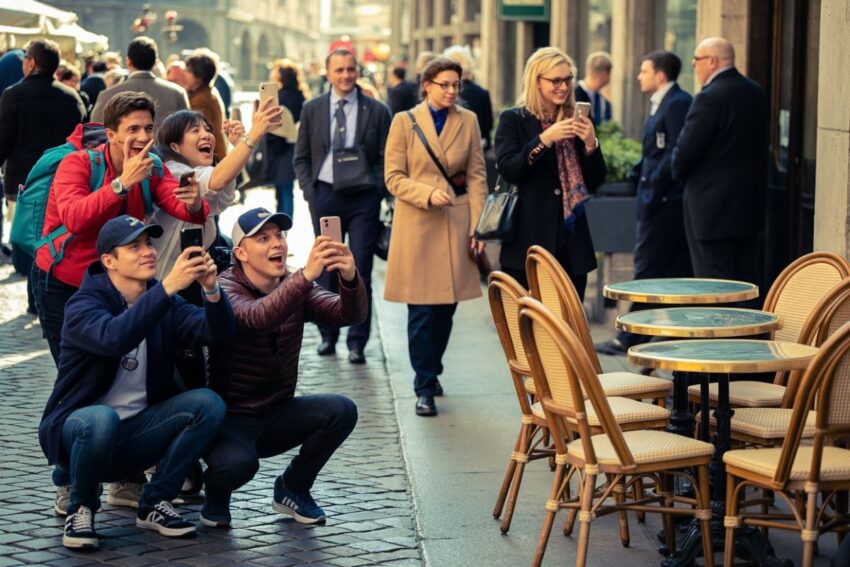 Image generated with Ai
Millions of Americans visit Europe every year, from small towns in Poland to major capitals like Paris and Rome. Locals and travel professionals say there are certain patterns of behaviour that make some visitors from the United States easy to identify — sometimes before they even speak a word. These tendencies come from deep‑rooted social habits and norms that differ greatly from many European cultures. Understanding these behaviours isn’t just amusing — it can help travellers adapt better and show greater respect for local customs.
Speaking Loudly in Public Spaces
One of the most frequently cited traits Europeans associate with Americans abroad is how they project their voices in public. In many parts of Europe, especially in indoor spaces like cafés, public transport and historic squares, people tend to speak in calm tones. In contrast, American social culture often embraces a more expressive and louder conversational style, which can unintentionally stand out. Observers note that what is perfectly normal and friendly in the United States might seem overly boisterous in European settings.
Habitual Tipping — Even When It’s Not Expected
Tipping customs vary widely worldwide and in much of Europe, service workers receive solid wages without expecting large gratuities. In places like France, Germany or Spain, tipping is often a small rounding up of the bill or a modest bonus for excellent service — not the mandatory 15–20% that many Americans are used to. When American travellers automatically calculate big tips, Europeans notice because it doesn’t align with local customs and can even create uncomfortable situations.
Expecting English Everywhere You Go
English is widely taught and understood in many European cities, especially in key tourist areas. However, Europeans say many American visitors assume English will be spoken universally, which isn’t always true. Locals often appreciate even a few basic words of the native language — such as ‘bonjour’ in France, ‘grazie’ in Italy or ‘bitte’ in Germany — before switching to English. Simply attempting to greet someone in the local tongue signals respect and curiosity about the culture.
Advertisement
Advertisement
Distinctive Dress and Accessories That Stand Out
Outfits and accessories also draw attention. Europeans have mentioned that American tourists sometimes favour very casual attire like baseball caps, athletic trainers or large backpacks, which can look distinctive compared with the generally fashion‑conscious crowd in many European urban centres. While comfortable clothing is essential for travel, dressing with a bit more awareness of local norms can make travellers feel more at home among the locals.
Phone Habits and Constant Photos
Technology use is another common sign. Many American visitors are keen to capture every moment and often use their phones for pictures, directions and social media. While European travellers do the same, locals sometimes perceive Americans as more likely to document everything constantly — from selfies at famous landmarks to prolonged live streams. Awareness of surroundings, considerate phone use and stepping aside for photos can make interactions smoother.
Advertisement
Advertisement
General Cultural Awareness and Respect
Beyond specific behaviours, many Europeans simply appreciate when visitors take time to learn about local customs, etiquette and traditions. From quiet conversation in cafés to using basic greetings in the local language, these small efforts signal respect. Research on cultural etiquette emphasises that politeness, tone of voice and gestures vary significantly across regions, and adapting to those expectations enhances travel experiences for both visitors and hosts.
Looking Beyond Stereotypes and Building Positive Connections
It’s important to note that not all American tourists fit these patterns, and many travellers receive warm hospitality throughout Europe. According to travel behaviour studies, Europeans often view American visitors as friendly and curious, even if certain stereotypes remain. Embracing local culture with open curiosity — rather than assuming universal norms — makes journeys smoother and more rewarding.
Final Thought: Respect and Adaptation Make the Difference
Travel isn’t just about seeing new places — it’s about exchanging cultures with empathy and openness. By paying attention to local etiquette, adjusting habits like tipping and volume, and showing appreciation for language and traditions, American tourists can enjoy richer interactions across Europe. With thoughtful behaviour, travellers leave memorable impressions for all the right reasons.
Advertisement
