

United Kingdom: Scotland and Others Shift Tourism Focus to High-Value Travel

Published
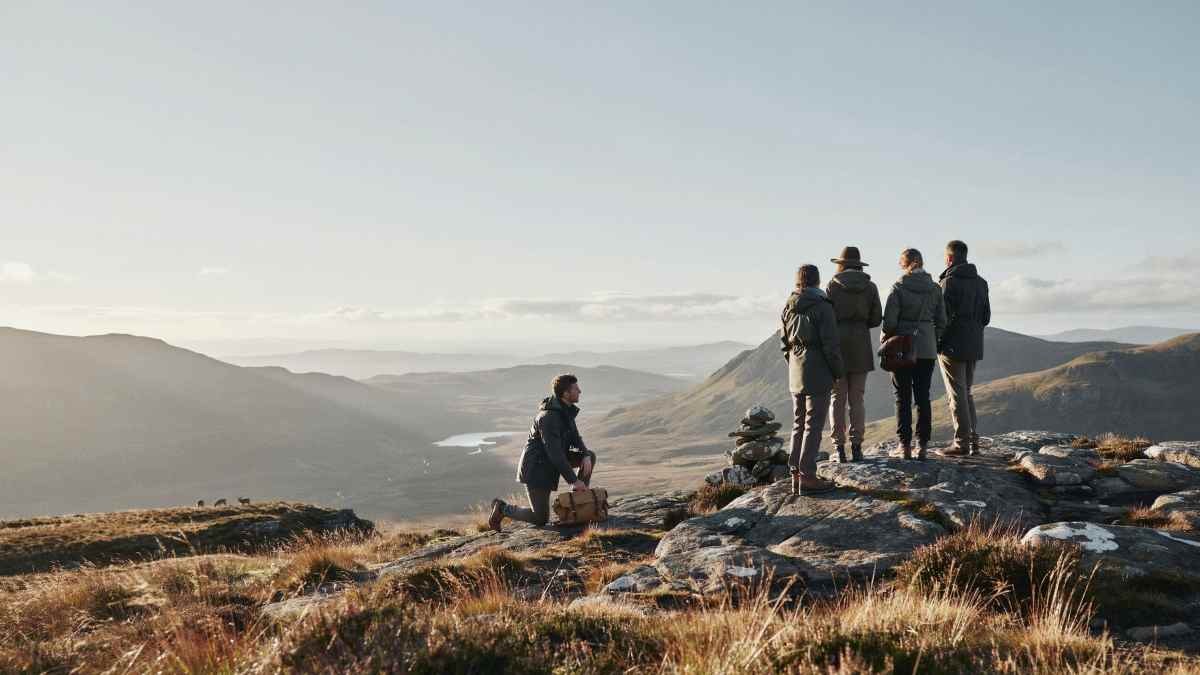
Travel to the UK is moving into a value era as destination marketing organisations focus on profitable foreign segments in Scotland and Northern Ireland. Given that long-haul traffic from the Middle East and Asia is soft in the second quarter due to rising costs of jet fuel and pressure on airfares, tourism campaigns are now more oriented towards MICE, heritage, luxury, and golf travel.
Long-Haul Costs Reshape Visitor Targeting
Higher aviation costs are affecting the economics of long-haul travel to the United Kingdom, particularly for visitors travelling from distant markets. Elevated jet-fuel surcharges and pressure on airfares have contributed to softer demand from parts of the Middle East and Asia during Q2.
Advertisement
Advertisement
For destinations reliant on international visitors, changes in travel costs can influence booking decisions, trip duration and the type of holiday selected. The response from UK destination marketing organisations is increasingly centred on attracting travellers and travel segments with higher spending potential rather than pursuing visitor volume alone.
This approach places greater emphasis on tourism products capable of generating expenditure across accommodation, dining, transport, events, attractions, shopping and specialist activities.
Advertisement
Advertisement
Scotland and Northern Ireland are particularly suited to this strategy because of their established heritage, landscapes, golf infrastructure and business-event facilities.
MICE Tourism Creates Business Travel Opportunities
MICE — meetings, incentives, conferences and exhibitions — represents an important high-value segment within United Kingdom tourism.
Advertisement
Advertisement
Business events can bring international visitors to destinations outside traditional leisure travel periods, creating demand for hotels, conference venues, restaurants, transport providers and other tourism services. Delegates may also extend business trips for leisure, creating opportunities to combine professional events with cultural and recreational experiences.
Scotland has an established business-events network spanning major cities and regional destinations. Edinburgh and Glasgow provide conference infrastructure alongside historic attractions, restaurants and cultural experiences.
Advertisement
Advertisement
Northern Ireland offers a similar combination through Belfast and other destinations, where business events can be paired with heritage attractions and regional travel.
Targeting MICE visitors can therefore support tourism activity beyond conventional holiday seasons while introducing international business travellers to destinations that can subsequently become leisure destinations.
Heritage Luxury Targets Higher-Spending Travellers
Heritage tourism is another major component of the value-focused strategy.
Scotland offers castles, historic estates, cultural landmarks, historic cities and landscapes that can be incorporated into premium itineraries. Visitors seeking heritage experiences can combine accommodation in distinctive properties with private tours, cultural activities, food experiences and access to historic sites.
Advertisement
Advertisement
Northern Ireland similarly provides a combination of historic attractions, cultural experiences, coastal landscapes and estates that can support premium travel itineraries.
The focus on heritage luxury allows destination marketers to promote experiences rather than relying solely on accommodation or conventional sightseeing. Longer itineraries can connect several locations and encourage visitors to travel beyond major urban centres.
For international travellers, particularly those seeking distinctive cultural experiences, heritage can provide a reason to build a UK itinerary around specific destinations and activities.
Golf Tourism Strengthens Scotland and Northern Ireland
Golf remains another important high-value tourism segment for both Scotland and Northern Ireland.
Scotland is internationally recognised for its golf heritage and extensive network of courses, while Northern Ireland has developed a strong international golf profile through its coastal and championship courses.
Golf travellers can generate tourism demand across several parts of the visitor economy. A golf trip can involve accommodation, transport between courses, restaurants, equipment services, local attractions and additional leisure activities.
Advertisement
Advertisement
The nature of golf travel can also encourage multi-night stays, particularly when visitors travel internationally and plan itineraries involving multiple courses or regions.
For destination marketing organisations, golf provides an opportunity to target travellers with a specific interest and a defined reason to visit. It also creates potential for combining sporting activity with heritage, gastronomy and scenic travel.
Scotland and Northern Ireland Gain Strategic Focus
The emphasis on high-value tourism is creating a more targeted approach to international visitor acquisition across the United Kingdom.
Rather than depending exclusively on overall visitor numbers, destination marketing organisations are focusing on segments that can generate stronger economic activity per trip. MICE events can support business travel and conference-related spending, while heritage luxury and golf can encourage specialised, multi-day itineraries.
Scotland can combine golf, historic properties, cultural attractions and city experiences, while Northern Ireland can connect golf with heritage, coastal landscapes and Belfast’s business-events infrastructure.
This approach also creates opportunities to distribute tourism spending geographically. Visitors travelling for golf or heritage experiences can move between destinations, supporting accommodation and tourism businesses outside major city centres.
A More Targeted UK Tourism Strategy
The focus on value as opposed to volume results from changes in the context of international aviation and long-haul travel. In light of the pricing pressures and surcharges associated with fuel, which impact the demand from certain Middle Eastern and Asian markets, promotion of UK tourism has been directed to specialized sectors, which can provide high-value visits. For tourists, this translates into increased exposure to the golf courses, heritage attractions and meeting places of Scotland and Northern Ireland. For tourism operators, the approach means that there is more focus on offerings, which allow for extended visits and spending in different areas of the visitors’ economy. Scotland and Northern Ireland find themselves in the heart of a more specialised UK tourism policy, which makes use of MICE, heritage luxury and golf for bringing international visitors to the country.
Advertisement
