
Finnair Leads Europe’s 2026 Aviation Shift as Regional Airports Become the New Growth Hotspots

Published
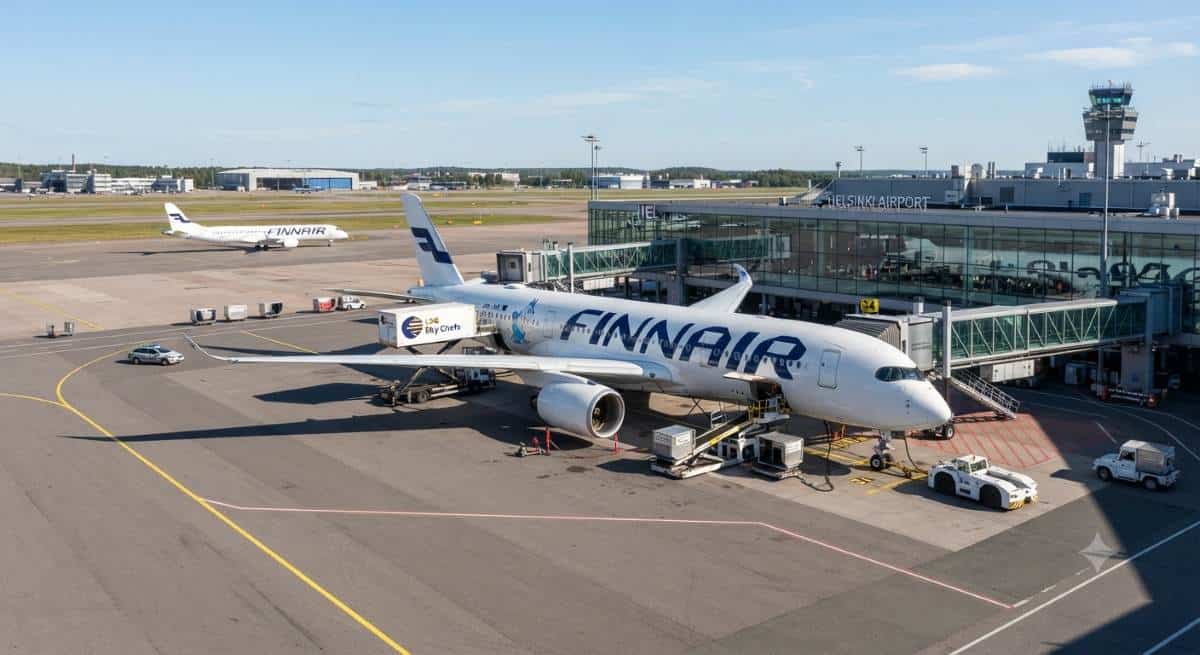
Finnair leads Europes 2026 aviation shift as regional airports become the new growth hotspots for travellers and tourism. Moreover, the airline is opening fresh destinations and giving passengers easier access to smaller cities across the continent. At the same time, other carriers are strengthening direct links beyond major hubs. As a result, regional communities can welcome more visitors and support hotels, restaurants and local attractions. The aviation industry is therefore creating a wider travel map where airports outside traditional gateways gain greater importance. This new growth also gives travellers more choice, simpler journeys and better access to emerging European destinations.
Europe’s Aviation Growth Is Moving Beyond the Biggest Hubs
Europe’s airline industry is entering a different kind of growth cycle in 2026. Major hubs still matter. London, Amsterdam, Frankfurt, Paris, Madrid, Rome and Vienna remain central to European travel. But airlines are now looking much further.
Advertisement
Advertisement
They are searching for passengers in smaller cities.
They are targeting regional airports.
Advertisement
Advertisement
They are adding islands.
Advertisement
Advertisement
They are opening direct links to places that once needed a connection through a large hub.
This shift matters because air connectivity can change how a destination performs.
A city with no direct international link may struggle to attract short-break visitors. A city with several direct flights can suddenly become easier to sell.
That is why regional airports are becoming more valuable.
Airlines see them as new sources of demand. Tourism bodies see them as gateways to local growth. Travellers see them as a quicker and simpler way to reach their final destination.
Advertisement
Advertisement
The changes also show that Europe’s aviation race is becoming less about only having more flights.
It is becoming a battle over geography.
The airline that reaches the right airport first can gain a strong advantage.
New Airports Matter More Than Simple New Routes
There is a major difference between a new route and a new airport.
That difference is often missed.
Advertisement
Advertisement
An airline may announce a new flight between two airports that are already part of its wider network.
That is a new route.
But it does not always mean a completely new destination for the airline.
A new airport is more significant.
It means the carrier is entering a new local market.
Advertisement
Advertisement
It may need new ground services.
It needs local sales.
It needs airport agreements.
It also needs enough demand to support the operation.
This is why new airports deserve closer attention.
Advertisement
Advertisement
They can bring a town or region into an airline’s global system for the first time.
That can transform tourism access.
A passenger may no longer need a train, a bus or a domestic connection after landing at a large city hub.
Instead, they can fly much closer to their holiday destination.
That can save hours.
Advertisement
Advertisement
It can also make a regional destination much more attractive for a weekend break.
This is one of the most important aviation trends in Europe in 2026.
Germany’s Smaller Airports Become Part of the New Airline Battle
Germany offers one of the clearest examples of this shift.
Ryanair has added Saarbrücken and Friedrichshafen as new airports in its German network for Summer 2026.
These are not simply new routes between airports the airline already served.
Advertisement
Advertisement
Ryanair itself described the two locations as new airports.
That makes the move especially important.
Saarbrücken serves Saarland in western Germany.
It also sits close to France and Luxembourg.
That gives the airport access to travellers living across a wider cross-border area.
Advertisement
Advertisement
Friedrichshafen serves southern Germany.
It lies close to Lake Constance.
Austria and Switzerland are also nearby.
This gives Ryanair access to a region with strong leisure and business potential.
The strategy shows why smaller airports can be attractive.
Advertisement
Advertisement
They may face less congestion.
They can serve people who live far from the largest hubs.
They can also make travel easier for visitors who want to reach regional destinations.
This is not simply an airline growth story.
It is a regional connectivity story.
Advertisement
Advertisement
France Gains New Aviation Energy as Volotea Moves Into Limoges
France is also seeing regional airports become more important.
Volotea entered Limoges Airport in 2026.
The airline described this as its first-ever operation from Limoges.
It also turned the city into one of its European bases.
This is a major example of how airlines are building growth away from the biggest metropolitan airports.
Advertisement
Advertisement
Volotea has built its business around smaller and medium-sized cities.
Its model focuses on direct links between places that may not have strong air connections.
Limoges fits that strategy well.
For local residents, a new airline can bring easier access to other cities.
For visitors, direct flights can make the region easier to reach.
Advertisement
Advertisement
For hotels, restaurants and attractions, that can mean more potential guests.
A new airport operation can also increase local confidence.
It can encourage travel businesses to invest.
It can help destinations market themselves more widely.
That is why regional airport growth can matter far beyond aviation.
Advertisement
Advertisement
The arrival of an airline can influence the whole visitor economy.
Mediterranean Islands Become Powerful Winners in the 2026 Expansion
Mediterranean destinations remain one of the strongest parts of Europe’s aviation market.
But the growth is moving beyond the most famous holiday spots.
Airlines are adding more choice across smaller islands and coastal destinations.
Jet2 has moved into Samos.
Advertisement
Advertisement
The British leisure carrier started services from Manchester, Birmingham and London Stansted.
Samos became another Greek destination in the airline’s growing leisure network.
Jet2 also added La Palma and Palermo.
La Palma gives travellers another Canary Island option.
Palermo adds a direct gateway to Sicily.
Advertisement
Advertisement
Transavia has added Alghero as a new destination.
Alghero gives the airline another entry point into Sardinia.
Austrian Airlines has also added Mytilini and Ponta Delgada.
These moves show how airlines are searching for places that can attract travellers beyond the traditional mass-market destinations.
Holidaymakers are looking for new experiences.
Advertisement
Advertisement
They want islands that feel different.
They want quieter locations.
They want direct flights.
Airlines are responding to that demand.
This can help spread tourism more widely.
Advertisement
Advertisement
It can also reduce pressure on destinations that already receive very high visitor numbers.
Finland Leads a Major Push Into New European Destinations
Finnair is one of the strongest examples of network expansion in 2026.
The airline has added 12 European destinations from Helsinki.
These include Alta, Catania, Florence, Kos, Valencia, Kuressaare, Luxembourg, Stavanger, Thessaloniki, Tirana, Turin and Umeå.
This is a wide mix.
Advertisement
Advertisement
Some destinations focus on holidays.
Others serve business demand.
Some strengthen northern Europe.
Others add new Mediterranean and Balkan options.
Tirana is especially important.
Advertisement
Advertisement
It takes Finnair into Albania.
That gives the airline access to a new country market.
It also shows how the Balkans are becoming more important to European airlines.
Finnair’s wider strategy is not simply about local passengers from Finland.
Helsinki is a connecting hub.
Advertisement
Advertisement
That means travellers from one European city can fly to Helsinki and then connect to another destination.
This gives smaller airports wider international reach.
A new link to Helsinki can therefore connect a regional destination with many other markets.
That can increase tourism demand.
It can also support business travel.
Advertisement
Advertisement
Finnair’s expansion shows how hub airlines can use new regional airports to strengthen an entire network.
Austria Uses Vienna to Fight for New Leisure and Regional Markets
Austrian Airlines is following a similar strategy from Vienna.
The carrier introduced seven new short- and medium-haul destinations for Summer 2026.
They include Ponta Delgada, Alicante, Bilbao, Bastia, Ohrid, Mytilini and Bergen.
The mix is revealing.
Advertisement
Advertisement
Spain gains more connectivity.
The Mediterranean gains more leisure options.
The Balkans gain another important link.
Northern Europe also gets stronger service.
This balance is important.
Advertisement
Advertisement
Airlines do not want to depend on one type of passenger.
They want business travellers.
They want holidaymakers.
They want people visiting friends and relatives.
They also want connecting passengers.
Advertisement
Advertisement
Vienna gives Austrian Airlines the ability to feed all these travellers into its wider network.
The expansion also shows how competitive the Vienna market has become.
Austrian Airlines has openly responded to capacity changes involving low-cost airlines such as Wizz Air and Ryanair.
That means airport competition is not only happening between destinations.
It is happening inside the same hub markets.
Advertisement
Advertisement
Airlines are fighting for the same travellers.
They are adding destinations to protect their position.
Amsterdam Expands Selectively as KLM Adds New Regional Gateways
KLM is taking a more focused path.
The Dutch carrier added Jersey, Santiago de Compostela and Oviedo as new European destinations.
All three connect with Amsterdam Schiphol.
Advertisement
Advertisement
The strategy is smaller in scale than Finnair’s expansion.
But it is still important.
Jersey brings a new island market into the KLM network.
Oviedo strengthens northern Spain.
Santiago de Compostela adds one of Europe’s most recognised cultural and pilgrimage destinations.
Advertisement
Advertisement
These places can gain much more than a direct flight to Amsterdam.
Schiphol is a major international hub.
A traveller can connect through Amsterdam to destinations across Europe and beyond.
That means a regional airport can gain access to a global network with one route.
This is why hub connectivity is so powerful.
Advertisement
Advertisement
A small destination does not need dozens of direct international flights.
One strong connection to a major hub can open many markets.
That can support tourism.
It can also help companies that need international travel.
For a regional airport, a KLM route can be much more important than the number of flights alone may suggest.
Advertisement
Advertisement
Switzerland Strengthens Regional Reach Through Poznań and Rijeka
SWISS is also adding new places to its European map.
Poznań and Rijeka entered the airline’s network in 2026.
The airline described both as entirely new destinations.
Poznań gives SWISS another important point in Poland.
It brings business and leisure potential.
Advertisement
Advertisement
Rijeka gives the airline a direct gateway to Croatia’s northern Adriatic coast.
This can help summer tourism.
It can also make nearby islands and seaside areas easier to reach.
The two destinations show how different markets can fit one network strategy.
Poznań offers city demand.
Advertisement
Advertisement
Rijeka offers seasonal leisure demand.
Both feed into Zurich.
That allows SWISS to carry passengers beyond Switzerland.
This model works because a hub airline can connect many small markets together.
A regional airport gets more value.
Advertisement
Advertisement
The airline gets more passengers feeding into its network.
The traveller gets a simpler journey.
This is one reason why secondary destinations are becoming more attractive to large carriers.
Icelandair Uses Keflavík to Connect New European Markets With North America
Icelandair is also expanding its European reach.
The airline introduced Venice in May 2026.
Advertisement
Advertisement
It is also launching Gdańsk in September 2026.
Gdańsk is especially important because it is Icelandair’s first scheduled route to Poland.
That makes it a new airport and a new country market.
Icelandair has a special network advantage.
Keflavík sits between Europe and North America.
Advertisement
Advertisement
This allows the airline to connect passengers in both directions.
A traveller from Poland can fly to Iceland.
They can also continue to the United States or Canada.
The same is true for visitors travelling from North America towards Europe.
This makes even a smaller European airport strategically useful.
Advertisement
Advertisement
It can provide local passengers.
It can provide connecting passengers.
It can also support tourism to Iceland.
This network model helps explain why Icelandair can add new European markets even when local demand alone may not be huge.
It is not selling just one destination.
Advertisement
Advertisement
It is selling a network.
Wizz Air Remains a Key Part of Europe’s Regional Expansion Story
Wizz Air continues to play a major role in this wider European shift.
The airline has expanded heavily across the continent.
It has added routes.
It has opened or strengthened bases.
Advertisement
Advertisement
It has grown its aircraft fleet.
Its expansion in Romania, Spain, Italy and central and eastern Europe shows how strongly low-cost carriers are still pushing for growth.
Oradea became one of Wizz Air’s newer operating airports in Romania during 2026.
The carrier is also strengthening bases such as Madrid and Valencia.
These moves show two different strategies.
Advertisement
Advertisement
A new airport helps Wizz Air enter a fresh market.
A new base helps it put aircraft closer to local demand.
Both can support rapid growth.
Wizz Air’s model also focuses heavily on direct flights.
That appeals to passengers who want to avoid large hubs.
Advertisement
Advertisement
It can bring smaller cities into wider European travel networks.
In this sense, Wizz Air is not simply competing with other low-cost airlines.
It is part of a larger change in how Europeans travel.
Direct regional connectivity is becoming more valuable.
The Balkans and Eastern Europe Become Major Growth Zones
The Balkans and eastern Europe are becoming increasingly important in the 2026 airline expansion.
Advertisement
Advertisement
Finnair added Tirana.
Austrian Airlines added Ohrid.
SWISS strengthened links to Poland through Poznań.
Icelandair is entering Poland through Gdańsk.
Wizz Air continues to expand across central and eastern Europe.
Advertisement
Advertisement
These markets have several advantages.
Many cities have growing tourism demand.
Some have large populations travelling to visit family and friends.
Others are building stronger business links with western Europe.
Airlines can serve several types of passenger at once.
Advertisement
Advertisement
This can make a route more stable.
A destination that depends only on summer tourists may struggle in winter.
A destination with business demand and family travel can support flights for more of the year.
That is why eastern Europe is becoming increasingly valuable.
It offers growth.
Advertisement
Advertisement
It offers new passengers.
It also gives airlines the chance to enter markets where competition may be lower than at Europe’s biggest airports.
Regional Tourism Could Be the Biggest Winner
The biggest impact of this aviation expansion may be felt outside the airline industry.
Tourism could be one of the strongest winners.
A direct flight changes the way a destination is viewed.
Advertisement
Advertisement
It can make a remote place feel closer.
It can encourage people to book a short break.
It can help tour operators create new packages.
Hotels may gain more international guests.
Restaurants may see more spending.
Advertisement
Advertisement
Local attractions may get more visitors.
Car hire firms can gain demand.
Taxi operators can benefit.
Even small shops may see more customers.
This is why local governments and tourism authorities often care deeply about air routes.
Advertisement
Advertisement
A new airline service can support jobs.
It can improve a region’s image.
It can also help spread visitors away from crowded tourism centres.
That is increasingly important in Europe.
Many famous cities face pressure from overtourism.
Advertisement
Advertisement
Regional air connectivity can help direct some demand elsewhere.
Smaller Airports Offer Airlines a Different Kind of Advantage
Why are airlines looking so closely at smaller airports?
The answer is simple.
They can offer opportunities that large hubs cannot.
Big airports are busy.
Advertisement
Advertisement
Slots can be hard to find.
Ground operations can be expensive.
Competition can be intense.
Secondary airports may offer more space.
They may offer better operating times.
Advertisement
Advertisement
They may also actively support airlines that bring new passengers.
Most importantly, they can provide access to a new local catchment area.
A traveller living two hours from a major airport may happily use a smaller local airport instead.
That saves time.
It can also reduce road travel.
Advertisement
Advertisement
For airlines, this creates fresh demand.
For airports, it increases passenger numbers.
For local tourism, it improves access.
This is why Europe’s regional airports are no longer minor players.
Many are becoming strategic parts of airline growth plans.
Advertisement
Advertisement
Europe’s Flight Market Keeps Growing Despite Strong Pressure
The expansion is taking place while European aviation still faces serious challenges.
Operating costs remain high.
Air traffic control delays continue to affect flights.
Airspace restrictions create pressure on some routes.
Airlines also face aircraft delivery problems and staffing needs.
Advertisement
Advertisement
Yet traffic continues to grow.
EUROCONTROL expects around 11.3 million flights across the ECAC area in 2026.
That represents growth of around 2.7% compared with 2025.
This suggests that demand remains strong enough to support continued network expansion.
Low-cost airlines are especially important to this growth.
Advertisement
Advertisement
But network carriers are also adding new destinations.
That means the battle is taking place across the whole market.
Budget airlines want more regional airports.
Hub airlines want more feeder cities.
Leisure carriers want new holiday destinations.
Advertisement
Advertisement
Every part of the industry is searching for the next source of demand.
Europe’s New Aviation Map Could Reshape Travel for Years
Europe’s 2026 flights’ transition is dominated by Finnair because of the rise in the popularity of regional airports that represent the new growth points for airlines targeting new passenger flows. Also, carriers start going beyond congested hubs and opening up routes to small cities and islands. Ryanair, KLM, SWISS, Jet2, Icelandair, Volotea, Transavia and Wizz Air are also extending their networks. Thus, passengers will be able to fly to destinations without any transfers. In addition, tourists’ flow to regions can increase. Consequently, Europe’s new flight map demonstrates the way airlines regard regional airports as key entry points.
Advertisement
