
Asia Travel Disrupted as Major Airports Including Tokyo, Singapore and Others Face 245 Cancellations and 4,100 Delays

Published
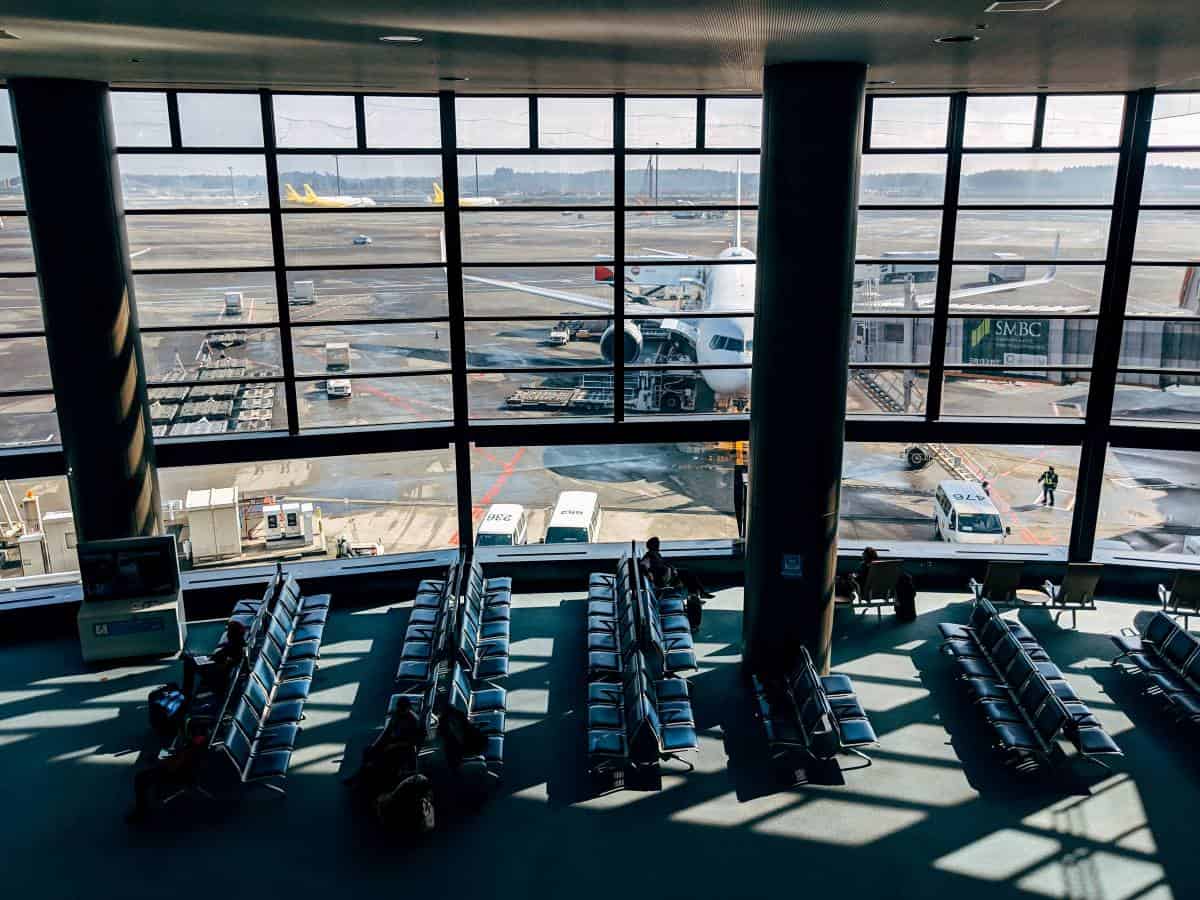
Today, flight plans across major hubs were delayed by severe weather, air traffic congestion, and operational issues, putting significant strain on Asia’s aviation network. Tokyo, Singapore, Shanghai, Guangzhou, Kuala Lumpur, and Delhi were among the airports that saw 4,100 delays and 245 cancellations. A combination of thunderstorms, decreased airport capacity, problems with aircraft rotation, and knock-on delays across linked regional routes caused the disruptions. Storms, fog, poor visibility, and difficult weather conditions that impact airport operations have historically been connected to similar widespread disruptions throughout Asia. Passengers encountered extended wait times, missed connections, and altered travel plans in a number of significant aviation corridors as airlines attempted to restore schedules.
Major Airports in Asia Experience Heavy Flight Disruptions
The largest impact was recorded at several major aviation hubs that connect domestic and international routes across Asia.
Japan Faces Severe Pressure at Tokyo Airports
Japan recorded some of the most significant disruption levels. Tokyo Haneda Airport reported 384 delays and 39 cancellations, making it the most affected airport in the region by both delay volume and cancellations. Narita International Airport recorded 109 delays and 34 cancellations, while Osaka Itami Airport experienced 78 delays and 3 cancellations.
Other Japanese airports also faced operational challenges. Fukuoka Airport recorded 99 delays and 5 cancellations, while Naha Airport reported 87 delays and 2 cancellations. Hachijojima Airport recorded no delays but reported 5 cancellations.
Advertisement
Advertisement
The disruption across Japan affected both domestic and international connectivity, as delays at major hubs can create knock-on effects for connecting flights and aircraft schedules.
China Airports Record Some of Asia’s Highest Delay Numbers
Chinese aviation hubs accounted for a significant share of the region’s delays. Guangzhou Baiyun International Airport recorded 361 delays and 2 cancellations, making it one of the busiest disrupted airports today.
Advertisement
Advertisement
Other major Chinese airports also experienced high delay volumes:
- Shanghai Pudong International Airport: 271 delays and 8 cancellations
- Shanghai Hongqiao International Airport: 142 delays and 3 cancellations
- Beijing Capital International Airport: 120 delays and 15 cancellations
- Beijing Daxing International Airport: 104 delays and 7 cancellations
- Hangzhou Xiaoshan International Airport: 100 delays and 3 cancellations
- Kunming Changshui International Airport: 112 delays and 10 cancellations
- Chongqing Jiangbei International Airport: 78 delays and 4 cancellations
- Xiamen Gaoqi International Airport: 72 delays and 3 cancellations
- Chengdu Shuangliu International Airport: 59 delays and 2 cancellations
Additional Chinese airports including Nanjing Lukou International Airport (53 delays and 4 cancellations), Fuzhou Changle International Airport (45 delays and 3 cancellations), Wuhan Tianhe International Airport (40 delays and 3 cancellations), Shijiazhuang Zhengding International Airport (35 delays and 3 cancellations), Wenzhou International Airport (23 delays and 3 cancellations) and Tianjin Binhai International Airport (25 delays and 4 cancellations) also reported disruptions.
Southeast Asia and India Experience Network-Wide Delays
Southeast Asian aviation hubs also faced substantial pressure. Kuala Lumpur International Airport recorded 325 delays and 5 cancellations, while Jakarta Soekarno-Hatta International Airport reported 251 delays and 15 cancellations.
Other affected Southeast Asian airports included:
- Singapore Changi Airport: 149 delays and 2 cancellations
- Kuala Namu International Airport: 35 delays and 3 cancellations
- Sultan Hasanuddin International Airport: 84 delays and 3 cancellations
- Supadio Airport: 23 delays and 5 cancellations
India also experienced disruptions at major airports. Indira Gandhi International Airport in Delhi recorded 137 delays and 10 cancellations, while Chhatrapati Shivaji International Airport in Mumbai reported 135 delays and 2 cancellations. Jammu Airport recorded 2 delays and 3 cancellations.
Analysis: Airports, Countries and Airlines across Asia Most Affected
The disruption pattern shows that East Asia carried the largest concentration of delays, particularly across Japan and China. Tokyo Haneda, Guangzhou Baiyun and Shanghai Pudong emerged as the most heavily affected hubs by delay numbers.
Advertisement
Advertisement
Japan recorded some of the highest cancellation levels, with Haneda reporting 39 cancellations and Narita recording 34 cancellations. China experienced widespread delays across multiple major cities, including Guangzhou, Shanghai, Beijing, Kunming and Hangzhou.
Airline operations were also affected. China Eastern recorded 24 cancellations and 355 delays, with delays representing 15% of its operations. Japan Airlines reported 24 cancellations and 174 delays, with 22% delayed flights. Air China experienced 22 cancellations and 137 delays, with 7% delayed operations.
Other carriers facing notable disruption included:
- Batik Air: 13 cancellations and 69 delays (21%)
- SpiceJet: 12 cancellations and 30 delays (47%)
- Turkish Airlines: 9 cancellations and 179 delays (10%)
- Jetstar Japan: 8 cancellations and 10 delays (9%)
- ANA Wings: 6 cancellations and 102 delays (28%)
- AirAsia: 4 cancellations and 134 delays (27%)
- All Nippon Airways: 3 cancellations and 151 delays (27%)
- IndiGo: 2 cancellations and 181 delays (9%)
- Cathay Pacific: 3 cancellations and 58 delays (14%)
- Spring Airlines: 2 cancellations and 95 delays (16%)
Several smaller carriers also recorded high delay percentages, including Arkia Israel Inland Airlines with 1 cancellation and 5 delays (83%), SCAT Airlines with 1 cancellation and 19 delays (33%), and Skymark Airlines with 1 cancellation and 57 delays (32%).
What Affected Passengers Can Do Now
Passengers travelling through affected airports over Asia should check their flight status directly with airlines before leaving for the airport. Delays can change quickly, especially when aircraft rotations and connecting schedules are affected.
Travellers should:
Advertisement
Advertisement
- Arrive earlier than usual at airports experiencing heavy disruption.
- Confirm updated departure times through airline apps or official websites.
- Keep boarding passes, booking confirmations and travel documents accessible.
- Contact airlines immediately if flights are cancelled or connections are missed.
- Avoid making alternative travel arrangements before confirming airline options.
- Check baggage and rebooking policies when schedules change.
Passengers with connecting flights should allow additional time, as delays at major hubs can affect onward journeys across regional and international routes.
With 4,100 delays and 245 cancellations recorded across the listed airports in Asia, today’s disruption highlights the vulnerability of interconnected aviation networks where delays at major hubs can quickly spread across multiple countries and airlines.
Data Verification Notice
The data has been extensively curated by our editorial team using real-time aviation figures recorded on 20 September 2026 at 3:03 pm ET USA (20 September 2026, 11:04 pm GST).
Primary Source: FlightAware.
Verification Protocol: All statistics have been independently reviewed and cross-checked by our human editorial desk. Timestamped records, data logs and feed snapshots are securely archived internally to support historical accuracy and editorial transparency.
Note: Real-time flight-tracking figures reflect active airspace and operational data. Minor variations may occur when compared with information displayed at individual airport terminals or airline departure gates.
Yesterday, 177 cancellations and 3,487 delays disrupt travel across Asia. You can read the full coverage here.
Advertisement
Verified by Paramita Sarkar
