
Galápagos Tightens Travel Checks as TCT Rules Come Under Scrutiny

Published
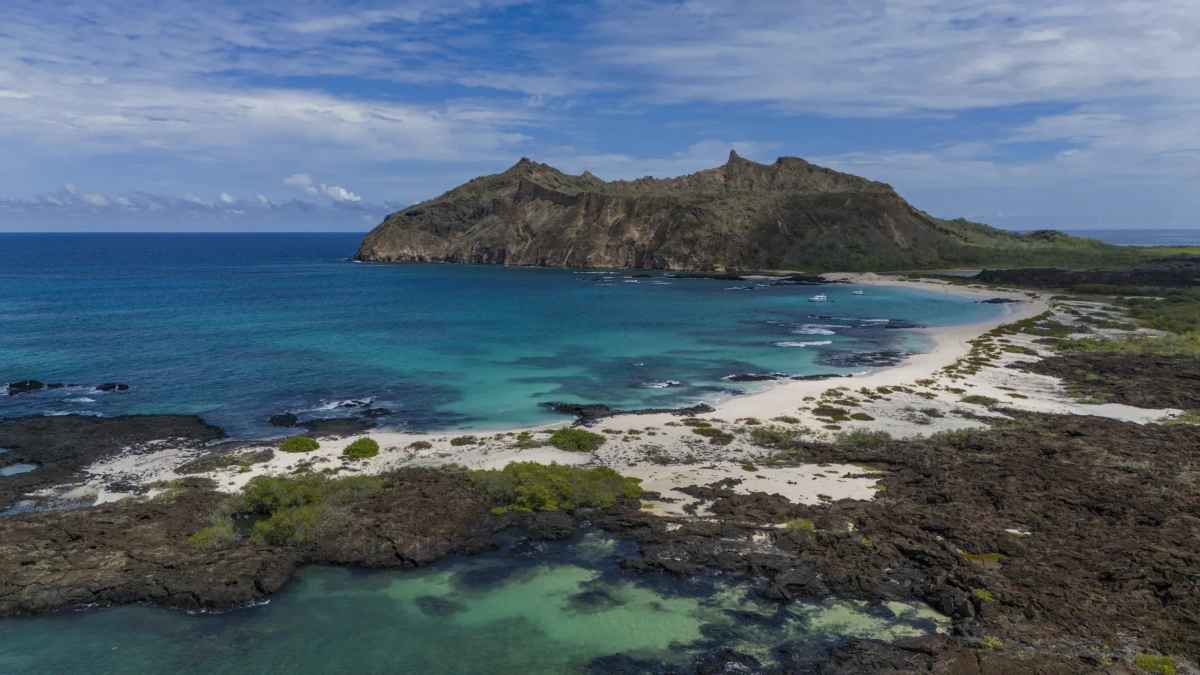
Tourists travelling to the Galápagos Islands during September 2026 will be subject to a very strict entry procedure. The Galápagos Islands will keep strengthening their system of digital visitation and biosecurity controls. The Transit Control Card (TCT), a requirement for tourists’ entry into the province, will play an important role in this system. According to the Galápagos Government Council of Ecuador, all individuals who enter the province of Galápagos as tourists and transients need a TCT, which has to be submitted at entry and exit from the islands. The TCT program has been designed to help to control migration and detect any anomalies among the tourists.
The TCT Is Already a Digital Requirement
The TCT is not a new September 2026 measure. Galápagos moved from a manual card towards a digital system in 2023, allowing visitors to enter personal and travel information online before travelling.
Advertisement
Advertisement
The digital TCT generates a QR code that can be validated at the airports in Quito and Guayaquil before passengers board flights to the islands. The system also connects with national information systems to strengthen immigration checks.
For travellers, that means the paperwork begins before reaching the islands.
Advertisement
Advertisement
The Galápagos Government’s current online services portal continues to offer digital TCT purchase and processing, while official guidance instructs visitors to complete the process before travelling.
The TCT Costs US$20
The TCT itself costs US$20 for visitors, according to the Galápagos National Park’s current arrival guidance.
Advertisement
Advertisement
At Quito or Guayaquil, travellers must complete the TCT process before proceeding through their airline check-in. The card should then be retained throughout the stay and presented when leaving the archipelago. Official guidance currently states that tourist stays are subject to a maximum period of two months.
This is separate from the conservation entry charge paid when arriving in Galápagos.
The US$200 Conservation Charge Is Confirmed
For international visitors, the major additional cost is the conservation entry tariff.
Under the current tariff established through the Galápagos provincial ordinance, foreign tourists aged over 12 pay US$200 to enter the protected areas. Foreign children under 12 pay US$100.
Visitors from CAN and Mercosur countries receive different rates, while Ecuadorian nationals and Ecuadorian residents are subject to lower charges.
The charge is collected at Baltra and San Cristóbal airports and contributes towards conservation and sustainable development across the islands.
Advertisement
Advertisement
This means an overseas traveller arriving for a conventional Galápagos holiday needs to account separately for the US$20 TCT and US$200 conservation tariff, before considering flights, accommodation, cruises, guides and excursions.
Biosecurity Remains a Major Airport Check
The most important physical inspection for visitors takes place around biosecurity.
The Galápagos National Park instructs passengers travelling from Quito or Guayaquil to have their luggage inspected by the Agency for Regulation and Control of Biosecurity and Quarantine for Galápagos, known as ABG.
The objective is to prevent the accidental introduction of organisms, plants, animals and other materials that could threaten the islands’ unique ecosystems.
Passengers arriving at Baltra or San Cristóbal can also face inspection procedures, while inter-island transport between populated islands involves further biosecurity checks.
The aircraft cabin is also fumigated before landing using a product approved as safe under the stated procedure.
Advertisement
Advertisement
SICGAL Claims Need Careful Interpretation
The suggestion that airlines are now universally required to cross-check biometric SICGAL quarantine clearances and return-flight reservations before issuing every boarding pass requires caution.
Current official Galápagos guidance confirms mandatory TCT processing and ABG biosecurity inspection, but the government sources reviewed do not establish a new September 2026 rule requiring airlines to perform the specific biometric cross-check described.
Travellers should therefore distinguish between existing digital controls and any individual airline or airport procedures that may be introduced separately.
The underlying direction is nevertheless clear: Galápagos authorities are maintaining rigorous immigration, residence and biosecurity controls.
Long Stays Remain Closely Controlled
The controls are designed partly to protect the islands from unauthorised residence and activities inconsistent with the special legal regime governing Galápagos.
In January 2026, the Galápagos Government Council publicly confirmed that migration and residency controls remained mandatory and would be strengthened. It said the procedures were being carried out continuously under the Organic Law of the Special Regime of the Province of Galápagos.
Advertisement
Advertisement
The TCT system supports this broader approach by recording visitor information and the intended period of stay.
For ordinary tourists, the practical message is simple: Galápagos is a destination where immigration documentation cannot be treated as an afterthought.
Baltra and San Cristóbal Are the Main Gateways
International visitors normally reach the archipelago through Ecuador’s mainland aviation network before continuing to Baltra or San Cristóbal.
Baltra provides access to Santa Cruz and Puerto Ayora, the principal tourism centre on the island. The journey from Baltra involves a bus transfer to the Itabaca Channel, a short ferry crossing and then onward road transport to Puerto Ayora. Official guidance estimates around 45 minutes for the bus journey from the channel to Puerto Ayora.
San Cristóbal Airport, meanwhile, is much closer to Puerto Baquerizo Moreno, with the town roughly 10 minutes away by road.
Both gateways therefore feed into a visitor system where documentation and environmental controls begin before the first island landing.
Official Link : https://www.gobiernogalapagos.gob.ec/preguntas-y-respuestas-frecuentes-control-migratorio-tct
What Travellers Should Do Before Departure
Those who plan to travel to Galápagos during September will have to go through the TCT process properly, and will also have to obtain the appropriate passports or other identification documents. Additionally, they should not pack any organic items for their travel, because luggage inspection is conducted in accordance with the rules of Galápagos biosecurity. The archipelago remains one of the most special locations for wildlife in Ecuador, but travelling to it requires some responsibilities and costs from those people who want to visit it. Concerning the visitors, the main things that need to be known before travelling to Baltra and San Cristóbal are the US$20 TCT and the US$200 conservation fee.
Advertisement
