
US Border Crossing Card and the Rules Mexican Travellers Must Know Now for Better Trips to Four States

Published
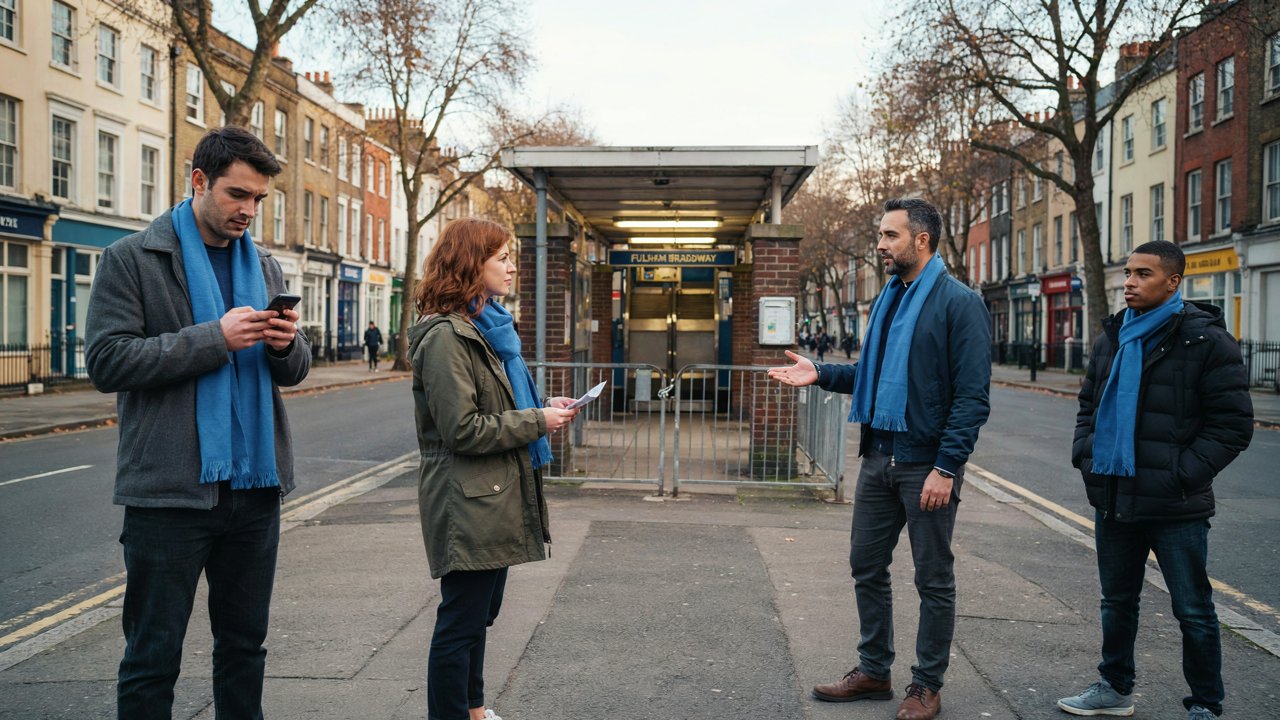
Mexican Travellers planning US visits face an unchanged US$30 application fee when they need an I-94 arrival record at a land border. A federal notice published on 1 October 2026 confirmed the amount for the financial year 2027 fee schedule, applied from 16 October. The update leaves existing travel conditions in place. For US Border Crossing Card holders, the key questions remain eligibility, permitted destinations, passport requirements and the length of each visit. Understanding those distinctions helps separate a short border trip from a longer journey requiring additional admission documentation.
What the Evidence Means for Mexican Travellers
The verified development concerns an immigration application charge, alongside established visitor rules. The table below separates the relevant subjects and shows their importance within this report. Its percentages represent an editorial assessment, totalling 100%; they are not government statistics, approval rates or measured tourism effects. Official regulations and fee schedules support the factual findings.
Advertisement
Advertisement
| News Component | Share of Story | Officially Verified Finding | Relevance to Travellers | Official Source |
|---|---|---|---|---|
| Current fee update | 35% | The land-border I-94 application fee remains US$30 for financial year 2027. | Budget for applications when required. | Official October fee notice |
| Geographic restrictions | 30% | Limited border-zone visits can qualify for an I-94 exemption. | Check destination and visit duration. | Federal admission rules |
| Eligibility | 20% | Applicants must hold Mexican citizenship and reside in Mexico. | Nationality alone is insufficient. | Official card eligibility |
| Application costs | 15% | Published card processing fees are US$185, or US$15 for qualifying children. | Check age and family eligibility. | Official visa fee schedule |
The evidence establishes the applicable requirements and charges. It does not establish an increase in bookings, shorter queues, additional airline capacity or changes in hotel demand. None of those outcomes can be inferred from an unchanged fee. For tourism businesses, the immediate relevance is accurate advice about the documents visitors need for their planned journeys.
Eligibility and Documents for Mexican Travellers
A US Border Crossing Card, formally designated DSP-150, combines a border card with a B1/B2 visitor visa. Applicants must be Mexican citizens living in Mexico, possess a valid Mexican passport when applying, and meet visitor-visa requirements. They must demonstrate ties supporting their return after a temporary stay. Permitted visitor activities include holidays, family visits and certain business activities. The document does not authorise ordinary employment or permanent residence in the United States.
Advertisement
Advertisement
Applications follow consular procedures in Mexico, including the online DS-160 form and any required interview. Applicants should complete the form accurately, retain its confirmation page and follow the current appointment instructions. Each family member needs an individual visa application, including children. The DS-160 requires answers in English, apart from the specified native-alphabet name field; applicants should review all details before submitting the form. Mexican Travellers should also distinguish application documents from documents required at the border. The card can be used alone for eligible arrivals directly from Mexico by land, pleasure vessel or ferry. For air travel, a valid passport must accompany it; the card can fulfil the visitor-visa requirement. That limited maritime exception should not be treated as a passport exemption for every sea journey.
Border Limits Mexican Travellers Need to Check
Eligible card holders can visit the authorised border area for up to 30 days without an I-94. The general distance limit is 25 miles, including California and Texas. Arizona permits travel within 75 miles of the border inside the state when entering through Sasabe, Nogales, Mariposa, Naco or Douglas. New Mexico permits travel within 55 miles, or south of and including Interstate 10, whichever extends farther north. These are specific exemptions with geographic conditions, rather than permission to travel throughout each state.
Advertisement
Advertisement
A journey beyond the permitted area, or a longer visit, requires the appropriate I-94 admission process. The record documents the terms of entry, including the traveller’s authorised stay. A card’s expiry date does not determine how long its holder may remain during one visit. Admission remains a decision made at the border, even when the travel document is valid. Travellers should therefore check their permitted departure date and itinerary together before committing to onward accommodation or transport.
Application Fees and the October Update
The published processing fee for a US Border Crossing Card is US$185 for applicants aged 15 or older, with ten-year validity. A US$15 rate applies to qualifying children under 15 whose parent or guardian holds, or is applying for, a card. Under the official fee schedule, that reduced-fee document lasts ten years or until the child turns 15, whichever comes first. Application processing charges are non-refundable. These amounts concern obtaining the card; they are separate from the land-border arrival-record charge.
Advertisement
Advertisement
The I-94 fee became US$30 on 30 September 2025, comprising a US$6 base charge and an additional US$24 statutory charge. The October 2026 notice retains that total because the prescribed inflation calculation and rounding produce no increase. The confirmed practical effect is cost continuity for applicants who need the record. A family of four requiring four new applications would pay US$120 in these fees, calculated at US$30 each. This example is not a universal family entry charge, because eligibility for exemptions depends on the trip.
Practical Checks for Mexican Travellers
Before departure, match the documents to the transport method, destination and intended stay. A weekend near the border and an extended inland holiday can involve different admission requirements. Anyone still applying for a visa should follow official guidance against making final travel plans or buying tickets before issuance. Preparation should centre on the actual itinerary, particularly when travelling with children whose documents may expire earlier. Appointment waiting times vary by location, season and visa category, so no single processing timeline applies to every applicant. Submitting the online form starts the process; it does not complete it. Any required interview must still take place, and further administrative processing may also be necessary after that appointment.
- Check the card’s expiry date and the passport required for your chosen transport method.
- Confirm whether the destination falls inside the applicable border zone and the visit stays within its time limit.
- If an I-94 is required, use the official application service and complete the border inspection process.
- Retain the DS-160 confirmation page during a new visa application and follow appointment instructions.
- After admission, check the authorised stay and arrange departure within that period.
These checks address the requirements established by the reviewed guidance. An application receipt, an accommodation booking or a valid card does not itself guarantee admission. Travellers whose plans change should confirm the applicable immigration procedure before extending their visit or travelling beyond an authorised area.
What Happens Next
The fee legislation requires annual inflation adjustments, so later published schedules remain relevant. The October notice establishes the current position; it does not announce a new border-zone expansion or a future increase in this particular charge. No verified tourism-demand forecast accompanies the findings reviewed here.
For Mexican Travellers, the confirmed position combines an unchanged arrival-record fee with established eligibility, document and geographic restrictions. A US Border Crossing Card supports temporary visitor travel, but its validity does not guarantee admission or determine each permitted stay. The practical priority is to match the intended journey with the correct documents and obtain an I-94 when required. Tourism businesses should communicate these distinctions without suggesting that entry rules have been relaxed. The reviewed evidence does not demonstrate changes in visitor demand. Future planning should follow published fee schedules and border guidance, with each traveller checking requirements before each departure.
Advertisement
