
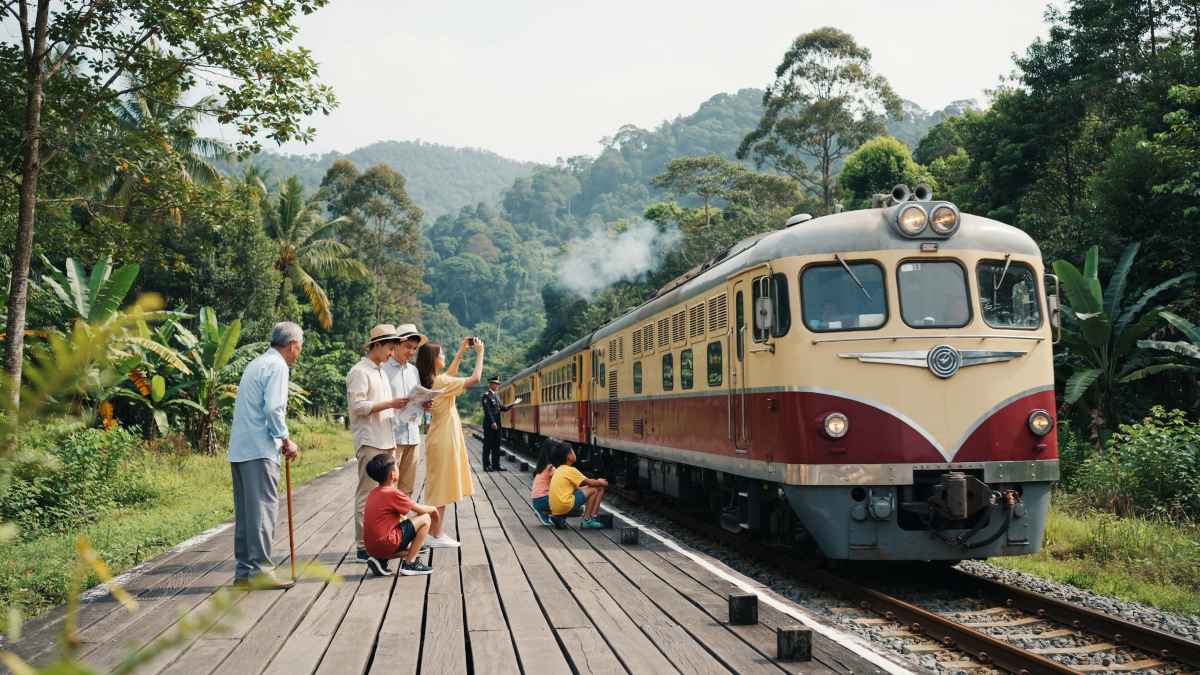
Image generated with Ai
Through phased infrastructure developments up until 2025 and 2026, Lenggong Valley is establishing itself as a destination of prehistoric heritage in Perak, thanks to improved facilities in archaeological excavations, preservation funds and easier access through the development of Malaysia’s Electric Train Service (ETS). These developments have made the UNESCO Lenggong Valley Archaeological Heritage site closer to Malaysia’s national railway system while at the same time providing new possibilities to visit areas of archaeological significance, cave systems and rural areas. The destination features the 11,000-year-old prehistoric remains referred to as Perak Man, which is one of the greatest prehistoric finds in Southeast Asia.
A multi-million-ringgit modernisation programme for the Lenggong Valley Archaeological Gallery is strengthening the visitor infrastructure surrounding the archaeological heritage area.
The gallery provides an important introduction to the valley’s prehistoric significance, with archaeological discoveries documenting human activity in the region over thousands of years. Improvements to the facility are intended to provide visitors with a stronger starting point before travelling into the wider heritage landscape.
The archaeological importance of Lenggong Valley is closely associated with evidence of prehistoric human occupation, including stone tools, burial sites and caves that form part of the area’s heritage resources.
Advertisement
Advertisement
For travellers, the improved gallery can serve as a central point for understanding the archaeological sites before joining guided excursions into surrounding areas.
The discovery of Perak Man remains one of Lenggong Valley’s defining attractions. The approximately 11,000-year-old skeleton provides evidence of early human life in the region and has become a central element of the valley’s international heritage profile.
The archaeological significance of the remains gives Lenggong a distinctive tourism proposition compared with Malaysia’s better-known urban and coastal destinations.
Visitors can combine the archaeological gallery with guided experiences focused on caves, prehistoric landscapes and surrounding heritage areas, creating a tourism itinerary centred on human history rather than conventional city sightseeing or beach holidays.
Advertisement
Advertisement
Expanded Electric Train Service connectivity is adding an important transport dimension to Lenggong Valley’s tourism development.
Rail travel provides visitors with a lower-carbon alternative to travelling entirely by private vehicle while creating connections between major Malaysian destinations and inland areas of Perak. Travellers arriving through the national rail network can use onward ground transportation to reach Lenggong and explore the archaeological valley.
The improved connectivity also supports the development of multi-stop itineraries across Perak. Instead of concentrating trips around established urban destinations such as Ipoh, travellers can incorporate Lenggong into journeys focused on heritage, nature and rural communities.
This creates greater flexibility for domestic and international visitors planning cultural tourism routes through northern Peninsular Malaysia.
Guided cave-trail networks are another part of the destination’s tourism development. Lenggong Valley’s caves are closely connected to its archaeological story, making them important components of the visitor experience.
Organised trails can allow travellers to explore the physical landscapes associated with prehistoric discoveries while providing structured access to heritage locations.
The development of guided experiences also creates opportunities to connect archaeological interpretation with walking routes and nature-based tourism. Visitors can therefore experience the valley through both its cultural heritage and its surrounding landscapes.
Village-run heritage homestays are adding accommodation options outside conventional hotels and resorts.
These community-based properties allow visitors to stay within rural communities while using Lenggong as a base for archaeological excursions and wider exploration of Perak. Homestays can also support local participation in tourism by connecting accommodation spending directly with village economies.
For travellers, staying locally makes it possible to spend more time in the destination rather than treating Lenggong Valley as a brief excursion from a larger city.
The combination of homestays, guided cave trails and archaeological attractions is consequently creating a more complete rural tourism experience.
Valley preservation funding from Budget 2026 has been contributing towards the ongoing preservation and development of the valley’s archaeological resources amid the growth of tourism infrastructure. The new tourism model combines heritage preservation efforts and transportation services for visitors, accommodation and tours. This enables the Lenggong Valley to develop into a unique cultural destination within the Malaysian tourism industry. For tourists passing through Perak, the Lenggong Valley gives them access to the heritage of prehistory, archaeological museums, cave landscapes, and village tourism all in one destination. With the improvement of infrastructure up to 2026, the closer connection between the Lenggong Valley and the Malaysian ETS railway system will give visitors better access to one of the key prehistoric landscapes of the country.
Advertisement
Tags: archaeological tourism Malaysia, Electric Train Service Malaysia, ETS rail Malaysia, Lenggong, Lenggong Valley, Lenggong Valley Archaeological Gallery, Lenggong Valley caves, Lenggong Valley tourism, malaysia, Perak, Perak Man, perak tourism, prehistoric tourism Malaysia, UNESCO World Heritage Site Malaysia
Advertisement
Advertisement













Saturday, September 5, 2026

Friday, September 4, 2026

Saturday, September 5, 2026

Saturday, September 5, 2026

Saturday, September 5, 2026

Thursday, September 3, 2026

Saturday, September 5, 2026

Saturday, September 5, 2026


