 Angana Dutta Angana Dutta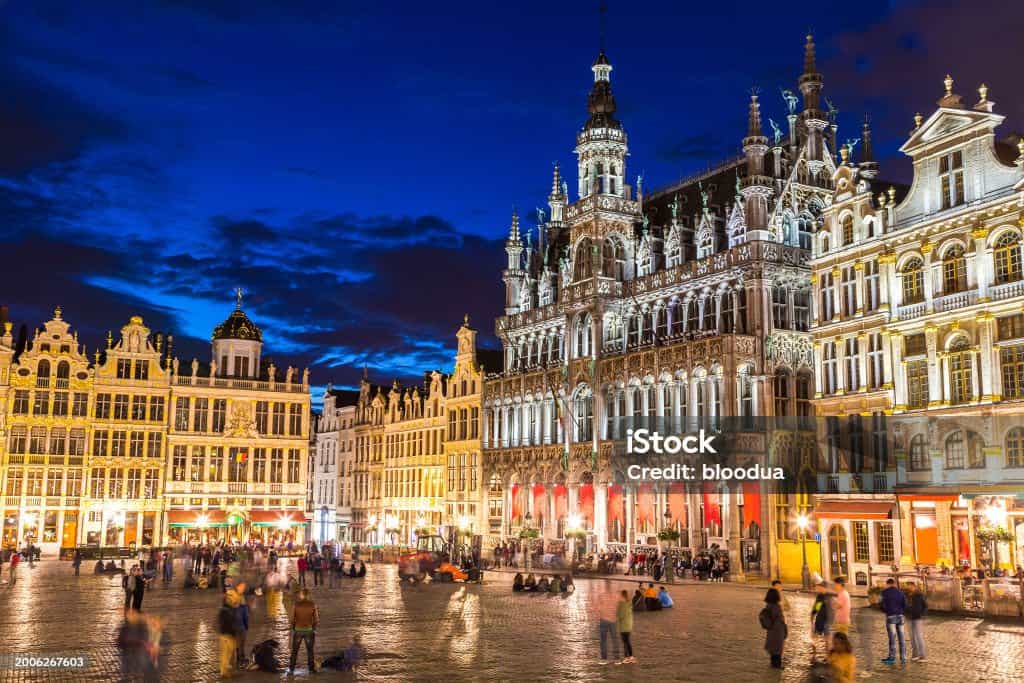
Tourism in Brussels is about to get a lot more cultured. With the month of September becoming a hub for art, heritage, and adventure in the capital, Belgium is shining a new light on the already existing creative experiences in the city. Brussels is also hosting RendezVous 2026 – Brussels Art Week. This event brings together 80 galleries, institutions, and artist-run spaces. This has given visitors the ability to engage with contemporary art all while expanding the cultural reach of the capital. Along with the tourism recovery and the focus on culture in Brussels, the September programming strategy shows Belgium leads the Eurozone in using Heritage and Creativity to draw tourists. (Visit Brussels)
Brussels is preparing to welcome travellers with a September calendar focused on art, design and heritage discovery. The Belgian capital is moving beyond traditional sightseeing by creating opportunities for visitors to explore galleries, private collections, cultural institutions and creative neighbourhoods.
The main attraction is RendezVous 2026 – Brussels Art Week, an annual cultural event that brings together the city’s contemporary art ecosystem. According to Visit Brussels, the event connects galleries, public institutions, private foundations, auction houses and artist-run initiatives across the city. (Visit Brussels)
The 2026 edition will allow visitors to explore more than 80 venues during four days of exhibitions, events and cultural programmes. The initiative reflects Brussels’ long-standing identity as a European centre for creativity, combining historic artistic traditions with emerging contemporary movements. (Visit Brussels)
Advertisement
Advertisement
For travellers, the event creates a different way to experience Brussels. Instead of following only the city’s famous landmarks, visitors can discover smaller galleries, creative districts and cultural spaces that are often outside the usual tourist routes.
Brussels has built its tourism identity around a mix of heritage, architecture, food culture and international institutions. The city is known for landmarks such as the Grand Place, Art Nouveau buildings and museums connected to Belgian artistic movements.
However, the capital has increasingly focused on cultural tourism as a way to extend visitor stays and encourage exploration beyond major attractions.
The city’s art scene has deep historical roots. Brussels has been connected with important artistic movements for more than a century, including surrealism and modern European design.
Advertisement
Advertisement
The September cultural programme builds on this background by connecting historic spaces with contemporary creators.
RendezVous 2026 – Brussels Art Week includes participation from galleries, museums, foundations and independent creative spaces. The programme features established institutions as well as smaller artist-led locations, giving visitors access to a wider cultural landscape. (Visit Brussels)
This approach supports a growing tourism trend across Europe where travellers increasingly seek authentic local experiences, cultural discovery and access to places that are not part of standard sightseeing packages.
The expansion of cultural tourism comes as Brussels continues to rebuild and strengthen its visitor economy.
Official figures from Statbel, Belgium’s statistical office, show that Belgian tourist accommodation recorded 46.1 million overnight stays in 2025, an increase of around 2.9% compared with 2024. The figures confirmed that tourism activity had moved above pre-pandemic levels. (statbel.fgov.be)
The Brussels-Capital Region recorded more than 7.4 million overnight stays in 2025, according to Statbel data. International visitors remained an important part of the market, contributing more than 5.6 million non-resident overnight stays. (statbel.fgov.be)
| Indicator | Official data |
|---|---|
| Total Belgian overnight stays | 46.1 million |
| Growth compared with 2024 | +2.9% |
| Brussels-Capital Region overnight stays | 7.4 million |
| Brussels non-resident overnight stays | 5.6 million |
| Source | Statbel |
Brussels has also maintained a strong cultural visitor base. The annual report from Visit Brussels recorded around 9.63 million overnight stays in Brussels tourism accommodation in 2025, while museums and attractions welcomed millions of visitors during the year. (Visit Brussels)
These figures show why cultural events have become an important part of the city’s tourism planning.
The September programme is not limited to Brussels Art Week. The city is creating a wider cultural season with exhibitions, design events and public activities.
According to Visit Brussels, autumn programming includes events such as Brussels Design Week, Brussels Art Square and other creative gatherings across different neighbourhoods. (Visit Brussels)
One major visitor attraction is the city’s ability to combine multiple experiences in a short trip.
A traveller visiting Brussels in September can explore:
The city also promotes sustainable movement through initiatives such as Car-Free Sunday, when Brussels becomes more accessible for pedestrians and cyclists across the region. (Visit Brussels)
This creates a more relaxed environment for visitors exploring cultural locations throughout the city.
Modern travellers are increasingly interested in places that provide deeper connections with local culture.
Brussels is responding by highlighting spaces that are less visible internationally but important for understanding the city’s creative identity.
The 80-plus venues involved in Brussels Art Week include galleries, foundations, institutions and artist-run spaces. These locations allow visitors to experience different parts of the city’s cultural network. (Visit Brussels)
The strategy supports destination management goals by encouraging visitors to move beyond crowded attractions.
Smaller cultural venues can benefit from increased visitor flows. Local businesses, restaurants, hotels and transport providers can also gain from longer stays and wider visitor movement.
Cultural tourism therefore becomes not only an artistic programme but also an economic opportunity for different parts of the city.
Brussels’ tourism development is supported by visit.brussels, the official promotional and communications agency of the Brussels-Capital Region.
The organisation focuses on strengthening Brussels as a destination for tourism, culture and events while improving visitor experiences. (Visit Brussels)
The city’s tourism strategy includes several priorities:
The annual tourism reporting system used by visit.brussels combines information from tourism operators, museums, attractions and official statistical sources to measure destination performance. (Visit Brussels)
This data-driven approach helps Brussels plan future tourism activities based on visitor demand and market performance.
Cultural events such as Brussels Art Week create benefits across the wider tourism industry.
Hotels can gain from increased demand during major cultural periods. Visitors attending exhibitions and events often stay multiple nights, creating additional spending in accommodation, restaurants and retail.
The aviation sector also benefits from stronger destination appeal. Brussels Airport remains a key gateway for international travellers arriving in Belgium.
For tour operators, cultural programmes provide opportunities to create specialised packages focused on art, architecture, museums and heritage.
Local businesses can also benefit because visitors exploring different neighbourhoods are more likely to spend money outside traditional tourist areas.
The growth of cultural tourism supports a more balanced visitor economy where benefits reach a wider range of communities.
Travellers planning a Brussels visit in September can expect a busy cultural calendar.
Visitors should consider:
The Brussels Art Week programme is designed across multiple locations, meaning visitors may need to travel between different galleries and institutions. (Brussels)
The city’s compact size and public transport network make it easier for travellers to combine several cultural experiences in one trip.
Cultural tourism has become an important contributor to Brussels’ visitor economy. Events that attract international travellers create benefits beyond museums and galleries. They support hotels, restaurants, transport operators, retail businesses and creative industries.
The Brussels-Capital Region has a strong service-based economy where tourism plays a significant role. Visitors arriving for cultural events contribute through accommodation spending, dining, shopping and participation in local activities.
According to Statbel, tourism accommodation activity in Belgium reached record levels in 2025, showing continued demand from both domestic and international travellers. Brussels remained one of the country’s leading destinations because of its international institutions, cultural attractions and business events. (Statbel)
Cultural events such as RendezVous 2026 – Brussels Art Week strengthen this economic ecosystem by encouraging visitors to explore multiple areas of the city.
A visitor attending an art event may also:
This wider spending pattern helps distribute tourism income across different sectors.
Brussels’ cultural tourism approach also supports the city’s creative economy.
The participation of more than 80 galleries and cultural locations creates visibility for artists, curators and independent creative organisations.
Small cultural businesses often depend on visitor engagement. Increased international attention can help galleries build new audiences and strengthen connections with collectors, institutions and cultural professionals.
The city’s approach also supports neighbourhood tourism. Visitors who move beyond major landmarks discover different districts with their own architectural styles, cafés, studios and local businesses.
This supports a more balanced tourism model where visitor activity is spread across the city rather than concentrated only around famous attractions.
Brussels’ ability to attract international cultural travellers depends heavily on transport connectivity.
Brussels Airport remains Belgium’s main international gateway, connecting the capital with destinations across Europe and global markets.
The airport handled millions of passengers annually before and after the pandemic recovery period, supported by a wide network of European and long-haul routes.
For international visitors attending September cultural events, airport connectivity provides direct access to the city.
Brussels also benefits from strong rail connections. High-speed rail services link the capital with major European cities, including Paris, London, Amsterdam and Cologne.
This makes Brussels suitable for short cultural breaks and multi-city European itineraries.
Travellers can combine Brussels with neighbouring destinations while using lower-carbon rail connections for regional journeys.
Tourism demand is changing across Europe. Many travellers are looking for experiences that provide a stronger connection with local communities.
Traditional sightseeing remains important, but cultural discovery has become a major factor influencing destination choices.
Brussels benefits from this trend because the city offers a combination of:
The September art programme reflects this shift by creating opportunities for visitors to experience the city through local creative networks.
Instead of focusing only on famous landmarks, visitors can discover galleries, exhibitions and cultural spaces that reveal another side of Brussels.
The Brussels-Capital Region and visit.brussels have increasingly focused on sustainable destination management.
The objective is to encourage tourism growth while maintaining quality of life for residents.
Key areas include:
The region’s tourism policies aim to make Brussels attractive for visitors while ensuring tourism contributes positively to residents and businesses.
Cultural tourism fits within this approach because it encourages slower exploration and wider movement across the city.
Future tourism development in Brussels will continue to depend on official strategies, cultural investment and visitor demand.
The city’s published tourism plans focus on strengthening Brussels as a destination for culture, events, meetings and leisure travel.
The continued development of cultural programmes such as Brussels Art Week supports these objectives by creating reasons for visitors to travel outside peak summer periods.
September has become an important month because it combines pleasant travel conditions with a strong calendar of cultural activities.
Based on official tourism strategies, Brussels will continue promoting diverse experiences that connect heritage, creativity and sustainable visitor growth.
The focus remains on improving visitor experiences while supporting the city’s cultural ecosystem.
Brussels Art Week is a cultural event that connects galleries, institutions, foundations and creative spaces across Brussels. The 2026 edition features more than 80 participating venues, allowing travellers to explore contemporary art and discover lesser-known cultural locations across the city.
September is an attractive period for cultural travellers because Brussels hosts several art, design and heritage events. Visitors can experience exhibitions, galleries and creative programmes while enjoying the city’s historic attractions.
Visitors can use Brussels’ public transport network, walking routes and cycling options to move between cultural locations. Planning ahead and checking official event schedules can help travellers make the most of multi-location programmes.
Brussels is modernizing its tourism by strengthening its capital as a cultural destination through the many exciting events scheduled for September, including Brussels Art Week. Brussels Art Week has 80+ different venues and includes heritage spaces and creative communities, as well as the support of local businesses, hotels and surrounding neighborhoods. Official tourism numbers have shown Brussels is a major destination for visitors of Belgium’s economy, showing it is recovering. Brussels has a lot to offer both domestic and international travelers. With sustainable tourism, smart transport systems, and a focus on culture, travelers can experience the amazing destinations not visited and enjoyed in the past.
Advertisement
Tags: Belgium, Brussels, Heritage Access, Tourism news, Travel News
Advertisement
Advertisement












Friday, September 4, 2026

Friday, September 4, 2026

Friday, September 4, 2026

Friday, September 4, 2026

Thursday, September 3, 2026

Wednesday, September 2, 2026

Friday, September 4, 2026

Friday, September 4, 2026


