
Japan’s Booming Tokyo Tourism Industry Faces a Costly New Challenge as Skyrocketing Property Prices Put Hotels and Hospitality Jobs Under Pressure

Updated
Published
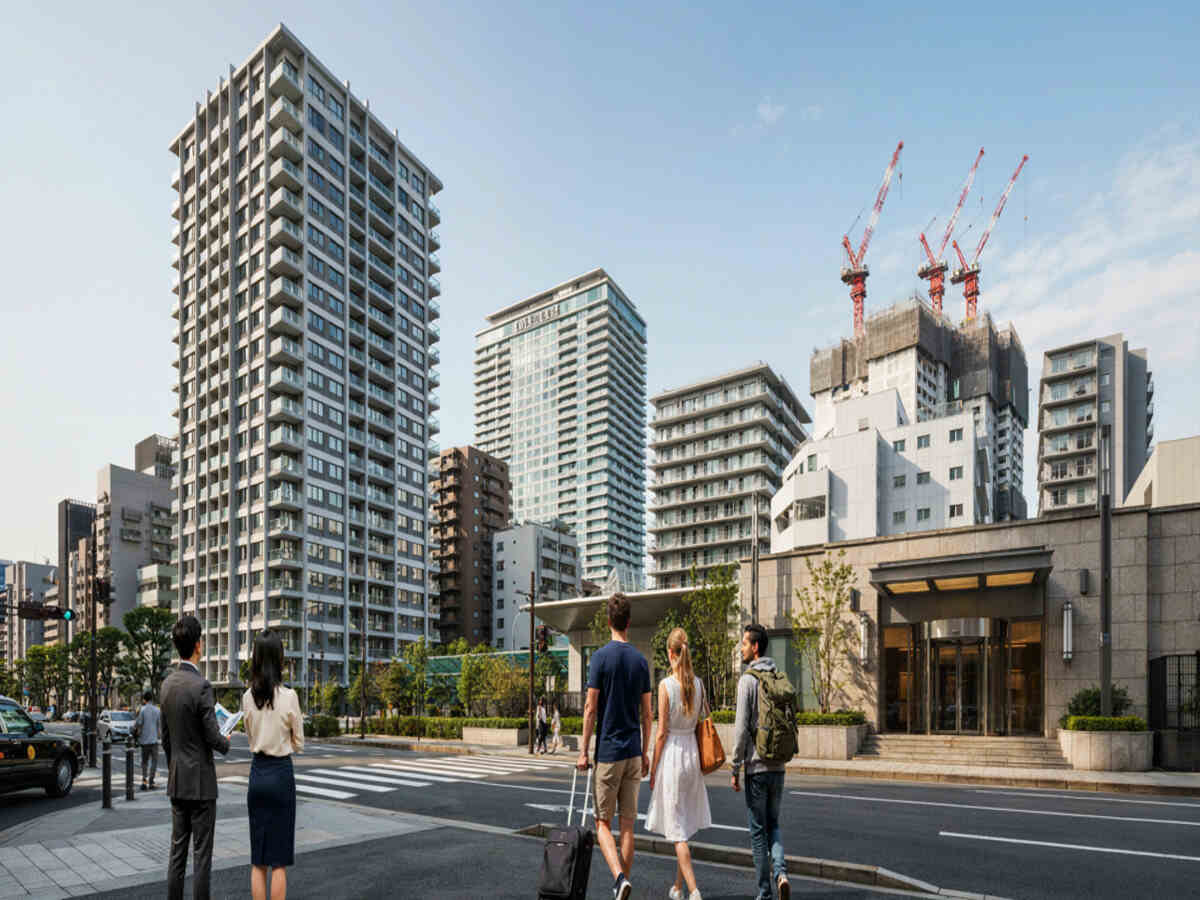
Japan’s tourism sector can experience new challenges related to high property prices in Tokyo, which make rentals, hotel construction, and housing for staff more expensive. The issue of housing affordability is becoming particularly acute for both investors and employees in the hospitality sector. Over the last decade, the price of apartments in the capital increased by almost two times, which makes the yield on real estate investments highly questionable. In parallel, Japan may impose higher taxes on the sale of real estate to cool down the market. Meanwhile, with Tokyo hosting millions of tourists per year, the situation in the local accommodation sector can affect the business of large hotel investors and limit the capital’s capacity.
With newly built apartment prices almost doubling over the past decade, the government is looking at tougher taxes on quick property sales. On 21 October 2026, Japan’s ruling Liberal Democratic Party began fresh discussions on the issue. Just a day earlier, figures showed that new apartments in Tokyo’s 23 wards cost an average ¥179.25 million between April and September, up 34.7% in a year. The proposed tax is not yet law. However, rising housing costs could heavily affect holiday rentals, hotel investment, and tourism jobs.
Advertisement
Advertisement
Tokyo’s Tourism Boom Meets a Stunning Housing Price Surge
Tokyo welcomed a record 28.65 million international visitors in 2025, up 15.6% from the previous year. Tourists brought more business to hotels, restaurants, and shops. Yet land prices continued to climb.
Official figures show that commercial land values in Tokyo’s 23 wards rose 13.3% in the year to July 2026. Residential land values increased 8.7%. Tourism is not the only reason; building costs and demand for homes also matter. Still, expensive land could dictate where visitors stay, how much investors spend on hotels, and where tourism workers can afford to live.
Advertisement
Advertisement
Holiday Rentals Face an Expensive Future in Japan
Many visitors prefer a rented flat to a hotel. Japan calls registered private holiday lodging minpaku. In Tokyo, 190,743 people stayed in these properties during June and July 2026, according to the Japan Tourism Agency.
However, owners face high purchase prices, cleaning expenses, repairs, and bills. National rules allow a registered minpaku home to host guests for no more than 180 days each year, with some areas imposing tighter limits.
Advertisement
Advertisement
These conditions make investment harder to plan. Owners might increase nightly prices or decide against opening new rentals, though these remain possible outcomes rather than confirmed market changes.
Japan Considers Tougher Taxes on Quick Property Sales
The ruling party’s discussions on 21 October focused on discouraging buyers who purchase apartments mainly to sell them quickly for profit. Japan already taxes profits from short-term property sales at approximately 40%, compared with around 20% on longer-held property. The party is considering a higher short-term tax burden.
While officials have not agreed on a new rate or implementation date, the connection with holiday rentals is clear. An investor hoping to earn tourist accommodation income before quickly reselling a flat might reconsider that strategy. Importantly, the proposed property tax does not directly target tourist bookings.
Tokyo’s New Tourism Tax Will Change Hotel Guest Bills
Tokyo has already approved a separate tourism tax change. From 1 April 2027, the city will charge a 3% accommodation tax on qualifying stays costing at least ¥13,000 per person per night. The revised system covers hotels, inns, and registered private lodgings.
For example, a qualifying ¥20,000 stay per person for one night would attract ¥600 in tax. Cheaper stays below the threshold remain exempt.
Tokyo plans to use tourism tax revenue to support visitor services. This measure is confirmed and differs entirely from the proposed higher tax on property resale profits.
Advertisement
Advertisement
Expensive Land Could Make New Hotels Harder to Build
Hotels need land, buildings, and workers. When land prices climb, opening a hotel becomes exponentially more expensive. In Taito Ward, which includes popular Asakusa, commercial land values rose by an average 19.6% in the year to July 2026.
High building costs create another challenge. Developers may consider smaller sites, turning existing buildings into hotels or focusing on premium accommodation.
However, investors have not abandoned Japan. According to CBRE, hotel investment across Asia-Pacific reached US$8 billion during the first half of 2026, with Japan among the leading markets. Strong visitor demand continues to attract investment despite rising costs.
Hospitality Workers Face Growing Housing Pressure
Behind every hotel stay are workers who clean rooms, prepare meals, and welcome visitors. They also need affordable homes. Savills reported on 16 October that average rents in its Tokyo 23-ward survey increased 6% over the year to the third quarter of 2026, reaching ¥4,909 per square meter each month.
Simultaneously, the Japan Tourism Agency found that full-time accommodation workers nationwide earned approximately ¥4.13 million annually in 2025, compared with ¥5.46 million across all industries.
While these wage figures cover all of Japan and not Tokyo alone, they help explain why higher city rents could make hospitality employment harder to sustain.
Advertisement
Advertisement
Staff Shortages Could Affect Tokyo’s Tourist Experience
Japan’s hotels already struggle to find workers. A Japan Tourism Agency survey found that 72.2% of 522 accommodation businesses reported staff shortages between December 2025 and January 2026. High rents could create another major obstacle. Employees working late shifts may struggle with expensive homes or long commutes.
Hotels may need to increase wages, offer transport support, or provide staff accommodation. Visitors could eventually experience pressure on services if businesses cannot fill important roles.
Japan Considers Tougher Taxes on Quick Property Sales
The ruling party’s discussions on 21 October focused on discouraging buyers who purchase apartments mainly to sell them quickly for profit. Japan already taxes profits from short-term property sales at approximately 40%, compared with around 20% on longer-held property. The party is considering a higher short-term tax burden.
While officials have not agreed on a new rate or implementation date, the connection with holiday rentals is clear. An investor hoping to earn tourist accommodation income before quickly reselling a flat might reconsider that strategy. Importantly, the proposed property tax does not directly target tourist bookings.
| Key Market Indicator (Tokyo) | Reported Metric | Timeframe / Status |
|---|---|---|
| International Visitors | 28.65 million (+15.6%) | Full Year 2025 |
| New Apartment Prices (23 Wards) | ¥179.25 million (+34.7%) | April – September 2026 |
| Commercial Land Values | +13.3% | Year to July 2026 |
What Does Japan’s Property Crisis Mean for Tokyo Tourism?
Tokyo now faces two important needs. Visitors require safe and comfortable places to stay. Residents and hotel workers need homes they can afford.
Japan has not finalised higher taxes on quick property resales. Meanwhile, Tokyo’s confirmed accommodation tax begins in April 2027. Travellers should check the full price before booking eligible accommodation.
Advertisement
Advertisement
Tokyo now faces two competing needs: visitors require safe and comfortable places to stay, while residents and hotel workers need homes they can afford. While Japan has not finalized higher taxes on quick property resales, Tokyo’s confirmed accommodation tax begins in April 2027. Travellers should verify final pricing structures before booking eligible accommodation in the coming years.ry.
Advertisement
