
South Korea Surpasses Fifteen Million Foreign Visitors as K-Culture and New Travel Experiences Drive Tourism Boom: All You Need to Know

Published
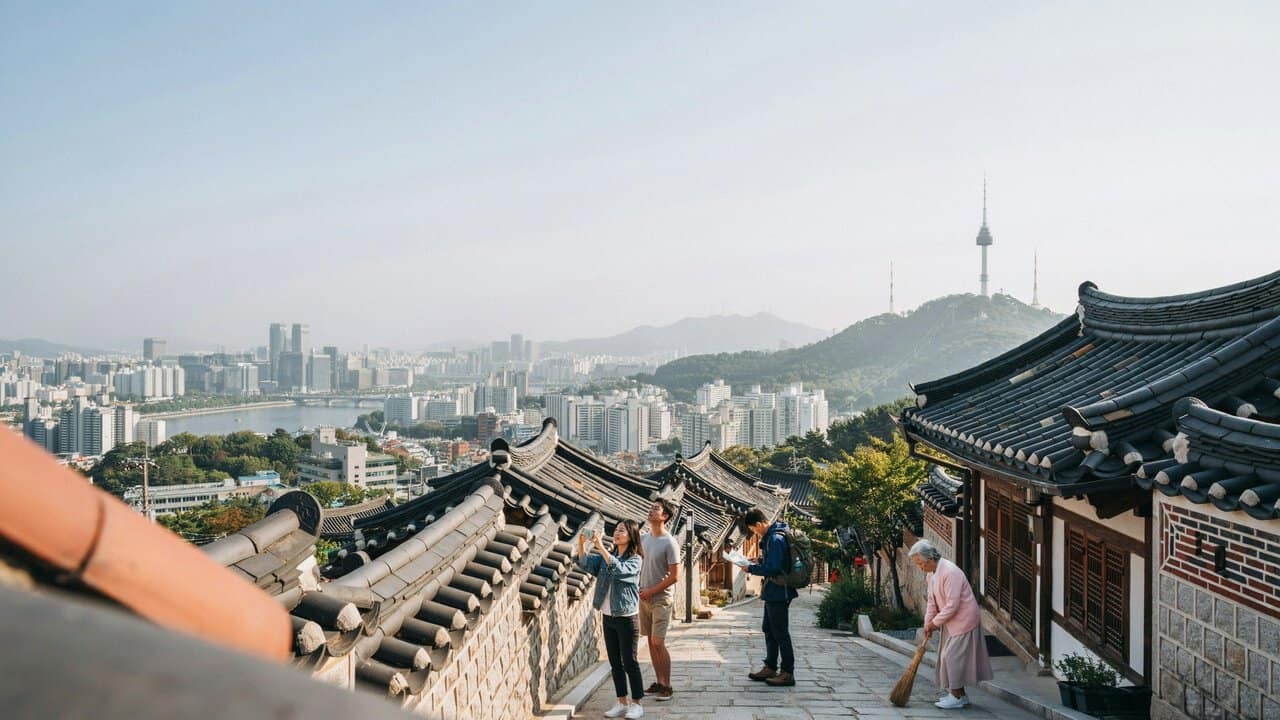
South Korea is strengthening its position as one of Asia’s most influential travel destinations as millions of international visitors return to explore its culture, technology, cuisine and iconic landscapes. The country’s inbound tourism sector has recorded remarkable growth, supported by the worldwide popularity of Korean entertainment, improved connectivity and expanding tourism experiences beyond major cities.
The latest visitor growth highlights South Korea’s transformation from a traditional urban tourism destination into a multi-dimensional travel hub offering heritage journeys, wellness escapes, food tourism, luxury experiences and immersive cultural activities.
Advertisement
Advertisement
South Korea welcomed more than 15 million foreign tourists by August, reflecting the continued acceleration of international travel demand. The country had already achieved a major tourism recovery milestone, recording 16.37 million foreign visitors in 2024, representing a strong rebound towards pre-pandemic levels
The growth has been supported by increasing interest from Asian markets, long-haul travellers and visitors attracted by the global influence of Korean culture.
Advertisement
Advertisement
South Korea’s International Visitor Growth Highlights Strong Tourism Recovery
South Korea’s tourism industry has moved beyond simple recovery and entered a new expansion phase. International arrivals have increased steadily as travellers seek authentic cultural experiences, entertainment-inspired journeys and technology-driven tourism services.
The country’s tourism performance has been strengthened by:
Advertisement
Advertisement
| Tourism Growth Driver | Impact on Travel Demand |
|---|---|
| Korean Wave (K-pop, K-dramas and films) | Increased global interest in Korean destinations |
| Cultural heritage | Attracted visitors to palaces, temples and historic cities |
| Smart tourism services | Improved convenience through digital travel platforms |
| Regional destination development | Encouraged visitors to explore beyond Seoul |
| Airline connectivity | Increased accessibility from international markets |
South Korea’s tourism authorities have focused on expanding visitor experiences across different regions instead of concentrating travel demand only around Seoul. This approach has encouraged travellers to discover destinations such as Busan, Jeju Island, Gyeongju and coastal areas.
Seoul Remains the Global Gateway While Regional Destinations Gain Attention
Seoul Expands Its Position as Asia’s Cultural Travel Capital
Seoul continues to serve as the primary entry point for international visitors. The capital city combines modern architecture, shopping districts, historic attractions and entertainment experiences that attract travellers from around the world.
Advertisement
Advertisement
Visitors are drawn to destinations including:
| Destination | Travel Attraction |
|---|---|
| Gyeongbokgung Palace | Royal history and traditional Korean architecture |
| Bukchon Hanok Village | Traditional neighbourhood experiences |
| Myeongdong | Shopping, beauty and street food |
| Hongdae | Youth culture, music and entertainment |
| Namsan Seoul Tower | City views and sightseeing |
The city’s connection with Korean entertainment has created new tourism patterns, with many international visitors building itineraries around filming locations, music-related attractions and cultural experiences.
Busan Creates New Coastal Tourism Opportunities
Busan has emerged as one of South Korea’s strongest alternative destinations. The coastal city combines beaches, seafood markets, cultural attractions and scenic landscapes.
Key attractions include:
Advertisement
Advertisement
| Location | Experience |
|---|---|
| Haeundae Beach | Coastal leisure tourism |
| Gamcheon Culture Village | Art and heritage experiences |
| Jagalchi Market | Seafood and local cuisine |
| Haedong Yonggungsa Temple | Ocean-side cultural tourism |
Busan’s growing international recognition has supported South Korea’s strategy of distributing tourism benefits across multiple regions.
Jeju Island Strengthens Nature and Wellness Tourism
Jeju Island continues to attract travellers seeking outdoor experiences, relaxation and nature-based tourism.
The island offers:
- Volcanic landscapes
- UNESCO-listed natural attractions
- Coastal routes
- Hiking experiences
- Wellness retreats
- Local food tourism
Jeju provides an alternative to city tourism by offering slower travel experiences connected with nature and sustainability.
Korean Culture Becomes a Major Force Behind International Travel Growth
The global popularity of Korean culture has become one of the strongest contributors to South Korea’s tourism expansion.
The Korean Wave has created new travel motivations among international visitors who want to experience:
Advertisement
Advertisement
- K-pop culture
- Korean drama locations
- Traditional performances
- Beauty and skincare experiences
- Korean cuisine
- Fashion and shopping
South Korea has successfully converted cultural popularity into tourism demand by creating travel products connected with entertainment, food and lifestyle experiences.
The influence of Korean culture has helped attract younger travellers while also encouraging repeat visits from international tourists.
China, Japan and Regional Markets Continue Supporting Visitor Growth
South Korea’s tourism recovery has been supported by visitors from neighbouring Asian markets, which remain important sources of international arrivals.
| Market | Importance for South Korea Tourism |
|---|---|
| China | One of the largest visitor markets |
| Japan | Strong short-haul travel demand |
| Taiwan | Growing leisure tourism market |
| United States | Important long-haul market |
| Southeast Asia | Expanding tourism contribution |
Earlier tourism recovery data showed strong growth from China, Japan, Taiwan and Western markets, demonstrating a broad-based return of international travel demand.
South Korea Expands Smart Tourism and Digital Travel Experiences
Technology has become a central part of South Korea’s tourism development strategy.
Travellers increasingly benefit from:
Advertisement
Advertisement
- Digital travel information platforms
- Mobile-based tourism services
- Multilingual travel assistance
- Smart destination systems
- Digital payment options
The country’s advanced technology infrastructure supports smoother visitor experiences, making it attractive for international travellers looking for convenient and connected journeys.
Tourism Growth Supports Hotels, Airlines, Retail and Local Businesses
The increase in foreign arrivals is creating wider economic opportunities across South Korea’s travel ecosystem.
The benefits extend to:
| Sector | Tourism Impact |
|---|---|
| Airlines | Higher international passenger demand |
| Hotels | Increased occupancy opportunities |
| Restaurants | Growth in foreign visitor spending |
| Retail | Strong demand for shopping experiences |
| Local attractions | Increased regional tourism activity |
Cruise tourism has also shown strong improvement, with major ports including Jeju, Busan and Incheon benefiting from increased international cruise activity.
South Korea’s Future Tourism Vision Focuses on Longer Stays and Wider Exploration
While visitor numbers remain a major measure of tourism performance, South Korea is increasingly focusing on improving the quality of travel experiences.
Future priorities include:
Advertisement
Advertisement
- Encouraging longer visitor stays
- Promoting regional destinations
- Developing sustainable tourism
- Expanding premium travel experiences
- Creating personalised tourism products
The goal is to transform visitors from short-term tourists into deeper explorers who experience more regions and contribute more widely to local economies.
Frequently Asked Questions
1. Why is South Korea becoming more popular among international travellers?
South Korea’s popularity is increasing due to the global influence of K-pop, Korean dramas, food culture, technology, shopping and unique heritage experiences.
2. Which South Korean destinations should international visitors explore beyond Seoul?
Travellers can explore Busan for coastal experiences, Jeju Island for nature tourism, and Gyeongju for history and heritage.
3. Is South Korea suitable for first-time Asia travellers?
Yes. South Korea offers modern infrastructure, efficient transport networks, digital services and diverse attractions suitable for first-time visitors.
4. What makes Korean culture important for tourism growth?
Korean culture has created global interest in visiting filming locations, attending entertainment events, experiencing Korean cuisine and exploring local lifestyles.
5. What is the future outlook for South Korea tourism?
South Korea is focusing on sustainable growth by attracting more international visitors, expanding regional tourism and developing more personalised travel experiences.
South Korea’s rise as a global travel destination reflects a powerful combination of cultural influence, modern infrastructure and diverse tourism opportunities. With millions of visitors arriving each year, the country is entering a new chapter where traditional heritage and future-focused travel experiences come together to reshape tourism across Asia.
Advertisement
