
Finland Joins Botswana, Rwanda, Dominica, Costa Rica, Sri Lanka, Peru, and More as the World’s Top New Trending Destinations for 2026–27, Leading the Charge in Sustainable Travel, Eco-Tourism, and Unforgettable Natural Wonders

Published
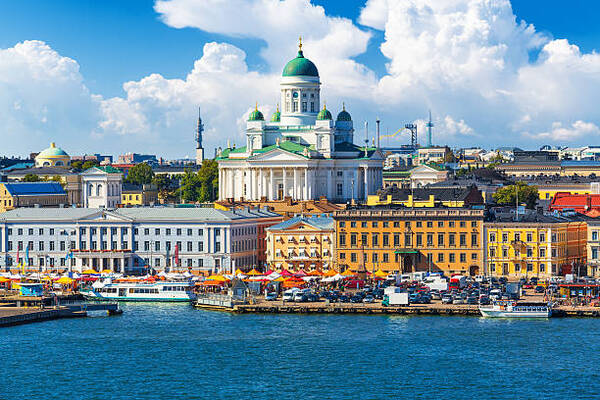 Image generated with Ai
In 2026, Finland joins a rising wave of destinations such as Botswana, Rwanda, Dominica, Costa Rica, Sri Lanka, Peru, and many others, capturing the spotlight for their sustainable tourism practices. These countries are emerging as leaders in eco-conscious travel, offering travelers the chance to explore nature, culture, and wildlife in responsible ways. From the serene landscapes of Finland to the wildlife-rich safaris in Botswana and Rwanda, each destination brings its unique charm. Whether it’s the untouched beaches of Dominica, the vibrant culture of Peru, or the lush rainforests of Costa Rica, these nations are setting new standards for travel that protect the environment while providing unforgettable experiences.
As global tourism surges beyond pre-pandemic levels, 2026–27 promises to be a landmark period for international travel. The spotlight is no longer just on traditional hotspots but on countries that fuse robust infrastructure with an emphasis on sustainability, culture, and nature. From the vibrant streets of Japan to the untamed beauty of Rwanda, here are the most trending travel destinations for the upcoming years.
Japan: A Seamless Fusion of Tradition and Modernity
Japan remains at the top of many travel wish lists, and for good reason. With its world-class infrastructure, including high-speed rail and efficient public transportation, Japan offers one of the most seamless travel experiences globally. Its appeal extends far beyond the urban wonders of Tokyo and Kyoto, drawing visitors to rural regions for cherry blossom seasons, autumn foliage, and serene retreats. Japan’s investment in sustainable tourism has also enhanced its reputation, with initiatives like local rail passes and eco-conscious tourism in lesser-known prefectures adding to its allure.
Travelers in 2026–27 will increasingly opt for multi-region itineraries, discovering the lesser-visited corners of the country, thanks to improved air connectivity and affordability, especially for travelers from neighboring markets benefiting from the strong yen.
Advertisement
Advertisement
South Korea: Rising as a Cultural and Nature Hub
South Korea is emerging as a standalone destination, carving its own path in the world of tourism. Fueled by the global fascination with K-pop culture, South Korea is now attracting travelers with its perfect blend of modern urban experiences and natural beauty. The Dongseo Trail, highlighted by National Geographic, exemplifies the country’s growing outdoor appeal, with new hiking routes and infrastructure enhancing its tourism appeal.
Jeju Island is especially catching the eye of eco-conscious travelers with its commitment to sustainable tourism and promotion as a nature destination. With improved air links and growing interest in wellness travel, South Korea is poised to be one of Asia’s key growth markets for travel.
Advertisement
Advertisement
Peru: Rediscovering the Andean Mystique
Peru’s tourism recovery is taking on new dimensions in 2026, with a shift toward regenerative tourism. While Machu Picchu remains the primary draw, the country is expanding its appeal to include the lesser-known northern regions and the Amazon, emphasizing Peru’s diverse offerings. The government’s focus on sustainable visitor management at key archaeological sites, combined with improved domestic travel infrastructure, is reshaping the country’s tourism offerings. Peru is now positioning itself as a longer, deeper destination for cultural, culinary, and adventure tourism, ensuring that travelers can explore beyond the usual routes.
Finland: A Model for Low-Impact, Nature-Centric Travel
In Europe, Finland stands out as a flagship destination for 2026–27, thanks to its commitment to low-impact, nature-first tourism. The country’s mix of aurora borealis viewing, summer lake districts, and design-driven cities is gaining significant traction, especially as Oulu is named a European Capital of Culture. Finland’s vast national parks, supported by efficient rail networks, encourage slow travel, allowing visitors to disconnect in remote cabins and enjoy the pristine beauty of the country at a relaxed pace.
For travelers looking to immerse themselves in nature without sacrificing comfort, Finland offers the perfect balance. Its growing appeal among sustainability-conscious travelers marks it as a must-visit destination in the coming years.
Sri Lanka: A Compact and Affordable Gem
Sri Lanka is experiencing a tourism revival in 2026, with its combination of rich cultural heritage, wildlife, and beaches continuing to attract visitors. The country offers an affordable and accessible long-haul destination for international travelers. With improved political stability and better air connectivity, Sri Lanka is positioning itself as a high-value destination for eco-conscious travelers looking for authentic experiences. Community-based stays and eco-certified properties are also contributing to its growing reputation as a sustainable travel destination.
Dominica: The Caribbean’s Nature Island
Dominica, known as the “Nature Island,” has become a rising star in Caribbean tourism for 2026. With its volcanic peaks, hot springs, and rainforests, the island is gaining attention for its focus on sustainability and low-density development. The island’s tourism strategy centers around eco-friendly boutique resorts and conservation efforts, including the creation of a sperm-whale reserve. Non-stop flights from North America and the island’s growing accessibility are helping make Dominica a top choice for nature lovers and eco-tourists.
Botswana: A Benchmark for Luxury Safari Tourism
Botswana continues to be celebrated as a leader in high-end, low-impact safari tourism. The Okavango Delta and other wildlife reserves are protected by strict visitor caps, ensuring that travelers can experience uncrowded wildlife viewing while supporting conservation efforts. The country’s commitment to sustainable tourism, with conservation funding from lodge operations, offers a meaningful and impactful travel experience. For 2026–27, Botswana is being marketed as a once-in-a-lifetime experience, where travelers can enjoy the very best of Africa’s wildlife while contributing to its preservation.
Advertisement
Advertisement
Rwanda: A Safe and Organised Gateway to East Africa
Rwanda is one of East Africa’s most promising destinations, especially for travelers interested in wildlife and sustainability. The country’s government-backed conservation efforts, along with improvements in air connectivity, make it a leading choice for those looking to experience both savannah wildlife in Akagera National Park and mountain gorillas in Volcanoes National Park. Kigali’s reputation as a clean, modern capital adds to Rwanda’s appeal, positioning it as a safe and organized destination for first-time visitors to East Africa.
Albania: Europe’s Last Mediterranean Secret
Albania’s rise as a top European destination for 2026 is fueled by its unspoiled landscapes and relatively low-cost appeal. With wild beaches, mountain scenery, and Ottoman-era towns like Berat and Gjirokastër, Albania is quickly becoming a must-visit location for those seeking an authentic Mediterranean experience. As new routes and investments in tourism infrastructure make it more accessible, Albania is poised to transition from a hidden gem to a mainstream destination.
Costa Rica: A Sustainability Poster Child
Costa Rica remains a top choice for nature-based tourism, particularly in the realm of eco-tourism. Its well-established reputation as a sustainability leader, with protected rainforests, wildlife, and volcanoes, makes it an ideal destination for eco-conscious travelers. Adventure activities such as hiking, surfing, and wildlife viewing are complemented by strong environmental policies and a focus on preserving the country’s natural resources.
Oman: The Middle East’s Cultural and Natural Haven
Oman continues to captivate travelers with its blend of rich culture and unspoiled landscapes. Unlike other Gulf states, Oman offers a quieter, more traditional form of luxury, with its low-rise architecture, protected wadis, and coastal beauty. The country’s slow luxury tourism model, focused on relaxation and authenticity, appeals to those looking to experience the Middle East in a more intimate and sustainable way.
How Travelers Can Benefit from These Trends
For travelers in 2026–27, the key takeaway from these emerging trends is to slow down and go deeper. Many of the most popular destinations for the coming years reward extended stays and multi-region travel. Also, while capitals remain important, the most exciting growth is happening in regional areas, made accessible by better transport and new experiences. Sustainability is also at the forefront, with destinations like Botswana, Dominica, and Finland linking tourism growth to conservation efforts and community impact.
These destinations provide the perfect mix of adventure, culture, and sustainability, ensuring that travelers can explore the world’s wonders while making a positive impact on the places they visit. Whether it’s the serene forests of Finland or the rugged beauty of Rwanda, 2026–27 promises to offer some of the most enriching travel experiences yet.
Advertisement
