
Indiana Holiday Markets Turn Indianapolis Into a Dazzling Handmade Gift Escape

Published
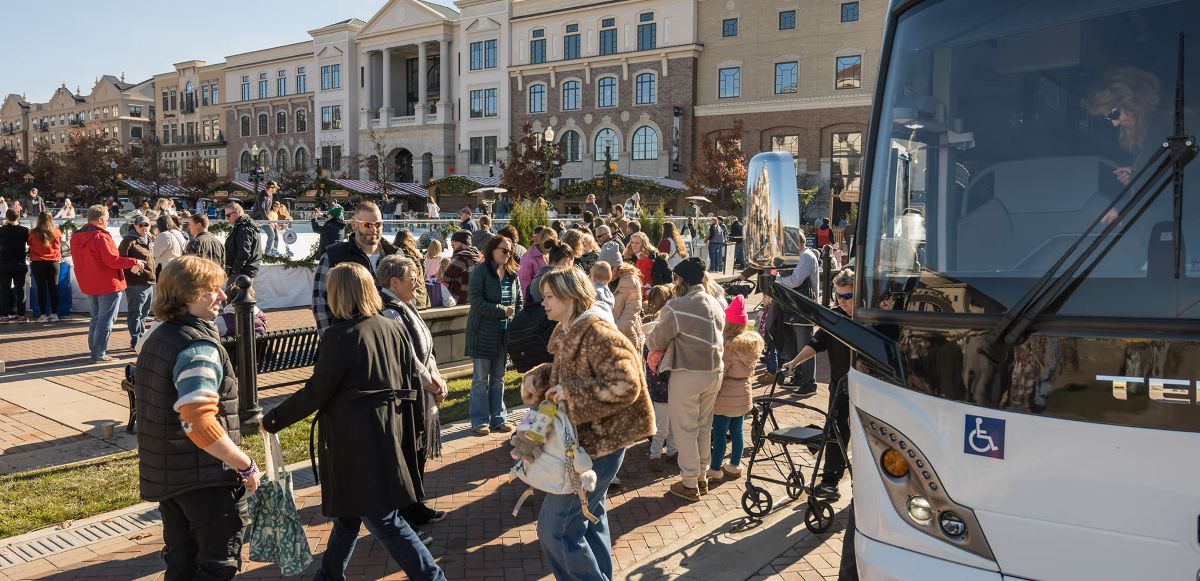
Image Credit: carmelchristkindlmarkt
Indianapolis is famous for fast cars, giant stadiums and roaring crowds. December shows another side of the city. The pace slows. Streets shine with lights. Historic spaces fill with warm food, handmade gifts and family events. Across Indianapolis and nearby Carmel, the holiday season turns one of Americas best-known sports cities into a winter shopping destination.
Advertisement
Advertisement
The change is easy to see. Visitors come for the Indianapolis 500, basketball, football and major conventions during much of the year. In December, they can arrive for Christmas markets, lights, museum displays and local makers. This gives the city a new reason to attract weekend travellers when the weather turns cold.
Carmel Brings a German Christmas Market to Indiana
The biggest draw is the Carmel Christkindlmarkt. Carmel sits just north of Indianapolis and is an easy trip from the city centre. The market runs from 21 November to 24 December 2026. It is free to enter and stands beside an outdoor ice rink.
Advertisement
Advertisement
Wooden huts line the market. They sell German food, warm drinks, Christmas decorations and gifts. Visitors can find nutcrackers, ornaments, wooden toys, pottery, jewellery, scarves and other small items that fit easily into a suitcase. This makes the market more than a place to eat and take photos. It is a place to buy something with a story.
The market is built around German Christmas traditions. Guests can try pretzels, raclette, sausages, potato dishes and sweet baked treats. Adults can enjoy Glühwein, while families can choose hot chocolate and other non-alcoholic drinks. The tall Glühwein Pyramid is one of its best-known sights. It rises 33 feet above the market and glows with thousands of lights.
Advertisement
Advertisement
Carmel Christkindlmarkt also gives visitors a closer look at craft. German artisans demonstrate skills such as woodworking and glassblowing. Children can make crafts, decorate cookies and write letters to Santa. This helps the market feel active. It is not only a row of stalls.
The event has grown into a major regional attraction since its launch in 2017. It has welcomed more than one million visitors. Its success shows how a well-planned market can bring people to a city during the quieter travel season.
Advertisement
Advertisement
The Athenaeum Adds Historic Character
Indianapolis itself has its own Christmas market story at the Athenaeum on Mass Ave. The Athenaeum is a landmark building with deep links to the city’s German-American history. Its Christkindlmarkt brings festive food, warm drinks, music and holiday storytelling into its historic Biergarten.
This market gives visitors a different mood from Carmel. Carmel feels open, polished and large. The Athenaeum feels more intimate and rooted in the city. It helps travellers see that Indianapolis has many cultural layers beyond sport.
The market is especially useful for visitors staying downtown. Mass Ave has restaurants, independent shops, theatres and bars. A traveller can visit the market, buy a small gift, have dinner and walk through one of the city’s liveliest neighbourhoods in a single evening.
The programme and dates can change each year. Visitors should check the latest calendar before travelling. Yet the larger point remains clear. Indianapolis is building a holiday offer that uses its history, neighbourhoods and local businesses.
Advertisement
Advertisement
Handmade Gifts Give the Season Real Value
Many Christmas destinations offer lights. Fewer give travellers a strong reason to shop locally. Indianapolis and Carmel do this well.
The gifts at the markets are not only souvenirs. They include working crafts, food products, ornaments and seasonal home items. Visitors can buy a hand-carved wooden piece, a German-style decoration, locally made jewellery or a special mug. These items carry more meaning than a standard airport gift.
This matters for tourism. Handmade shopping keeps more visitor spending close to artists, small producers and local shops. It also gives people a reason to spend more time in the destination. A visitor who comes for a light display may stay one hour. A visitor who comes to browse, eat, skate and shop may stay all day or all weekend.
A Full December Weekend Beyond the Markets
The markets work because they are part of a much larger holiday scene. Monument Circle becomes a key gathering point when the Soldiers and Sailors Monument shines with thousands of lights. The display gives downtown a dramatic Christmas centrepiece.
Newfields offers Winterlights, where visitors walk through glowing gardens. The Indiana Historical Society presents Festival of Trees. The Eiteljorg Museum brings out Jingle Rails, a detailed model railway journey. The Indianapolis Zoo hosts its Christmas light experience. The Indiana State Museum adds family activities through Celebration Crossing.
These attractions help Indianapolis appeal to different travellers. Couples can enjoy lights and dining. Families can choose museums, trains, skating and Santa visits. Friends can build a weekend around markets, food and festive bars.
Advertisement
Advertisement
Indianapolis Finds Its Winter Travel Identity
Indianapolis will always be a major sports city. That image is powerful and deserved. But December proves the city has another story to tell.
It is a place where German traditions meet Midwestern makers. It is a place where old buildings, bright markets and large public attractions create a full winter break. Carmel Christkindlmarkt gives the region a major draw. The Athenaeum gives it heritage. Downtown lights and museums give it depth.
For travellers looking for more than a shopping mall in December, Indianapolis offers a surprising answer. Come for the handmade gifts. Stay for the city that knows how to turn winter into an event.
Santa Claus Indiana Builds a Powerful Year Round Christmas Travel Economy
Santa Claus is not only a Christmas character in southern Indiana. It is the name of a real town. The town has a real post office, real homes, real streets and a real travel economy built around one of the most famous names in the world.
Santa Claus, Indiana, shows how a small place can turn history into a lasting tourism identity. It did not become famous because of a new marketing campaign. Its story began with a post office name in 1856. Over time, that name created letters, visitors, shops, attractions and a major family theme park.
Today, the town gives travellers something rare. Christmas is not simply a one-month event. It is part of the place all year.
Advertisement
Advertisement
A Postal Decision Changed the Town Forever
The community first tried to use the name Santa Fe when it applied for a post office. Officials rejected the application because another Indiana place already had a similar name. The new name approved for the post office was Santa Claus. The post office opened on 21 May 1856.
The exact story behind the choice is now part fact and part local legend. Some people say residents chose the name during a Christmas gathering. That detail cannot be fully proven. What is certain is that the name Santa Claus was accepted by the postal authorities.
This decision changed the future of the town. A name that could have been a small local detail became a national curiosity.
Letters to Santa Created a Living Tradition
The town became closely linked with Christmas mail. In 1914, postmaster James Martin began answering letters sent to Santa. The practice grew. Children wrote from across the United States and beyond. Volunteers later joined the effort to help Santa reply.
The letters made Santa Claus, Indiana, feel real to children. They also gave the town a special role during the holiday season. A postcard or envelope stamped in Santa Claus became part of Christmas for many families.
The post office was so well known that postal leaders decided there would not be another Santa Claus post office in the United States. The holiday mail had become too important and too difficult to manage.
Advertisement
Advertisement
This is the heart of the town’s travel story. The Christmas identity did not start with rides or shops. It started with communication. Children wrote letters. Local people answered them. The town built trust through a simple act of kindness.
The Town Turned a Name Into a Destination
In 1935, Santa’s Candy Castle opened. It was the town’s first major tourist attraction. The bright, castle-like building showed that Santa Claus could become a place people travelled to see, not only a name on an envelope.
The Candy Castle helped create an early form of themed roadside tourism. Families could stop, take photographs, buy sweets and feel that they had entered a Christmas story. The town also developed Christmas-themed streets, shops and displays.
Visitors can still find the Santa Claus Museum and Village, the famous Santa statue, Santa’s Candy Castle, the Santa Claus Christmas Store and other holiday-themed stops. These places help preserve the town’s story. They also make the name visible in daily life.
Holiday World Made Santa Claus a Family Travel Powerhouse
The biggest change came in 1946 when Louis J. Koch opened Santa Claus Land. Koch had noticed that children travelled to the town expecting to see Santa. He decided to create a place where that dream could come true.
Santa Claus Land included rides, toy displays, a restaurant, a toy shop and Santa himself. It is recognised as Americas first theme park. For many families, it turned a road-trip stop into a full holiday.
Advertisement
Advertisement
The attraction changed its name to Holiday World in 1984. It later added Splashin’ Safari in 1993. The park now includes roller coasters, water rides and themed sections based on Christmas, Halloween, Thanksgiving and the Fourth of July.
Holiday World is a major travel driver for the town. It brings families in the warmer months. However, travellers should understand one key point. The park is seasonal. It is not a December theme-park attraction.
Christmas Remains the Town’s True Product
Even when Holiday World is closed, the town still carries its Christmas identity. Visitors can explore the museum, see the post office, visit Christmas shops and enjoy themed streets. Local businesses and lodging options keep the family travel market active.
Santa Claus is also well placed for road trips. It is about three hours from Indianapolis, Cincinnati, Nashville and St Louis. This makes it an easy stop for families exploring the Midwest.
The town also sits close to the Lincoln Boyhood National Memorial. Visitors can combine Christmas history with Abraham Lincoln history, outdoor activities and southern Indiana scenery.
Why Santa Claus Indiana Still Works
Santa Claus, Indiana, succeeds because its identity feels earned. It has a real historical base. The post office name came first. The letters came next. Then came the shops, the Candy Castle and the theme park.
Advertisement
Advertisement
The town did not just borrow the idea of Christmas. It grew around it over generations. That gives the destination more depth than a simple festive attraction.
For travellers, the appeal is simple. Santa Claus, Indiana, offers a place where a familiar childhood story becomes real. It is a small town with a very big name, and it has turned that name into one of Americas most unusual family travel experiences.
Advertisement
