
Ho Chi Minh City and Seoul in Becoming Tourist Magnets with Shopping, Lifestyle Experiences and Global Travel Appeal in 2026

Published
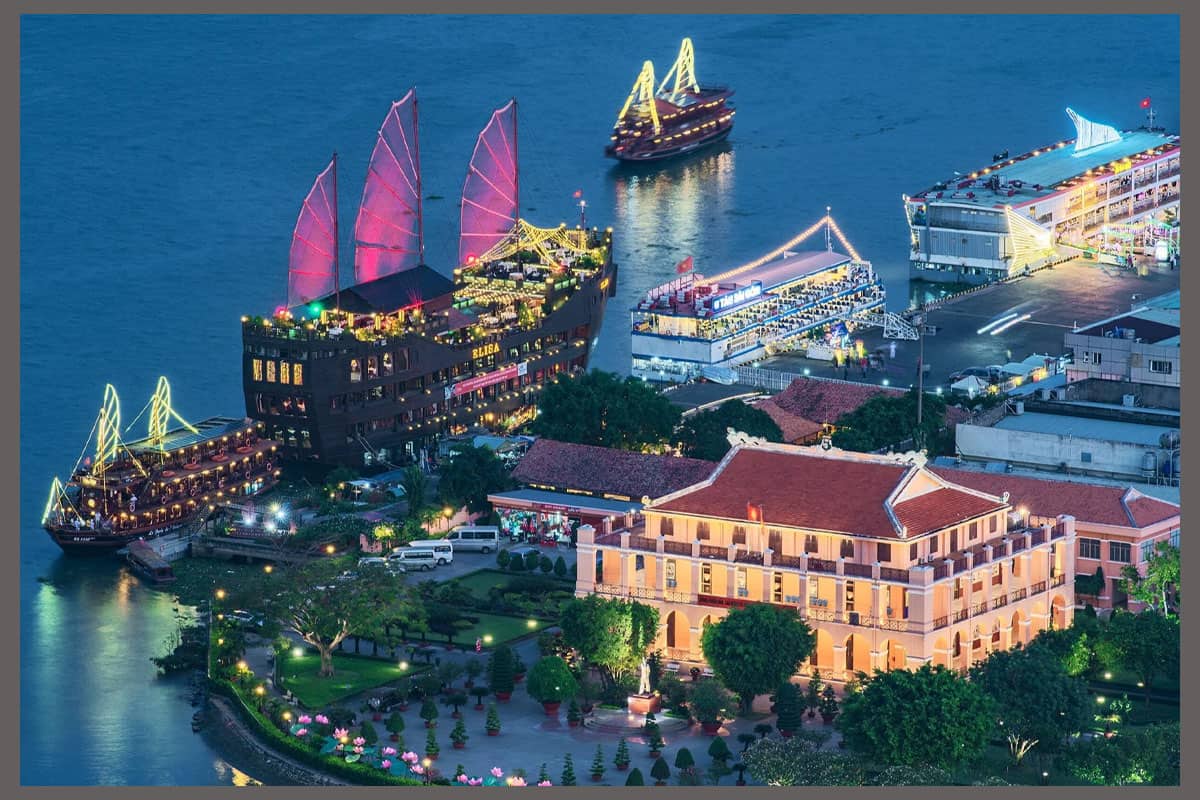
Recent travel trends suggest that in the next few years, Ho Chi Minh City and Seoul will not only return to their pre-pandemic levels of success, but surpass them. A record-breaking number of tourists visited both cities in 2026, and both city governments responded by creating policies aimed at further developing their tourism industries. This report will cover the policies, as well as the impact these two cities’ popular culture, entertainment, and shopping industries have on travel and tourism. These three industries work in conjunction and create a vibrant, successful, and creative tourism industry in both cities.
The Phenomenal Rise of Ho Chi Minh City and Seoul in 2026
The global tourism landscape has undergone a profound metamorphosis throughout the current decade, culminating in the historic resurgence witnessed by the end of September 2026. Within this rapidly evolving paradigm, Ho Chi Minh City and Seoul have unequivocally established themselves as formidable titans of the international travel industry. These two geographically distinct but strategically aligned metropolises have meticulously leveraged their unique cultural assets, sophisticated urban infrastructure, and robust economic policies to cultivate an irresistible global appeal. The transformation is not merely incidental; it is the direct result of comprehensive, long-term strategic master plans orchestrated by their respective national governments and regional tourism authorities.
In an era where international travellers increasingly prioritise authentic engagement and diverse lifestyle immersion over conventional sightseeing, the holistic offerings of these cities resonate deeply with contemporary consumer preferences. By seamlessly blending their rich historical legacies with ultra-modern retail environments, cutting-edge technological integrations, and dynamic culinary scenes, both destinations have effectively cornered the highly lucrative lifestyle tourism market. As confirmed by numerous international organisations, including UN Tourism and the Organisation for Economic Co-operation and Development (OECD), the unparalleled success of these urban centres serves as a benchmark for post-pandemic economic revitalisation and sustainable tourism development across the entire Asia-Pacific region.
Latest Official Tourism Statistics and Record-Breaking Arrivals
South Korea’s Historic Milestones Under the Ministry of Culture, Sports and Tourism
According to officially verified statistics released by the Ministry of Culture, Sports and Tourism (MCST) and the Korea Tourism Organization (KTO) in late September 2026, South Korea has shattered previous inbound travel records. Through August 2026 alone, the nation welcomed an astonishing 15.05 million foreign visitors, reflecting a remarkably robust upward trajectory. This surge in international footfall is intrinsically linked to an unprecedented spike in domestic consumption by tourists. Official financial data indicates that tourism-related card spending exceeded a staggering 14 trillion won during the same period, growing at a considerably faster pace than the total volume of visitor arrivals.
Advertisement
Advertisement
The first half of 2026 set a powerful precedent, recording 10.71 million foreign visitors, representing a substantial 21 percent increase compared to the previous year. Neighbouring Asian markets have been particularly instrumental in driving this volume. For instance, inbound traffic from China showcased a remarkable 36.2 percent year-on-year growth (reaching 649,582 arrivals in June alone), alongside significant increases from Japan and Taiwan. These figures represent the successful materialisation of the South Korean government’s aggressive international marketing campaigns, relaxed visa regulations, and extensive promotion of secondary regional destinations beyond the capital.
Vietnam’s Remarkable Surge and Ho Chi Minh City’s Crucial Role
Parallel to South Korea’s triumph, Vietnam has demonstrated an equally spectacular performance on the global stage. Data published by the General Statistics Office of Vietnam (GSO) and the Viet Nam National Authority of Tourism (VNAT) indicates that total international arrivals in the first eight months of 2026 reached an impressive 15.91 million, signifying a 14.4 percent increase over the same period in 2025. August 2026 alone witnessed an estimated 1.99 million arrivals, marking a nearly 20 percent surge from the previous month. Long-haul markets have expanded steadily, with arrivals from the United States up 18.3 percent, Canada 25.1 percent, and Australia 22.5 percent. Within this national success story, Ho Chi Minh City has unequivocally emerged as the primary catalyst and the beating heart of the nation’s tourism economy.
Advertisement
Advertisement
Official municipal reports from the Ho Chi Minh City Department of Tourism reveal that the southern metropolis generated an estimated USD 10.7 billion in tourism revenue during the first nine months of 2026. This extraordinary figure represents a monumental 43.4 percent surge compared to previous years, underscoring the city’s rapidly expanding capacity to attract high-spending international demographics. The dramatic influx of visitors from diverse markets has fundamentally transformed the city’s economic landscape, proving that its strategic shift towards high-value lifestyle tourism is yielding unprecedented dividends.
Shopping Tourism: A Major Catalyst for Global Appeal
Seoul’s Dynamic Retail Environment and Duty-Free Dominance
A central pillar of Seoul’s magnetic pull is its globally renowned retail sector, which seamlessly intertwines luxury commerce with accessible cultural experiences. Shopping tourism in South Korea has evolved far beyond traditional retail; it is now a multi-sensory lifestyle experience that captivates millions. Districts such as Myeongdong, Gangnam, and Seongsu-dong have been systematically revitalised by the Seoul Metropolitan Government to offer highly curated, immersive environments that appeal directly to international consumers. The nation’s strategic expansion of its duty-free infrastructure has further incentivised high-volume spending among affluent tourists, particularly those originating from the broader Asia-Pacific region.
Moreover, the integration of advanced digital payment systems, immediate tax refund kiosks, and multilingual retail assistance programmes has eliminated traditional friction points, creating a frictionless consumer environment. The government’s proactive approach to penalising businesses that overcharge tourists has significantly enhanced consumer trust and international brand reputation. By actively promoting independent designers, K-beauty flagships, and cutting-edge fashion hubs, Seoul has successfully positioned itself as an indispensable destination for global trend-seekers and discerning shoppers, thereby substantially increasing the average expenditure per visitor.
Ho Chi Minh City Ranks Among the World’s Top 50 Shopping Destinations
In a monumental achievement that highlights its rapid urban development, Ho Chi Minh City was officially ranked 16th among the world’s top 50 leading shopping destinations for 2026. This prestigious accolade has fundamentally redefined the city’s international perception, transitioning its image from a historical curiosity to a contemporary lifestyle hub. The municipal government has actively fostered a retail ecosystem that beautifully juxtaposes traditional, bustling markets with state-of-the-art, luxury commercial centres. This duality provides international visitors with an unparalleled spectrum of shopping experiences, catering equally to bargain hunters and luxury aficionados.
The integration of global luxury brands into the city’s central districts, coupled with the flourishing emergence of bespoke local fashion boutiques and artisanal craft markets, has created a highly diversified retail portfolio. Official policy shifts aimed at encouraging foreign direct investment in the retail and commercial real estate sectors have facilitated the construction of massive, multi-purpose lifestyle complexes. These developments serve as major anchors for tourist activity, encouraging prolonged stays and significantly boosting per capita tourist spending, thereby solidifying the city’s economic resilience and its competitive edge within the Southeast Asian market.
Immersive Lifestyle Experiences Redefining Urban Exploration
The K-Culture Phenomenon: Driving Engagement in South Korea
The meteoric rise of Ho Chi Minh City and Seoul cannot be comprehensively analysed without acknowledging the profound impact of cultural exports, particularly the unstoppable momentum of K-Culture. In Seoul, the Ministry of Culture, Sports and Tourism has brilliantly leveraged the global fascination with K-pop, K-drama, and Korean cinema to craft highly immersive, site-specific tourist experiences. Visitors are no longer passive observers; they are active participants in the cultural phenomena they consume digitally. From interactive K-pop dance academies and dedicated entertainment zones to highly publicised filming locations in areas like Bukchon Hanok Village, the city offers a tangible connection to global media trends.
Advertisement
Advertisement
This strategic commodification of culture extends to the culinary sector, where the global popularisation of Korean cuisine has spurred a massive influx of gastronomic tourism. The government has aggressively promoted culinary festivals, traditional market revitalisation projects, and high-end dining experiences, recognising that food is a primary driver of lifestyle travel. By meticulously standardising service quality while preserving authentic local flavours, Seoul has created a highly sophisticated, multi-layered cultural product that practically guarantees high visitor satisfaction and exceptional rates of return travel.
Authentic Heritage and Modernity in Southern Vietnam
Conversely, Ho Chi Minh City offers an intoxicating blend of deep-rooted historical authenticity and relentless, dynamic modernity. The city’s lifestyle appeal is deeply anchored in its unique ability to preserve its rich architectural and cultural heritage while rapidly embracing contemporary urban lifestyles. The municipal authorities have strategically invested in the preservation of colonial-era architecture, traditional pagodas, and historical landmarks, ensuring that the city retains its distinct character amidst sweeping modernisation. This commitment to heritage preservation serves as a powerful counterpoint to the city’s booming modern sectors.
The local lifestyle experience is further enriched by an incredibly vibrant street food culture, which has gained immense international acclaim, and an exploding contemporary arts and nightlife scene. The government has actively supported the development of pedestrian zones, cultural spaces, and nighttime economy initiatives, effectively extending the tourism operating hours and maximising revenue generation. By fostering an environment where traditional Vietnamese customs seamlessly coexist with cosmopolitan cafes, craft breweries, and avant-garde art galleries, Ho Chi Minh City provides a uniquely layered, high-energy urban experience that deeply resonates with modern global travellers. This progressive approach is exactly why Ho Chi Minh City secured three leading Asian tourism awards in 2026.
Official Government Announcements and Strategic Tourism Policies
Korea Tourism Organization (KTO) Initiatives for 2026 and Beyond
The spectacular tourism figures recorded in 2026 are the direct outcome of meticulously crafted, forward-thinking policy frameworks. The Korea Tourism Organization (KTO), working in tandem with the MCST, has implemented a series of highly effective strategic initiatives designed to diversify the inbound tourist demographic and distribute tourism revenues more equitably across the nation. A key component of this strategy has been the systematic improvement of entry procedures, including the expansion of electronic travel authorisations and targeted visa waivers for high-growth source markets.
Furthermore, the South Korean government has launched extensive global marketer training programmes for international students and digital outreach campaigns, leveraging advanced data analytics to tailor promotional content to specific international demographics. By actively promoting regional travel—evidenced by a 13.2 percent increase in tourists utilising ports outside the Seoul capital region, such as Busan—the government is successfully mitigating the risks of overtourism in the capital while simultaneously stimulating economic growth in provincial areas. These comprehensive policies underscore a profound commitment to building a sustainable, resilient, and highly adaptable national tourism infrastructure.
Vietnam National Authority of Tourism (VNAT) Strategic Master Plan
In Vietnam, the spectacular growth trajectory is similarly underpinned by the robust, cohesive policy directives of the Viet Nam National Authority of Tourism (VNAT) and the central government. The official tourism development strategy for 2026 has heavily prioritised the elevation of service quality, the rigorous enforcement of safety and security standards, and the aggressive digital transformation of the entire tourism ecosystem. Recent official announcements have highlighted the government’s unwavering commitment to streamlining visa procedures, which has been unequivocally cited as a primary catalyst for the massive influx of long-haul visitors from the Americas, Europe, and Oceania.
Advertisement
Advertisement
The Vietnamese government has also been highly proactive in fostering public-private partnerships to accelerate infrastructure development. By actively encouraging investment in high-end accommodation, transport networks, and entertainment facilities, the state is rapidly expanding the country’s capacity to host large-scale international events and accommodate premium travellers. Furthermore, the strategic emphasis on securing prestigious international accolades serves as a powerful validation of the government’s strategic direction and significantly amplifies the nation’s visibility and credibility on the global stage.
Analyzing the Massive Economic Implications for the Asian Market
Surging Tourism Revenue and Local Business Revitalisation
The economic ramifications of the 2026 tourism boom in both Ho Chi Minh City and Seoul are genuinely staggering, creating a massive ripple effect that revitalises diverse sectors of the domestic economy. The injection of billions of dollars in foreign capital through direct tourist expenditure—evidenced by Seoul’s 14 trillion won in card spending and Ho Chi Minh City’s USD 10.7 billion in revenue—provides a critical stimulus for local businesses. This massive influx of capital directly supports thousands of small and medium-sized enterprises (SMEs), ranging from independent retail vendors and family-owned restaurants to boutique accommodation providers and local tour operators.
Moreover, the surge in tourism activity significantly accelerates job creation and reduces urban unemployment rates. As the demand for highly skilled hospitality professionals, multilingual guides, and retail staff escalates, local workforces benefit from increased wages and improved employment security. The financial buoyancy generated by this sector also provides municipal governments with substantially increased tax revenues, which can subsequently be reinvested into public infrastructure, community services, and further tourism development, creating a highly sustainable, virtuous cycle of economic prosperity.
Foreign Direct Investment and Tourism Infrastructure Expansion
Beyond immediate consumer spending, the phenomenal success of these two urban magnets has triggered a massive influx of Foreign Direct Investment (FDI) into their respective hospitality and commercial real estate sectors. International luxury hotel chains, global retail conglomerates, and major entertainment corporations are aggressively expanding their footprints in both cities, capitalising on the sustained, high-volume tourist traffic. This influx of FDI is fundamentally reshaping the urban skylines, leading to the construction of state-of-the-art convention centres, sprawling integrated resorts, and ultra-modern transportation hubs.
This robust investment climate is heavily supported by government policies that actively incentivise foreign capital through favourable tax structures and streamlined regulatory processes. International financial institutions such as the World Bank and the IMF have consistently highlighted the critical role of FDI in accelerating the modernisation of tourism infrastructure in developing and developed economies alike. In 2026, the tangible results of these investments are clearly visible in the enhanced operational capacities and the elevated global competitiveness of both Ho Chi Minh City and Seoul, ensuring their long-term economic viability and resilience against future global market fluctuations.
Deepening Bilateral Tourism Synergies Between the Nations
Cross-Promotional Marketing and Collaborative Endeavours
Beyond their individual successes, the synergistic relationship between South Korea and Vietnam has emerged as a formidable force in regional tourism dynamics. Government statistics from the VNAT explicitly highlight the Republic of Korea as one of the most critical source markets for Vietnamese tourism, with 2.75 million arrivals recorded in the first eight months of 2026 alone. Conversely, Vietnamese travellers constitute a rapidly expanding demographic for South Korean inbound tourism. This mutually beneficial exchange is not accidental but the result of highly coordinated bilateral agreements, cross-promotional marketing campaigns, and diplomatic initiatives aimed at fostering deeper economic and cultural ties between the two nations.
Advertisement
Advertisement
Official memorandums of understanding signed between the respective tourism boards have facilitated the seamless sharing of industry best practices, joint promotional events, and collaborative technological research. This strategic alignment empowers both Ho Chi Minh City and Seoul to leverage each other’s strengths, creating comprehensive, multi-destination travel packages that appeal heavily to long-haul travellers from North America and Europe. By presenting a unified, highly attractive regional front, these nations are successfully capturing a significantly larger share of the global tourism market, demonstrating the profound efficacy of international collaboration in the modern travel industry.
Educational and Medical Tourism Expansions
An increasingly vital component of this bilateral synergy is the rapid expansion of specialised tourism sectors, most notably educational and medical travel. South Korea’s highly advanced healthcare infrastructure and world-renowned medical professionals have transformed Seoul into a premier global hub for medical tourism. The MCST and the Ministry of Health and Welfare have collaboratively streamlined medical visa processes and actively promoted the nation’s exceptional capabilities in cosmetic surgery, advanced diagnostics, and comprehensive wellness treatments. This highly lucrative sector attracts a substantial volume of affluent medical tourists, significantly boosting overall tourism revenues and international prestige.
Simultaneously, Ho Chi Minh City is rapidly establishing itself as a formidable centre for educational and cultural exchange programmes. The city’s dynamic economic environment and rich historical context make it an ideal destination for international students, academic researchers, and corporate training delegations. The municipal government’s active support for international academic conferences, vocational training summits, and language immersion programmes has created a steady, highly reliable stream of long-term visitors. These specialised tourism niches not only diversify the economic base but also foster deep, enduring international relationships that yield long-term diplomatic and commercial benefits for both metropolises.
The Transformative Industry Impact on Hospitality and Aviation
Enhancing Accommodation Standards and Capacity
The unprecedented influx of international visitors has necessitated a rapid, comprehensive transformation of the hospitality industry in both nations. In response to escalating demand, the accommodation sectors in Ho Chi Minh City and Seoul have undergone significant expansion and qualitative upgrades. Hoteliers are increasingly focusing on the provision of hyper-localised, experiential stays that cater to the nuanced preferences of modern lifestyle travellers. This involves the integration of smart room technologies, sustainable operational practices, and curated, on-site cultural experiences that elevate the standard hotel stay into an integral component of the broader tourism narrative.
Furthermore, there is a pronounced diversification of accommodation options, ranging from ultra-luxury five-star properties to high-end boutique hotels, eco-lodges, and culturally immersive heritage stays like Korea’s traditional Hanoks. This diversification ensures that both cities can comfortably accommodate a wide spectrum of international demographics, from affluent luxury seekers to budget-conscious, experiential travellers. The rigorous enforcement of quality standards by official tourism boards ensures that the rapid expansion of capacity does not compromise the overall quality of service, thereby maintaining the high levels of visitor satisfaction required for sustained industry growth.
Expanding International Air Connectivity
The aviation sector has been both a primary facilitator and a major beneficiary of the 2026 tourism explosion. Recognising the critical importance of accessibility, aviation authorities in both South Korea and Vietnam have aggressively pursued the expansion of international flight networks and the enhancement of airport infrastructure. Data from the International Civil Aviation Organization (ICAO) and the International Air Transport Association (IATA) reflect significant increases in passenger throughput and the establishment of numerous new direct flight routes connecting these cities to major global hubs in North America, Europe, and the broader Asia-Pacific region.
Advertisement
Advertisement
This enhancement of air connectivity has dramatically reduced travel times and lowered logistical barriers for long-haul travellers, directly contributing to the diverse demographic profile of incoming tourists. Furthermore, the strategic development of secondary airports and the expansion of domestic flight networks have seamlessly integrated Ho Chi Minh City and Seoul with broader regional tourism circuits. This interconnectedness allows international visitors to easily combine urban exploration with visits to secondary cities and rural destinations, thereby extending their average length of stay and maximising their overall economic contribution to the host nations.
Tourism, Business, and Public Impact: A Societal Perspective
Fostering Cross-Cultural Exchange and Global Understanding
While the economic metrics are undeniably impressive, the societal impact of the tourism boom in Ho Chi Minh City and Seoul is equally profound. The continuous, large-scale interaction between domestic populations and diverse international visitors fosters an invaluable environment of cross-cultural exchange. This dynamic interaction significantly enhances global understanding, breaks down cultural barriers, and promotes mutual respect on an international scale. For the local citizenry, the influx of global perspectives enriches the social fabric of the cities, contributing to the development of a highly cosmopolitan, progressive, and globally integrated urban culture.
Furthermore, the emphasis on lifestyle and cultural tourism empowers local communities by providing them with a platform to proudly showcase their heritage, traditions, and contemporary artistic expressions to a global audience. This validation of local culture instils a profound sense of civic pride and actively encourages the preservation of intangible cultural assets that might otherwise be eroded by rapid globalisation. By positioning local residents not merely as service providers, but as active cultural ambassadors, governments are ensuring that the benefits of tourism extend far beyond mere financial transactions.
Managing Overtourism and Sustainable Development
However, the spectacular success of these destinations is not without its complex socio-environmental challenges. The sheer volume of visitors has necessitated proactive, highly sophisticated management strategies to mitigate the adverse effects of overtourism. Both municipal governments are acutely aware that unbridled tourism growth can lead to the degradation of historical sites, the severe strain of public infrastructure, and the potential alienation of local residents. Consequently, authorities have implemented stringent carrying capacity regulations, dynamic pricing models, and advanced crowd management technologies at peak tourist hotspots.
The commitment to sustainable development is further evidenced by rigorous environmental policies aligned with UN Tourism guidelines. Initiatives promoting eco-friendly transportation, reducing single-use plastics in the hospitality sector, and encouraging tourists to engage in responsible travel practices are being heavily prioritised. By actively balancing the aggressive pursuit of economic growth with the imperative of environmental conservation and community well-being, Ho Chi Minh City and Seoul are pioneering resilient, future-proof models of urban tourism that safeguard their cultural and natural assets for future generations.
Expert and Official Statements on the 2026 Travel Boom
Perspectives from the MCST and South Korean Authorities
The optimism surrounding the 2026 tourism figures is strongly echoed in official governmental discourse. Addressing the unprecedented influx of visitors, Kang Jeong-won, the Director General for Tourism Policy at the Ministry of Culture, Sports and Tourism (MCST), delivered a highly definitive assessment of the nation’s strategic success. He officially stated, “Visitors to Korea are becoming more diverse as entry procedures improve and tailored marketing expands. We expect the strong enthusiasm for visiting Korea to continue through the fourth quarter”. This authoritative statement not only validates the effectiveness of current policies but also projects a highly confident outlook for sustained future growth.
Advertisement
Advertisement
South Korean authorities have consistently emphasised that their ultimate objective is not merely to increase visitor headcounts, but to fundamentally elevate the qualitative value of the tourism experience. Official communiques from the Seoul Metropolitan Government continually highlight ongoing initiatives aimed at refining the regulatory environment, actively combating price gouging, and drastically improving the multilingual capabilities of the local service sector. These concerted, officially mandated efforts demonstrate a profound, systemic commitment to maintaining the nation’s hard-earned reputation as an impeccably managed, world-class lifestyle destination.
Insights from Vietnamese Government Entities
Similarly, the remarkable achievements of Vietnam have been met with resounding official endorsement. Leadership within the Viet Nam National Authority of Tourism (VNAT) has publicly attributed the surge in international arrivals to a combination of highly favourable visa policies, aggressive international marketing campaigns, and a relentless focus on improving domestic infrastructure. Official statements regularly emphasise the critical role of continuous innovation in product development, particularly the need to rapidly expand high-value segments such as luxury retail, and wellness travel.
The Ho Chi Minh City Department of Tourism has been particularly vocal regarding the city’s strategic repositioning. Officials have highlighted the city’s prestigious 16th place ranking among the world’s leading shopping destinations as a pivotal moment in its developmental trajectory. They assert that the strategic alignment of heritage tourism with modern, high-end retail and lifestyle experiences is the definitive blueprint for the city’s future economic prosperity. These official perspectives collectively underscore a highly ambitious, data-driven, and meticulously coordinated national strategy aimed at securing Vietnam’s long-term dominance in the competitive Southeast Asian tourism market.
Future Outlook: Maintaining the Momentum Towards 2030
Technological Innovations in the Travel Sector
As Ho Chi Minh City and Seoul look beyond the monumental successes of 2026, the integration of cutting-edge technology will remain the primary driver of their sustained competitive advantage. Both cities are rapidly establishing themselves as global pioneers in the deployment of smart tourism infrastructure. The widespread implementation of artificial intelligence, augmented reality, and big data analytics is fundamentally transforming how visitors interact with urban spaces. From highly personalised, AI-driven travel itineraries and immersive AR historical tours to seamless, biometric airport clearances, technological innovation is systematically eliminating friction and radically enhancing the consumer experience.
Furthermore, the sophisticated utilisation of big data allows tourism boards to precisely predict travel trends, dynamically optimise resource allocation, and highly tailor marketing campaigns to hyper-specific consumer segments. This data-driven, analytical approach ensures that both destinations remain highly agile and fiercely responsive to rapidly shifting global market dynamics. By continuously investing in digital infrastructure and actively fostering environments conducive to technological innovation, these metropolises are effectively future-proofing their tourism sectors against emerging industry disruptions.
Sustainable and Resilient Urban Tourism Models
Ultimately, the long-term viability of the tourism industry in both cities hinges entirely upon their unwavering commitment to sustainability and resilience. As global awareness regarding climate change and environmental degradation intensifies, international travellers are increasingly demanding demonstrable eco-conscious practices from their chosen destinations. Recognising this irreversible paradigm shift, both governments are aggressively embedding sustainability into the very core of their strategic planning. This includes the massive expansion of green public transportation networks, the strict enforcement of energy efficiency standards in commercial buildings, and the active promotion of low-impact, community-based tourism initiatives.
Advertisement
Advertisement
The concept of resilience extends beyond environmental concerns; it encompasses the fundamental economic and social adaptability of the urban environment. By actively diversifying their source markets, continuously expanding their experiential offerings, and rigorously maintaining the high quality of their civic infrastructure, Ho Chi Minh City and Seoul are systematically building robust, highly resilient tourism ecosystems. These forward-thinking, comprehensive strategies guarantee that both cities will not merely survive the inevitable fluctuations of the global economy, but will continue to thrive, innovate, and lead the international travel industry well into the next decade.
Advertisement
