
Bulgaria Unveils Bold Tourism Tax Plan To Boost Promotion Air Connectivity And Global Visitor Growth

Published
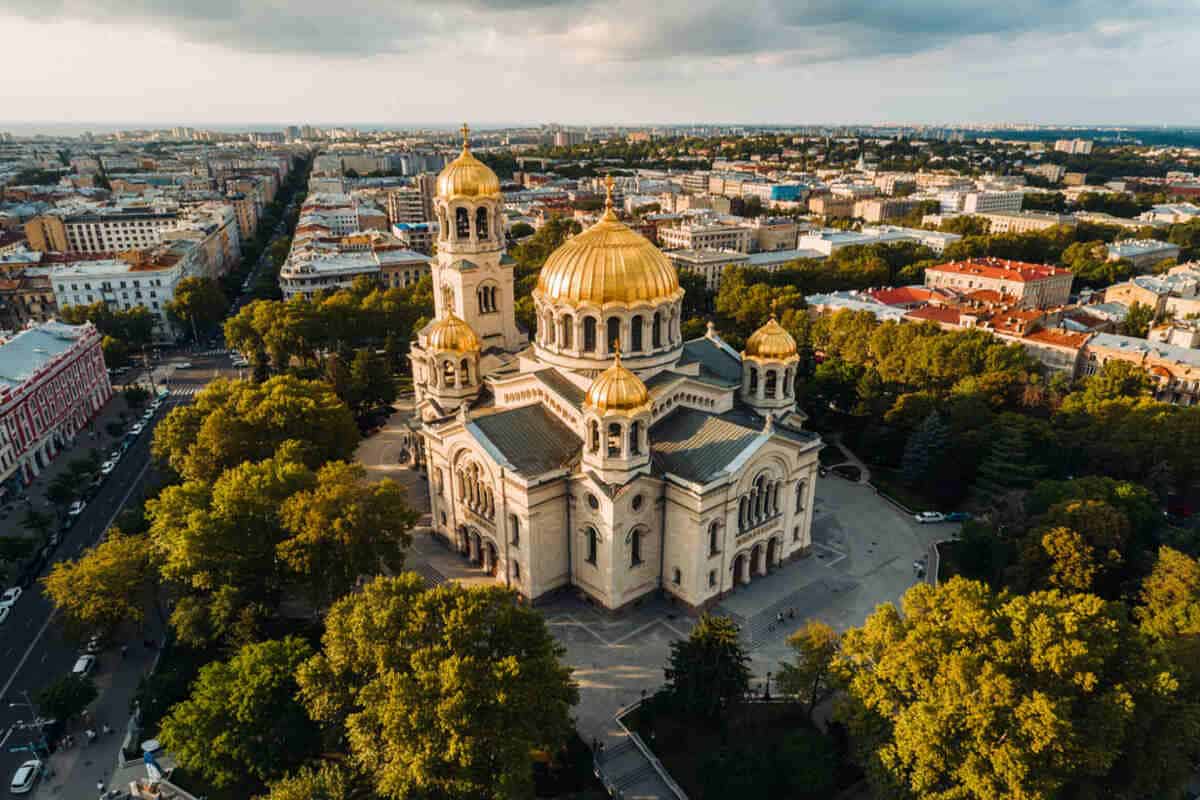
Bulgaria will spend more on promoting tourism and providing better air links as part of changes to its tourism tax. The changes mean that 50% of the tourism tax will go towards promoting Bulgaria and organizing events that will provide better air connections. Bulgaria’s intentions are to promote Bulgaria and other destinations better, as well as to establish better connections between airlines, destinations and the international travel and tourism market.
The planned reform is part of Bulgaria’s wider strategy to modernise its tourism sector by focusing on investment, connectivity, marketing and improving the quality of tourism products. Although the proposal has been announced, it has not yet officially come into effect.
Bulgaria Plans New Tourism Funding Model To Strengthen Global Promotion
Under the proposed changes, 50% of the revenue collected through tourism taxes would be allocated to promotional campaigns and events connected with improving air connectivity. The move is designed to provide destinations across Bulgaria with additional resources to attract international travellers and create stronger visibility in competitive global tourism markets.
Advertisement
Advertisement
The government aims to decentralised tourism promotion by allowing more local destinations to play an active role in attracting visitors. The funding could support festivals, cultural programmes, sporting events and other activities that encourage tourists to explore different regions of Bulgaria.
The strategy also focuses on extending the tourism season beyond the traditional summer months. By supporting more events throughout the year, Bulgaria hopes to create new reasons for travellers to visit during different seasons while reducing pressure on peak travel periods.
Advertisement
Advertisement
Tourism Events And Connectivity Become Key Growth Priorities
Bulgaria’s tourism strategy increasingly connects destination marketing with transport accessibility. Better air connectivity is considered an important factor in attracting international visitors, especially from long-haul and high-value markets.
The proposed tourism tax allocation would help support initiatives linked to flight connectivity by promoting destinations where new or expanded air services can generate additional visitor demand.
Advertisement
Advertisement
The government is also planning to strengthen cooperation with major international tourism companies and travel organisations. These partnerships are expected to support marketing campaigns, improve Bulgaria’s international presence and encourage more travellers to choose the country for holidays and experiences.
Bulgaria Strengthens Cooperation With Global Tourism Partners
As part of its tourism expansion plans, Bulgaria has established a three-year cooperation framework with global travel company TUI. The partnership focuses on joint promotional activities and campaigns designed to increase awareness of Bulgaria as a tourism destination.
The cooperation includes plans to significantly increase the number of visitors brought to Bulgaria through TUI’s travel network. The company has also shown interest in potential investment opportunities, including the development of hotels operating under international tourism brands.
Such partnerships are expected to support Bulgaria’s ambitions to attract more international visitors while strengthening accommodation capacity and tourism infrastructure.
New Events Aim To Create Fresh Reasons To Visit Bulgaria
Bulgaria is also using major events as a tool to increase tourism demand and improve destination visibility. Plans include new tourism-focused events designed to attract both domestic and international travellers.
One example is a planned marathon event in Burgas, which is expected to take place around the period between Euro vision-related activities and the beginning of the main summer tourism season. Events of this type are intended to combine sports, culture and travel experiences while encouraging visitors to stay longer.
Advertisement
Advertisement
The country is also preparing connectivity improvements linked with major international events, creating opportunities to showcase Bulgarian destinations to wider audiences.
Bulgaria Targets Eight Million Foreign Visitors Through Tourism Reforms
The Bulgarian government has set an ambitious goal of increasing annual foreign tourist arrivals to eight million by the end of its current term. This represents a significant increase compared with previous visitor levels, which stood at around four million international tourists annually.
The growth strategy aims to maintain strong domestic tourism while attracting more overseas travellers through improved promotion, better connectivity and higher-quality tourism experiences.
The government’s broader tourism reforms focus on creating a more competitive sector that can respond to changing traveller expectations. Investment, digital promotion, transport links and improved tourism products remain central areas of development.
Tourism Sector Remains Important Part Of Bulgaria’s Economy
Tourism continues to play a major role in Bulgaria’s economy, supporting employment, regional development and international business activity. Around 135,000 people are employed in the country’s tourism sector, highlighting the importance of maintaining steady visitor growth.
The government believes stronger promotion and improved connectivity can help businesses across hotels, restaurants, attractions and local communities benefit from increased tourism activity.
Advertisement
Advertisement
By directing more tourism tax revenue towards marketing and events, Bulgaria aims to create a more flexible system where destinations can actively promote themselves and respond to international travel trends.
Bulgaria Focuses On Long-Term Tourism Competitiveness
The planned tourism tax reform represents a wider shift in Bulgaria’s approach to tourism development. Instead of relying only on traditional seasonal demand, the country is working to build a more diverse tourism economy supported by events, partnerships and improved international connections.
While final tourism figures for the 2026 summer season are still being prepared, expectations remain focused on maintaining visitor numbers close to previous levels despite challenges at the beginning of the season.
Bulgaria wants to improve its air connectivity and fund events and promotion in other countries in order to encourage tourism. Its goal is to double its current level of tourism and reach 8 million visitors.
The government wants to encourage visitors to travel throughout the Balkans and invites other countries in the region to create similar programs to encourage tourism.
With new funding mechanisms, international partnerships and a stronger focus on connectivity, Bulgaria is positioning tourism as a key driver of economic growth. The proposed changes could provide destinations with new tools to compete globally and attract more travellers in the coming years.
Advertisement
