
Europe’s Holiday Beach Safety Shock as New EEA Report Reveals Swimming Water Concerns Across Albania, Poland, Hungary, and More While Cyprus, Greece, Bulgaria and Austria Dominate Cleanest Coastal and Lake Destinations

Published
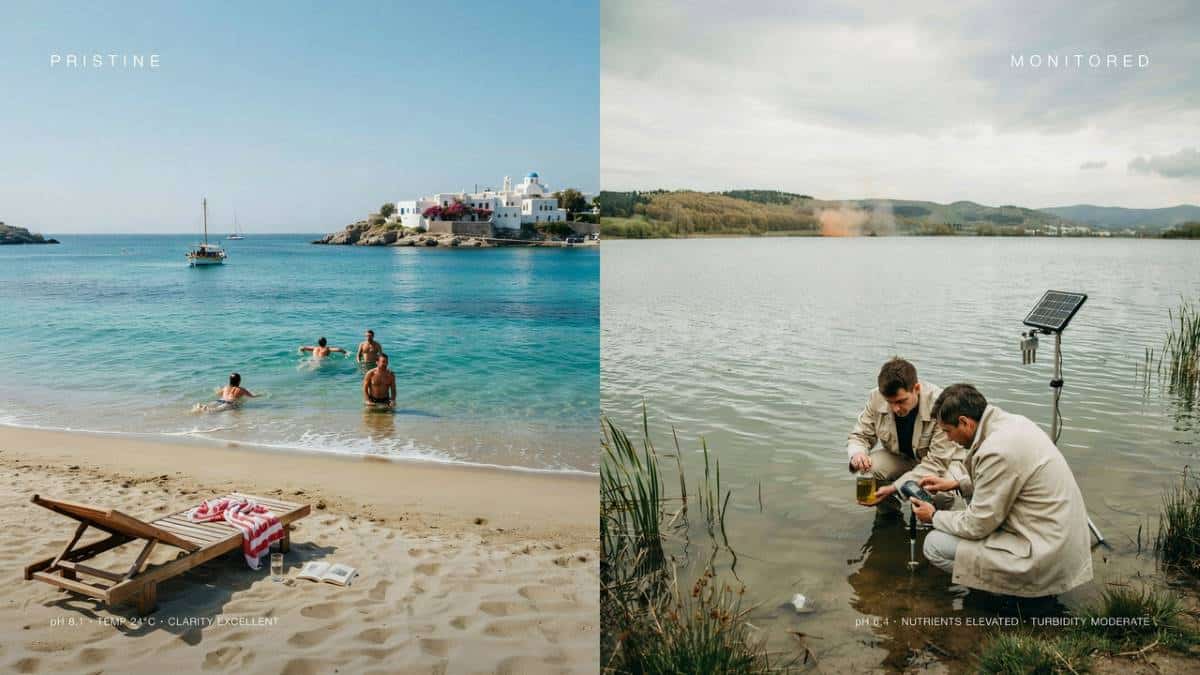
Albania, Poland, Hungary, Estonia and Belgium have emerged as the European destinations requiring closer attention from swimmers after the latest annual bathing water safety assessment by the European Environment Agency (EEA) revealed major differences in water quality standards across the continent. The official assessment, prepared with support from the European Commission, analysed thousands of beaches, lakes and rivers across Europe, showing that while most holiday waters remain safe, some destinations continue to struggle with pollution pressures, wastewater challenges and environmental vulnerabilities.
The comprehensive European Bathing Water Quality Assessment examined 22,289 monitored bathing sites across the European Union, Albania and Switzerland, creating one of the most detailed environmental datasets available for travellers planning summer holidays.
Advertisement
Advertisement
The findings reveal a clear divide between Europe’s world-famous coastal destinations with exceptional water quality and locations where inland waterways, urban development and infrastructure limitations continue to affect swimming conditions.
For international travellers choosing beach holidays, island escapes, lake breaks and outdoor adventures, the report provides crucial insight into where Europe’s waters remain among the cleanest and where visitors should check local conditions before entering the water.
Advertisement
Advertisement
Europe’s Bathing Waters Remain Among the World’s Safest Despite Regional Concerns
The overall picture from the latest EEA assessment remains positive. European bathing water legislation has significantly improved water quality over several decades, creating some of the safest recreational swimming environments globally.
The latest results show:
Advertisement
Advertisement
| European bathing water performance | Percentage |
|---|---|
| Sites achieving excellent quality rating | 85% |
| Sites meeting minimum safety requirements | 96% |
| Sites classified as poor | 1.5% |
The figures demonstrate that the vast majority of Europe’s monitored swimming areas meet strict safety standards. However, national averages hide significant variations between countries and between different types of water environments. The assessment measures microbiological indicators, including Escherichia coli (E. coli) and intestinal enterococci, which indicate contamination from sewage, animal waste or other pollution sources.
These measurements are particularly important for tourists because elevated bacteria levels can increase the risk of stomach illnesses, skin irritation and other health problems after swimming. However, the quality of European bathing waters is not evenly distributed. Some countries achieve near-perfect results, while others continue facing challenges caused by infrastructure gaps, agricultural pollution, industrial activity and changing environmental conditions.
The Five European Countries With the Lowest Excellent Water Quality Ratings
The latest EEA assessment identifies five countries where fewer than 70 per cent of monitored bathing sites achieved the highest excellent classification.
| Country | Percentage of bathing waters rated excellent | Main challenges |
|---|---|---|
| Albania | 16.8% | Wastewater infrastructure pressure, bacterial contamination |
| Hungary | 56.9% | Inland water challenges, lake ecosystem conditions |
| Poland | 58.7% | Agricultural runoff, wastewater pressures |
| Estonia | 64.0% | Baltic conditions, inland water vulnerabilities |
| Belgium | 67.9% | Urbanisation, industrial and river pollution pressures |
The rankings do not mean every beach or swimming location in these countries is unsafe. Instead, they highlight national averages and the importance of checking individual bathing sites before swimming.
Albania Faces the Biggest Water Quality Challenge Despite Tourism Boom
Albania recorded the weakest bathing water performance in the latest European assessment, with only 16.8 per cent of monitored sites achieving excellent status. The result is significant because Albania has rapidly transformed into one of Europe’s fastest-growing holiday destinations. Its Mediterranean coastline, dramatic mountains, affordable accommodation and expanding air connections have attracted increasing numbers of international visitors, including a growing British tourism market.
The country’s famous coastal areas, including the Albanian Riviera, have become popular alternatives to traditional Mediterranean destinations due to their natural beauty and competitive prices. However, rapid tourism expansion has placed additional pressure on environmental infrastructure. The EEA data shows that almost 23 per cent of Albania’s monitored bathing sites were classified as poor, largely linked to elevated levels of faecal indicator bacteria.
Advertisement
Advertisement
The main factors affecting some locations include:
- Limited wastewater treatment capacity in certain coastal areas
- Increased pressure from growing visitor numbers
- Urban development near sensitive coastal environments
- Pollution entering bathing areas after heavy rainfall
The results highlight the importance of targeted environmental investment as Albania continues positioning itself as a major European beach destination. For travellers, the country’s water quality situation varies significantly by location. Popular tourist beaches may not reflect the national average, making official water monitoring information essential before swimming.
Hungary’s Lake Balaton Highlights Challenges Facing Europe’s Inland Waters
Hungary achieved an excellent rating at 56.9 per cent of monitored bathing sites, placing it among Europe’s lower-ranked destinations for top-quality swimming waters. Unlike Mediterranean countries, Hungary does not have a coastline. Its tourism relies heavily on freshwater attractions, especially Lake Balaton, the largest freshwater lake in Europe and one of Central Europe’s most popular summer holiday destinations.
Lake Balaton remains closely monitored and many major visitor areas continue to meet official safety requirements. However, freshwater environments naturally face different challenges compared with seas and oceans.
Lake Balaton’s shallow depth means water temperatures can rise quickly during summer. High levels of natural minerals and plankton activity can also create cloudy water conditions. Cloudy water does not automatically indicate unsafe swimming conditions. Instead, it reflects the unique ecological characteristics of shallow freshwater environments. Hungary’s overall ranking is influenced by the performance of all monitored bathing waters, including smaller lakes and inland swimming areas where environmental pressures can reduce quality classifications.
Poland Battles Pollution Pressures Along Baltic Coast and Inland Lakes
Poland recorded 58.7 per cent of bathing waters with excellent quality ratings. The country offers thousands of kilometres of Baltic coastline, historic seaside resorts and numerous inland lakes that attract domestic and international visitors. However, Poland’s waterways face several environmental pressures.
Advertisement
Advertisement
Key factors affecting water quality include:
- Agricultural runoff entering rivers and lakes
- Urban wastewater management challenges
- Nutrient pollution affecting aquatic ecosystems
- Pressure from densely populated areas
The Baltic Sea coastline remains an important tourism asset, with destinations offering beaches, forests and coastal landscapes. However, water conditions can change depending on location, weather patterns and seasonal environmental factors. The EEA findings reinforce the need for travellers to check specific beach classifications rather than relying only on national reputation.
Estonia and Belgium Experience Challenges From Environmental Pressure
Estonia achieved an excellent rating for 64 per cent of monitored bathing waters. The northern European country offers Baltic Sea beaches, islands and inland lakes, attracting visitors seeking nature-based holidays. However, Baltic coastal conditions differ from warmer Mediterranean environments. Shallow waters, slower circulation in certain areas and historical environmental impacts can influence water quality.
Some inland lakes may also face challenges linked to ecological changes and seasonal conditions. Meanwhile, Belgium recorded 67.9 per cent excellent bathing waters, narrowly missing the higher-performing category achieved by many European destinations.
Belgium’s challenges are closely connected with its highly developed landscape.
Factors influencing water quality include:
Advertisement
Advertisement
- Dense population concentration
- Industrial activity
- Agricultural pressures
- Complex river networks
Despite these challenges, Belgium continues maintaining many safe swimming locations, particularly along its North Sea coastline.
Coastal Beaches Remain Europe’s Strongest Swimming Choice
One of the most important findings for travellers is that the type of water environment often matters more than the country itself. The EEA assessment shows a clear difference between coastal, lake and river environments.
| Water environment | Excellent rating |
|---|---|
| Coastal waters | 88% |
| Inland lakes | 78% |
| Rivers | 47% |
Coastal waters remain Europe’s strongest-performing category. Seas and oceans naturally benefit from:
- Tidal movement
- Larger water volumes
- Saltwater conditions
- Greater dilution capacity
By comparison, rivers face constant exposure to pollution sources upstream. Agricultural chemicals, urban drainage, industrial discharge and stormwater overflow can quickly influence river quality. For travellers planning swimming holidays, coastal destinations generally provide the highest probability of excellent water conditions.
Europe’s Worst Long-Term Poor Sites Could Face Permanent Swimming Bans
European bathing water regulations include strict measures for locations that repeatedly fail safety requirements. A bathing site classified as poor for five consecutive years can face mandatory restrictions, including permanent swimming bans. The EEA assessment highlights that some countries continue recording higher numbers of poor-rated locations.
France and Italy have some of Europe’s largest numbers of poor-performing sites, although both countries also contain thousands of excellent beaches and remain among the continent’s most visited tourism destinations. The presence of poor-rated locations does not represent an entire country’s water quality. Instead, it highlights the importance of checking individual beaches, lakes and swimming areas.
Advertisement
Advertisement
Cyprus, Greece, Bulgaria and Austria Lead Europe’s Clean Water Rankings
While some destinations face challenges, several European countries achieved outstanding results.
Cyprus Achieves Perfect Bathing Water Score
Cyprus recorded a 100 per cent excellent rating across monitored bathing waters, making it Europe’s strongest-performing destination. The island’s clear Mediterranean waters, extensive coastline and environmental management systems continue supporting its reputation as a premium beach destination.
Greece Strengthens Its Position as a Blue Water Paradise
Greece also ranked among Europe’s cleanest destinations, reinforcing its global reputation for high-quality beaches and island tourism. With thousands of islands and extensive coastal areas, Greece’s water quality remains one of its biggest tourism advantages.
Bulgaria and Austria Deliver Strong Results
Bulgaria achieved excellent results among European coastal destinations, while Austria demonstrated that inland countries can also maintain very high bathing water standards.
Austria’s performance highlights the importance of effective environmental management for lakes and freshwater tourism.
Future EEA Monitoring Will Expand Beyond Bacteria to Chemical Pollution
The future of European bathing water assessments is expected to become more detailed as environmental monitoring expands. Traditional bathing water assessments mainly focus on immediate health risks caused by bacteria. Future monitoring approaches are expected to include emerging contaminants such as:
Advertisement
Advertisement
- PFAS or forever chemicals
- Microplastics
- Pharmaceutical residues
These substances represent longer-term environmental concerns because they can remain in ecosystems for extended periods. The expanded monitoring system will provide travellers with a broader understanding of water quality, moving beyond immediate swimming safety towards overall environmental health.
Travellers Can Check Official Water Safety Information Before Swimming
The European Environment Agency provides an interactive bathing water map where travellers can search individual beaches, lakes and swimming locations before entering the water.
The tool allows visitors to identify:
- Excellent bathing areas
- Locations meeting minimum standards
- Poor-quality sites requiring caution
The latest EEA assessment shows that Europe remains one of the safest regions in the world for recreational swimming. However, the findings also demonstrate that water quality varies widely depending on location, infrastructure and environmental conditions. From Albania’s tourism-driven infrastructure challenge to Cyprus’s perfect water quality performance, the report provides a detailed picture of Europe’s changing swimming landscape. For millions of summer travellers planning beach holidays, lake escapes and outdoor adventures, understanding bathing water quality is becoming an increasingly important part of responsible travel planning.
The new EEA report reveals swimming water concerns across Albania, Poland, Hungary, Estonia and Belgium due to lower water quality ratings, while Cyprus, Greece, Bulgaria and Austria lead Europe’s cleanest coastal and lake destinations.
Conclusion
The latest EEA bathing water assessment highlights that Europe continues to offer some of the world’s safest swimming destinations, but water quality standards differ significantly between countries and environments. While Cyprus, Greece, Bulgaria and Austria demonstrate outstanding results, Albania, Poland, Hungary, Estonia and Belgium face challenges linked to pollution pressures and infrastructure limitations. For travellers, the findings underline the importance of checking official bathing water ratings before swimming. As Europe expands environmental monitoring to include emerging pollutants, future assessments will provide deeper insights into the long-term health of the continent’s beaches, lakes and rivers.
Advertisement
