
Explore Earth’s Most Spectacular Rainbow Mountains and Geological Wonders

Published
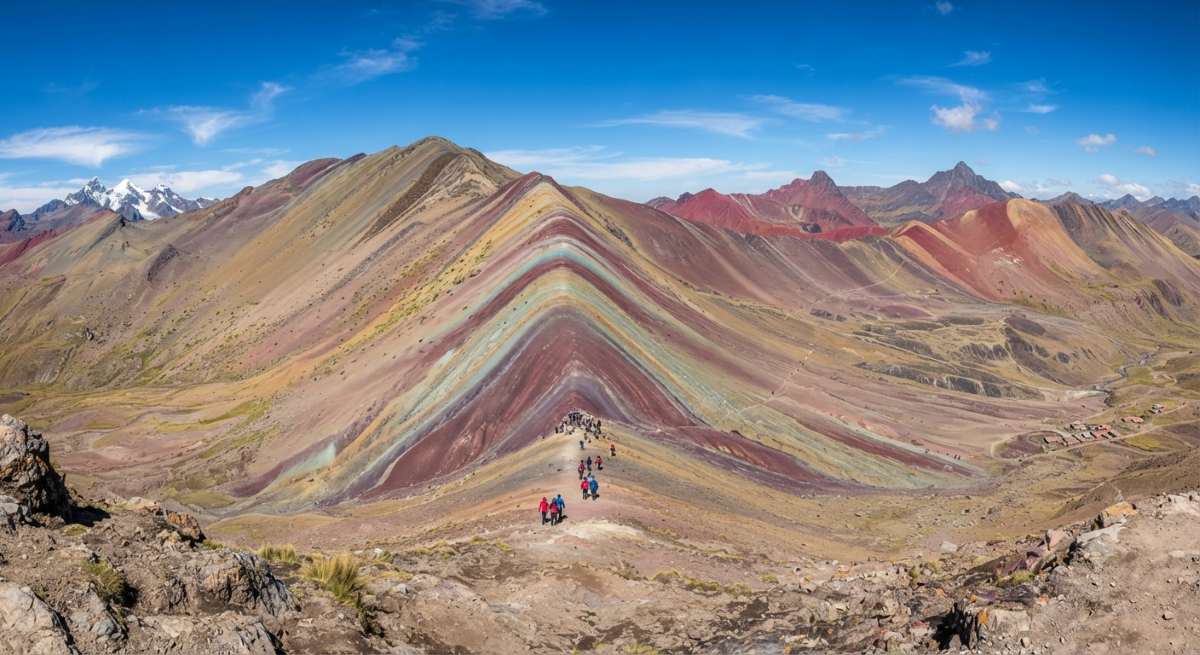
Image generated with Ai
Nature often displays an extraordinary capacity for artistic expression, with geological formations serving as canvas and time acting as the ultimate artist. Among the most awe-inspiring phenomena are the rainbow mountains located across various continents. These unreal landscapes, characterized by striking colors and natural wonders, continue to captivate the imagination of global explorers. Through millennia of environmental changes, mineral accumulations, and tectonic shifts, these regions have transformed into breathtaking visual spectacles that defy conventional expectations of mountain geography.
Background and Context
The formation of these chromatic mountain ranges is deeply rooted in geological history. Millions of years of heavy mineral deposits, weathering, and plate tectonics have shaped destinations such as Vinicunca in Peru, Zhangye Danxia in China, and Serrania de Hornocal in Argentina. Each stratum represents a different geological epoch, where sandstone, iron, sulfur, and copper mixed with sedimentary layers to produce striking bands of red, turquoise, gold, and lavender. Similar processes occurred at the Painted Hills in Oregon, USA, and the Landmannalaugar region in Iceland, where volcanic activity and ancient river plains left behind rich multicolored deposits.
Impact on Travellers
The discovery and social media documentation of these vivid ranges have profoundly influenced modern tourism patterns. Explorers and trekking enthusiasts frequently embark on strenuous high-altitude expeditions to witness these views firsthand. While the visual reward is immense, visitors often experience physical challenges due to extreme altitudes, particularly at sites like Vinicunca, which exceeds 5,000 meters above sea level. At the same time, increased foot traffic has prompted local communities to develop managed access routes to balance visitor engagement with conservation.
Industry Insights
Tourism boards, eco-tourism operators, and governmental bodies have noted a significant shift in travel preferences toward remote, nature-centric destinations. Travel agencies now offer specialized packages focusing on geological tourism, bringing structured itineraries to once-inaccessible regions like the Aladaghlar Mountains in Iran or the remote highlands of Iceland. Hospitality and tour sectors have adapted by emphasizing sustainable travel practices, ensuring that foot traffic does not accelerate soil erosion or degrade the fragile ecosystems surrounding these colored peaks.
Advertisement
Advertisement
Practical Information
Visiting these multicolored ranges requires careful preparation regarding climate, physical fitness, and logistics. For locations situated at high elevations, proper acclimatization is essential to prevent altitude sickness. Travelers are advised to book certified local guides, especially when navigating remote trails in South America or Central Asia. Optimal viewing times often coincide with sunrise or sunset, when shifting light accentuates the natural mineral hues. Respect for local heritage sites and adherence to designated pathways are strictly mandated to preserve the integrity of these landscapes.
Comparison with Previous Policies or Developments
In contrast to older tourism models that favored unregulated mass access and minimal infrastructure, contemporary management of these geological sites prioritizes ecological preservation and regulated visitor caps. Past policies often overlooked the cumulative environmental degradation caused by heavy foot traffic and unpaved vehicle tracks. Modern conservation frameworks now implement strict zoning laws, community-led tourism initiatives, and designated viewing platforms to safeguard these unique environments against the pressures of modern global exploration.
Advertisement
Advertisement
Advertisement
