
Panama Tourism in 2026 Blends the Panama Canal, Caribbean Islands, Rainforests and Sustainable Adventures: Why Is This Central American Gem Attracting More Global Travellers?

Published
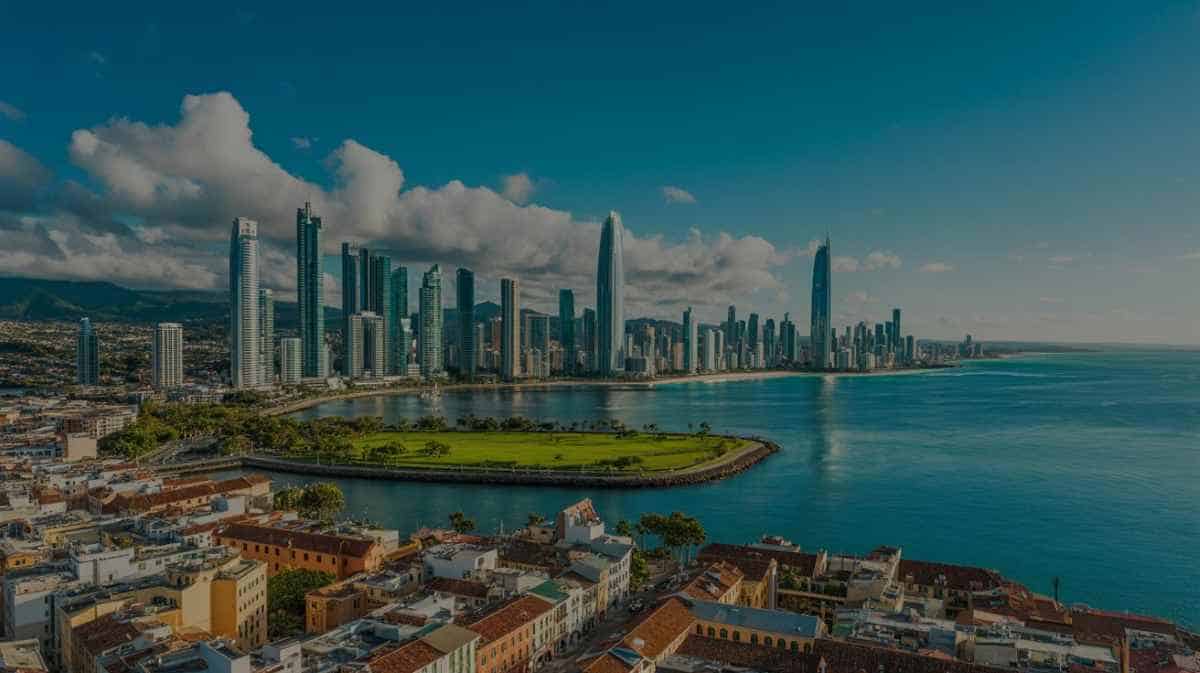
Image generated with Ai
Panama is strengthening its position as one of Central America’s most dynamic travel destinations in 2026, offering visitors an exceptional blend of engineering marvels, tropical beaches, biodiversity and vibrant urban culture. While the world-famous Panama Canal remains the country’s signature attraction, travellers are increasingly discovering Caribbean islands, Pacific coast escapes, cloud forests and Indigenous cultural experiences that extend far beyond Panama City. Improved tourism infrastructure, expanding air connectivity through Tocumen International Airport, and growing investments in sustainable tourism are helping attract visitors seeking nature, adventure and authentic local experiences. From island-hopping in Bocas del Toro and exploring the pristine San Blas Islands to hiking in Boquete’s highlands and wildlife watching in protected rainforests, Panama offers a remarkably diverse holiday experience within a compact and easily accessible destination.
The Panama Canal Remains the Country’s Icon
No visit to Panama is complete without experiencing the Panama Canal, one of the greatest engineering achievements in modern history.
The Miraflores Visitor Centre allows visitors to observe massive cargo vessels passing through the locks while interactive exhibits explain how the canal transformed global maritime trade.
The attraction remains one of the country’s most visited sites and continues drawing travellers interested in history, engineering and international commerce.
Advertisement
Advertisement
Many guided city tours include the canal alongside museums and historic districts.
Advertisement
Advertisement
Panama City Combines History with Modern Living
Panama City offers one of Latin America’s most distinctive urban experiences.
Modern skyscrapers rise alongside the UNESCO World Heritage-listed Casco Viejo, where restored colonial buildings now house boutique hotels, cafés, restaurants and art galleries.
Visitors can enjoy:
- Historic churches.
- Rooftop dining.
- Waterfront promenades.
- Museums.
- Shopping centres.
- Vibrant nightlife.
The city’s blend of old and new has made it one of Central America’s fastest-growing leisure and business travel destinations.
Caribbean Islands Offer Tropical Escapes
Panama’s Caribbean coastline continues gaining popularity among international travellers.
Advertisement
Advertisement
Bocas del Toro is renowned for crystal-clear waters, colourful marine life, surfing, snorkelling and laid-back island culture.
Further east, the spectacular San Blas Islands, managed by the Indigenous Guna people, offer white-sand beaches, turquoise waters and authentic cultural experiences.
These destinations appeal to travellers looking for quieter alternatives to more crowded Caribbean resorts.
Boquete Leads Adventure and Eco-Tourism
Nestled in Panama’s western highlands, Boquete has become one of the country’s leading adventure tourism destinations.
The region attracts visitors with:
Advertisement
Advertisement
- Hiking trails.
- Coffee plantation tours.
- Waterfalls.
- Zip-lining.
- Birdwatching.
- Volcanic landscapes.
The cooler mountain climate also provides a refreshing contrast to Panama’s tropical coastal regions.
Eco-lodges and sustainable tourism businesses continue expanding throughout the area.
Biodiversity Makes Panama a Nature Lover’s Paradise
Despite its relatively small size, Panama is recognised as one of the world’s most biodiverse countries.
Protected national parks and marine reserves safeguard thousands of plant and animal species.
Travellers can experience:
Advertisement
Advertisement
- Tropical rainforests.
- Mangrove ecosystems.
- Coral reefs.
- Sea turtle nesting beaches.
- Sloth and monkey habitats.
- Exotic birdwatching.
Nature-based tourism remains one of Panama’s strongest attractions for international visitors.
Sustainable Tourism Gains Momentum
Environmental conservation has become a central pillar of Panama’s tourism strategy.
Many tourism operators now promote responsible travel through:
- Community-based tourism.
- Eco-lodges.
- Wildlife conservation.
- Sustainable hiking.
- Marine protection initiatives.
- Indigenous cultural experiences.
These efforts help preserve Panama’s extraordinary biodiversity while supporting local communities.
Excellent Connectivity Supports Tourism Growth
Panama continues benefiting from its strategic location between North and South America.
Advertisement
Advertisement
Tocumen International Airport serves as one of Latin America’s leading aviation hubs, offering extensive international connections.
Modern highways, domestic flights and ferry services make travelling between Panama City, beaches, mountains and islands increasingly convenient.
This accessibility allows visitors to experience multiple regions during a single holiday.
Practical Travel Information
Main International Airport:
- Tocumen International Airport (PTY)
Top Tourist Destinations:
Advertisement
Advertisement
- Panama City
- Panama Canal
- Casco Viejo
- Bocas del Toro
- San Blas Islands
- Boquete
- Coiba National Park
Popular Activities:
- Canal tours
- Island hopping
- Coffee plantation visits
- Wildlife watching
- Hiking
- Snorkelling
- Cultural tours
Best Time to Visit:
- December to April (dry season)
Currency:
- Panamanian Balboa (PAB) and U.S. Dollar (USD)
Key Stats
- The Panama Canal remains the country’s leading tourism attraction and one of the world’s busiest maritime routes.
- Tocumen International Airport serves as a major international gateway connecting Panama with destinations across the Americas and beyond.
- Panama offers coastlines on both the Caribbean Sea and the Pacific Ocean.
- Sustainable tourism continues expanding through eco-lodges, conservation initiatives and community-based experiences.
- Popular destinations include Panama City, Bocas del Toro, Boquete and the San Blas Islands.
Frequently Asked Questions
What is Panama’s biggest tourist attraction?
The Panama Canal is the country’s most iconic attraction, allowing visitors to witness ships passing through one of the world’s greatest engineering achievements.
When is the best time to visit Panama?
The dry season, generally from December to April, offers favourable weather for sightseeing, beaches and outdoor activities.
Advertisement
Advertisement
Is Panama suitable for eco-tourism?
Yes. Panama is one of the world’s biodiversity hotspots, offering rainforests, national parks, marine reserves, birdwatching and sustainable tourism experiences across the country.
Timeline and Events
- 2026: Panama continues expanding sustainable tourism and eco-friendly visitor experiences.
- Year-Round: Panama Canal tours, rainforest adventures and Caribbean island holidays attract international visitors.
- Dry Season (December–April): Peak travel period for beaches, hiking and outdoor exploration.
- Future Outlook: Continued investment in aviation connectivity, conservation and tourism infrastructure is expected to strengthen Panama’s position as one of Central America’s leading destinations.
Conclusion
Panama’s tourism sector in 2026 offers far more than its world-famous canal. Visitors can experience a unique combination of cosmopolitan city life, colonial heritage, Caribbean islands, Pacific beaches, cloud forests and some of the richest biodiversity in the Americas. Supported by excellent international connectivity, expanding sustainable tourism initiatives and diverse attractions that cater to every type of traveller, Panama continues to establish itself as a compelling destination for adventure, culture, wildlife and relaxation. Whether watching ships navigate the Panama Canal, diving in the waters of Bocas del Toro or hiking through Boquete’s mountain landscapes, travellers will find a country where natural beauty and modern convenience come together in one unforgettable journey.
Advertisement
