
Riviera Travel And Others Are The Best Asia Cruise Lines As Cruise Tourism Is Set To Unlock New 2026 Voyages

Updated
Published
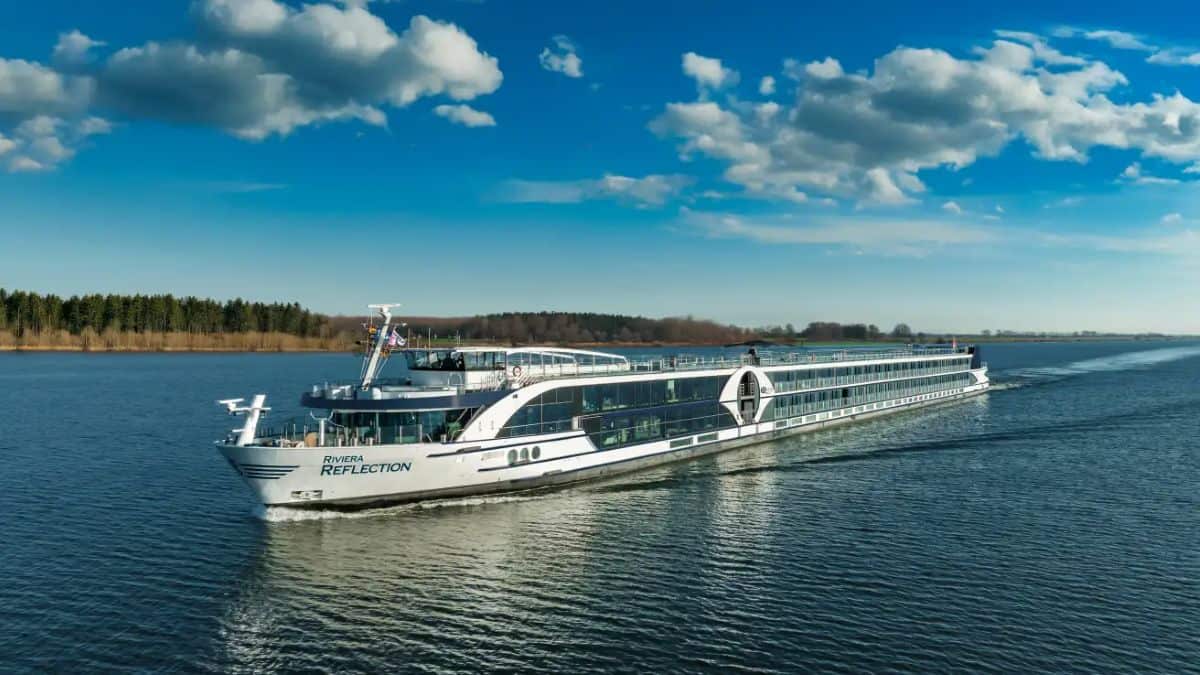
Thailand has potential for growth in attracting Asians in the cruise market while Riviera Travel, Princess Cruises, Celebrity Cruises, Royal Caribbean, Seabourn, Oceania Cruises and Ponant attract different segments of the cruise passenger market in 2026 and 2027. With expanding Asian programs, these companies offer shorter ocean crossings, family vacations, cultural and river cruises, luxury and remote adventures. Thailand is better off for having calls at Phuket, Samui, Bangkok and the eastern seaboard. There are over 162 cruise ship calls in Thailand in 2024 carrying 379,036 passengers and 163,331 crew members. According to the reports, the sector has gained THB1.89 billion. This clearly reflects the importance of cruise tourism for business and coastal destinations in Thailand.
Seven Cruise Lines Offer Different Ways to Explore Asia
The seven cruise lines do not provide identical products. Riviera Travel focuses on river journeys, while Princess Cruises appeals to couples and cultural travellers. Celebrity Cruises serves families and multigenerational groups. Royal Caribbean offers shorter regional holidays, while Seabourn targets ultra-luxury passengers. Oceania Cruises focuses on culinary experiences, and Ponant serves the expedition market. Together, they illustrate how Cruise Tourism is moving beyond the traditional model of large ships calling only at major ports. The market now connects ocean gateways, historic rivers, tropical islands and environmentally sensitive coastal areas across Asia.
| Cruise line | Main travel segment | Typical experience | Relevance to Thailand and Asia |
|---|---|---|---|
| Riviera Travel | River cruising | Escorted inland journeys with cultural exploration | Connects Asian cruise demand with the Mekong, Ganges and Yangtze |
| Princess Cruises | Couples and cultural travel | Longer ocean journeys and destination-rich itineraries | Supports multi-country travel involving Thailand and wider Asia |
| Celebrity Cruises | Family travel | Modern voyages for adults, children and mixed-age groups | Expands the market for multigenerational Asian holidays |
| Royal Caribbean | Short regional cruises | Shorter voyages with extensive onboard facilities | Makes Thailand and neighbouring ports accessible to first-time cruisers |
| Seabourn | Ultra-luxury tourism | Smaller ships, premium services and quieter journeys | Supports high-value spending and access to smaller ports |
| Oceania Cruises | Culinary tourism | Food-led voyages linked with culture and destinations | Connects Thai cuisine, markets and shore visits with cruise travel |
| Ponant | Expedition cruising | Nature-led journeys to remote coastal locations | Extends tourism towards islands and less-visited Asian destinations |
These descriptions represent travel categories rather than an official government ranking. The Best Asia Cruise Lines will depend on each traveller’s budget, preferred destination, sailing length, accessibility needs and onboard expectations. A family may favour children’s facilities, while a couple may prioritise culture and quiet spaces. Luxury passengers may seek personalised services, while expedition travellers may accept difficult landings and itinerary changes. Every passenger should examine the complete route, included services, visa requirements and final cost before booking.
Riviera Travel and Other Cruise Lines Serve Distinct Markets
Riviera Travel represents the river-cruise segment. River journeys bring passengers closer to inland cities, historic sites, villages and landscapes that cannot be reached during a normal coastal call. Asian programmes involving the Mekong, Ganges and Yangtze show how cruising can extend beyond beaches and seaports. These journeys may support guides, smaller accommodation providers, local transport and cultural attractions. However, their operation depends on water levels, weather, navigation rules and berth availability. Travellers must confirm the final route because seasonal river conditions can cause changes.
Advertisement
Advertisement
Princess Cruises is presented as an option for couples and culture-focused passengers. Its longer Asian voyages can combine several countries and offer more time for shore exploration. Celebrity Cruises serves families seeking modern accommodation, dining and entertainment within one journey. Parents must check cabin limits, activity age rules and excursion requirements. Children require valid passports and any necessary visas. Adults travelling without both parents may also need supporting documents, depending on the family’s circumstances and the entry rules applied by each destination.
Royal Caribbean represents shorter and comparatively accessible regional voyages. This category can attract first-time passengers and travellers with limited annual leave. Short sailings may lower the time commitment, although the final price can rise after taxes, service charges, drinks and excursions. Seabourn serves the ultra-luxury market through smaller ships and premium services. Luxury passengers may spend more on private guides, transfers and high-value shore activities. Smaller vessels can also approach ports unavailable to the largest ships, helping distribute visitors beyond established gateways.
Advertisement
Advertisement
Oceania Cruises is associated with culinary travel. Food-led journeys can connect passengers with Thai markets, regional ingredients and local culinary traditions. However, food purchases remain subject to customs and biosecurity controls. Fresh fruit, meat, plants and seeds cannot always cross borders. Ponant represents expedition travel to remote coastlines and natural areas. Such journeys require flexibility because landings depend on weather, conservation permits and safe sea conditions. Inclusion in an itinerary does not guarantee access when an authority restricts visitor numbers or conditions become unsafe.
Thailand’s Cruise Tourism Sector Gains Economic Strength
Thailand recorded 162 cruise-ship calls during 2024, according to figures published through official national tourism promotion channels. These vessels carried 379,036 passengers and 163,331 crew members. Cruise activity generated THB1.89 billion in revenue, representing an increase of 6.9% from 2023. The figures show that passengers are only one part of the market. Crew members also purchase supplies, transport and services during port visits. Cruise ships require navigation support, security, fuel, provisions, waste management and ground handling, widening the sector’s economic footprint.
Advertisement
Advertisement
Ko Samui illustrates how ship arrivals can affect an island economy. Official government information indicated that the island expected 24 cruise ships between October 2024 and April 2025. Each ship was expected to carry between 1,300 and more than 3,000 passengers. These visitors create demand for taxis, coaches, local guides, retail outlets, attractions and organised excursions. However, large arrivals can also pressure roads, piers and public facilities. Effective visitor management is therefore essential if Cruise Tourism is to generate sustainable value without damaging the experience of residents or overnight tourists.
Thailand’s major cruise gateways serve different markets. Laem Chabang connects vessels with the eastern seaboard and provides access towards Bangkok and Pattaya. Phuket sits on the Andaman coast and attracts ocean and expedition itineraries. Ko Samui serves Gulf of Thailand routes but often requires tender operations because large ships cannot always berth directly. A tender is a smaller boat used to transfer passengers between a vessel and the shore. Strong wind or rough water may stop these transfers, causing a planned call to be cancelled.
International tourism recovery provides a supportive background. UN Tourism reported that worldwide international arrivals increased by 4% in 2025, reaching an estimated 1.52 billion. It expected global arrivals to grow by another 3% to 4% in 2026, assuming continued recovery across Asia and the Pacific. This forecast does not guarantee equal growth for every Thai port. Exchange rates, travel costs, weather, consumer demand and regional security can influence performance. However, it places Thailand’s cruise development within a wider recovery in international travel.
Thailand Gains Wider Benefits from Visiting Cruise Passengers
A cruise call can distribute spending across transport, hospitality, retail and attraction businesses. Passengers may use taxis, coaches, boats, guides, restaurants, shops, museums and cultural sites during a short visit. Travellers who begin or end a cruise in Thailand may also require flights and hotel stays. This produces greater economic value than a brief transit call. Phuket, Bangkok, Pattaya and Ko Samui can benefit from this relationship between maritime transport and land-based tourism.
Advertisement
Advertisement
The Best Asia Cruise Lines can also introduce Thailand to travellers who may return for a longer holiday. A passenger spending only one day in Phuket or Ko Samui may later book an independent visit. Such repeat travel can create additional hotel nights and spread spending beyond the port area. Culinary cruises can promote Thai food, while cultural excursions can support museums, heritage attractions and local guides. Expedition itineraries may take visitors closer to smaller islands, although environmentally sensitive areas require strict limits and responsible operations.
Cruise growth also creates challenges. Several thousand passengers may arrive within a few hours, placing immediate pressure on local roads and visitor sites. Smaller islands may struggle to provide enough suitable transport, toilets and waste services. Cruise excursions can concentrate guests at the same attractions, reducing the quality of the experience. Ports and tourism authorities therefore need systems that distribute passengers across several locations rather than sending every group to one overcrowded site.
Environmental management is equally important. Large ships generate waste, require fuel and can contribute to congestion around sensitive marine areas. Smaller expedition vessels may have a lower passenger capacity but can reach fragile places. Access must follow national-park, marine and conservation requirements. Authorities may restrict landing areas, visitor numbers or activities to protect wildlife and ecosystems. Commercial advertising cannot override an official closure, safety order or environmental rule.
Entry Rules and Practical Checks for Thailand Cruises
Foreign passengers arriving in Thailand by sea must meet the country’s immigration requirements. Since 1 May 2025, most non-Thai nationals entering by air, land or sea must complete the Thailand Digital Arrival Card. Travellers submit the form online within three days before arrival, including the arrival date. The system requires passport, journey, accommodation and health information. It is an arrival form rather than a visa, and submission through the official immigration system is free. Passengers who need a visa must obtain one separately.
Visa eligibility depends on nationality, passport type and intended stay. A cruise booking does not provide automatic permission to enter Thailand or another country on the itinerary. Passengers must satisfy the rules of every destination where they plan to disembark. Failure to hold the correct document may result in denied boarding, refusal of entry or exclusion from an excursion. Travellers comparing the Best Asia Cruise Lines should complete immigration checks before paying non-refundable fares, transfers or hotel charges.
Important points to check include:
Advertisement
Advertisement
- Confirm the cruise line, vessel, departure date and final itinerary.
- Check whether Thailand is an embarkation port or a short port call.
- Review passport validity requirements before departure.
- Obtain a Thai visa when nationality and journey conditions require one.
- Complete the Thailand Digital Arrival Card within the official period.
- Use only the free government arrival-card website.
- Check visa rules for every other country on the route.
- Compare fares with taxes, gratuities and service charges.
- Confirm whether drinks, internet and shore excursions are included.
- Review mobility requirements for tender transfers.
- Check weather and marine warnings before travelling.
- Buy insurance covering medical care, cancellation and disruption.
Accessibility deserves particular attention. Large terminals may provide level access, but tender landings can be difficult for passengers with reduced mobility. Expedition excursions may involve small boats, wet surfaces and uneven ground. Families should review minimum ages and physical requirements. Travellers should also allow enough time for transfers because Laem Chabang is not located within central Bangkok. A port label using “Bangkok” does not mean the ship berths beside the city’s main attractions.
Thailand’s Next Phase Will Depend on Ports and Responsible Growth
Thailand’s next opportunity lies in converting more cruise calls into higher-value visitor activity. Better terminal facilities, immigration processing, transport coordination and shore experiences could strengthen the country’s regional role. Phuket, Ko Samui and Laem Chabang offer access to different parts of Thailand, allowing itineraries to combine beaches, cities, culture and island experiences. Success will depend on cooperation between port authorities, immigration officials, tourism agencies, local businesses and communities.
Future growth cannot rely only on increasing passenger numbers. Authorities must consider traffic management, waste, emissions, conservation and resident concerns. Port capacity also varies, meaning not every destination can receive the largest ships. Thailand may gain more value by encouraging longer stays, repeat visits and locally managed excursions. Clear information is vital because passengers need to understand transfer times, tender arrangements and possible itinerary changes before leaving the ship.
The seven named operators demonstrate how the market is dividing into several travel styles. Riviera Travel serves river exploration. Princess Cruises focuses on cultural voyages, while Celebrity Cruises addresses family travel. Royal Caribbean offers shorter breaks. Seabourn supports luxury travel, Oceania Cruises develops food-led experiences and Ponant covers expedition journeys. Together, they give Thailand access to different passenger profiles rather than one narrow cruise audience.
Conclusion
Thailand has the chance to grow its Asian cruising market. With the arrival of 162 ships and 379,036 passengers as well as 163,331 crew members in 2024, and THB 1.89 billion in revenue, there are positive signs. The growing market is illustrated by Riviera Travel, Princess Cruises, Celebrity Cruises, Royal Caribbean, Seabourn, Oceania Cruises, and Ponant. Cruise tourism has a significant impact as it creates demand for port services, hotels, guides, transport services, and visits to attractions and islands. However, there must be advances in managing visitors, terminals and environmental sustainability. Travelers also must be aware of the cost, validity of passports and visas, digital requirements for arrival, and other related matters. With the right planning, it will show if Thailand will turn its growing interest in cruises into increased long-term tourism.
Advertisement
