
London Transforms Iconic Oxford Street Into Traffic Free Shopping Paradise for Global Tourists

Published
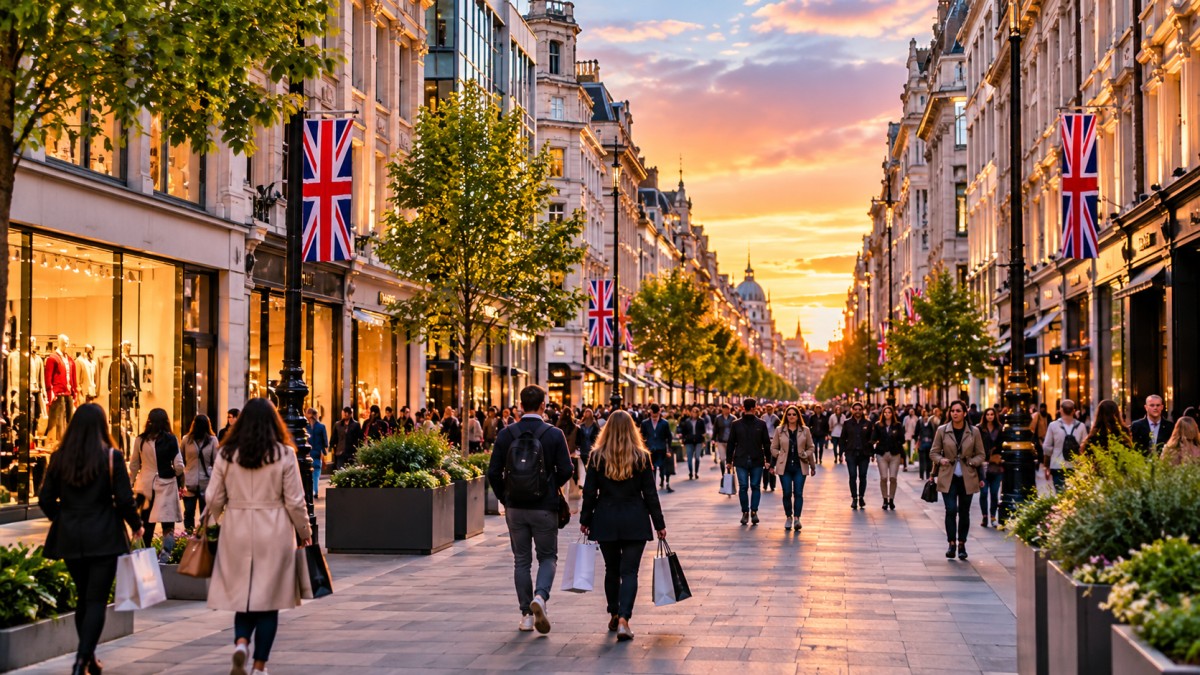
The famous Oxford Street in London has reached a new milestone, with one kilometre of one of the city’s top shopping streets turned into a pedestrian-only area, completely changing the experience of tourists and shoppers. Starting on October 26, 2026, all vehicles, including cars, taxis, bicycles, and buses, will no longer be allowed to pass between Orchard Street and Great Portland Street, thus ensuring a safe experience for the people who walk on the street. Transport for London has already rerouted some of the bus lines, and travelers will still have access to the London Underground and Elizabeth Line for travel to Oxford Street.
Oxford Street Begins Historic Traffic Free Transformation in Central London
London has introduced a major change to one of its most recognisable shopping streets. From Monday, 26 October 2026, almost one kilometre of Oxford Street between Orchard Street and Great Portland Street has become traffic-free. The new restrictions remove cars, buses, taxis, bicycles and other vehicles from the designated area, creating additional space for pedestrians and visitors exploring central London.
The transformation marks the first phase of a wider regeneration programme led by the Oxford Street Development Corporation, alongside Transport for London and the Greater London Authority. Officials aim to strengthen Oxford Street’s international appeal, improve pedestrian access and create a more attractive shopping environment. The changes arrive before London’s important Christmas retail and tourism season.
London Introduces New Bus Routes and Stops for Oxford Street Visitors
Transport for London has changed several bus services to accommodate the pedestrianisation programme. Routes 98, 139, 390, N98 and N207 now use surrounding streets instead of the newly restricted section. Passengers can find alternative stops along Wigmore Street, Henrietta Place and Cavendish Place, approximately 200 metres from the traffic-free shopping area, according to official transport guidance.
Advertisement
Advertisement
Other services also face changes. Routes 7, 94, N7, N113 and N137 now terminate at Marble Arch, while several additional routes have revised stopping arrangements. Travellers should check their journeys before departure, particularly when visiting Oxford Street at night. The adjustments affect both daytime sightseeing and late-night travel across London’s West End.
Underground and Elizabeth Line Services Offer Convenient Access to Oxford Street
Visitors can continue reaching Oxford Street through London’s extensive Underground and Elizabeth line networks. Transport for London confirms that the pedestrianisation works do not affect Tube or rail services. Bond Street, Oxford Circus, Tottenham Court Road and Marble Arch remain important stations for reaching the shopping district. Tourists can therefore avoid diverted road traffic by travelling directly into central London.
Advertisement
Advertisement
Bond Street and Tottenham Court Road offer step-free access, making them particularly useful for visitors with accessibility requirements. Travellers can use contactless payment cards, Oyster cards or other accepted payment methods for eligible TfL journeys. Standard public transport fares continue to apply. The pedestrianisation scheme does not introduce a separate admission ticket for walking along Oxford Street.
Oxford Street Creates New Opportunities for Christmas Shopping Tourism
The timing of Oxford Street’s transformation is significant for London’s seasonal tourism industry. October marks the beginning of preparations for the Christmas shopping period, when international visitors explore the capital’s department stores, retail attractions and festive experiences. Removing vehicles from the central shopping corridor creates additional pedestrian space and could make the district more comfortable during busy periods.
Visitors can combine Oxford Street shopping with nearby attractions around Regent Street, Soho and Mayfair. The new layout also offers opportunities for visitors to explore neighbouring streets on foot. However, construction activity will continue as authorities improve the public space. TfL expects to limit disruption during Christmas, although tourists should anticipate temporary changes around work areas.
London Plans New Seating Green Spaces and Cultural Attractions
Oxford Street’s transformation extends beyond traffic restrictions. The Mayor of London’s regeneration vision includes additional seating, improved lighting, clearer signage, more trees and accessible public spaces. These improvements aim to create a destination where visitors can spend time beyond traditional shopping. The authorities also want to accommodate cultural activities, fashion experiences, sporting events and seasonal celebrations.
The Oxford Street Development Corporation plans to introduce improvements gradually while monitoring pedestrian movement and local accessibility. Its temporary first phase will help officials gather feedback from visitors, residents and businesses. A further transitional scheme is expected by the end of spring 2027. Permanent designs will depend partly on the findings from these initial arrangements.
New Traffic Restrictions Change Taxi Pickups and Cycling Access
Tourists who normally travel by taxi must adjust their Oxford Street journeys. Licensed taxis and private hire vehicles cannot enter the restricted section, meaning passengers must arrange collections and drop-offs on surrounding roads. TfL identifies alternative taxi ranks within approximately 100 metres of the pedestrianised area, including locations near Orchard Street, Duke Street and Great Portland Street.
Advertisement
Advertisement
Cyclists also face restrictions. Bicycles, e-bikes, e-scooters and pedicabs cannot travel through the traffic-free section, although mobility scooters remain permitted. Emergency vehicles retain access, while authorised servicing vehicles can enter during designated overnight hours. Visitors should follow local signs rather than assume that every nearby road follows the same traffic arrangements.
Accessibility Improvements Aim to Make London Shopping More Inclusive
The pedestrianisation programme aims to improve Oxford Street’s accessibility by reducing conflicts between pedestrians and moving vehicles. Additional walking space could benefit wheelchair users, families with pushchairs and visitors who need more room to navigate crowded shopping areas. The wider regeneration vision also prioritises rest areas, clearer wayfinding and better connections with neighbouring streets.
Nevertheless, visitors should recognise that the transition involves temporary construction and changing pedestrian routes. TfL warns that some footways may become narrower or require diversions during improvement works. Travellers with mobility requirements should allow extra time and check station accessibility before travelling. Officials intend to maintain accessible routes wherever possible throughout the programme.
Oxford Street Regeneration Could Strengthen London’s Tourism Economy
Oxford Street plays an important role in London’s retail, hospitality and visitor economy. According to the Greater London Authority, the street anchors a wider central commercial district with an estimated annual economic contribution of £22.75 billion. The regeneration programme aims to protect its international competitiveness while encouraging visitors to explore shops, restaurants, cultural venues and surrounding neighbourhoods.
The potential benefits extend beyond retail sales. Greater pedestrian activity could support hospitality businesses and encourage longer visits to the West End. However, economic gains are not guaranteed. Authorities must monitor traffic displacement, business deliveries and accessibility as the scheme develops. The programme’s long-term success will depend on balancing visitor experience with local operational requirements.
Tourists Should Check Transport Changes Before Visiting Oxford Street
International travellers planning a visit should prepare for a different Oxford Street experience. Walking remains the simplest way to explore the newly restricted section, while Underground and Elizabeth line services provide convenient access. Visitors arriving by bus should confirm revised stopping locations. Those using taxis should identify suitable collection points before leaving their accommodation.
Advertisement
Advertisement
Key travel information for visitors includes:
- Start date: 26 October 2026.
- Traffic-free section: Orchard Street to Great Portland Street.
- Nearby stations: Bond Street, Oxford Circus, Tottenham Court Road and Marble Arch.
- Diverted buses: 98, 139, 390, N98 and N207.
- Admission: No ticket required to enter the public pedestrian area.
- Accessibility: Mobility scooters permitted; temporary pedestrian diversions possible.
London Enters a New Chapter in Urban Tourism and Pedestrian Friendly Travel
The transformation of Oxford Street into a zone free of traffic marks a significant shift in the way London operates one of its most popular shopping destinations. The principal aim of the capital is to enhance the shopping environment by encouraging individuals to walk thereby creating new concepts and potential for tourists, hotel business, events and public activities. At the same time, the initiative shows the growing tendency to create urban areas that are focused on the needs of people and do not take into account cars and traffic. For travelers, the benefits of the scheme include more walking space and better accessibility of the transport system in London. However, bus routes and taxi services will entail the necessity of careful planning of the journey especially while the scheme is in the process of realization. In this way, Oxford Street will be an illustrative case of a major shopping destination in Europe adapting to visitors’ needs.
Advertisement
