
Egypt Along With Morocco and Other Countries Is in a Massive Race to Boost African Tourism Through New Investment in the Hotel and Hospitality Sector in 2026

Published
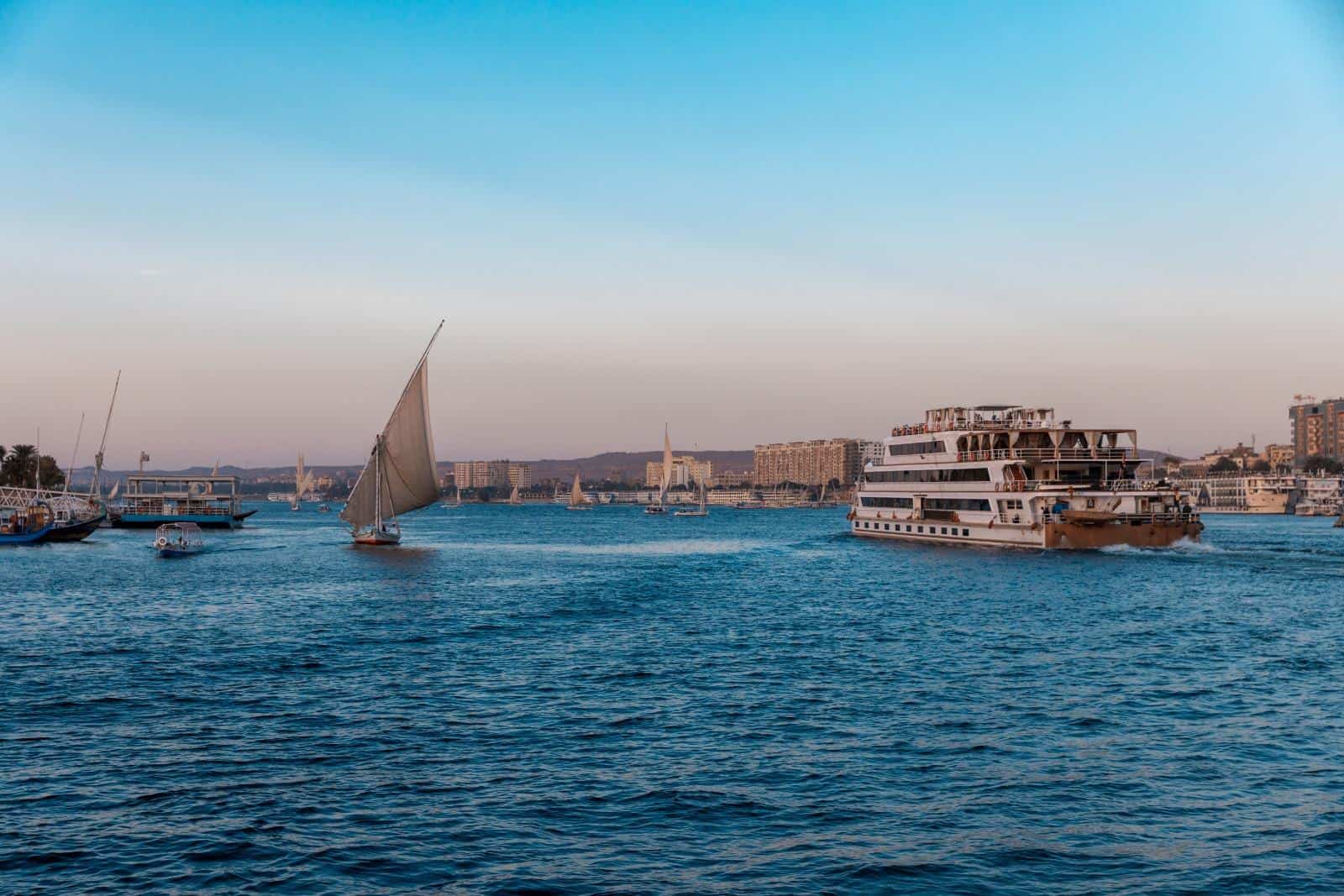
Egypt along with Morocco and other countries is in a massive race to boost African tourism through new investment in the hotel and hospitality sector in 2026 as record hotel development pipelines, rising international demand and major tourism infrastructure projects accelerate accommodation growth across Africa.
Africa’s Hotel Investment Boom Accelerates as Egypt Morocco Kenya and More Build for a Tourism Surge
Africa’s branded hospitality market is entering a major expansion cycle. According to the figures supplied from the W Hospitality Group pipeline research, the continent has reached a record 123,846 rooms across 675 hotels and resorts, representing 18.6% year-on-year growth. Around 79% of pipeline rooms are concentrated in the ten largest country markets, showing that investment is clustering around destinations with strong leisure, business, MICE and luxury-tourism potential. More than 65,000 rooms are projected to open, potentially transforming accommodation capacity in several tourism hubs. Egypt dominates the pipeline, while Morocco is preparing for major international events and East Africa is turning a particularly large share of planned rooms into physical construction.
Egypt: Nearly 46,000 Rooms Put the Country at the Centre of Africa’s Hotel Boom
Egypt is operating on a completely different scale from most African hotel markets, with the supplied data showing 45,984 rooms across 185 projects. Cairo and Giza are major development centres, supported by cultural tourism surrounding the Grand Egyptian Museum and the Pyramids. Cairo alone reportedly has more than 22,000 rooms in its pipeline. Investment is also spreading towards coastal destinations such as Ras El Hekma, where developers are targeting luxury leisure travellers. The combination of ancient attractions, Red Sea resorts, expanding infrastructure and international hotel brands gives Egypt several demand engines rather than dependence on one tourism segment.
| Egypt Hotel Investment Indicator | Data / Development |
|---|---|
| Pipeline rooms | 45,984 |
| Projects | 185 |
| Cairo pipeline | 22,000+ rooms |
| Major demand | Culture, luxury, resorts, business |
| Key development areas | Cairo, Giza, Red Sea, Ras El Hekma |
| Major investment driver | Tourism infrastructure and destination development |
Morocco: Hotel Investment Accelerates Ahead of a Global Tourism Spotlight
Morocco has built the continent’s second-largest pipeline in the supplied dataset, reaching 10,606 rooms under development. Investment is increasingly focused on expanding upscale and luxury accommodation while preparing the country for greater international visitor volumes, including demand surrounding its role as a 2030 FIFA World Cup co-host. Rabat, Marrakech, Casablanca and Fès provide different investment opportunities spanning government and corporate travel, city breaks, cultural tourism and luxury leisure. New international brands and restoration of heritage properties are strengthening the premium end of the market. Morocco’s expanding aviation connectivity and established appeal to European travellers provide additional foundations for long-term hotel development.
Advertisement
Advertisement
| Morocco Hotel Investment Indicator | Data / Development |
|---|---|
| Pipeline rooms | 10,606 |
| Continental position | Second-largest pipeline in supplied data |
| Major catalyst | 2030 FIFA World Cup |
| Growth segments | Luxury, heritage, leisure, city hotels |
| Important destinations | Marrakech, Rabat, Casablanca, Fès |
| Strategic advantage | Europe proximity and international air links |
Kenya: Nairobi Turns Corporate Travel and MICE Demand Into Hotel Construction
Kenya is emerging as one of Africa’s most active hotel construction markets. Around 80% of its pipeline rooms are reported to be under physical construction, suggesting that much of the development is moving beyond announcements towards delivery. Nairobi is central to this expansion because of its role as a regional headquarters, technology, diplomatic and aviation hub. New properties are increasingly incorporating ballrooms, meeting facilities, rooftop venues and technology aimed at corporate and MICE travellers. At the same time, Kenya’s safari industry gives investors access to high-value leisure demand beyond Nairobi, creating opportunities across city hotels, lodges and premium experiential accommodation.
| Kenya Hotel Investment Indicator | Data / Development |
|---|---|
| Pipeline under construction | Around 80% |
| Main hotel hub | Nairobi |
| Major segments | Corporate, MICE, safari, leisure |
| Example development | The Gama, Kilimani |
| Example room count | 155 rooms |
| Investment advantage | Regional business hub plus global safari demand |
Ethiopia: Addis Ababa Draws Major Capital Into High-End Hospitality
Ethiopia stands out because a large proportion of its planned hotel inventory has reportedly reached physical construction, with roughly 80% of pipeline rooms under construction. Addis Ababa provides the core investment case. As the home of the African Union and a major diplomatic centre, the capital generates demand from government delegations, conferences, airlines, international organisations and corporate travellers. A prominent development programme involves the refurbishment of the 294-room Sheraton Addis, alongside plans for a 200-room luxury hotel and private villas. The investment illustrates how developers are targeting Ethiopia’s diplomatic and premium-business demand rather than relying exclusively on conventional leisure tourism.
Advertisement
Advertisement
| Ethiopia Hotel Investment Indicator | Data / Development |
|---|---|
| Pipeline under construction | Around 80% |
| Major market | Addis Ababa |
| Sheraton Addis | 294 rooms |
| Planned additional luxury hotel | 200 rooms |
| Reported IFC investment | $80 million |
| Core demand | Diplomatic, MICE, corporate, international organisations |
South Africa: Global Hotel Groups Target Cities and High-Value Safari Tourism
South Africa’s hotel investment story is becoming increasingly diversified. International hospitality groups are targeting both major urban centres and premium wilderness tourism as international visitor demand strengthens. Cape Town, Johannesburg and Durban provide established markets for business, events and leisure travel, while destinations surrounding national parks support some of Africa’s highest-value safari products. Aleph Hospitality’s establishment of a regional headquarters in Cape Town demonstrates the strategic importance operators place on Southern Africa. Luxury brands are also extending into wilderness accommodation, including projects associated with the Kruger tourism ecosystem. This combination gives South Africa exposure to city breaks, MICE, long-haul leisure and high-spending safari travellers.
| South Africa Hotel Investment Indicator | Development |
|---|---|
| Key cities | Cape Town, Johannesburg, Durban |
| Major segments | Luxury, business, MICE, safari |
| Strategic development | Aleph regional headquarters in Cape Town |
| Wilderness focus | Kruger tourism region |
| International opportunity | Growing long-haul visitor market |
| Competitive strength | City tourism combined with premium wildlife experiences |
Nigeria: Lagos Drives a New Wave of Branded Corporate Hotels
Nigeria’s hospitality opportunity is centred heavily on Lagos, one of Africa’s largest commercial markets. Hotel developers are targeting business travellers, conferences, corporate events and Nigeria’s expanding professional economy. The supplied research highlights a reported $300 million Shoreline Group and Accor partnership, illustrating the scale of capital being directed towards internationally branded accommodation. Global operators are also expanding their presence as investors seek to address gaps between existing accommodation and international-standard corporate demand. Nigeria’s large domestic population provides another potential demand base, while Lagos’s role in finance, entertainment, technology and aviation makes the city particularly important for hotel groups seeking long-term exposure to West Africa.
| Nigeria Hotel Investment Indicator | Development |
|---|---|
| Primary market | Lagos |
| Reported major partnership | $300 million |
| Key participants cited | Shoreline Group and Accor |
| Major demand | Corporate, MICE, business travel |
| Growth opportunity | Internationally branded accommodation |
| Strategic advantage | Large economy and domestic travel market |
Ghana: Accra Builds Hotel Capacity Around Diplomacy Business and Events
Ghana’s hospitality expansion is increasingly focused on Accra, where diplomatic activity, multinational businesses, conferences and international travel provide a foundation for branded hotel investment. A significant development is the planned 145-room Hilton Accra Cantonments, which is designed to include approximately 900 square metres of event space. That combination demonstrates where investors see opportunity: not simply selling guestrooms but generating revenue from meetings, conferences, weddings and corporate events. Accra also benefits from Ghana’s international air connections and growing leisure profile. New branded supply could help the city compete more effectively for regional events and higher-spending travellers while strengthening Ghana’s wider tourism infrastructure.
| Ghana Hotel Investment Indicator | Data / Development |
|---|---|
| Main investment hub | Accra |
| Major cited project | Hilton Accra Cantonments |
| Planned rooms | 145 |
| Event facilities | About 900 sq m |
| Main markets | MICE, diplomatic, corporate, leisure |
| Investment opportunity | International branded hotel supply |
Tanzania: Zanzibar Turns Wellness and Luxury Tourism Into a Hospitality Investment Magnet
Tanzania is converting a particularly high proportion of planned hospitality projects into construction, with the supplied research putting its pipeline-to-construction conversion rate at 77.5%. Zanzibar is one of the clearest investment hotspots. Developers are increasingly targeting premium beachfront, boutique and wellness accommodation rather than relying purely on mass-market resort growth. Projects such as ENVI Paje Wellness Hotel and MaaSalama illustrate the movement towards experience-led hospitality aimed at travellers seeking privacy, wellness, nature and premium island stays. Tanzania also has a powerful mainland tourism proposition through Serengeti, Ngorongoro and safari circuits, allowing investors to connect beach stays with high-value wildlife tourism.
| Tanzania Hotel Investment Indicator | Data / Development |
|---|---|
| Pipeline-to-construction rate | 77.5% |
| Major investment hotspot | Zanzibar |
| Key segments | Luxury, wellness, beach, safari |
| Cited developments | ENVI Paje, MaaSalama |
| Major tourism advantage | Safari-and-beach combinations |
| Target market | Premium and experiential travellers |
Africa’s Hotel Race Is Becoming a Tourism Infrastructure Story
What makes the current expansion significant is that Africa’s hotel boom is not one uniform development wave. Each market is pursuing a different demand opportunity. Egypt is building around enormous cultural and resort tourism potential. Morocco is preparing for international events and premium visitors. Kenya and Ethiopia are turning business, diplomatic and MICE demand into physical construction. Nigeria and Ghana are strengthening West Africa’s corporate hotel infrastructure. South Africa is combining established city tourism with luxury safari expansion, while Tanzania is moving deeper into premium wellness, beach and wildlife travel.
With 123,846 branded rooms in the development pipeline, the larger story extends beyond hotels. Successful delivery could generate new tourism employment, encourage airline capacity, expand conference business, stimulate restaurant and retail spending and give travellers more internationally branded accommodation choices. The crucial next test will be how many announced projects secure financing, complete construction and actually open.
Advertisement
Advertisement
Egypt along with Morocco and other countries is in a massive race to boost African tourism through new investment in the hotel and hospitality sector in 2026 as record hotel pipelines, rising visitor demand and global hospitality expansion drive major accommodation growth across the continent.
In conclusion, Egypt along with Morocco and other countries is in a massive race to boost African tourism through new investment in the hotel and hospitality sector in 2026 as record development pipelines, international hotel expansion and rising visitor demand reshape the continent’s tourism landscape. The growing focus on accommodation capacity, luxury resorts, business hotels and experiential stays highlights how African destinations are preparing for a new era of global tourism growth.
Advertisement
