
Ireland’s Donegal and Sligo Become Adventure Travel Hotspots Through Wild Atlantic Experiences

Updated
Published
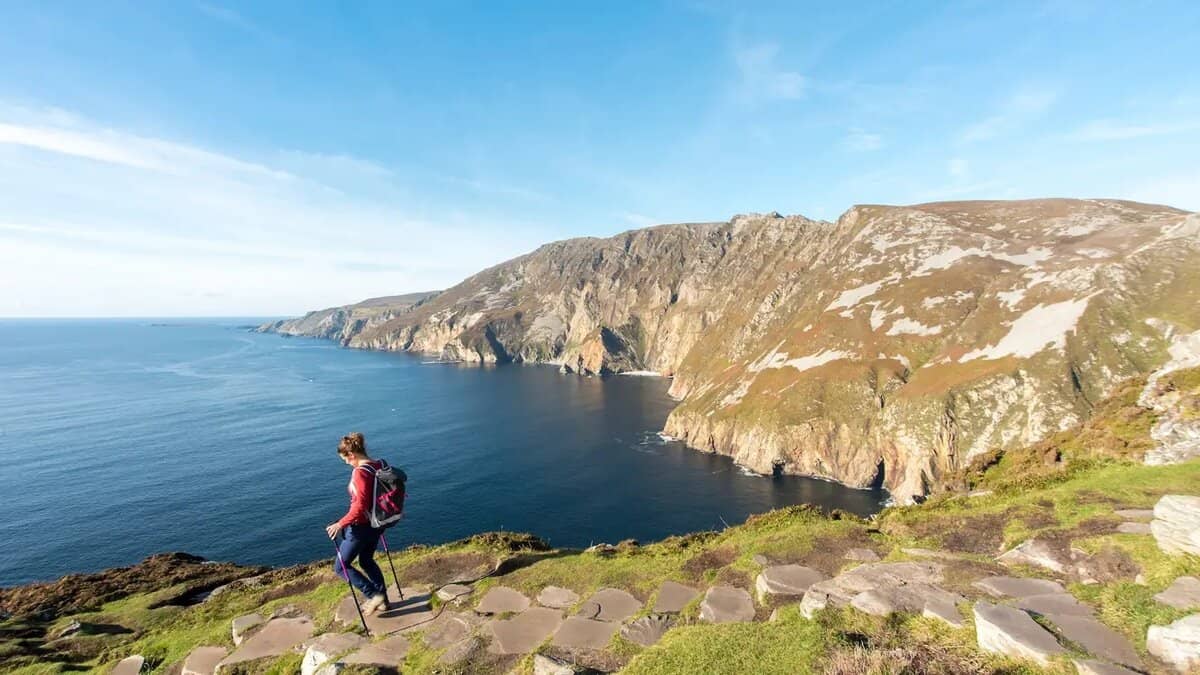
Ireland’s northwest is moving into an era of tourism growth. More adventure travellers are choosing to go beyond the European city breaks. They are looking for landscapes, outdoor adventures and real local culture. Donegal and Sligo are leading this change. These areas are part of the Wild Atlantic Way, which offers coastal views and exciting activities. People can hike along trails, surf in the ocean and explore historical sites. This shift in tourism is closely tied to Ireland’s tourism strategy. That strategy focuses on growing tourism in areas supporting sustainable visitor numbers and making sure the economic benefits reach places, beyond the big cities.
Ireland’s Northwest Emerges As The New Frontier For Experience Driven Travel
Ireland’s northwest is gaining importance as international travellers move towards experience-led journeys that combine nature, adventure and cultural discovery. The new travel opportunity is not based on mass tourism expansion but on attracting higher-value visitors who spend more time exploring regional destinations.
Advertisement
Advertisement
The exclusive tourism angle behind this development is the transformation of Donegal and Sligo from scenic stopovers into complete adventure travel bases. Instead of simply visiting Ireland’s west coast for famous viewpoints, travellers are increasingly looking for multi-day itineraries built around hiking, surfing, cycling, coastal exploration, wellness and community-based experiences.
The region benefits from its position along the Wild Atlantic Way, Ireland’s 2,500-kilometre coastal touring route stretching from County Donegal to County Cork. The official tourism platform highlights Donegal’s northern headlands, Sligo’s mountain landscapes and Atlantic coastline as major adventure locations.
Advertisement
Advertisement
The changing travel pattern creates an opportunity for northwest Ireland to capture visitors who want alternatives to crowded European destinations while supporting rural economies.
Advertisement
Advertisement
Donegal Becomes A Strategic Adventure Gateway For Global Travellers
County Donegal is becoming one of Ireland’s strongest examples of remote destination tourism. The region combines dramatic coastlines, island landscapes, ancient heritage and outdoor activities that match the expectations of modern adventure travellers.
Donegal’s attraction is built around locations such as Slieve League sea cliffs, the Inishowen Peninsula, Fanad Head and coastal villages connected through the Wild Atlantic Way. Tourism Ireland’s official travel information positions Donegal as a destination for travellers seeking landscapes, adventure routes and slower exploration.
The region’s travel appeal includes:
| Adventure Segment | Traveller Experience |
|---|---|
| Coastal tourism | Atlantic cliffs, beaches and scenic drives |
| Adventure activities | Hiking, surfing, kayaking and cycling |
| Cultural tourism | Traditional music, heritage sites and local communities |
| Slow travel | Longer stays across rural landscapes |
| Nature tourism | Wildlife, islands and protected environments |
Donegal also provides a different proposition from Ireland’s major urban tourism centres. Visitors can spend several days exploring a single region rather than moving quickly between famous attractions.
This supports Ireland’s broader tourism objective of improving regional distribution and encouraging visitors to discover destinations outside established hotspots.
Advertisement
Advertisement
Sligo Strengthens Northwest Ireland’s Surfing And Outdoor Tourism Identity
Sligo is becoming a complementary adventure hub alongside Donegal by combining Atlantic surfing, mountain landscapes and cultural experiences.
The official Ireland tourism platform identifies Sligo as a Wild Atlantic Way destination known for dramatic scenery, surfing opportunities and the landscape surrounding Benbulben mountain.
The destination is particularly attractive for travellers seeking active holidays because it offers a combination of:
| Sligo Experience | Tourism Value |
|---|---|
| Surfing beaches | Attracts adventure and youth travel markets |
| Benbulben landscapes | Supports hiking and photography tourism |
| Coastal villages | Encourages longer regional stays |
| Cultural heritage | Connects visitors with Irish traditions |
Sligo’s location also allows operators to create combined itineraries linking coastal adventures with Donegal experiences. Official tourism itineraries already promote routes connecting Donegal, Sligo and Mayo through surfing, beaches and outdoor activities.
This creates a stronger regional tourism product rather than isolated destination visits.
Advertisement
Advertisement
Ireland’s Tourism Strategy Supports The Shift Towards Regional Experiences
The rise of northwest adventure tourism aligns with Ireland’s national tourism policy direction. The government’s tourism strategy focuses on sustainable growth, regional prosperity, innovation and improving visitor experiences across the country.
According to Ireland’s Department of Enterprise, Tourism and Employment, tourism remains a major economic sector with thousands of tourism businesses operating across communities nationwide. The government policy framework highlights the importance of supporting tourism development in regions and strengthening local economic benefits.
Key strategic priorities supporting destinations such as Donegal and Sligo include:
| Policy Direction | Impact On Northwest Tourism |
|---|---|
| Regional tourism development | Encourages investment outside Dublin and major cities |
| Sustainable tourism | Supports nature-based experiences |
| Product diversification | Creates new adventure and cultural products |
| Accommodation development | Helps emerging destinations manage visitor demand |
Ireland’s tourism policy also recognises that future growth depends not only on increasing visitor numbers but on improving the value and quality of visitor experiences.
Infrastructure And Visitor Planning Become Critical For Future Growth
The growth of adventure tourism creates new opportunities but also requires careful destination management.
Advertisement
Advertisement
Unlike urban tourism, northwest Ireland depends heavily on transport connections, local accommodation capacity and seasonal planning. Remote destinations need reliable visitor infrastructure while protecting natural assets.
Ireland has been examining future accommodation needs through a national Tourist Accommodation Strategy, including support for emerging destinations and changing visitor expectations.
For tour operators, this creates opportunities in:
- multi-day coastal adventure packages;
- sustainable hiking tours;
- cycling holidays;
- surf and wellness combinations;
- cultural immersion programmes;
- premium small-group travel.
The northwest’s competitive advantage is its ability to provide authentic experiences without the congestion associated with Europe’s busiest destinations.
Tourism Industry Impact Beyond Leisure Travel
The expansion of adventure tourism in Donegal and Sligo has implications beyond holidaymakers. It supports rural employment, local businesses and tourism suppliers.
Advertisement
Advertisement
Adventure travellers typically require multiple services, including accommodation, guides, restaurants, transport providers and activity operators. This creates wider economic benefits across rural communities.
Fáilte Ireland’s tourism research highlights the importance of regional tourism performance and tracks visitor activity across counties including Donegal and Sligo.
Ireland’s tourism sector recorded strong economic activity, with Fáilte Ireland reporting tourism earnings of €11.2 billion in 2025 and employment of 229,400 people across tourism businesses.
The northwest opportunity is therefore connected to a wider national effort to increase tourism value while ensuring more communities benefit from international travel demand.
Why Adventure Travellers Are Looking Beyond Traditional Ireland Routes
The emerging northwest tourism trend reflects wider global travel behaviour.
Advertisement
Advertisement
Modern travellers are increasingly interested in:
- less crowded destinations;
- authentic cultural interaction;
- outdoor activities;
- environmentally responsible experiences;
- longer regional stays.
Donegal and Sligo match these preferences because they offer landscapes, heritage and activities in a single destination journey.
The region also benefits from the global growth of slow travel, where visitors prioritise deeper connections over short visits covering multiple locations.
Operational Takeaways For Travel Agents And Tour Operators
- Build multi-day Ireland itineraries combining Donegal and Sligo rather than single attraction visits.
- Promote adventure-based packages including hiking, surfing, cycling and coastal exploration.
- Highlight shoulder-season travel opportunities to reduce summer concentration.
- Partner with local guides and community businesses to create authentic experiences.
- Include sustainable travel elements as environmental awareness becomes increasingly important.
- Prepare clients for rural travel conditions, including longer distances and weather variability.
- Focus on premium small-group experiences rather than high-volume tourism models.
Long-Term Outlook For Northwest Ireland Tourism
I see how Donegal and Sligo are shining examples of a change in international travel. Remote destinations are now more valuable than ever. The future growth of northwest Ireland will rely on balancing visitor demand with sustainability, new infrastructure and community benefits.
I notice that as Ireland keeps working on its tourism strategy places that mix landscapes, cultural identity and real experiences are set to become more important, for attracting global travelers.
The northwest is not replacing Ireland’s established tourism attractions. Instead, it is expanding the country’s tourism map by offering travellers a deeper, slower and more experience-focused way to discover Ireland.
Advertisement
