
Bahamas Atlantis Paradise Island Expands Marine Conservation Leadership With Coral Rescue And Ocean Tourism Innovation: All You Need To Know

Published
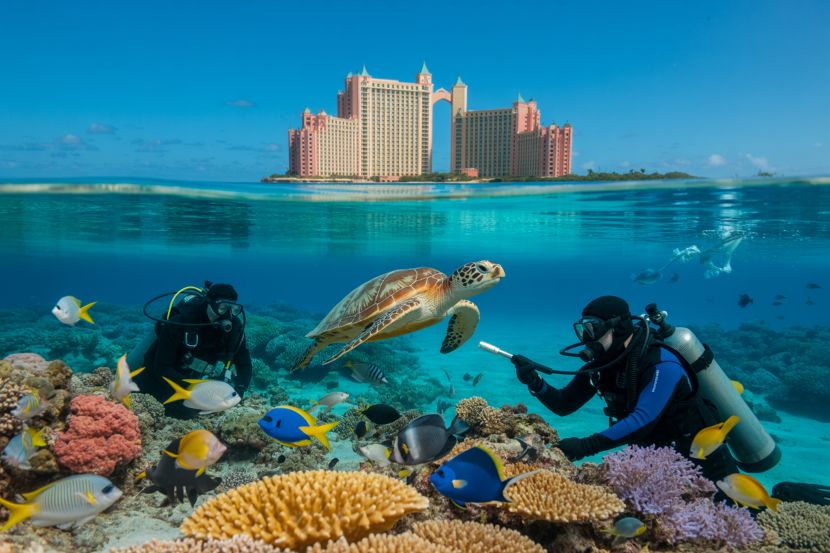 Image generated with Ai
As global tourism increasingly shifts toward sustainability and eco-conscious travel, Atlantis Paradise Island is strengthening its role as one of the Caribbean’s leading marine conservation destinations. During World Ocean Month, the resort is spotlighting two decades of ocean preservation work through the Atlantis Blue Project Foundation, highlighting coral restoration, endangered species rescue, marine research and immersive guest education programmes across The Bahamas.
The conservation-focused initiative reflects how luxury tourism destinations are increasingly combining hospitality with environmental stewardship. Atlantis Paradise Island is using scientific research, rehabilitation projects and public engagement programmes to position marine conservation as a central part of the visitor experience while supporting long-term protection of Bahamian marine ecosystems.
Advertisement
Advertisement
Bahamas Coral Conservation Efforts Enter A New Phase
One of the most important milestones highlighted this year is the continued development of The Bahamas’ first Coral Gene Bank, located at Atlantis Paradise Island. Opened last year, the bio-secure facility supports coral preservation, reef restoration and genetic protection efforts in response to ocean warming, coral disease and environmental stress.
According to information shared by Atlantis Paradise Island, the facility can house hundreds of mature coral colonies along with juvenile corals and fragments designed to preserve marine biodiversity. Species currently protected include Elliptical Star Coral, Pillar Coral, Maze Coral, Boulder Brain Coral and Grooved Brain Coral.
Advertisement
Advertisement
The project represents a major step for coral conservation in The Bahamas, where coral reef systems play a critical role in marine tourism, fisheries, biodiversity and coastal protection. Healthy reefs are also essential for diving tourism and snorkeling experiences that attract travelers from around the world to the Caribbean region.
Sea Turtle Rehabilitation Highlights International Rescue Cooperation
Atlantis Paradise Island is also drawing attention to its marine animal rescue and rehabilitation work. The resort remains the only dedicated Marine Mammal Stranding Response Facility in The Bahamas and continues supporting rescue operations for marine animals across the Americas.
Advertisement
Advertisement
A recent conservation effort involved the rehabilitation of Lucky, a critically endangered Kemp’s ridley sea turtle rescued after being cold-stunned in Nova Scotia before being transported approximately 2,700 miles to The Bahamas for specialized veterinary treatment. The successful recovery highlights the growing importance of international conservation networks connecting rescue facilities across North America and the Caribbean.
Over the last twenty years, Atlantis and the Atlantis Blue Project Foundation report that more than 7,500 sea turtles have been rescued, rehabilitated and released. The organization has also continued supporting marine research initiatives linked to sea turtle migration, tracking and public education programmes throughout the wider Atlantic region.
Advertisement
Advertisement
Manta Ray Research And Marine Science Expand In The Caribbean
Marine research remains another major focus area for Atlantis Paradise Island. The resort recently introduced a young Atlantic manta ray named Kronos into its ocean-fed Ruins Lagoon, marking the first manta ray hosted at the facility in several years.
The Atlantic manta ray species is found in tropical and subtropical Atlantic waters and can grow into one of the largest ray species in the region. Atlantis states that the research programme helps scientists better understand manta ray growth patterns, migration behaviour and long-term survival before release into natural ocean environments.
The marine habitat at Atlantis Paradise Island supports more than 250 marine species and has become one of the Caribbean’s most visible examples of how tourism resorts are integrating marine science into visitor experiences. These programmes also contribute to educational tourism, where travelers increasingly seek meaningful environmental experiences during holidays.
Mangrove Restoration Strengthens Coastal Protection In The Bahamas
Beyond coral reefs and marine species rescue, Atlantis Paradise Island continues investing in mangrove restoration projects designed to improve coastal resilience across The Bahamas. Mangroves are considered vital ecosystems because they protect shorelines, improve water quality and provide nursery habitats for marine species.
Advertisement
Advertisement
Since 2010, the resort has donated thousands of young mangrove trees to environmental partners including The Bahamas National Trust. These restoration projects contribute to ecosystem recovery while helping researchers study how mangroves respond to hurricanes and climate-related environmental pressures.
Mangrove conservation has become increasingly important across the Caribbean as rising sea levels, coastal erosion and stronger storms place pressure on fragile island ecosystems. By integrating mangrove nurseries into the resort environment, Atlantis also gives guests direct visibility into conservation work happening on-site.
Conservation Tourism Experiences Become Part Of Guest Travel
Atlantis Paradise Island is also expanding guest-facing educational experiences tied to marine conservation. One of the newest programmes, Flippers, Fins and Feathers, offers visitors behind-the-scenes access to marine animal care and rehabilitation operations at Dolphin Cay.
The guided experience introduces guests to dolphins, sea lions and macaws while also explaining veterinary care, rehabilitation procedures and marine habitat management. This approach reflects a growing trend within global tourism where travelers increasingly seek educational and purpose-driven activities instead of passive sightseeing alone.
The resort’s conservation facilities are accredited by the Association of Zoos and Aquariums and also hold Global Humane Certified status linked to animal welfare standards. These recognitions support Atlantis Paradise Island’s efforts to position itself as a responsible tourism operator while maintaining large-scale marine habitats.
Bahamas Tourism Strengthens Its Sustainable Travel Identity
The latest World Ocean Month initiatives highlight how The Bahamas continues positioning marine conservation as a central pillar of its tourism identity. With coral restoration, species rehabilitation, reef protection and environmental education increasingly integrated into luxury travel experiences, Atlantis Paradise Island is helping reshape how Caribbean resorts engage with sustainability.
Advertisement
Advertisement
The resort has also invested heavily in broader tourism upgrades, including major renovations, hospitality partnerships and redesigned accommodations. These investments support The Bahamas’ wider tourism strategy of combining luxury travel with environmental stewardship and marine ecosystem protection.
As travelers become more environmentally aware, destinations capable of balancing tourism growth with conservation efforts are likely to gain stronger international appeal. Atlantis Paradise Island’s marine projects demonstrate how eco-tourism, scientific research and luxury hospitality are becoming increasingly interconnected across the Caribbean tourism sector.
Advertisement
