
Charleston Joins Wheeling, Martinsburg and Other West Virginia Cities Becoming Tourism Hub Supporting Local Economy and Travel Industry Jobs

Published
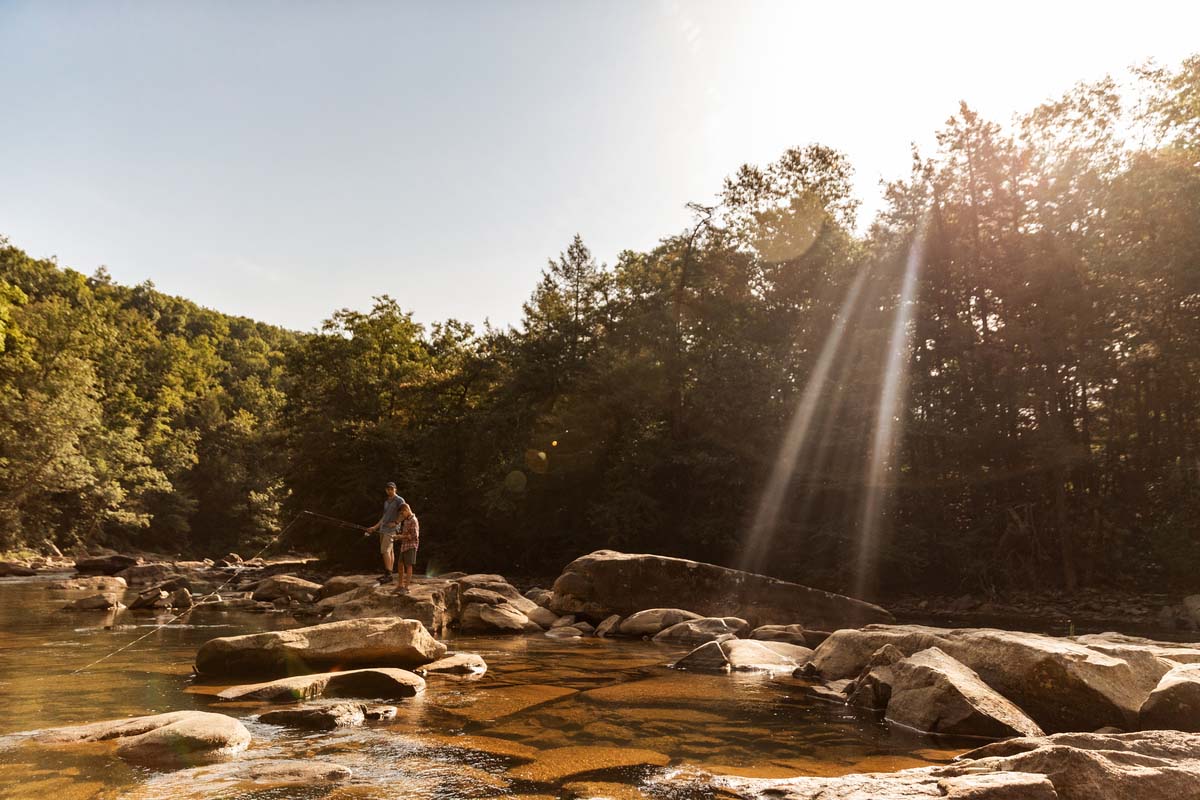
Charleston joins Wheeling, Martinsburg and other West Virginia cities as a growing tourism hub. Together, these destinations support the local economy and travel industry jobs. Moreover, rising visitor spending is strengthening tourism across the state, while attractions, events, hotels, restaurants and businesses continue benefiting from sustained travel demand.
West Virginia Tourism Drives Jobs and Visitor Spending Across Charleston, Wheeling, Morgantown and Other Cities
West Virginia’s tourism economy continues to play an important role in supporting local businesses, employment and visitor spending, with cities and tourism hubs across the state benefiting from demand for outdoor recreation, heritage, events, hospitality and regional experiences. The latest figures from the West Virginia Department of Tourism show that tourism generated billions of dollars in visitor spending while supporting tens of thousands of jobs statewide, with major destinations including Charleston, Wheeling, Morgantown, Lewisburg, Huntington and Beckley recording substantial economic activity.
This US state reported a record $9.4 billion in total tourism economic impact in 2025, alongside $6.8 billion in direct visitor spending and 61,728 tourism-supported jobs. The figures provide a broad picture of tourism’s contribution to West Virginia, while county-level data gives a more detailed view of how individual destinations and their surrounding communities benefit from travel.
A key distinction is necessary: West Virginia’s statewide tourism economic-impact reporting is generally presented at county level, rather than as individual city statistics. The city-wise figures below therefore refer to the counties containing or representing the relevant tourism hubs.
Advertisement
Advertisement
City-wise West Virginia tourism statistics
| City / Tourism Hub | County | Visitor Spending / Tourism Impact | Tourism Jobs Supported | Data Year |
|---|---|---|---|---|
| Charleston | Kanawha County | $655.9M annual travel spending | 6,443 | 2025 report |
| Wheeling | Ohio County | $531.8M | 4,544 | 2025 report |
| Morgantown | Monongalia County | $413.9M | 5,208 | 2025 report |
| Huntington | Cabell County | $320.2M | 3,929 | 2025 report |
| Martinsburg | Berkeley County | $280.1M | 3,192 | 2025 report |
| Parkersburg | Wood County | $220.3M | 1,695 | 2025 report |
| Harpers Ferry | Jefferson County | $231.3M | 2,986 | 2025 report |
| Beckley | Raleigh County | $332.8M | 3,352 | 2025 report |
| Lewisburg | Greenbrier County | $417.3M | 3,641 | 2025 report |
| Bluefield | Mercer County* | $219.6M | 2,032 | 2025 report |
| Fairmont | Marion County | $122.1M | 1,343 | 2025 report |
| Clarksburg | Harrison County | $231.3M | 2,986 | 2025 report |
| Elkins | Randolph County | $36.8M | 453 | 2025 report |
| Snowshoe / Davis tourism area | Tucker County | $22.0M | 209 | 2025 report |
| New River Gorge / Fayetteville area | Fayette County | $172.9M | 1,653 | 2025 report |
| Summersville | Nicholas County | $44.0M | 386 | 2025 report |
How is Charleston benefiting from tourism?
Charleston and Kanawha County represent one of West Virginia’s largest tourism economies, with approximately $655.9 million in annual travel spending supporting 6,443 jobs.
Advertisement
Advertisement
As the state capital, Charleston combines government, business, cultural and leisure travel with a growing events economy. Festivals, sporting activities, conferences, restaurants, museums and riverfront attractions contribute to the destination’s visitor appeal.
The city’s event economy also demonstrates the potential scale of tourism-related activity. The 2024 Charleston Sternwheel Regatta attracted an estimated 235,000 attendees and generated approximately $38.8 million in total economic impact, according to the city’s published event assessment.
Advertisement
Advertisement
What does Wheeling’s tourism economy look like?
Wheeling and Ohio County recorded approximately $531.8 million in annual travel spending, with tourism supporting 4,544 jobs.
The Northern Panhandle destination benefits from heritage attractions, entertainment, events, outdoor recreation and its position within the wider Ohio Valley. Tourism spending reaches beyond traditional accommodation providers, supporting restaurants, retailers, attractions, transport businesses and other visitor-facing enterprises.
The figures also demonstrate why tourism is increasingly being viewed as an economic development tool for communities seeking to diversify their local economies.
How important is Morgantown to West Virginia tourism?
Morgantown and Monongalia County generated approximately $413.9 million in annual travel spending, supporting 5,208 jobs.
Advertisement
Advertisement
The city’s visitor economy benefits from a combination of university-related travel, sporting events, meetings, hospitality and outdoor recreation. Its location in north-central West Virginia also makes it a gateway to attractions and communities across the wider region.
Separate regional tourism data has highlighted an even broader economic footprint for North Central West Virginia, demonstrating that Morgantown’s influence extends beyond the city itself.
Why is Lewisburg attracting significant tourism spending?
Lewisburg and Greenbrier County recorded approximately $417.3 million in annual travel spending, with tourism supporting 3,641 jobs.
The Greenbrier Valley benefits from heritage tourism, hospitality, arts and culture, outdoor experiences and destination accommodation. Lewisburg itself is known for its historic character, independent businesses, restaurants, galleries and proximity to major attractions.
The figures show how a comparatively smaller destination can generate a substantial tourism economy when accommodation, attractions, dining and experiential travel are combined across a wider regional market.
How does tourism support Huntington?
Huntington and Cabell County recorded approximately $320.2 million in annual travel spending, supporting 3,929 tourism-related jobs.
Advertisement
Advertisement
Tourism in Huntington is closely connected with events, culture, entertainment, dining, higher education and the city’s location along the Ohio River. Visitor expenditure provides revenue for businesses well beyond hotels and attractions, helping sustain employment throughout the local visitor economy.
A separate Huntington-area tourism study also measured economic activity generated by tourism, although its methodology and geographic scope differ from the statewide Tourism Economics data. Those figures should therefore be treated as separate measurements rather than combined.
What role does Beckley play in southern West Virginia tourism?
Beckley and Raleigh County recorded approximately $332.8 million in annual travel spending, supporting 3,352 jobs.
The destination serves as an important gateway to southern West Virginia’s outdoor and cultural attractions. Its position near the New River Gorge region gives the local tourism economy access to demand for hiking, rafting, climbing, scenic travel and other outdoor activities.
Accommodation, restaurants, retail businesses and visitor attractions all benefit from travellers passing through or staying in the area.
How significant is tourism around Harpers Ferry?
Harpers Ferry and Jefferson County recorded approximately $231.3 million in annual travel spending, supporting 2,986 jobs.
Advertisement
Advertisement
The destination has a particularly strong heritage and outdoor tourism identity. Harpers Ferry National Historical Park adds another measurable layer to the local visitor economy.
According to National Park Service data, the park attracted 427,317 visitors in 2023. Those visitors spent approximately $23.8 million in surrounding communities, supporting 319 jobs and producing an estimated $37.7 million in cumulative economic benefit.
These park-specific figures are separate from the wider Jefferson County tourism statistics but demonstrate the direct economic connection between visitation and surrounding communities.
What is happening in Martinsburg and Berkeley County?
Martinsburg and Berkeley County generated approximately $280.1 million in annual travel spending, with tourism supporting 3,192 jobs.
The eastern Panhandle benefits from its accessibility to larger population centres and its combination of heritage, leisure and outdoor experiences. Tourism activity also contributes to the broader hospitality and service economy, creating demand for accommodation, food and beverage, attractions and retail.
How does tourism contribute to Parkersburg?
Parkersburg and Wood County recorded approximately $220.3 million in annual travel spending, supporting 1,695 jobs.
Advertisement
Advertisement
The city’s tourism economy is linked to heritage, cultural attractions, events and its position within the Mid-Ohio Valley. Local visitor spending provides an economic stream for businesses that depend partly or substantially on travellers.
What does Bluefield contribute to West Virginia tourism?
Mercer County, including the West Virginia tourism market around Bluefield, recorded approximately $219.6 million in visitor spending and supported more than 2,000 tourism-related jobs.
Mercer County’s tourism economy combines outdoor recreation, heritage, events and regional attractions. Local tourism reporting has also identified significant payroll and tax contributions associated with visitor activity.
Because Bluefield extends across the West Virginia-Virginia border, Mercer County statistics should be described as county-level data rather than as an economic measurement for the West Virginia portion of the city alone.
West Virginia Tourism Attractions Put Charleston, Wheeling, Morgantown and More Cities on the Travel Map
West Virginia Tourism Attractions — City Wise
| City / Tourism Hub | Region | Major Tourism Attractions | Tourism Appeal |
|---|---|---|---|
| Charleston | Kanawha Valley | West Virginia State Capitol Complex, Capitol Market, Clay Center for the Arts & Sciences, West Virginia State Museum, Kanawha River, Haddad Riverfront Park | State history, culture, events, dining and riverfront tourism. The state tourism office lists Charleston among its featured destinations. |
| Wheeling | Northern Panhandle | Oglebay Park, Wheeling Suspension Bridge, West Virginia Independence Hall, Wheeling National Heritage Area, Heritage Port, Centre Market Historic District | Heritage, outdoor recreation, family attractions, festivals and Ohio River tourism. |
| Martinsburg | Eastern Panhandle | Martinsburg Roundhouse, Belle Boyd House, General Adam Stephen House, Historic Downtown Martinsburg, Poor House Farm Park | Railroad heritage, Civil War history, architecture, outdoor recreation and events. |
| Morgantown | Mountaineer Country | Coopers Rock State Forest, West Virginia Botanic Garden, Mon River Rail-Trail, Core Arboretum, Dorsey’s Knob, Ruby Amphitheater | Outdoor recreation, university-related travel, sporting events, trails and nature. |
| Huntington | Metro Valley | Heritage Station, Heritage Farm Museum & Village, Ritter Park, Huntington Museum of Art, Pullman Square, Ohio River waterfront | Heritage, arts, shopping, dining, entertainment and family tourism. |
| Beckley | Southern West Virginia | Beckley Exhibition Coal Mine, Tamarack Marketplace, Grandview, New River Gorge National Park & Preserve, Raleigh Playhouse | Coal heritage, outdoor adventure, arts, crafts and access to the New River Gorge region. |
| Lewisburg | Greenbrier Valley | Carnegie Hall, Greenbrier Valley Theatre, historic downtown, Greenbrier River Trail, Lost World Caverns, nearby The Greenbrier | Heritage, arts, small-town tourism, outdoor recreation and luxury hospitality. |
| Harpers Ferry | Eastern Panhandle | Harpers Ferry National Historical Park, John Brown’s Fort, Lower Town Historic District, Appalachian Trail, Potomac and Shenandoah rivers | American history, hiking, heritage tourism, scenic landscapes and outdoor recreation. |
| Parkersburg | Mid-Ohio Valley | Blennerhassett Island Historical State Park, Blennerhassett Museum, Oil & Gas Museum, historic downtown, Ohio River | History, river tourism, museums, heritage and cultural travel. |
| Bluefield | Southern West Virginia | East River Mountain, Pinnacle Rock State Park, Bluefield Railroad Historic District, Bluefield Area Arts Centre | Mountain scenery, heritage, rail history and outdoor recreation. |
| Fairmont | Mountain Lakes | Prickett’s Fort State Park, Valley Falls State Park, downtown Fairmont, Marion County attractions | Colonial history, waterfalls, outdoor recreation and regional heritage. |
| Clarksburg | Mountain Lakes | Clarksburg Downtown Historic District, Waldomore, Veterans Memorial Park, nearby North Bend Rail Trail | Historic architecture, culture, events and outdoor recreation. |
| Elkins | Potomac Highlands | Durbin & Greenbrier Valley Railroad, Elkins Depot, Monongahela National Forest, nearby Seneca Rocks, Davis and Blackwater Falls | Scenic rail travel, Appalachian heritage, hiking and mountain tourism. |
| Fayetteville | New River Gorge | New River Gorge National Park & Preserve, New River Gorge Bridge, Canyon Rim Visitor Centre, whitewater rafting, climbing and hiking | Adventure tourism, rafting, climbing, hiking and scenic travel. |
| Summersville | New River / Gauley Region | Summersville Lake, Gauley River National Recreation Area, Carnifex Ferry Battlefield State Park, outdoor recreation | Boating, fishing, whitewater rafting, camping and outdoor adventure. |
| Davis | Potomac Highlands | Blackwater Falls State Park, Canaan Valley, Canaan Valley Resort, Dolly Sods Wilderness, nearby mountain trails | Hiking, skiing, waterfalls, scenic landscapes and four-season outdoor tourism. |
| Berkeley Springs | Eastern Panhandle | Berkeley Springs State Park, historic downtown, mineral springs, spas and nearby Cacapon Mountain | Wellness, spa tourism, heritage, arts and weekend getaways. |
| Shepherdstown | Eastern Panhandle | Historic downtown, Shepherd University, Chesapeake & Ohio Canal access, Potomac River recreation | Heritage, arts, university travel, shopping and outdoor activities. |
| Moundsville | Northern Panhandle | West Virginia Penitentiary, Grave Creek Mound Archaeological Complex, Ohio River attractions | Archaeology, heritage, historic tourism and distinctive attractions. |
| Point Pleasant | Western West Virginia | Tu-Endie-Wei State Park, Mothman Museum, Ohio and Kanawha rivers, Mothman Statue | History, folklore, river tourism and niche cultural tourism. |
| Princeton | Southern West Virginia | Chuck Mathena Center, Princeton Railroad Museum, Mercer Street Historic District, nearby outdoor attractions | Arts, rail heritage, historic downtown and southern Appalachian culture. |
West Virginia’s tourism economy is supported by a diverse network of cities and destination communities where heritage, outdoor adventure, culture, events and scenic landscapes attract travellers throughout the year. From Charleston and Wheeling to Harpers Ferry, Beckley, Lewisburg and Fayetteville, each tourism hub offers a distinct visitor experience while contributing to the wider travel economy.
The state’s tourism landscape extends well beyond its best-known mountain scenery. Historic towns, national parks, railways, museums, riverfronts, festivals, caves, forests and adventure destinations collectively create a broad tourism proposition. For travellers, that means West Virginia can offer different types of holidays across relatively short distances.
Advertisement
Advertisement
It is also important to note that several major attractions associated with individual cities are located in their surrounding counties or destination regions. The tourism industry therefore operates as a connected network, with cities frequently serving as gateways to attractions outside their municipal boundaries.
What makes Charleston a West Virginia tourism hub?
Charleston, the state capital, combines history, culture, events, dining and riverfront attractions. The West Virginia State Capitol Complex is one of the city’s most recognisable landmarks, while the West Virginia State Museum provides visitors with an introduction to the state’s history and cultural development.
The Clay Center for the Arts & Sciences adds another dimension through arts, science and educational experiences. Meanwhile, Capitol Market provides a destination for food, shopping and local products.
The Kanawha River and Haddad Riverfront Park also contribute to Charleston’s leisure offering. Events and festivals further strengthen the city’s position as a tourism and business destination.
Why is Wheeling important for heritage tourism?
Wheeling has developed a tourism identity strongly connected to history, architecture, recreation and the Ohio River. West Virginia Independence Hall is particularly significant because Wheeling played an important role in the creation of the state during the American Civil War period.
Visitors can also explore the Wheeling Suspension Bridge, the National Road heritage corridor and the historic Centre Market area. Oglebay Park adds a substantial outdoor and family-oriented component to the destination.
Advertisement
Advertisement
The combination of heritage attractions, parks, events and riverfront experiences gives Wheeling a broad visitor proposition. Its location in the Northern Panhandle also makes it relevant to regional travel across the Ohio Valley.
What can travellers experience in Morgantown?
Morgantown combines university-related travel with outdoor recreation, sporting events, culture and nature. The city is closely associated with West Virginia University, which generates regular visitor activity connected to education, athletics and events.
Nearby Coopers Rock State Forest is one of the area’s major outdoor attractions, offering hiking, scenic viewpoints and access to the Appalachian landscape. The Mon River Rail-Trail provides another way to experience the region, particularly for walkers and cyclists.
The West Virginia Botanic Garden and Core Arboretum add further nature-based experiences. Together, these attractions make Morgantown an important base for visitors seeking both urban amenities and outdoor activities.
Why does Martinsburg attract history travellers?
Martinsburg is one of the Eastern Panhandle’s important tourism centres, with a strong connection to railway and Civil War history. The Martinsburg Roundhouse is among its most distinctive heritage attractions, reflecting the city’s historic importance to rail transportation.
Other attractions include the Belle Boyd House, the General Adam Stephen House and the historic downtown area. Parks and outdoor spaces provide additional recreational opportunities.
Advertisement
Advertisement
Martinsburg’s location within the Eastern Panhandle also makes it part of a wider tourism network that includes Harpers Ferry, Shepherdstown and Berkeley Springs.
What makes Harpers Ferry different?
Few West Virginia destinations combine history and scenery as closely as Harpers Ferry. Located at the confluence of the Potomac and Shenandoah rivers, the town is surrounded by mountains and protected landscapes.
Harpers Ferry National Historical Park is the centrepiece of the visitor experience. Historic buildings, museums and sites associated with John Brown’s raid provide a strong heritage tourism proposition.
The destination is also connected with the Appalachian Trail, making it attractive to hikers and outdoor travellers. River-based recreation and scenic walking routes add to the experience.
How does Beckley connect heritage and adventure?
Beckley serves as an important gateway to southern West Virginia tourism. The Beckley Exhibition Coal Mine provides visitors with an insight into the region’s coal-mining heritage, while Tamarack Marketplace showcases Appalachian arts, crafts, food and culture.
The wider Beckley area also provides access to the New River Gorge region. Hiking, rafting, climbing, scenic drives and other outdoor activities have helped establish southern West Virginia as an adventure tourism destination.
Advertisement
Advertisement
This combination allows Beckley to appeal to travellers interested in both industrial heritage and outdoor recreation.
Why is Lewisburg attracting cultural travellers?
Lewisburg offers a different tourism model, centred on heritage, arts, independent businesses and the Greenbrier Valley. Its historic downtown is filled with shops, restaurants, galleries and cultural venues.
Carnegie Hall is one of the city’s best-known cultural attractions, while the Greenbrier Valley Theatre contributes to the performing arts scene.
Outdoor experiences are also accessible from the area, including the Greenbrier River Trail and Lost World Caverns. The nearby Greenbrier resort further strengthens the region’s profile among leisure and luxury travellers.
What makes Fayetteville a major adventure destination?
Fayetteville has become closely associated with the New River Gorge, one of West Virginia’s most important outdoor tourism assets. The New River Gorge National Park and Preserve offers hiking, climbing, whitewater rafting and scenic experiences.
The New River Gorge Bridge is a major landmark and viewpoint, while the surrounding landscape provides extensive opportunities for adventure travel.
Advertisement
Advertisement
Fayetteville serves as a practical base for travellers exploring the gorge. Its restaurants, accommodation providers, outfitters and local businesses benefit from the visitor economy created by outdoor recreation.
What can visitors discover in Parkersburg?
Parkersburg provides a strong heritage and cultural tourism experience in the Mid-Ohio Valley. Blennerhassett Island Historical State Park is one of the area’s best-known attractions and is accessed via the Ohio River.
The Blennerhassett Museum and the Oil and Gas Museum provide additional historical context. Downtown Parkersburg and the surrounding riverfront further contribute to the city’s tourism offer.
The destination demonstrates how river heritage and regional history can be incorporated into a modern tourism economy.
How does Huntington contribute to West Virginia tourism?
Huntington combines culture, shopping, entertainment, history and outdoor experiences. Heritage Station, Heritage Farm Museum and Village, the Huntington Museum of Art and Ritter Park provide varied attractions for visitors.
Pullman Square adds shopping, restaurants and entertainment in the city centre, while the Ohio River contributes to Huntington’s wider identity.
Advertisement
Advertisement
The city also benefits from its position within the broader Tri-State region, creating opportunities for cross-border travel between West Virginia, Ohio and Kentucky.
Why are smaller tourism cities also important?
Cities such as Elkins, Davis, Berkeley Springs, Shepherdstown, Moundsville, Point Pleasant and Summersville demonstrate the breadth of West Virginia’s tourism industry.
Elkins is associated with scenic rail journeys and Appalachian mountain experiences, while Davis provides access to Blackwater Falls, Canaan Valley and other outdoor destinations. Berkeley Springs has developed a reputation for mineral springs, wellness and heritage.
Moundsville offers distinctive attractions including the West Virginia Penitentiary and Grave Creek Mound, while Point Pleasant combines river tourism with the cultural phenomenon surrounding the Mothman legend. Summersville, meanwhile, is closely connected to lake recreation, camping and whitewater activities.
What does West Virginia’s city tourism network mean for travellers?
West Virginia’s tourism strength lies partly in the variety of experiences available across its cities and surrounding regions. Charleston and Wheeling provide urban culture and heritage, Morgantown combines university life with outdoor recreation, while Harpers Ferry and Martinsburg offer strong historical experiences.
Further south, Beckley, Fayetteville and Lewisburg connect travellers with Appalachian culture, adventure and the state’s mountain landscapes. Elsewhere, river communities, historic towns and mountain destinations provide additional reasons to explore beyond the state’s major tourism gateways.
Advertisement
Advertisement
This city-by-city network gives West Virginia a diversified tourism proposition. Rather than relying on one type of attraction, the state can draw visitors through history, nature, culture, adventure, wellness, events and regional food experiences. For the travel industry, that diversity creates opportunities for accommodation providers, restaurants, attractions, guides, retailers and other tourism businesses across communities throughout the state.
Domestic airline routes serving major West Virginia tourism cities
| West Virginia city / tourism hub | Airport | Airline(s) | Current nonstop domestic destinations | Route role for tourism |
|---|---|---|---|---|
| Charleston | West Virginia International Yeager (CRW) | American Airlines, Delta Air Lines, United Airlines, Breeze Airways | Charlotte, Washington Reagan, Atlanta, Chicago O’Hare, Orlando, Newark, Tampa, Myrtle Beach | The state’s most extensive scheduled air gateway, linking the capital and wider southern/central West Virginia with major US hubs and leisure markets. |
| Huntington | Tri-State Airport (HTS) | American Airlines, Allegiant Air | Charlotte, Orlando/Sanford, St Petersburg/Tampa Bay | Provides direct access to the Huntington/Ohio Valley market, with Charlotte serving as a major connecting hub and Florida routes supporting leisure travel. |
| Clarksburg / Bridgeport | North Central West Virginia Airport (CKB) | United Express, Allegiant Air | Chicago O’Hare, Washington Dulles, Orlando/Sanford, Tampa/St Pete, Myrtle Beach, Destin-Fort Walton Beach | Important gateway for Clarksburg, Fairmont, Morgantown and surrounding North Central West Virginia. United’s hub routes provide connections across the wider network. |
| Morgantown | Morgantown Municipal (MGW) | United Express, operated by SkyWest | Washington Dulles, Chicago O’Hare | Connects Morgantown and Mountaineer Country directly with two major United hubs, supporting business, university, sporting and leisure travel. |
| Lewisburg | Greenbrier Valley (LWB) | American Airlines/SkyWest | Charlotte, Chicago O’Hare | Provides direct access to the Greenbrier Valley, including Lewisburg and The Greenbrier resort, while connecting travellers into American’s larger network. |
| Beckley | Raleigh County Memorial (BKW) | Limited scheduled commercial service | Limited/seasonal scheduled connectivity | Beckley functions largely as a road-access gateway to the New River Gorge and southern West Virginia tourism market rather than a major scheduled-air hub. The US DOT recorded 5,918 enplanements in 2024. |
| Parkersburg | Mid-Ohio Valley Regional (PKB) | Limited scheduled commercial service | Limited scheduled connectivity | Serves Parkersburg and the Mid-Ohio Valley, but travellers often use larger nearby airports depending on destination and schedule. |
| Wheeling | — | — | No major scheduled commercial airport in the city | Wheeling tourism is supported by its road accessibility and proximity to airports outside the city, rather than a dedicated scheduled-air service network. |
| Harpers Ferry | — | — | No commercial airport in the town | The destination relies heavily on road and rail accessibility and nearby airports in the wider Eastern Panhandle/Mid-Atlantic region. |
| Martinsburg | — | — | No scheduled commercial airport in the city | Martinsburg benefits from proximity to larger regional airports, particularly Washington-area airports, rather than its own commercial airline network. |
West Virginia’s Domestic Air Routes Connect Charleston, Huntington, Morgantown and More Tourism Cities
West Virginia’s tourism industry is supported by a growing network of domestic air connections linking major cities and tourism hubs with larger US aviation markets. From Charleston and Huntington to Morgantown, Clarksburg and Lewisburg, regional airports provide access to major airline hubs, while selected leisure routes connect travellers directly with popular holiday destinations.
Although West Virginia does not have a single dominant international gateway, its regional airport network gives travellers several entry points depending on their final destination. This connectivity supports hotels, attractions, restaurants, events and other businesses across the state.
“West Virginia’s expanding domestic air connectivity is an encouraging development for tourism. Stronger links between regional cities and major US aviation hubs can improve accessibility, support local businesses and create new opportunities for hotels, attractions and the wider travel industry across the state.”, says Anup Kumar Keshan, Editor-in-Chief, TTW
Charleston offers West Virginia’s broadest air connectivity
Charleston is served by West Virginia International Yeager Airport, which currently provides the state capital with one of its broadest selections of scheduled domestic routes.
Airlines serving Charleston include American Airlines, Delta Air Lines, United Airlines and Breeze Airways. Nonstop destinations include Charlotte, Washington Reagan, Atlanta, Chicago O’Hare, Orlando, Newark, Tampa and Myrtle Beach, according to the airport.
Advertisement
Advertisement
The network gives travellers access to major connecting hubs while also providing direct links to leisure markets. For tourism, the connections are important because Charleston serves as a gateway to the state capital, Kanawha Valley attractions, cultural venues, festivals and outdoor experiences.
Huntington connects with Charlotte and Florida
Huntington is served by Tri-State Airport, providing air access for the wider western West Virginia, southern Ohio and eastern Kentucky market.
American Airlines connects Huntington with Charlotte, while Allegiant operates services to Florida markets including Orlando Sanford and St Petersburg/Tampa Bay. Charlotte provides onward connections across American Airlines’ wider domestic network, while the Florida services create direct leisure links.
The combination supports both business and leisure travel, particularly for visitors heading to Huntington’s cultural attractions, events, restaurants and Ohio River experiences.
Clarksburg serves North Central West Virginia
The North Central West Virginia Airport near Clarksburg and Bridgeport is another important regional gateway. It serves communities including Clarksburg, Fairmont, Morgantown and surrounding areas.
United Express provides connections to Chicago O’Hare and Washington Dulles, while Allegiant operates selected leisure routes including Orlando Sanford, Tampa/St Pete, Myrtle Beach and Destin-Fort Walton Beach.
Advertisement
Advertisement
The airport therefore combines hub connectivity with direct leisure services. That mix is particularly useful for tourism businesses seeking to attract visitors to North Central West Virginia.
Morgantown links Mountaineer Country with major hubs
Morgantown Municipal Airport provides United Express service to Washington Dulles and Chicago O’Hare, with flights operated by SkyWest.
The airport serves Morgantown and Mountaineer Country, supporting travel connected with West Virginia University, sporting events, business activity and outdoor attractions. Connections through Washington and Chicago also give travellers access to a much wider national network.
Lewisburg provides an air gateway to the Greenbrier Valley
The Greenbrier Valley Airport serves Lewisburg and the surrounding Greenbrier Valley. American Airlines, through regional partner SkyWest, provides connections to Charlotte and Chicago O’Hare.
This service is particularly relevant to visitors travelling to Lewisburg, The Greenbrier and surrounding attractions, giving the region direct access to two major airline hubs.
How important is air connectivity for West Virginia tourism?
West Virginia’s domestic aviation network operates through several regional gateways rather than one central airport. According to US Department of Transportation data, 2024 enplanements included more than 202,000 at Charleston, over 93,000 at Huntington, more than 42,000 at North Central West Virginia, and additional traffic at Morgantown, Lewisburg and Raleigh County.
Advertisement
Advertisement
For the travel industry, these routes extend the practical reach of West Virginia’s tourism destinations. As visitors arrive through different regional airports, accommodation providers, attractions, restaurants and event businesses gain access to travellers from across the United States. The resulting connectivity strengthens the state’s broader tourism network while making its cities and outdoor destinations more accessible.
What do these city-level figures mean for West Virginia tourism?
The figures demonstrate that West Virginia’s tourism economy is distributed across a wide network of cities, counties and destination communities rather than concentrated in a single metropolitan centre.
Charleston, Wheeling, Morgantown, Lewisburg, Huntington, Beckley, Harpers Ferry, Martinsburg, Parkersburg and Bluefield each illustrate different tourism models. Some benefit from major events and conferences, while others depend more heavily on heritage, outdoor recreation, cultural attractions, universities or regional accessibility.
Together, these destinations show how tourism can support employment and business activity across both urban centres and smaller communities. With West Virginia reporting record tourism economic impact in 2025, the continued performance of these local markets will remain important to the state’s broader tourism strategy.
For West Virginia, the economic story is therefore not simply about visitor numbers. It is also about where travellers spend money, how that expenditure supports local jobs and how communities convert their natural, cultural and historic assets into sustainable visitor economies.
Charleston, Wheeling, Martinsburg and other West Virginia cities continue strengthening their role as tourism hubs. As visitor spending grows, the local economy gains support through travel industry jobs, hospitality and attractions. Consequently, West Virginia’s tourism network is becoming increasingly important to communities seeking sustainable economic growth through travel.
Image: West Virginia Tourism
Advertisement
