
UAE Connects with Saudi Arabia and Others as Qatar’s New Digital Arrival Rules Ease Travel at Hamad International

Published
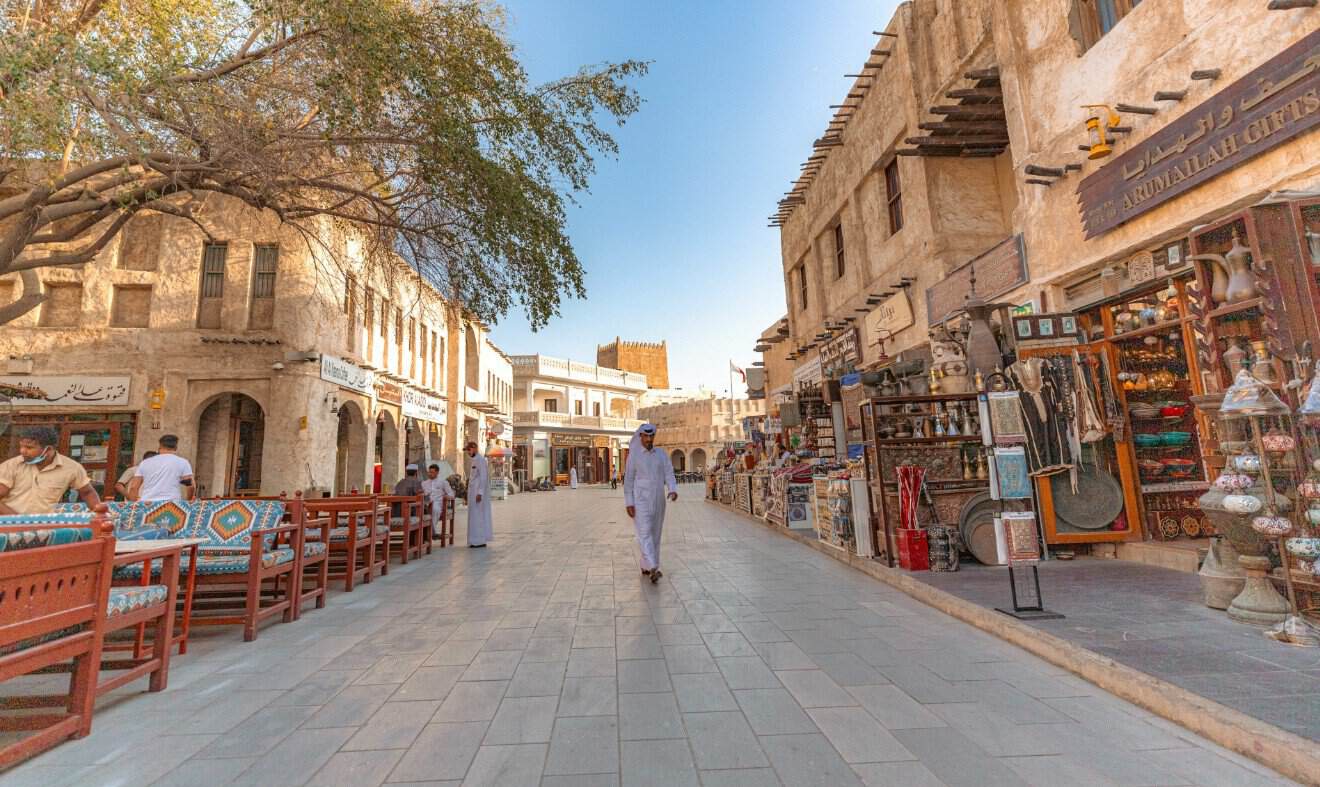
Qatar’s new digital arrival rules mark a major milestone in modernising cross-border movement across the Arabian Gulf, creating seamless transit through Hamad International Airport for regional travellers. Designed to streamline entry protocols, the upgraded digital ecosystem allows passengers arriving from neighboring states, including the UAE and Saudi Arabia, to submit pre-arrival declarations effortlessly via verified government portals. As regional air and land travel evolves under integrated border management frameworks, these digital enhancements eliminate administrative hurdles, reduce processing times at immigration counters, and strengthen regional connectivity across key economic hubs throughout the Gulf Cooperation Council.
Background of Digital Transformation in Gulf Travel
The State of Qatar’s ongoing modernization of its entry systems represents a core pillar of its broader economic and diplomatic vision. Following the success of large-scale digital frameworks such as the Hayya platform—initially deployed for visitor management and entry administration—the Qatari Ministry of Interior, alongside the General Authority of Customs and the Civil Aviation Authority, has continually refined border control mechanisms. The rollout of updated digital arrival rules at Hamad International Airport aligns directly with national strategies aiming to position Doha as a premier transit and tourism hub.
Advertisement
Advertisement
Cross-border mobility between members of the Gulf Cooperation Council (GCC)—comprising Qatar, the United Arab Emirates, the Kingdom of Saudi Arabia, the Sultanate of Oman, the Kingdom of Bahrain, and Kuwait—has historically depended on traditional immigration checks. However, increasing passenger traffic across regional airports has necessitated the migration toward automated, paperless, and pre-verified entry pathways. By integrating advanced biometric processing, pre-travel digital declarations, and real-time database matching across civil aviation channels, Qatar has substantially reduced friction for international visitors and regional residents alike.
The introduction of pre-arrival clearance mechanisms addresses long-standing challenges associated with manual paper forms and unexpected delays at arrival gates. Under the revised systems implemented at Hamad International Airport, data collection takes place prior to boarding, allowing state security and border authorities to perform essential risk assessments and entry verifications in advance. This proactive approach guarantees that arriving passengers who fulfill the entry requirements can proceed swiftly through automated e-gates or dedicated express counters.
Advertisement
Advertisement
┌────────────────────────────────────────────────────────────────────────┐
│                   QATAR DIGITAL ENTRY ECOSYSTEM                       │
├────────────────────────────────────────────────────────────────────────┤
│                                                                        │
│   [ Traveller Pre-Registration ] ──> [ Hayya / MoI Official Portal ]   │
│                                                     │                  │
│                                                     ▼                  │
│   [ Express Immigration Gate ]   <── [ Instant Advanced Screening ]    │
│                                                                        │
└────────────────────────────────────────────────────────────────────────┘
Furthermore, the expansion of interconnected travel arrangements between Qatar, the UAE, and Saudi Arabia highlights a growing commitment to inter-GCC cooperation. Modern travel demands demand real-time verification mechanisms capable of handling tens of millions of passengers annually. By standardising pre-entry submission procedures, the official Qatari migration portals have established a scalable foundation that supports both high-volume point-to-point tourism and complex multi-leg transits across the Middle East.
Latest Official Developments and Border Governance Updates
The official implementation of updated arrival processes at Hamad International Airport reflects coordinated administrative steps taken by the Ministry of Interior and civil aviation officials. Key updates mandate that passengers travelling to or transiting through Doha utilize official government channels to verify entry conditions prior to departure. These channels ensure that visitor documentation—including passport validity, visa status or exemption eligibility, onward transport tickets, and valid accommodation details—is checked long before aircraft wheels touch down on Qatari soil.
Advertisement
Advertisement
Streamlined Processing Protocols
Under the verified system rules, passengers entering Qatar fall into clear, distinct operational tracks:
- GCC Citizens and Residents: Nationals of GCC states retain visa-free access, while expatriate residents holding valid residency permits in neighboring states like the UAE or Saudi Arabia can utilize pre-approved digital channels or streamlined visa-on-arrival workflows depending on their profession and passport nationality.
- Visa-Exempt Foreign Nationals: Citizens from over 100 eligible countries receive entry waivers directly at arrival counters or through e-gates upon demonstrating pre-verified itinerary details.
- Hayya Entry Permit Holders: Visitors requiring advance entry clearance complete their applications electronically through the official Hayya portal, obtaining digital permits that are linked directly to their travel passports.
The General Authority of Civil Aviation has issued strict directives to international airlines operating flights into Doha, instructing carrier staff to confirm that passengers have completed all mandatory pre-arrival documentation before issuing boarding passes. This requirement dramatically curtails instances of passengers arriving at Hamad International Airport without the necessary documentation, thereby avoiding administrative holds, denial of entry, or costly turnbacks.
Advertisement
Advertisement
┌────────────────────────────────────────────────────────────────────────┐
│                    PASSPORT & ENTRY VERIFICATION FLOW                  │
├───────────────────────────────┬────────────────────────────────────────┤
│ Category                      │ Entry Pathway Requirement              │
├───────────────────────────────┼────────────────────────────────────────┤
│ GCC Nationals                 │ National ID / Valid GCC Passport       │
│ Visa-Waiver Eligible Countries│ Pre-verified Accommodation & Onward Ticket│
│ Non-Exempt Passport Holders   │ Approved Digital Hayya Entry Permit    │
└───────────────────────────────┴────────────────────────────────────────┘
To support these digital arrival workflows, physical infrastructure upgrades at Hamad International Airport have expanded the number of operational e-gates and automated border kiosks. Arriving passengers who complete their pre-travel submissions online can scan their passport or biometric profile to pass through border checks in a fraction of the time required for traditional manual inspections.
Government Announcements and Official Directives
Official statements released by Qatari public institutions emphasize that the deployment of digital arrival procedures forms part of a multi-agency strategy to elevate international security standards while enhancing customer experience at entry ports. The Ministry of Interior confirmed that digital documentation remains integrated with national law enforcement and immigration databases, ensuring rapid background checks without causing passenger congestion.
Ministry officials have reiterated that all travellers heading to Qatar must ensure their passports carry a minimum validity of six months from the planned date of entry. In addition, official rules require visitors to maintain documented proof of accommodation—whether through a verified hotel booking or confirmed private residential address—along with a confirmed return or onward flight booking.
┌────────────────────────────────────────────────────────────────────────┐
│                 OFFICIAL QATAR ENTRY CHECKLIST                        │
├────────────────────────────────────────────────────────────────────────┤
│ [✓] Passport valid for at least 6 months beyond arrival date           │
│ [✓] Approved digital permit (Hayya) or verified visa-free status       │
│ [✓] Confirmed hotel reservation or host accommodation clearance        │
│ [✓] Valid return flight or onward journey ticket                        │
│ [✓] Submission of mandatory pre-arrival health/entry declarations     │
└────────────────────────────────────────────────────────────────────────┘
The Civil Aviation Authority has actively coordinated with aviation authorities across the region, notably in the United Arab Emirates and Saudi Arabia, to ensure full operational alignment. Shared information campaigns conducted across major regional air hubs have helped inform passengers about the precise pre-departure steps required. These collaborative efforts minimize confusion at departure gates in Dubai, Abu Dhabi, Riyadh, and Jeddah, allowing regional air connectivity to run smoothly.
Advertisement
Advertisement
Government authorities have also stressed the importance of utilizing only official government portals—such as MoI Qatar or the official Hayya platform—warning travellers against fraudulent third-party service providers or unofficial travel agencies claiming to issue entry permits for inflated fees.
Comprehensive Statistics and Passenger Growth Metrics
The implementation of streamlined digital arrival rules arrives at a moment of record-breaking passenger volumes across the Gulf region. According to official data published by Qatar’s National Planning Council and the Civil Aviation Authority, Hamad International Airport recorded substantial double-digit growth in total passenger movements, reflecting the sustained popularity of Qatar as both a destination and a global transit point.
┌────────────────────────────────────────────────────────────────────────┐
│             HAMAD INTERNATIONAL AIRPORT PERFORMANCE TRENDS             │
├───────────────────────────────┬────────────────────────────────────────┤
│ Performance Metric            │ Official Figure / Growth Rate          │
├───────────────────────────────┼────────────────────────────────────────┤
│ Annual Passenger Capacity     │ > 50 Million Passengers                │
│ Average E-gate Clearance Time │ < 20 Seconds Per Passenger             │
│ Visa-Free Access Nationalities │ > 100 Eligible Countries               │
│ On-Time Departure Rating      │ Consistently Top Tier Globally         │
└───────────────────────────────┴────────────────────────────────────────┘
The expansion of digital processing capacity at Hamad International Airport has direct operational benefits:
- Reduced Counter Queues: Automated pre-arrival checks have successfully reduced average immigration waiting times during peak arrival hours to under 15 minutes for standard lanes and under 30 seconds for e-gate users.
- Elevated Transit Volume: With more than 70% of total airport traffic consisting of connecting passengers, express digital immigration pathways allow international transit travellers to easily exit the airport during long layovers to explore metropolitan Doha.
- Surging GCC Regional Traffic: Air corridors connecting Doha with Abu Dhabi, Dubai, Riyadh, and Jeddah represent some of the busiest routes in the Middle East. Digital integration ensures these high-frequency regional corridors operate with minimal terminal congestion.
Data from national statistics agencies highlight that digital border tools have directly contributed to increased short-stay regional tourism. Expatriate workers and citizens residing in neighboring GCC countries frequently take advantage of simplified digital entry protocols to plan weekend visits, business meetings, and leisure trips to Qatar.
Strategic Policy Implications for Regional Border Governance
The evolution of digital arrival processes at Hamad International Airport carries profound policy implications for the future of border governance across the Middle East. By leveraging integrated digital platforms, Qatar is setting an operational benchmark for modern, secure, and user-friendly entry administration.
┌────────────────────────────────────────────────────────────────────────┐
│                REGIONAL POLICY & GOVERNANCE OBJECTIVES                 │
├────────────────────────────────────────────────────────────────────────┤
│                                                                        │
│   ┌────────────────────────┐         ┌────────────────────────┐        │
│   │ Unified GCC Mobility   │ ──────> │ Integrated Security    │        │
│   │ Standards              │         │ Data Sharing           │        │
│   └────────────────────────┘         └────────────────────────┘        │
│                │                                  │                    │
│                ▼                                  ▼                    │
│   ┌────────────────────────┐         ┌────────────────────────┐        │
│   │ Accelerated Economic   │ <────── │ Automated Border       │        │
│   │ Integration            │         │ Infrastructure         │        │
│   └────────────────────────┘         └────────────────────────┘        │
│                                                                        │
└────────────────────────────────────────────────────────────────────────┘
From a national security perspective, pre-arrival registration system upgrades provide intelligence and immigration agencies with advanced risk assessment capabilities. Collecting passenger data before an aircraft departs its point of origin enables authorities to identify potential entry disqualifications or administrative oversights in real time, preserving the security of Qatar’s ports of entry without resorting to cumbersome manual inspections at the border.
Advertisement
Advertisement
From a regional integration perspective, the alignment of entry systems across the GCC supports broader initiatives aimed at establishing unified travel frameworks. Similar to international multi-state mobility models, a harmonised digital entry landscape across Qatar, the UAE, Saudi Arabia, Oman, Bahrain, and Kuwait encourages seamless multi-destination tourism across the Arabian Peninsula. This policy alignment plays a crucial role in supporting long-term economic diversification strategies that seek to reduce reliance on oil and gas revenues by expanding the hospitality, aviation, and service sectors.
Industry Impact on Aviation, Logistics, and Hospitality
The modernization of entry procedures at Qatar’s flagship airport creates widespread positive spillover effects across multiple commercial sectors. Aviation, tourism, corporate logistics, and retail management all gain operational efficiency from friction-free passenger movement.
┌────────────────────────────────────────────────────────────────────────┐
│                   SECTORAL IMPACT ANALYSIS                             │
├───────────────────┬────────────────────────────────────────────────────┤
│ Sector            │ Primary Operational Benefit                        │
├───────────────────┼────────────────────────────────────────────────────┤
│ Commercial Aviation│ Lower turnaround times; faster passenger clearance │
│ Hospitality       │ Higher occupancy from short-notice weekend travel  │
│ Business Logistics│ Expedited entry for international corporate travel │
│ Travel Agencies   │ Standardised digital permits reduce processing errors│
└───────────────────┴────────────────────────────────────────────────────┘
Commercial Aviation
Airlines operating in the region benefit immensely from standardized digital pre-clearance rules. Automated check-in integration allows airline staff to verify a passenger’s entry eligibility instantly during online check-in or at airport drop counters. This eliminates manual document review delays at check-in desks, drastically lowers airport dwell times, and protects airlines from penalties associated with transporting improperly documented passengers.
Tourism and Hospitality
Qatar’s hospitality sector relies heavily on smooth access for short-stay visitors. Simplified entry rules mean that business travellers, event attendees, and leisure tourists from the UAE, Saudi Arabia, and other markets can finalize travel plans on short notice. Hoteliers in Doha report higher occupancy rates during regional holidays, major conventions, and sports events, driven directly by hassle-free entry options for regional visitors.
Retail and Airport Operations
Inside Hamad International Airport, reduced queues at border clearance points mean passengers spend less time standing in line and more time utilizing airport services. This shift significantly boosts revenues for duty-free retail outlets, dining establishments, premium lounges, and airport hotel services.
Economic Implications for Qatar and the Broader GCC
The broader economic consequences of streamlined digital arrival rules extend far beyond airport terminals. Under the strategic goals outlined in Qatar National Vision 2030, the nation is actively investing in infrastructure to build a knowledge-based, diversified economy. Modern digital border infrastructure is an essential component of this overarching strategy.
Advertisement
Advertisement
┌────────────────────────────────────────────────────────────────────────┐
│                ECONOMIC VALUE CHAIN CREATED BY DIGITAL TRAVEL          │
├────────────────────────────────────────────────────────────────────────┤
│                                                                        │
│   Direct Visitor Expenditure ──> Local Hospitality & Retail Growth     │
│                 │                                                      │
│                 ▼                                                      │
│   Increased Foreign Investment ──> Expanded Commercial Opportunities   │
│                 │                                                      │
│                 ▼                                                      │
│   Inter-GCC Trade Expansion   ──> Sustainable Economic Diversification │
│                                                                        │
└────────────────────────────────────────────────────────────────────────┘
By removing friction from international entry, Qatar boosts its competitiveness as a preferred destination for global events, corporate regional headquarters, and international conferences. Multi-national corporations operating across Dubai, Abu Dhabi, Riyadh, and Doha can deploy personnel across borders rapidly, reducing administrative overhead and accelerating business project delivery timelines.
Furthermore, direct visitor spending across retail, transport, cultural, and hospitality sectors directly supports job creation and small and medium-sized enterprise (SME) development within Qatar. The ongoing digital alignment between Qatar, Saudi Arabia, and the UAE creates a unified regional tourism market capable of competing with established global tourist destinations.
Public, Business, and Regional Tourism Impact
For everyday travellers, business leaders, and tourists, the implementation of enhanced digital travel rules at Hamad International Airport represents a welcome transition toward modern travel convenience.
┌────────────────────────────────────────────────────────────────────────┐
│                      TRAVELLER ADVANTAGES                             │
├────────────────────────────────────────────────────────────────────────┤
│ [1] INSTANT VERIFICATION: Pre-travel permit approvals online           │
│ [2] E-GATE ACCESS: Rapid automated clearance for returning visitors   │
│ [3] CLEAR COMPLIANCE: Transparent entry conditions reduce confusion    │
│ [4] NO SURPRISE FEES: Official entry exemptions published clearly       │
└────────────────────────────────────────────────────────────────────────┘
- Business Travellers: Corporate executives operating across regional capitals can plan multi-city itineraries without facing uncertain immigration wait times or complex manual paperwork.
- Family Tourists: Families visiting Qatar for vacations benefit from transparent pre-arrival requirements. By completing necessary declarations online from home, parents avoid lengthy terminal queues with young children upon landing.
- Transit Passengers: Travellers connecting through Doha on long-distance routes can easily convert transit hours into memorable city tours, thanks to rapid digital entry clearances.
Public response to the digital migration has been overwhelmingly positive, with international travellers commending the clarity, speed, and reliability of the official Qatari border portals.
Verified Statements from Official Public Authorities
Official public records and announcements from government representatives underline the strategic priority assigned to digital transformation in border management.
┌────────────────────────────────────────────────────────────────────────┐
│                  PUBLIC AUTHORITY STATEMENTS SUMMARY                   │
├────────────────────────────────────────────────────────────────────────┤
│                                                                        │
│  "The integration of modern digital platforms at our ports of entry    │
│   reflects Qatar's commitment to delivering world-class service while  │
│   maintaining the highest standards of national security."            │
│   — Ministry of Interior, State of Qatar                               │
│                                                                        │
│  "Enhancing arrival workflows at Hamad International Airport ensures   │
│   that our airport remains a benchmark for efficiency and visitor      │
│   satisfaction globally."                                              │
│   — Qatar Civil Aviation Authority                                     │
│                                                                        │
└────────────────────────────────────────────────────────────────────────┘
These verified commitments highlight that government institutions view border digitization not merely as an administrative update, but as a core element of national economic policy and international diplomacy.
Advertisement
Advertisement
Future Outlook and Next-Generation Smart Border Technologies
Looking ahead, the digital arrival rules implemented at Hamad International Airport represent just the beginning of a broader technological shift. Official planning documents from Qatari aviation and border management authorities indicate that further integration of artificial intelligence, contactless biometric screening, and digital identity wallets will continue over coming years.
┌────────────────────────────────────────────────────────────────────────┐
│                 FUTURE SMART BORDER ROADMAP (2026+)                    │
├────────────────────────────────────────────────────────────────────────┤
│ PHASE 1: Full Implementation of Pre-Arrival Digital Clearances       │
│ PHASE 2: Universal Biometric Walk-Through E-Gates                      │
│ PHASE 3: Complete Integration of GCC-Wide Digital Identity Standards  │
│ PHASE 4: Zero-Touch Touchless Passenger Processing at Entry Ports      │
└────────────────────────────────────────────────────────────────────────┘
Key future developments planned for Qatari entry points include:
- Touchless Biometric Corridors: Advanced facial and iris recognition technologies will allow passengers to walk through immigration clearance corridors without stopping or showing physical passports.
- Inter-GCC Identity Synchronization: Technical discussions among GCC civil aviation bodies aim to establish shared digital identity credentials, allowing citizens and residents across the region to move between countries using secure digital wallets.
- AI-Driven Traffic Forecasting: Predictive analytics will optimize staffing levels at security and immigration zones, eliminating potential congestion bottlenecks during peak holiday seasons.
Through these continuous technological investments, Qatar reinforces its position as a world leader in aviation infrastructure and modern border management.
Advertisement
