
How The Quiet Travel Boom To Bhutan And Botswana Is Changing The Way We Unwind And Recharge

Published
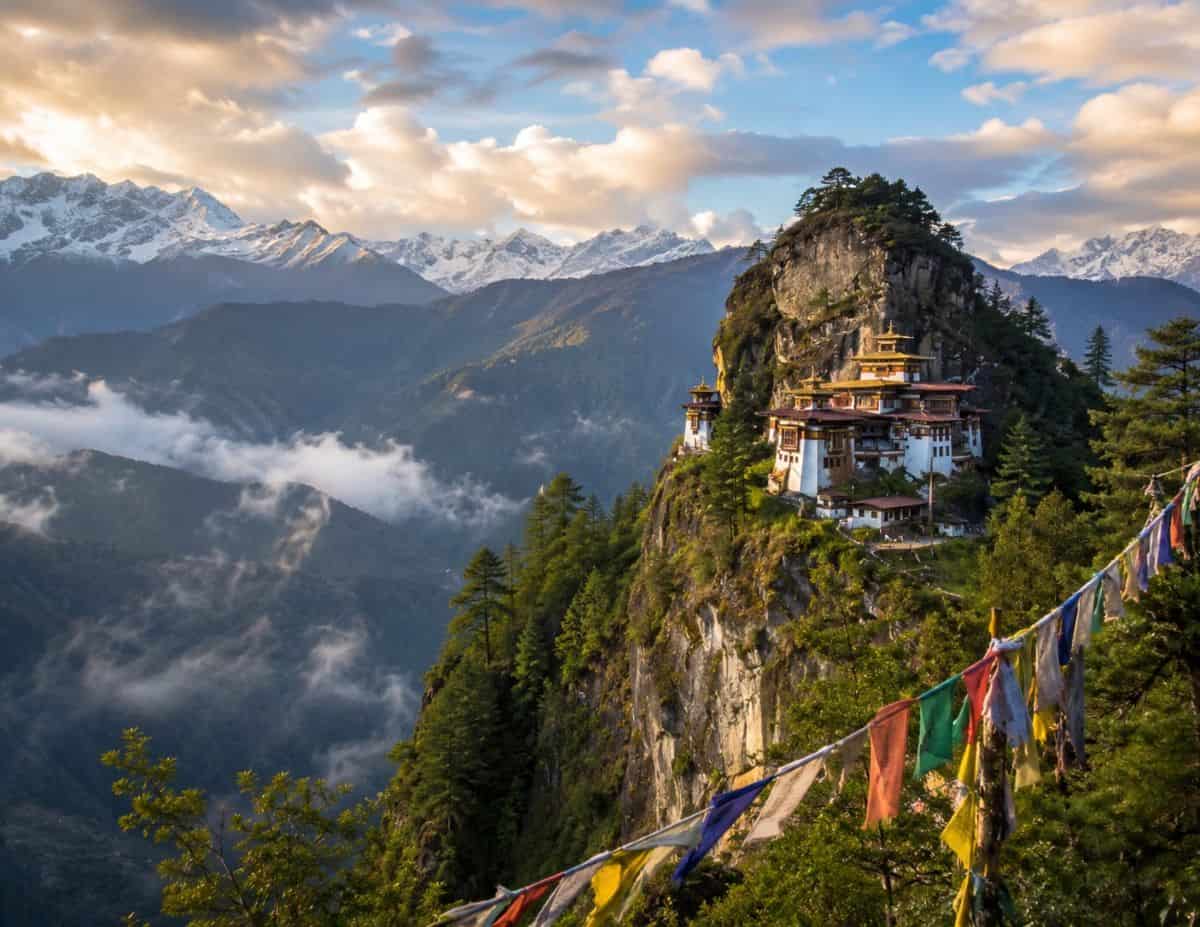
Finding inspiration through something that most would consider the absence of something is unique. True silence is now something everyone wants to experience. So, even though traveling to quiet countries has become a trend, it’s also a needed escape from the daily grind. Travelers are practicing extreme measures by going far away from civilization to experience the absence of everything. Now it is more important than ever, people are avoiding over crowded tourist spots and choosing peaceful, untouched spots. For city travelers, it is an escape to hear only the wind blow and see the stars dazzle in the sky. People who take trips to the quietest countries on the planet, have an escape from the daily burnout and have the chance to connect with nature. The quietest countries have become people’s first choice of relaxation. The travel industry has come to understand weary travelers need something more and have come up innovative services to relax travelers.
Evaluating Global Serenity Through Key Environmental Metrics
An international evaluation framework recently measured acoustic peace across various sovereign nations using a specialized 0–100 scale anchored by seven key indicators. The comprehensive assessment primarily focused on low population & tourist density, calculating the precise concentration of local residents and international visitors per square kilometer. By isolating territories with lower human presence, the index successfully highlighted regions where spatial expanse shields visitors from constant crowd noise. This metric proved crucial in differentiating hyper-developed tourist hubs from vast, uncrowded landscapes.
In addition to demographic measurements, analysts placed significant emphasis on abundant nature, favoring territories characterized by massive proportions of rural terrain and protected wildlife sanctuaries. The study also scrutinized minimal transit infrastructure, evaluating low motor vehicle density, limited commercial airport activity, and sparse train networks. Together, these precise environmental variables provided an objective baseline for identifying places where natural soundscapes remain largely undisturbed by human technology.
Advertisement
Advertisement
The Strategic Value of Scientific Soundscape Assessment
The findings from this multi-variate assessment offer vital strategic insights for destination planners and tour operators globally. As acoustic data becomes more readily accessible to consumers, vacationers are actively utilizing these measurements to structure their long-distance itineraries. Industry stakeholders are beginning to realize that maintaining low transportation noise and restricting vehicle access in ecologically sensitive zones can directly enhance a location’s international appeal. Thus, environmental conservation and soundscape protection have transitioned from niche ecological concerns to primary drivers of global tourism revenue.
Advertisement
Advertisement
Moreover, these comprehensive indicators demonstrate that acoustic quality is intrinsically linked to broader ecological health. Regions that maintain low commercial transit infrastructure inherently generate lower carbon emissions, thereby preserving biodiversity while simultaneously providing quiet havens for travelers. As environmental transparency increases across global platforms, territories that maintain high scores in these categories will continue to attract eco-conscious adventurers. The travel sector must therefore align its developmental framework with these environmental metrics to foster long-term, sustainable economic growth.
Asian Excellence and Bhutan’s Pioneering Tranquility Model
Advertisement
Advertisement
The comprehensive report indicated that Bhutan earned the supreme position globally with an exceptional score of 89.44. Situated in the heart of the Himalayan range, this sovereign nation preserves its profound tranquility through expansive forested mountains, deep river valleys, and strict heritage management policies. Government officials maintain this serene environment by levying a mandatory Sustainable Development Fee on incoming guests, while simultaneously requiring all foreign visitors to organize their itineraries exclusively through licensed local operators. This high-value, low-impact structure successfully prevents overtourism while protecting the nation’s pristine alpine soundscapes.
The remarkable success of this nation underscores the economic viability of controlled, conservation-first tourism models. By prioritizing land protection over mass infrastructure development, sovereign entities cultivate a rare competitive advantage in the global leisure market. Travelers are increasingly willing to pay premium rates for verified access to uncrowded, pristine environments where wildlife and natural sounds take center stage. Consequently, neighboring nations are taking note, evaluating whether similar regulatory frameworks could protect their own natural resources while generating sustainable national income.
African Dominance in Low-Density Conservation Tourism
African nations established a dominant presence throughout the upper tiers of the global index, claiming over half of the top twenty-five positions. Namibia captured the second overall position with an impressive score of 86.69, celebrated for the vast expanses of the Namib Desert and pristine dark-sky stargazing conditions. The country boasts an exceptionally sparse population footprint, recording roughly 3.8 residents and merely 0.67 tourists per square kilometer. Botswana secured the third ranking with a score of 80.86, leveraging a deliberate low-density tourism model within the famous Okavango Delta. Additionally, Zambia claimed the fourth position at 80.64, supported by its remarkable 48% protected land area and world-renowned quiet walking safaris, while Gabon captured the fifth spot with a score of 80.61 due to its dense, untouched equatorial rainforests.
Advertisement
Advertisement
Additionally, the reliance on high-value, low-volume visitor management models in these countries serves as a powerful blueprint for emerging destinations worldwide. Rather than measuring success purely by annual visitor volume, destination leaders are evaluating visitor yield and acoustic preservation. This strategic pivot ensures that delicate ecosystems, such as the wetlands of the Okavango Delta or the ancient dunes of the Namib Desert, remain ecologically intact. As modern vacationers seek meaningful connections with nature, these quiet nations offer unparalleled sanctuary, solidifying their standing as elite global retreats.
Untouched Frontiers and Remote Global Sanctuary Hubs
The comprehensive index highlighted several other sovereign territories within its top ten rankings, including Venezuela in sixth place, Chad in seventh place, Central African Republic in eighth place, Mongolia in ninth place, and Bolivia in tenth place. Each of these diverse countries offers extensive geographical footprints with minimal mechanical interference, allowing natural wind, wildlife, and topographic sounds to dominate the local environment. From the vast windswept steppes of Mongolia to the high-altitude plateaus of Bolivia, these destinations represent untouched geographic frontiers for adventurous travelers seeking ultimate isolation.
These geographic havens demonstrate how expansive wilderness acts as a natural acoustic buffer against industrial sounds. In places like Chad and Central African Republic, vast distances between human settlements create vast zones of near-total silence. Similarly, the high-altitude topography of Bolivia and the sparse nomadic regions of Mongolia allow travelers to experience natural soundscapes completely unfiltered by artificial noise. For the modern leisure sector, these territories represent prime destinations for exclusive, off-the-grid expeditions.
The Urbanization Dilemma Across Dense Continental Markets
In stark contrast to these vast territories, no European nation managed to break into the top twenty-five positions on the global index. This absence was primarily driven by the continent’s high human population density, dense road networks, and extensive commercial aviation corridors. Among European territories, Estonia achieved the highest overall placement, landing at #34. At the absolute bottom of the global scale, Singapore was identified as the noisiest destination surveyed, registering the lowest score due to its intense population concentration, heavy urban traffic, and world-spanning maritime and aviation transport networks.
Advertisement
Advertisement
This profound continental disparity illustrates the systemic challenge facing highly developed, urbanized regions across the globe. While European countries offer rich historical, architectural, and cultural experiences, their pervasive infrastructure network makes true acoustic isolation exceptionally rare. Consequently, European travelers seeking absolute silence are increasingly forced to undertake long-haul journeys to remote African or Asian destinations. This geographic shift in travel patterns is redistributing international tourism capital from traditional western destinations toward previously overlooked regions in the Global South.
The Spatial Trade-Off Between Modernization and Quietude
Furthermore, the low ranking of hyper-dense city-states like Singapore highlights the direct trade-off between rapid economic urbanization and acoustic preservation. While advanced infrastructure drives commercial productivity, it inevitably degrades the natural quietude that wellness travelers crave. Recognizing this vulnerability, urban planners in densely populated hubs are attempting to integrate sound-dampening architecture and expanded green spaces. However, for travelers seeking authentic, wide-open silence, artificial measures cannot replace the vast, uninhabited expanses found across Chad, Central African Republic, or Venezuela.
As urbanization accelerates globally, municipal authorities in developed regions face mounting pressure to address acoustic degradation within city limits. Green noise-reduction barriers, electric transit incentives, and designated quiet zones in metropolitan parks represent early steps toward mitigating urban noise pollution. Yet, despite these urban engineering efforts, international tourists increasingly differentiate between engineered quiet in cities and the profound, natural silence found only in undeveloped wilderness areas.
Shifting Traveler Behaviors and Emerging Hospitality Frameworks
The emergence of these acoustic rankings is set to profoundly reshape global travel patterns over the coming decades. Modern tourists are increasingly abandoning overcrowded metropolitan hotspots in favor of secluded, low-density regions that offer mental restoration. This behavioral pivot is forcing major travel companies, hospitality brands, and tour operators to overhaul their service portfolios. Instead of promoting high-density commercial itineraries, industry leaders are developing wellness-focused packages that highlight silence, dark skies, natural isolation, and immersive outdoor experiences.
Advertisement
Advertisement
This ongoing transformation in visitor preferences also carries significant implications for regional economic development in remote territories. Local communities situated in quiet destinations now possess a unique, highly marketable resource that requires minimal heavy industrial development to monetize. By offering guided nature walks, eco-friendly lodging, and cultural immersion experiences, rural populations can generate sustainable livelihoods while actively protecting their native environments. This alignment of economic incentives with land conservation fosters a resilient, community-centered tourism framework.
Economic Opportunities and Conservation Challenges for Local Communities
However, this growing demand for peaceful destinations presents a delicate balancing act for host governments and local communities. An influx of tourists into fragile, quiet environments risks introducing the very noise and infrastructure pressure that travelers are trying to escape. To prevent environmental degradation, nations highlighted in the index must implement strict visitor quotas, sustainable transportation solutions, and rigorous land-use policies. By protecting their native soundscapes, these quiet territories can secure long-term economic prosperity while providing a permanent antidote to the noise of modern life.
Ultimately, the global movement toward acoustic travel reflects a broader societal recognition that quietude is a finite and precious resource. As urbanization and industrialization continue to expand worldwide, completely silent natural spaces will become increasingly rare and highly prized. Countries that proactively conserve their peaceful environments will not only preserve their natural heritage but will also lead the global tourism sector into a new era of mindful, sustainable exploration. The future of travel belongs to those nations that can offer modern adventurers the ultimate luxury: absolute peace and quiet.
The Physiology of Silence and Acoustic Ecology in Modern Travel
Modern urban living subjects individuals to relentless sensory stimulation, where average metropolitan noise levels consistently range between 65 and 85 dB. In stark contrast, pristine geographic locations such as Bhutan or the Namib Desert record ambient sound levels dropping below 20 to 30 dB, equivalent to a soft whisper or gentle leaves rustling. Exposure to these low-decibel environments initiates profound physiological recovery. Scientific evaluations indicate that spending 48 hours in natural soundscapes measuring below 30 dB triggers a 20% to 30% reduction in cortisol levels, effectively neutralizing chronic stress responses.
Advertisement
Advertisement
Furthermore, acoustic ecology plays a vital role in restoring natural human sleep architecture. When travelers stay in noise-free environments maintaining continuous sound below 30 dB, deep REM sleep cycles increase by up to 25%. This dramatic improvement in rest quality explains why health-conscious adventurers increasingly prioritize acoustic tranquility over traditional cultural attractions. As a result, destination managers are actively measuring local soundscapes to market physiological restoration as a core travel benefit.
Commercial Valuation and Financial Premiums of Soundscape Conservation
Silence has evolved from a passive environmental background feature into a highly monetizable, premium travel asset. High-value, low-volume destination models now generate substantial daily acoustic yields, producing $250 to $500+ per visitor per day through conservation levies and mandatory entry charges, such as Bhutan’s $100 per day Sustainable Development Fee. The broader “silent travel” sector is expanding rapidly, maintaining a projected 12.5% Compound Annual Growth Rate (CAGR) that significantly outpaces traditional mass market travel segments.
Hospitality developers are capitalizing on this demand by establishing strict acoustic boundaries around luxury accommodations. Remote eco-lodges that enforce guaranteed zero-vehicle-noise policies command a 35% to 50% pricing premium compared to standard wilderness resorts. By marketing verified quietude, operators turn soundscape preservation into a resilient revenue generator that finances surrounding land protection.
Noctourism Integration Across Dark-Sky and Acoustic Preserves
The intersection of zero light pollution and minimal noise pollution has given rise to a flourishing nighttime travel economy, commonly referred to as noctourism. Premier destinations like Namibia and Botswana achieve top ratings on the Bortle Dark-Sky Scale, frequently recording Class 1 Excellent Dark-Sky status with measurements exceeding 21.5 mag/arcsec². Environmental data reveals a strong co-index relationship, showing that 80% of top quiet nations also rank in the top 15% for pristine night skies due to limited power grid infrastructure across protected zones.
Advertisement
Advertisement
This dual preservation of darkness and silence yields major financial returns for remote safari operators. Nighttime stargazing excursions and nocturnal wildlife tracking account for up to 18% of total guest expenditure in low-density destinations. Vacationers increasingly seek destinations where nighttime soundscapes remain entirely uninterrupted by artificial light or industrial machinery.
Transit Infrastructure Density and Environmental Noise Footprints
Comparative infrastructure analysis highlights the massive gap in transit noise between quiet nations and urbanized commercial centers. Motor vehicle density figures illustrate this divide clearly, with Namibia recording roughly 0.4 motor vehicles per square kilometer, compared to urban city-states like Singapore, which host over 1,300 vehicles per square kilometer. Sparse vehicle distribution ensures that vast geographic expanses remain completely free from highway noise.
Aviation and rail footprints further dictate a nation’s overall acoustic score. Sovereign territories such as Gabon, Chad, and the Central African Republic maintain over 70% flight-free airspace, shielding ground ecosystems from high-altitude jet noise. Furthermore, near-zero commercial rail line coverage in these regions eliminates low-frequency ground vibrations, securing pristine acoustic isolation across their hinterlands.
Natural Acoustic Buffering Through Forest Vegetation and Biodiversity
Dense natural vegetation and diverse ecosystems serve as organic sound barriers that actively absorb mechanical noise. High canopy coverage metrics, including Gabon’s 88% tropical rainforest coverage and Zambia’s 48% protected land area, provide structural acoustic protection across millions of hectares. Dense forest vegetation achieves sound attenuation rates of 5 to 10 dB per 30 meters of tree cover, naturally dampening ambient noise over short distances.
Advertisement
Advertisement
In these untouched forest systems, biological sounds completely displace human activity. Top quiet destinations exhibit a 95:5 biophony-to-anthrophony ratio, meaning 95% of audible sounds originate from native wildlife, flowing water, and wind, while only 5% derive from human technology. This acoustic dominance of nature offers travelers an authentic, immersive sensory experience.
Carrying Capacity Formulas and Over-Tourism Mitigation Strategies
To prevent acoustic degradation, forward-thinking nations utilize strict carrying capacity formulas that limit human density. Destination metrics reveal stark contrasts in visitor concentration, with Namibia hosting just 0.67 tourists per square kilometer, while popular European regions routinely exceed 500 to 1,000 tourists per square kilometer. Maintaining low tourist density prevents crowd noise from overwhelming fragile natural environments.
Specific regulatory mechanisms ensure these density limits remain permanent. In the Okavango Delta of Botswana, strict bed-night limits restrict lodge concessions to fewer than 20 to 30 beds per property. Controlled entry quotas deliver significant environmental benefits, reducing local carbon and noise footprints by up to 60% per square kilometer while maintaining an exclusive guest experience.
Economic Redistribution via High-Value, Low-Impact Tourism Capital
The rising global demand for peaceful environments is driving a major re-allocation of international travel capital. Global expenditure data tracks a 15% year-over-year shift in luxury travel spending away from crowded Western European capitals toward remote wilderness destinations across Bolivia, Venezuela, and Mongolia. As European countries fail to enter top quietness rankings with Estonia placing highest in Europe at #34 travelers are directing their capital to the Global South.
Advertisement
Advertisement
This capital shift directly benefits local rural communities in host destinations. Under high-value safari models, 40% to 60% of total safari fees remain within host communities, directly funding local employment, regional infrastructure, and anti-poaching units. Consequently, acoustic conservation creates a sustainable economic framework that rewards remote regions for protecting their quiet natural landscapes.
The Final Verdict
There is a very real value in silence. Traveling in silence brings a sense of peace that is often overlooked. Due to COVID, we can all compare our lives to a hike, and during this hike, we are all COVID-induced peace seekers to find spots of silence and disconnection (or) “slow-connect” for the purpose of enjoying peace and interacting mindfully.
Advertisement
