
Taiwan’s Keelung–Ishigaki Ferry Enters New Phase as Seasonal Demand Reshapes Japan Island Tourism

Published
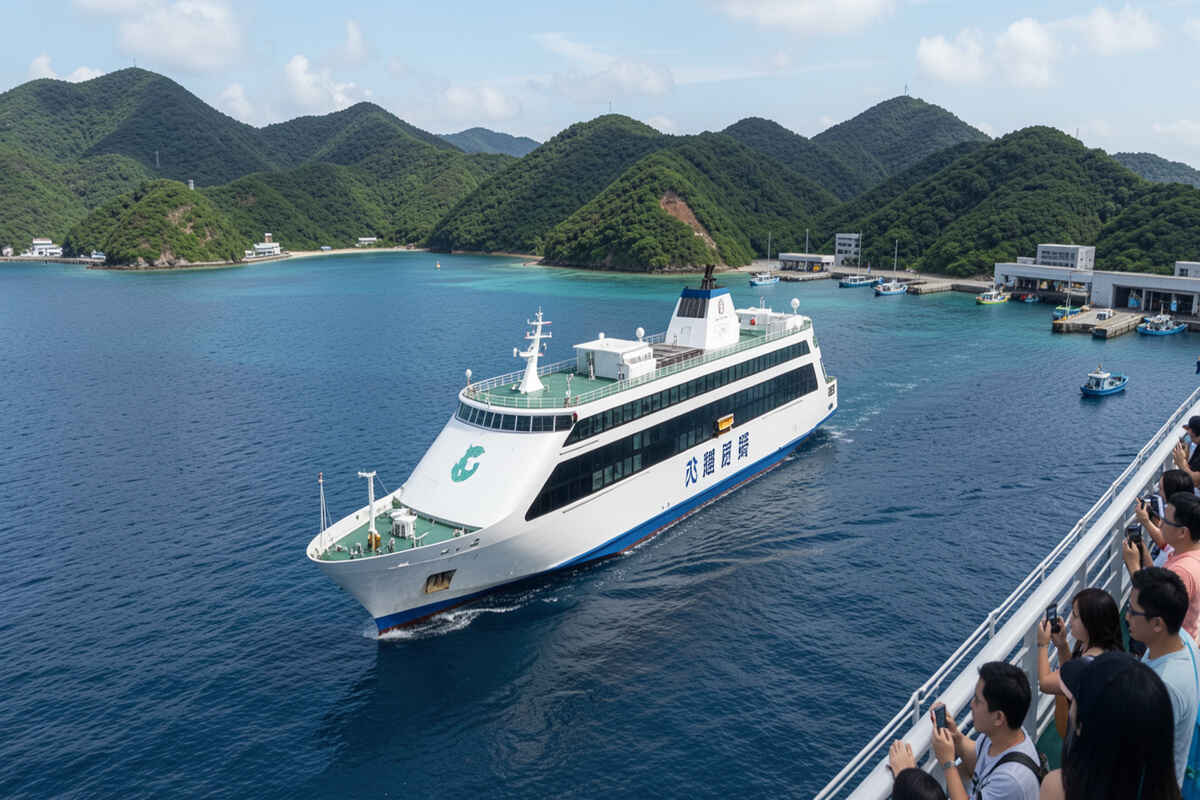
Image generated with Ai
The Keelung–Ishigaki Ferry service operated by Taiwan changes its winter service to match the changing demand for travel to Japan’s outer islands. From October, the Keelung Port to Ishigaki Island passenger service will operate on a reduced service with one trip each week, compared with the current service of two trips each week. From October 2026 until February 2027, the Taiwanese service will follow a trend of decreased service during the off-season for Ishigaki tourism, but will be prepared to offer more service should tourism demand increase.
The ferry route has become an important travel link between northern Taiwan and Japan’s southern island destination. By connecting Keelung with Ishigaki, the service provides travellers with an alternative to air travel while supporting regional tourism, cultural exchanges and cross-border leisure journeys.
Advertisement
Advertisement
Seasonal Schedule Change Reflects Ishigaki Island’s Tourism Patterns
The Keelung–Ishigaki ferry route will operate with fewer departures during the winter period because visitor numbers typically decline outside the peak travel season. From October 2026 until February 2027, the vessel will leave Keelung Port every Thursday and return from Ishigaki every Sunday.
The temporary reduction is designed to match passenger demand while maintaining a reliable connection between Taiwan and Japan. During the busier tourism months beginning in March 2027, the service is expected to return to its previous frequency of two weekly round trips.
Advertisement
Advertisement
The seasonal adjustment follows a common practice in international tourism transport, where operators modify schedules according to visitor flows, weather conditions and travel trends. Ishigaki Island attracts visitors throughout the year due to its beaches, marine activities, natural landscapes and unique Okinawan culture, but demand generally increases during warmer months.
The operator has also indicated that additional sailings could be introduced if passenger numbers rise. Current booking performance remains stable, although extreme weather events, including typhoons, continue to influence travel volumes across the region.
Advertisement
Advertisement
Ferry Route Strengthens Taiwan–Japan Tourism Connectivity
The Keelung–Ishigaki ferry service represents a growing tourism connection between Taiwan and Japan’s Okinawa region. Ishigaki, located in the Yaeyama Islands, has become increasingly popular among international travellers seeking island experiences, outdoor adventures and coastal escapes.
The ferry provides tourists with another option for reaching the destination while creating opportunities for longer regional travel itineraries. Visitors can combine time in Taiwan with an island holiday in Japan, strengthening tourism links between the two markets.
Advertisement
Advertisement
Unlike short-haul flights, ferry travel offers passengers a slower and more scenic journey experience. Travellers can enjoy ocean views, carry more luggage flexibility and experience a different style of international travel.
The route also supports regional economic activity by bringing visitors to ports, hotels, restaurants, local attractions and tourism businesses in both destinations. Increased maritime connectivity can help distribute tourism spending beyond major cities and encourage exploration of smaller island communities.
Passenger Experience and Pricing Review Planned Ahead of Winter Season
Alongside the schedule change, the ferry operator is preparing a revised pricing structure to address passenger concerns about ticket costs. A new pricing plan is expected to be announced in September before the winter travel period begins.
The vessel operating the route, the Yaima Maru, is designed as a passenger-cargo ferry with capacity for 545 travellers and 122 cabins. The ship began operations on the route in late May, introducing a new option for travellers between Taiwan and Ishigaki.
Advertisement
Advertisement
The ferry offers seven different cabin categories, allowing passengers to select accommodation based on budget and comfort preferences. Ticket prices vary depending on the season and cabin type.
During the off-season, basic accommodation starts at around NT$2,000, while premium suites can reach approximately NT$10,500. The wide range of options allows the service to attract different types of travellers, including budget tourists, families and passengers seeking a more comfortable sea journey.
A revised pricing model could play an important role in attracting more visitors, especially as travellers continue to compare transportation costs when planning international holidays.
Future Growth Depends on Tourism Recovery and Passenger Demand
The long-term development of the Keelung–Ishigaki ferry route will depend on continued tourism growth, passenger interest and operational flexibility. The ability to increase sailings during high-demand periods gives the service room to adapt as travel patterns change.
The route arrives at a time when regional tourism across East Asia is recovering strongly, with travellers increasingly looking for diverse holiday experiences beyond traditional city breaks. Island destinations such as Ishigaki are benefiting from growing interest in nature-based tourism, marine activities and slower travel experiences.
For Taiwan, stronger ferry links with Japan provide additional opportunities to expand outbound and inbound tourism connections. For Ishigaki, improved accessibility can support visitor growth while encouraging international travellers to discover destinations beyond Japan’s largest cities.
Advertisement
Advertisement
The upcoming winter schedule reduction does not represent a withdrawal of service but a seasonal adjustment aimed at maintaining sustainable operations. As tourism demand increases during the peak season, the ferry route is expected to play a larger role in connecting Taiwan and Japan through convenient maritime travel.
With flexible scheduling, upgraded passenger facilities and potential pricing improvements, the Keelung–Ishigaki ferry service is positioned to remain an important part of regional tourism connectivity.
Advertisement
