
Morocco’s Railway Vision From Marrakech to Laâyoune Could Unlock a New Future for Sahara Travel

Published
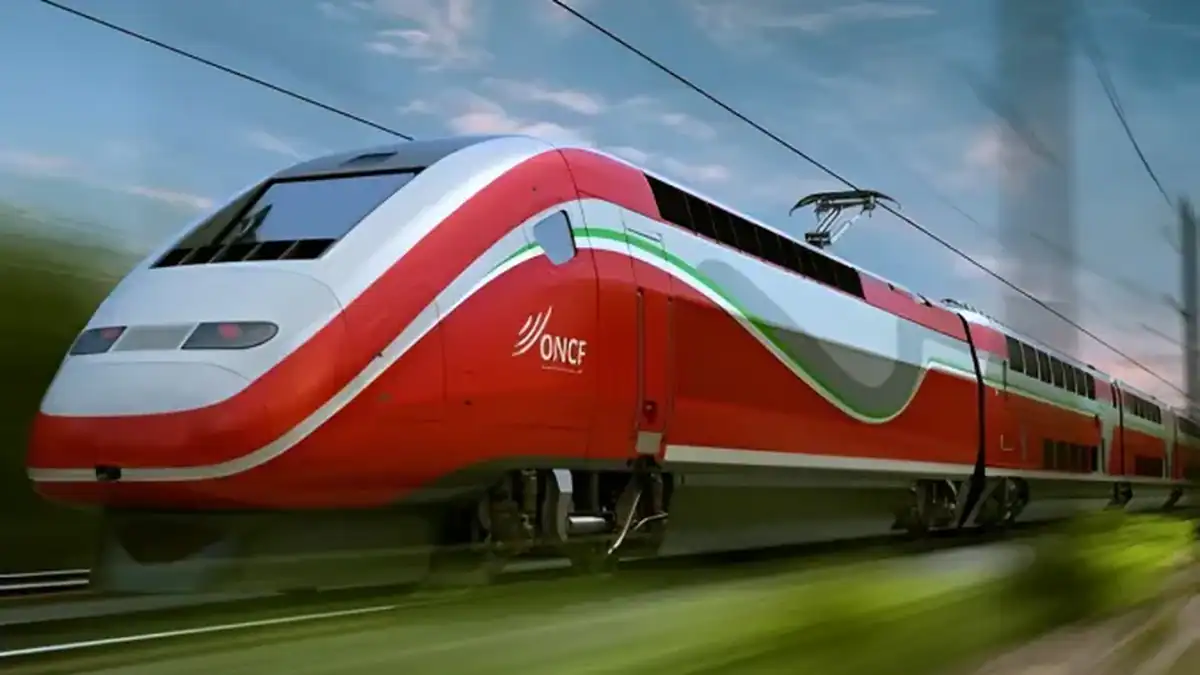
Morocco is advancing a long-term railway transformation that could change how travellers reach southern destinations in the future. While no passenger railway currently extends into the Sahara provinces, Morocco’s high-speed rail expansion, national transport investment strategy and new railway engineering cooperation are creating the foundation for possible future southern connections. The latest development is the strengthening of railway technology capabilities through cooperation between Morocco’s National Office of Railways (ONCF) and Germany’s DB Systemtechnik, focusing on engineering, maintenance and innovation.
Morocco’s Railway Strategy Moves Beyond Cities Towards Future Desert Connectivity
Morocco’s railway future is increasingly linked with a wider national objective: connecting major urban centres with emerging economic and tourism regions. The country’s current railway expansion is centred on strengthening the national network, improving high-speed connections and preparing infrastructure for future demand.
The most advanced confirmed expansion is the Kénitra–Marrakech high-speed rail project, which extends Morocco’s Al Boraq high-speed system towards Marrakech. According to Morocco’s government information platform, the project is designed to reduce travel times between key cities and strengthen sustainable passenger transport capacity.
For international travellers, this development matters because Marrakech is one of Morocco’s strongest tourism gateways. Improving rail access to Marrakech creates a stronger base for future journeys towards southern adventure destinations.
Advertisement
Advertisement
The emerging travel story is therefore not simply about a new railway line. It is about how Morocco is preparing the transport ecosystem required before deeper southern tourism connectivity becomes possible.
Railway Technology Could Become the Missing Link for Sahara Tourism Growth
The latest development adding momentum to Morocco’s railway ambitions is the September 2026 cooperation between ONCF and Germany’s DB Systemtechnik.
Advertisement
Advertisement
The agreement focuses on railway engineering, maintenance expertise and innovation. It includes cooperation areas linked with improving railway performance and exploring modern maintenance approaches.
This creates a new travel industry angle:
Advertisement
Advertisement
Future Sahara connectivity may depend not only on building tracks but also on creating a reliable railway system capable of operating across challenging environments.
Southern Morocco presents unique infrastructure challenges:
| Challenge | Why It Matters for Future Sahara Rail Travel |
|---|---|
| Desert climate conditions | Rail systems require specialised maintenance against heat, dust and environmental stress |
| Long distances between destinations | Efficient operations become essential for passenger confidence |
| Remote tourism locations | Reliable transport is required to support tour operators and hospitality development |
| Seasonal visitor demand | Smart scheduling and predictive maintenance could improve efficiency |
DB Systemtechnik’s expertise includes infrastructure monitoring, maintenance technologies and railway reliability systems, areas that are increasingly important for modern rail networks.
Marrakech to Southern Morocco: The Future Tourism Corridor Taking Shape
The connection between Marrakech and southern Morocco is central to this travel story.
Advertisement
Advertisement
Marrakech currently functions as one of Morocco’s biggest tourism hubs, connecting international visitors with desert excursions, cultural experiences and adventure travel programmes.
A future railway extension towards southern regions could create new travel combinations:
| Current Tourism Route | Possible Future Evolution |
|---|---|
| International arrival → Marrakech → road desert tour | International arrival → Marrakech rail connection → southern destinations |
| Limited access to remote areas | Greater integration of desert tourism circuits |
| Road-dependent adventure travel | Multi-modal rail and road tourism packages |
Morocco’s government has previously highlighted ambitions to strengthen infrastructure links between northern and southern regions. Long-term southern infrastructure planning has included proposals connecting major southern provinces and improving economic integration.
However, these ambitions remain long-term objectives rather than operational passenger railway services.
Why Travel Readers Need to Know This Now
For travellers, the importance of this story lies in understanding where Morocco’s tourism map could move next.
Traditional Morocco itineraries concentrate on:
Advertisement
Advertisement
- Marrakech
- Casablanca
- Rabat
- Tangier
- Fez
Future infrastructure development could increase attention on:
- Laâyoune
- Dakhla
- Guelmim
- southern Atlantic destinations
These regions offer:
- desert landscapes
- coastal experiences
- adventure tourism
- surfing destinations
- cultural travel opportunities
The potential impact is significant because improved connectivity usually changes how destinations are packaged by tour operators.
A destination that requires complicated transfers often remains specialised. Better transport links can allow mainstream international travellers to include less-accessible regions in their itineraries.
Morocco’s Southern Infrastructure Push Extends Beyond Rail
Although railway expansion is the focus, Morocco’s southern connectivity strategy includes multiple transport modes.
The government has highlighted major southern infrastructure projects, including road improvements connecting Tiznit and Dakhla. The Tiznit–Dakhla expressway project is designed to improve movement between southern provinces and strengthen economic links.
Advertisement
Advertisement
This matters because future tourism access will likely depend on an integrated network:
| Transport Mode | Tourism Role |
|---|---|
| High-speed rail | Connects major population and tourism centres |
| Regional rail | Could support future domestic mobility |
| Roads | Provide final connections to remote attractions |
| Airports | Support international and regional arrivals |
A successful Sahara tourism corridor would require all these systems working together.
Morocco Railway Investment Creates Wider Tourism Opportunities
Morocco has announced major railway investment plans towards 2030.
According to Morocco’s government, planned railway investment includes funding for high-speed rail development, new trains, regional transport improvements and station upgrades.
The tourism industry could benefit through:
- easier city-to-city travel
- reduced dependence on private vehicles
- improved accessibility for international visitors
- stronger regional tourism distribution
For travel companies, this could create opportunities for:
Advertisement
Advertisement
- Sahara luxury packages
- rail-and-desert combinations
- cultural circuits
- sustainable tourism itineraries
Traveller Impact: What Visitors Should Expect Now
Travellers planning Morocco trips in 2026 should understand:
Current situation
- Marrakech remains the practical railway gateway for southern tourism experiences.
- Sahara destinations still require road transport or domestic aviation connections.
- No operational Sahara passenger railway route has been confirmed.
Future possibility
A future southern railway connection could:
- shorten travel times
- improve visitor comfort
- expand tourism beyond traditional Moroccan cities
- support new adventure travel products
Key Takeaways for Travel Agents and Tour Operators
- Monitor ONCF announcements for confirmed southern rail developments.
- Avoid marketing Sahara rail journeys until official passenger services are announced.
- Prepare future packages combining Marrakech with southern destinations.
- Follow Morocco’s 2030 transport investment strategy for emerging opportunities.
- Consider sustainable travel products using rail where available.
- Track infrastructure developments around Laâyoune, Dakhla and Guelmim.
Long-Term Outlook
Morocco’s railway transformation represents a broader shift in how destinations are developed. The country is not simply expanding train routes; it is building a transport ecosystem that could redefine tourism movement across its territory.
The immediate travel impact is centred on improved national connectivity, particularly through high-speed rail expansion and railway technology upgrades. The longer-term opportunity lies in whether these developments eventually support deeper southern links towards Sahara destinations.
For international travellers, the significance is clear: Morocco’s future tourism growth may increasingly depend on connecting famous cities with lesser-known landscapes. If future railway plans progress, the journey to Morocco’s desert regions could become one of the country’s next major travel transformations.
Advertisement
