
Spain Housing Decree Could Reshape Madrid Tourism, Short-Term Rentals And Visitor Accommodation

Published
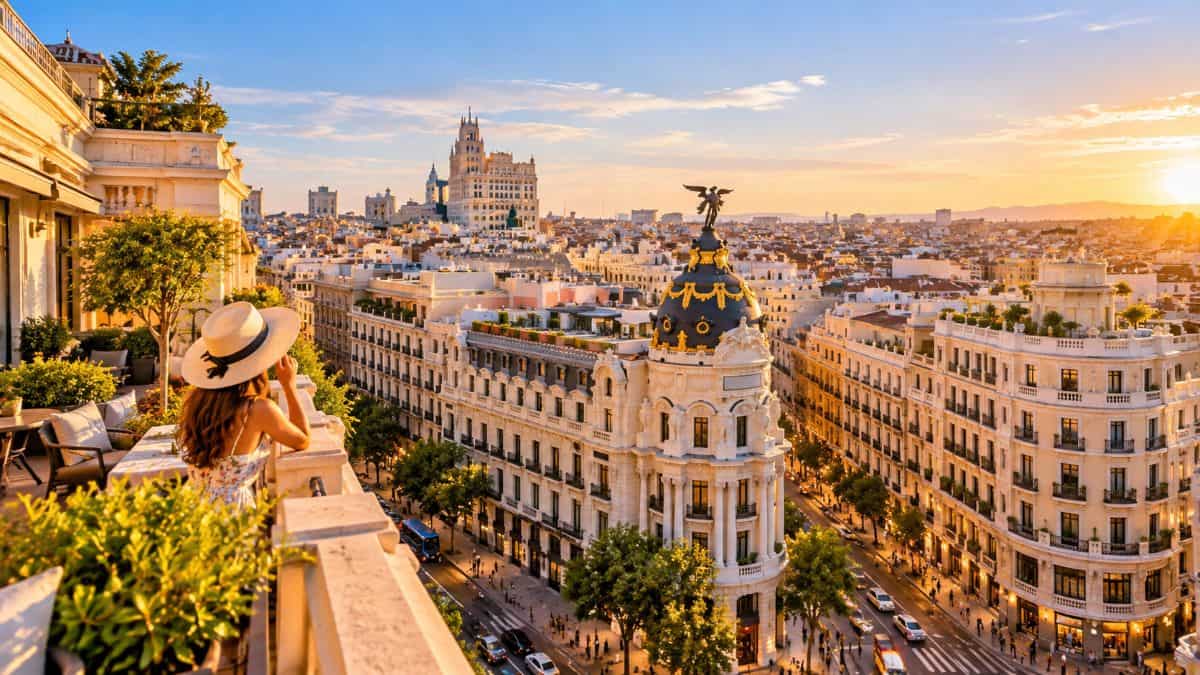
Image generated with Ai
Spain’s Government is preparing a new housing decree for approval by the Council of Ministers on Tuesday, following intense public attention around the eviction of 87-year-old María del Carmen Abascal in Madrid. Prime Minister Pedro Sánchez has said the Government is working to bring forward the measure and has urged parliamentary groups to support it. The development places housing policy firmly at the centre of Spain’s current political debate, while also raising questions for Madrid’s tourism and accommodation market.
For the travel industry, the significance lies less in the political dispute itself and more in how any new housing measures could interact with short-term accommodation, residential supply and the cost of staying in major Spanish destinations. Madrid already has restrictions designed to protect residential use, while regional authorities have tightened requirements for tourist-use properties. At the same time, hotel demand remains substantial: Madrid was among Spain’s leading tourist points for hotel overnight stays in August 2026, even as hotel demand across the country continued to grow.
Spain Housing Debate Moves Towards A New Tourism Policy Question
The proposed decree comes as Spain faces sustained pressure over housing affordability and availability. Sánchez has presented the planned measure as an attempt to address what he describes as a housing emergency affecting vulnerable groups and wider sections of the population. The Government is negotiating with parliamentary groups before the measure proceeds through the legislative process.
The political positions surrounding the proposed decree differ significantly. Junts has indicated that it could support measures targeting large investment funds but has also raised concerns about policies affecting small property owners. Deputy Prime Minister Yolanda Díaz has called for stronger action concerning large investment funds, while the People’s Party and Vox have presented different approaches to the housing issue. These positions remain part of the political debate and should not be treated as evidence of the final contents of the decree.
Advertisement
Advertisement
For tourism businesses, the important issue is whether the eventual measures change the balance between residential housing and accommodation supplied to visitors. Any changes affecting landlords, investment ownership, rental contracts or tourist-use properties could influence the accommodation landscape in Spain’s major urban destinations.
Madrid Faces A Direct Housing And Tourism Intersection
Madrid is particularly important because housing pressures and tourism activity increasingly overlap in the city centre. The capital introduced its RESIDE plan to protect residential use and regulate where tourist apartments can operate. Under the framework, tourist apartments in residential buildings in the historic centre are restricted, while certain tourism uses can operate in buildings dedicated entirely to tourist accommodation.
Advertisement
Advertisement
The city has subsequently reported a significant reduction in registered tourist-use apartments. According to Madrid City Council, the number fell from 22,435 in August 2024 to 13,431 in May 2026, representing a 40% decline. The same source reported a 15% decline across Spain over the comparable period.
This creates an important distinction for the tourism sector. A reduction in individual tourist apartments does not automatically mean a reduction in visitor demand. Instead, demand can shift towards hotels, hostels, regulated tourist accommodation and other forms of professionally managed lodging.
Advertisement
Advertisement
| Tourism Area | Current Situation | Potential Implication |
|---|---|---|
| Tourist apartments | Increasing regulatory requirements | Greater pressure on non-compliant supply |
| Hotels | Strong visitor demand | Potential opportunity for additional demand |
| Hostels | Growing regulatory recognition | More accommodation diversification |
| Residential housing | Policy focus on protection | Possible changes to urban accommodation supply |
| Tourism investment | Greater regulatory scrutiny | More emphasis on compliant, professional projects |
Madrid Tourism Remains Strong Despite Housing Pressure
Madrid enters this debate with a large and economically significant tourism sector. The city reported 17.896 billion euros in international tourism expenditure for 2025, up 11% from 2024, while international visitors accounted for 59% of total visitors and 66% of overnight stays.
The capital is also targeting higher-value tourism, business travel, cultural experiences and a broader geographical distribution of visitors across the city. These priorities could become increasingly relevant if accommodation regulation limits the expansion of tourist apartments in traditional residential areas.
Hotel performance across Spain provides additional context. National hotel overnight stays rose 1.4% year on year in August 2026, while non-resident overnight stays increased 2.8%. Madrid was among the country’s leading tourist points by hotel overnight stays, although the Community of Madrid recorded a 3.3% annual decline in hotel overnight stays in August.
This mixed picture suggests that regulation alone will not determine tourism performance. Visitor demand, hotel capacity, pricing, air connectivity, events, business travel and wider economic conditions will continue to shape the market.
Advertisement
Advertisement
Tourist Rental Regulation Could Affect Visitor Accommodation
Madrid has already moved towards a more controlled model for tourist-use housing. In March 2026, the regional government updated requirements for tourist apartments and homes, including rules concerning minimum room sizes, maximum occupancy and basic equipment. The revised framework also prohibits the activity in certain protected housing and where building communities prohibit it under applicable rules.
The regional government also updated its tourism legislation in June 2026, adding accommodation categories such as hostels and areas for motorhomes while strengthening rights and obligations for tourism businesses. The reform was presented as an attempt to adapt regulation to changing forms of accommodation and traveller demand.
For international visitors, the practical consequence could be a continued shift towards professionally managed accommodation. Travellers booking short stays in Madrid may increasingly encounter regulated hotels, hostels and authorised tourist properties rather than a rapidly expanding supply of apartments embedded within residential buildings.
Aviation And Connectivity Remain Crucial To Madrid Tourism
Housing regulation does not operate independently of connectivity. Madrid’s position as an international gateway means visitor demand depends heavily on air links connecting Spain with Europe, the Americas and other long-haul markets.
The city reported the United States as its largest international source market in 2025, followed by Italy, France, the United Kingdom and Mexico. International demand therefore has a substantial role in supporting hotels, restaurants, attractions, cultural venues, retail and business services.
If accommodation capacity becomes more constrained in central areas, the tourism industry may have to respond through hotel development, alternative accommodation formats and better distribution of visitors across Madrid’s wider metropolitan area. Such changes could also encourage travellers to consider neighbourhoods beyond the traditional central tourism districts.
Advertisement
Advertisement
Hospitality And Tourism Investment Could Gain Importance
Greater scrutiny of residential tourist accommodation could increase the strategic importance of conventional hospitality investment. Hotels and professionally operated accommodation providers can offer large-scale capacity while operating within established tourism regulations.
However, any shift towards hotels would depend on actual visitor demand, financing conditions, planning permissions, construction costs and the availability of suitable sites. It would also require destinations to balance tourism growth with residents’ expectations around housing, congestion, noise and neighbourhood services.
Madrid’s tourism strategy has already placed emphasis on experiences, decentralisation and business tourism. These areas could become more important if future housing policies make it harder to expand visitor accommodation through individual residential properties.
Key Tourism Opportunities In 2026
The emerging situation could create several areas of opportunity for Spain’s tourism industry. Regulated hotel accommodation could benefit if some visitor demand moves away from tourist apartments. Hostels and other officially recognised accommodation formats may also have greater scope to expand where local planning permits.
Madrid could additionally strengthen neighbourhood tourism by encouraging visitors to explore areas outside the most concentrated central districts. This would potentially spread visitor spending across restaurants, museums, cultural attractions, retail businesses and local services.
The policy environment may also encourage tourism investors to place greater emphasis on compliance, professionally managed properties and projects designed specifically for hospitality rather than conversion of residential housing.
Advertisement
Advertisement
Challenges And Uncertainties
The central uncertainty is the content and implementation of the new housing decree. As of September 28, 2026, the Government is still negotiating parliamentary support, meaning its final provisions and legislative trajectory should not be assumed.
The tourism sector also faces a broader balancing challenge. Policies designed to increase residential housing supply could affect certain accommodation businesses, while restrictions on tourist-use properties could alter prices or availability in particular markets. Conversely, maintaining a strong supply of visitor accommodation remains important for Madrid’s international tourism economy.
There is also a distinction between national housing policy and Madrid’s existing municipal and regional tourism rules. Businesses operating tourist accommodation must continue to comply with the relevant local and regional requirements regardless of the outcome of the national political negotiations.
Future Outlook For Spain Travel And Tourism
Spain’s housing debate is increasingly intersecting with the future structure of urban tourism, particularly in Madrid. The planned housing decree could add another layer to an already evolving regulatory environment, but its ultimate effect on travel will depend on the measures adopted and how they interact with existing tourism and planning rules.
For travellers, the most visible change could be a continued move towards regulated accommodation and professionally operated hotels, hostels and tourist properties. For tourism businesses, the focus is likely to remain on compliance, capacity, pricing and the availability of suitable accommodation in high-demand districts.
Madrid’s strong international tourism economy means the city must manage both sides of the equation: preserving residential capacity while maintaining sufficient accommodation for visitors, business travellers and international events. If current regulatory trends continue, the capital’s tourism market could increasingly favour formally managed accommodation and a more geographically distributed visitor economy rather than unrestricted expansion of tourist housing within residential neighbourhoods.
Advertisement
Advertisement
FAQs
What is Spain’s new housing decree about?
The Spanish Government is preparing a new housing decree aimed at addressing housing pressures. Its final measures and parliamentary outcome were still being negotiated as of September 28, 2026.
Why could the housing decree matter to tourism?
Housing measures can affect the availability and regulation of properties used for tourist accommodation, potentially influencing hotels, tourist apartments and other lodging providers.
Could Madrid tourist apartments be affected?
Potentially. Madrid already has municipal and regional rules governing tourist-use housing, so any national measures could interact with an existing regulatory framework.
What is Madrid’s RESIDE plan?
RESIDE is Madrid’s framework for protecting residential use while regulating tourist accommodation and directing certain tourism uses towards appropriate locations and buildings.
Has the number of tourist apartments in Madrid changed?
Madrid City Council reported that tourist-use apartments declined from 22,435 in August 2024 to 13,431 in May 2026.
Could hotels benefit from tighter tourist-rental regulation?
They could potentially receive additional demand if some visitors move from tourist apartments to hotels or other regulated accommodation, although the actual effect would depend on supply, pricing and traveller preferences.
Advertisement
Advertisement
Is Madrid still attracting international tourists in 2026?
Yes. Madrid remains one of Spain’s major tourism destinations, while national hotel data for August 2026 showed continued growth in non-resident overnight stays.
Which international markets are important for Madrid tourism?
The United States was Madrid’s largest international source market in 2025, followed by Italy, France, the United Kingdom and Mexico.
Could the housing debate affect tourism investment?
It could influence investment decisions involving tourist apartments, hotels and property conversions by increasing the importance of planning, licensing and regulatory compliance.
What should travellers expect from Madrid’s accommodation market?
Travellers may increasingly encounter regulated hotels, hostels and authorised tourist accommodation as Madrid continues to strengthen controls around tourism uses in residential buildings.
Advertisement
