
Western Australia Wildflowers and Ningaloo Create a New Spring Nature Trail

Published
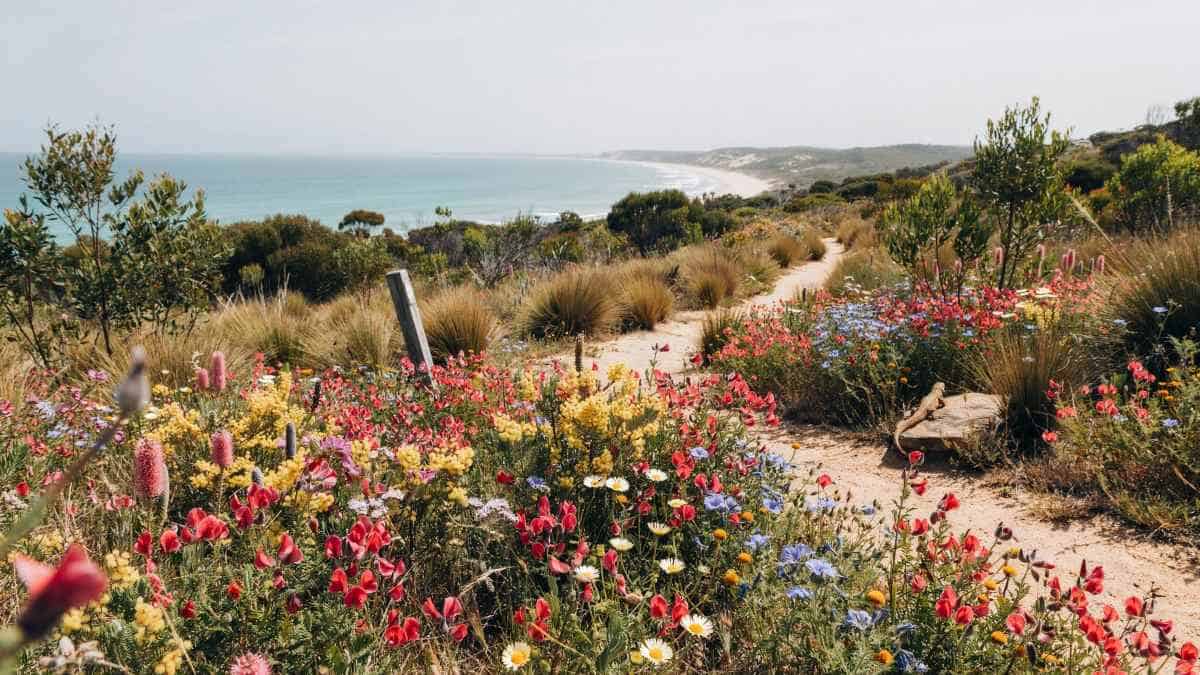
Western Australia has started the spring period of its annual wildflower season, attracting tourists to the Coral Coast and Golden Outback through botanical trail activities, natural environments and animals. There are more than 12,000 wildflower varieties located in Western Australia, and the flowering season spreads throughout various regions within months. The Coral Coast region is recognised as one of Western Australia’s top wildflower locations by Tourism Western Australia, while the wildflower season spreads from the northern Pilbara to the Goldfields and southern parts of Western Australia. This gives the chance to link the flower trails on the land with boat tours along Ningaloo Reef. In the Coral Coast region, there is an option to travel through inland bush, coastal national parks and the World Heritage-listed Ningaloo Reef.
Coral Coast Enters Its Peak Wildflower Period
Advertisement
Advertisement
The Coral Coast stretches for about 1,100 kilometres and includes destinations such as Cervantes, Jurien Bay, Geraldton, Kalbarri, Shark Bay and the Ningaloo Coast.
Wildflowers typically appear across the Coral Coast from July through October, with different areas reaching their strongest displays at different times. Tourism information highlights everlastings, orchids, wreath flowers, wattles and other native species along the region’s trails.
Advertisement
Advertisement
For travellers arriving during September and October, the flowering season provides access to established walking routes as well as guided excursions. Mullewa, in the Mid West, is known for its wildflower displays and Wreath Flowers, while the surrounding countryside offers bushland trails and roadside viewing opportunities.
The Mullewa Wildflower Walk provides a moderate route of about 2.68 kilometres, with signs identifying local plant species. A second Mullewa Bushland Trail covers approximately 2.37 kilometres and incorporates natural and cultural interpretation.
Advertisement
Advertisement
Golden Outback Adds Remote Wildflower Landscapes
Further inland, the Golden Outback provides a different setting for spring flower travel. Open plains, red-earth landscapes and remote communities form the backdrop to seasonal displays, with carpets of everlastings among the best-known sights.
Advertisement
Advertisement
Morawa and surrounding parts of the Golden Outback are recognised for spring wildflowers, while the broader region forms part of Western Australia’s extensive seasonal flowering route.
The state’s wildflower season is particularly significant because around 60 per cent of Western Australia’s flowering plant species are found nowhere else in the world. This gives botanical travel a strong regional focus, with visitors moving between different landscapes to see changing species and flowering periods.
Indigenous Experiences Add Cultural Context
Indigenous-led tourism is becoming part of the wider nature-travel offering across Western Australia. Tourism Western Australia promotes Aboriginal bushfood and wildflower experiences that connect native plants with traditional knowledge and local cultural interpretation.
Advertisement
Advertisement
More than 30 Aboriginal tours and experiences are highlighted in the state’s dedicated Aboriginal Bushfood and Wildflower Trails programme. These experiences can add cultural context to botanical journeys, particularly for travellers seeking guided interpretation rather than independent plant spotting.
Around the Coral Coast and Ningaloo region, visitors can also encounter landscapes connected to Aboriginal communities whose cultural relationships with Country extend across coastal, marine and inland environments.
Ningaloo Connects Wildflower Trails With Marine Travel
The Ningaloo Coast provides a natural extension to a wildflower itinerary. The World Heritage-listed Ningaloo Reef runs alongside the Coral Coast and offers snorkelling, diving, wildlife cruises and other marine activities.
The reef is about 300 kilometres long and supports more than 500 fish species and 200 coral species. Tourism Western Australia highlights opportunities to encounter whale sharks, humpback whales, manta rays, turtles and other marine life depending on the season.
For travellers visiting during the current spring period, humpback whale activity is particularly relevant. Tourism Western Australia lists June to November as a period when migrating humpback whales can be seen around parts of the Ningaloo Coast, including viewpoints around Exmouth.
Advertisement
Advertisement
Whale shark encounters operate on a different seasonal cycle. The species is generally associated with Ningaloo from March through August, linked to the annual coral spawning period. Travellers planning a spring itinerary should therefore check current marine conditions and seasonal wildlife availability before booking specific excursions.
Exmouth and Coral Bay Form Key Bases
Exmouth and Coral Bay are practical bases for exploring Ningaloo. From Exmouth, visitors can reach Cape Range National Park, Ningaloo Marine Park and coastal viewpoints, while Coral Bay provides direct access to reef activities.
Tourism Western Australia currently promotes itineraries combining Cape Range landscapes with Ningaloo marine experiences and wildflower viewing. One established seven-day route covers approximately 3,040 kilometres and combines driving, walking, boating and reef activities.
Visitors can also choose glass-bottom boat tours, snorkelling trips, diving excursions and wildlife cruises. The marine activities can be combined with shorter inland walks, creating a varied itinerary without requiring travellers to focus exclusively on either flowers or the reef.
Western Australia’s 2026 Spring Season Brings Nature and Culture Together
This year’s wildflower season is also being celebrated in Perth by means of the Everlasting Kings Park Festival, which will take place between 18 September and 4 October. This festival features walking tours, workshops and presentations that have a focus on the biodiversity and cultural heritage of native flowers in Western Australia. As far as international travellers are concerned, the overall trip may start in Perth and continue north via the Coral Coast to the cities of Geraldton, Kalbarri, Shark Bay and Ningaloo. Alternatively, one may go inland to visit the regions of the Golden Outback. The combination of seasonal wildflowers, Aboriginal culture, outback attractions and Ningaloo experiences makes the state of Western Australia a true spring tourism destination in which botanical and marine tours may both be enjoyed in one region.
Advertisement
