
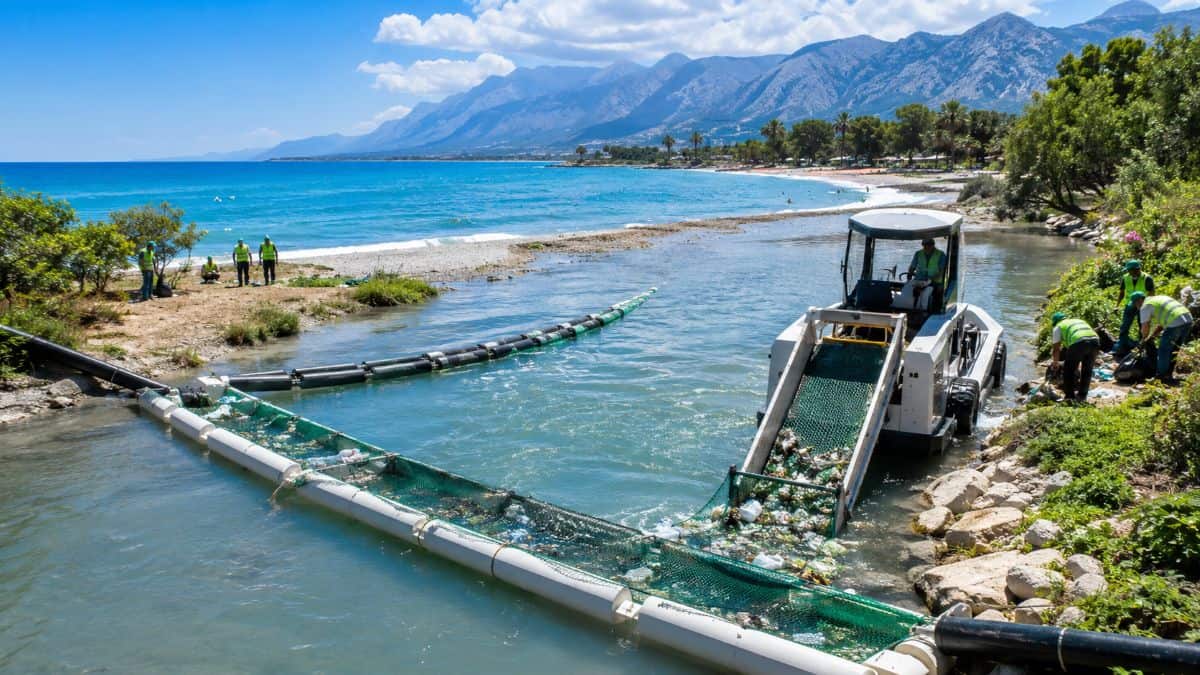
Image generated with Ai
Antalya has announced a comprehensive environmental initiative aimed at protecting its Mediterranean coastline from the growing threat of marine plastic pollution, reinforcing the city’s position as one of the world’s leading coastal tourism destinations. The new strategy focuses on preventing waste from reaching the sea through river-based interception systems, strengthening marine cleanup operations, and expanding long-term environmental management practices that support sustainable tourism. The program reflects increasing recognition that healthy coastlines are essential not only for biodiversity but also for the economic resilience of destinations that rely heavily on international visitors seeking clean beaches and pristine marine environments.
The initiative brings together regional authorities, environmental organizations, and industry stakeholders to address pollution at its source rather than relying solely on shoreline cleanups. Officials believe that intercepting floating waste before it enters the Mediterranean will significantly reduce the volume of plastics washing onto Antalya’s famous beaches. Alongside expanded cleanup technologies and greater public awareness efforts, the program is designed to preserve the city’s internationally recognized Blue Flag coastline while supporting broader environmental goals linked to climate resilience, responsible tourism, and marine ecosystem conservation.
Advertisement
| Initiative | Purpose | Expected Tourism Impact |
|---|---|---|
| River barrier installation | Stop floating plastic before reaching the sea | Cleaner beaches |
| Coastal monitoring | Detect pollution hotspots | Improved visitor experience |
| Marine cleanup equipment | Remove floating debris | Enhanced coastal quality |
| Public awareness campaigns | Reduce plastic consumption | Sustainable travel culture |
| Ecosystem protection | Preserve marine biodiversity | Stronger nature tourism |
Antalya has intensified efforts to protect its Mediterranean shoreline through a broad environmental strategy targeting marine litter and plastic waste. The coastal destination, renowned for attracting millions of domestic and international travelers every year, considers environmental quality a fundamental pillar of its tourism economy. Officials have therefore prioritized preventive measures capable of reducing pollution before it spreads across beaches and marine habitats.
Rather than focusing exclusively on post-pollution cleanup activities, authorities are directing resources toward interception, monitoring, and long-term coastal management that can provide sustainable environmental benefits.
Advertisement
Advertisement
A major component of the initiative involves installing protective barriers across river mouths that discharge into the Mediterranean. Environmental assessments have identified rivers as one of the principal pathways through which plastic waste reaches coastal waters before being dispersed by currents.
Authorities plan to gradually expand the barrier system across rivers flowing into Antalya’s coastline, creating a preventative network capable of capturing floating debris before it reaches beaches, marinas, and marine ecosystems.
The approach emphasizes upstream pollution control, reducing the burden on coastal cleanup operations while improving water quality throughout the tourism season.
Experts acknowledge that marine pollution cannot be viewed solely as a local issue because ocean currents transport plastic waste across national borders throughout the Mediterranean basin.
Recent monitoring has shown that debris reaching Antalya’s shoreline may originate from multiple coastal regions around the Mediterranean. This underlines the importance of international environmental cooperation alongside local conservation initiatives.
Authorities believe stronger regional collaboration, shared environmental standards, and coordinated marine protection strategies will become increasingly important as countries work together to reduce plastic entering shared waters.
| Tourism Asset | Environmental Benefit |
|---|---|
| Blue Flag beaches | Higher environmental standards |
| Clear coastal waters | Better visitor satisfaction |
| Healthy marine ecosystems | Sustainable recreation |
| Clean public beaches | Improved destination reputation |
| Protected biodiversity | Long-term tourism resilience |
Antalya possesses one of the world’s largest concentrations of Blue Flag beaches, making environmental quality central to its international tourism reputation.
Maintaining these standards requires continuous investment in waste management, water quality monitoring, environmental education, and pollution prevention.
Officials say cleaner beaches contribute directly to visitor satisfaction, encouraging repeat travel while strengthening Antalya’s competitiveness within the Mediterranean tourism market.
Alongside preventative river barriers, authorities are increasing the deployment of specialized marine cleanup equipment designed to collect floating waste from coastal waters.
Mechanical collection systems capable of removing plastics and other floating debris will be introduced across marinas, fishing harbors, and coastal facilities where waste often accumulates.
These technologies complement manual beach cleaning by addressing pollution before it reaches sensitive shoreline environments.
Officials expect expanded equipment deployment to improve operational efficiency while reducing long-term environmental damage.
Marine scientists continue to warn that plastic pollution affects fish populations, seabirds, sea turtles, and countless marine organisms throughout the Mediterranean.
Over time, larger plastic items fragment into microscopic particles that enter marine food chains, creating ecological and potential public health concerns.
Reducing the quantity of plastic entering coastal waters remains one of the most effective strategies for minimizing long-term environmental impacts.
The latest measures aim to prevent this process by intercepting waste before prolonged exposure to sunlight and wave action breaks it into microplastics.
Authorities emphasize that infrastructure alone cannot eliminate marine pollution.
Successful environmental protection depends upon reducing single-use plastic consumption, improving recycling practices, encouraging responsible waste disposal, and increasing environmental awareness among residents, visitors, tourism businesses, and maritime industries.
Educational initiatives are expected to complement engineering solutions by encouraging behavioral changes that reduce plastic entering rivers and coastal environments.
This collaborative approach supports both environmental stewardship and sustainable destination management.
Hotels, tour operators, marinas, diving centers, recreational boating businesses, and coastal restaurants all benefit from healthier marine environments.
Cleaner beaches improve visitor experiences while supporting activities including swimming, snorkeling, sailing, diving, and marine wildlife observation.
Environmental conservation increasingly influences traveler decision-making, particularly among visitors seeking sustainable tourism destinations.
By investing in coastal protection, Antalya also strengthens its long-term economic resilience within an increasingly competitive global tourism market.
The new environmental measures represent part of a broader vision focused on preserving Antalya’s natural assets for future generations.
Authorities continue evaluating additional technologies, improved monitoring systems, expanded partnerships, and stronger environmental policies capable of reducing pollution across the region.
The strategy combines practical infrastructure investments with public engagement and international cooperation to build a more resilient coastal ecosystem capable of supporting tourism, biodiversity, and local communities over the coming decades.
Antalya’s expanded marine protection initiative demonstrates how environmental conservation and tourism development can reinforce one another. By combining river barrier systems, enhanced marine cleanup technologies, ecosystem protection, and community awareness, the destination aims to preserve the natural beauty that attracts millions of visitors annually.
As global tourism increasingly prioritizes sustainability, cleaner coastlines and healthier marine ecosystems will remain essential competitive advantages. Antalya’s proactive approach illustrates how preventive environmental management can protect both ecological resources and the long-term success of one of the Mediterranean’s premier travel destinations.
1. What is Antalya’s new marine protection initiative?
It is a comprehensive environmental program focused on reducing plastic pollution through river barriers, marine cleanup technologies, and coastal conservation measures.
2. Why are river barriers being installed?
The barriers are designed to intercept floating plastic waste before it enters the Mediterranean Sea.
3. How will the project benefit tourism?
Cleaner beaches and healthier marine ecosystems improve visitor experiences and help preserve Antalya’s reputation as a leading coastal destination.
4. Why is plastic pollution a concern for the Mediterranean?
Plastic waste harms marine life, damages ecosystems, and can spread across countries through sea currents.
5. What role do Blue Flag beaches play in the initiative?
Maintaining Blue Flag standards supports environmental quality and strengthens Antalya’s international tourism appeal.
6. Will additional cleanup equipment be introduced?
Yes. Authorities plan to expand mechanical systems that collect floating debris from coastal waters.
7. How does the initiative address microplastics?
By preventing larger plastic waste from entering the sea, the project reduces future microplastic formation.
8. Can visitors contribute to the program?
Yes. Responsible waste disposal, reducing single-use plastics, and supporting sustainable tourism practices all contribute to cleaner coastlines.
9. Why is international cooperation important?
Marine pollution crosses borders, making regional collaboration essential for protecting the Mediterranean ecosystem.
10. What is the long-term objective of the initiative?
The goal is to safeguard Antalya’s marine environment, preserve biodiversity, maintain high tourism standards, and promote sustainable coastal development.
Advertisement
Advertisement
Advertisement












Friday, September 4, 2026

Friday, September 4, 2026

Friday, September 4, 2026

Friday, September 4, 2026

Thursday, September 3, 2026

Wednesday, September 2, 2026

Friday, September 4, 2026
Friday, September 4, 2026


