
Tanzania Looks Beyond Ngorongoro as Northern Safari Tourism Expands Community Routes

Published
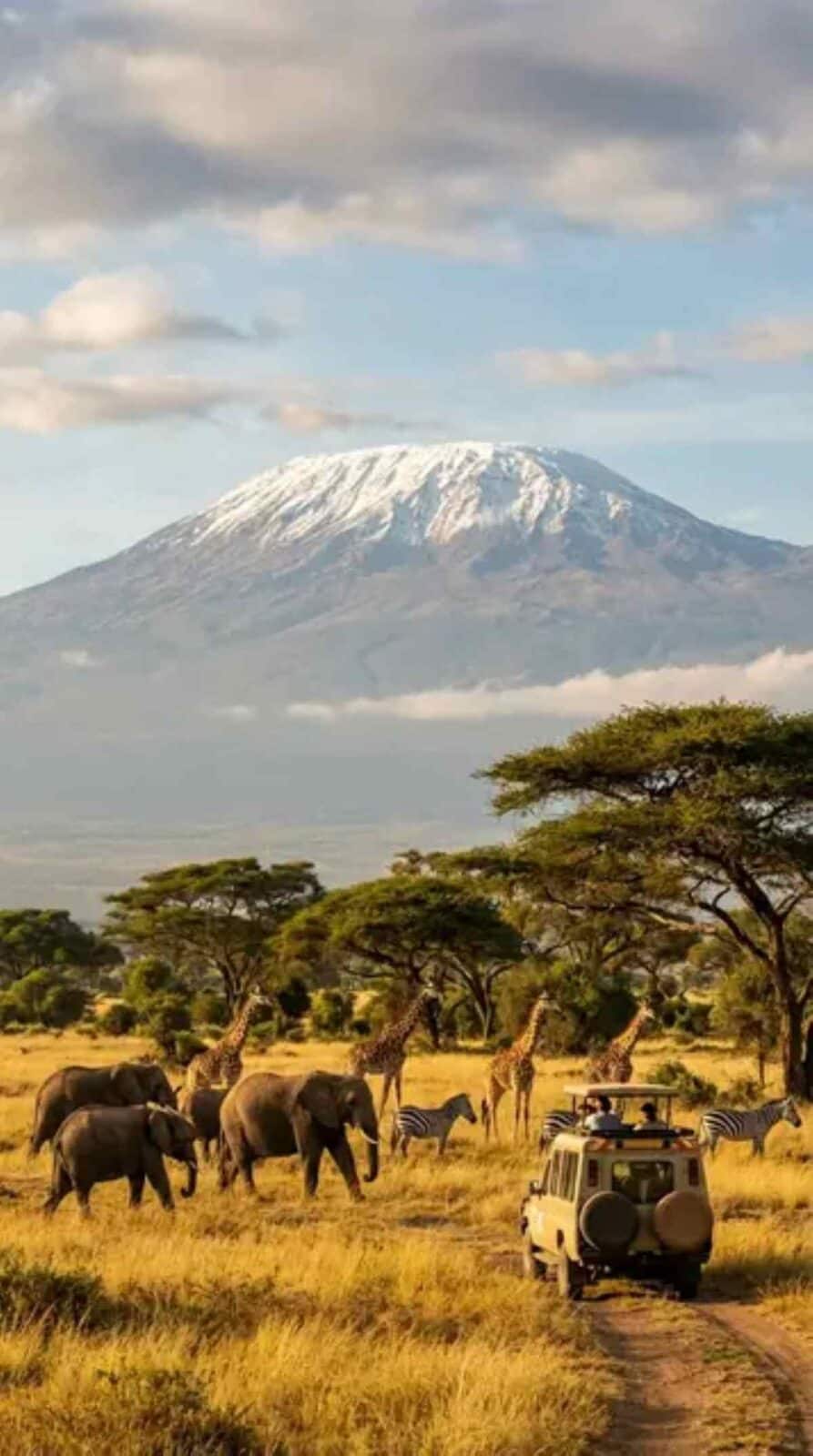
The Northern Safari Circuit in Tanzania is increasingly moving past some of its more well-known wildlife attractions as part of efforts by tourism planners to spread tourist activity to a wider network of areas. The September 27th briefing outlines an initiative by the Tanzania National Parks Authority in which dynamic pricing is employed to shift autumn overland travellers away from the Ngorongoro Crater, and incentives are used to encourage tourists to take alternative routes to culture and walking safaris near Babati and Lake Eyasi. The exact dynamic pricing scheme, reduced park entrance fees, and route diversion incentives outlined in the briefing could not be independently verified within any official sources examined. It does seem clear, however, that the overall framework for tourism in Tanzania encourages such diversity and community involvement.
Ngorongoro Remains a Major Tourism Anchor
Advertisement
Advertisement
The Ngorongoro Conservation Area remains one of Tanzania’s defining tourism landscapes. The crater, archaeological sites and surrounding highlands form part of a protected area recognised for its exceptional natural and cultural importance.
Its popularity also means that tourism management is closely connected with conservation. Ngorongoro is not simply a conventional national park. The conservation area has long involved both wildlife protection and human communities, making decisions around tourism more complex than visitor numbers alone.
Advertisement
Advertisement
For travellers moving through the Northern Circuit, Karatu has become an important gateway. The town sits close to the Ngorongoro Conservation Area and acts as a base for visitors travelling towards Ngorongoro and Serengeti.
That gateway role creates an opportunity to encourage longer stays and alternative experiences before or after the major crater visit.
Advertisement
Advertisement
Mto wa Mbu Offers a Different Tourism Experience
Mto wa Mbu, near Lake Manyara, provides one of the clearest examples of tourism diversification in the region.
The town is known for cultural experiences involving local communities, traditional food, crafts, agriculture and walking tours. Visitors can experience everyday life rather than spending their entire itinerary inside a safari vehicle.
This matters because community-based tourism can distribute tourism spending beyond major lodges and park operators. It also gives travellers another reason to spend time in the region rather than treating towns such as Mto wa Mbu as transit points.
The model fits Tanzania’s broader effort to increase the economic contribution of tourism to local communities while expanding the range of experiences available to international visitors.
Babati Opens Another Route Into Northern Tanzania
Advertisement
Advertisement
Babati, in Manyara Region, sits outside the most concentrated safari corridors but has access to lakes, mountains, forests and cultural attractions.
The area provides a potential base for slower forms of tourism, including hiking, birdwatching, cultural visits and community experiences. Such activities can complement traditional wildlife safaris while reducing the dependence of local tourism economies on a small number of flagship attractions.
The supplied September briefing’s claim that discounted park fees have specifically been introduced around Babati could not be verified. But the underlying concept of developing secondary destinations is consistent with Tanzania’s tourism diversification goals.
For Northern Circuit operators, that could mean building itineraries around several smaller experiences instead of relying almost entirely on a single headline attraction.
Lake Eyasi Brings Indigenous Culture Into the Story
Lake Eyasi offers one of the region’s most distinctive cultural tourism opportunities. The lake and surrounding communities are associated with the Hadzabe and Datoga peoples, whose traditions have attracted interest from visitors seeking cultural experiences alongside wildlife safaris.
Advertisement
Advertisement
Cultural tourism involving indigenous communities requires particular care. Experiences should be community-led, respectful and structured so that local people retain meaningful control over how their traditions are presented.
The idea of expanding Hadzabe and Datoga community tourism therefore has potential, but the quality of implementation matters as much as the number of visitors attracted.
A successful model would allow communities to benefit economically while protecting cultural dignity and avoiding tourism experiences that reduce living traditions to performances designed solely for visitors.
Arusha Can Help Redistribute the Northern Circuit
Arusha remains the principal gateway for many Northern Circuit safaris and is therefore central to any attempt to broaden tourism routes.
The city can connect visitors with experiences extending towards Tarangire, Manyara, Ngorongoro and Serengeti, while also serving as a base for cultural, culinary and urban experiences.
Advertisement
Advertisement
A more diversified circuit could encourage travellers to spend additional nights in smaller destinations, spreading accommodation, guiding, transport and food spending across a larger geographical area.
That would also make the tourism economy less dependent on the performance of individual flagship attractions.
Tanzania’s Tourism Strategy Is Broadening
The official tourism policy of Tanzania is gradually becoming one that seeks diversification of the country’s tourist destinations, sustainability of its tourism sector, community involvement and attraction creation in various regions. The government has also been encouraging cultural, historical, beach, mountain and nature tourism alongside the traditional safari tourism. The intention is certainly not to make people less interested in famous tourist locations like Ngorongoro Crater but to have a whole tourism package in and around such famous tourist locations. The claims made on 27th September about dynamic TANAPA pricing and route diversion fees are yet to be confirmed. What is already clear is the advantage in terms of strategy that can be derived from the diversification of tourism. For tourists, there is the potential possibility of having a Northern Circuit that will involve more time spent visiting villages, landscapes, cultural and community tourist attractions in Karatu, Mto wa Mbu, Babati and Lake Eyasi than travelling to and from the famous national parks.
Advertisement
