
South Africa Faces Big Tourism Pressure as Ghana Warns Against Non-Essential Travel Amid Rising Xenophobic Incidents Across Johannesburg, Pretoria, Durban and Cape Town

Published
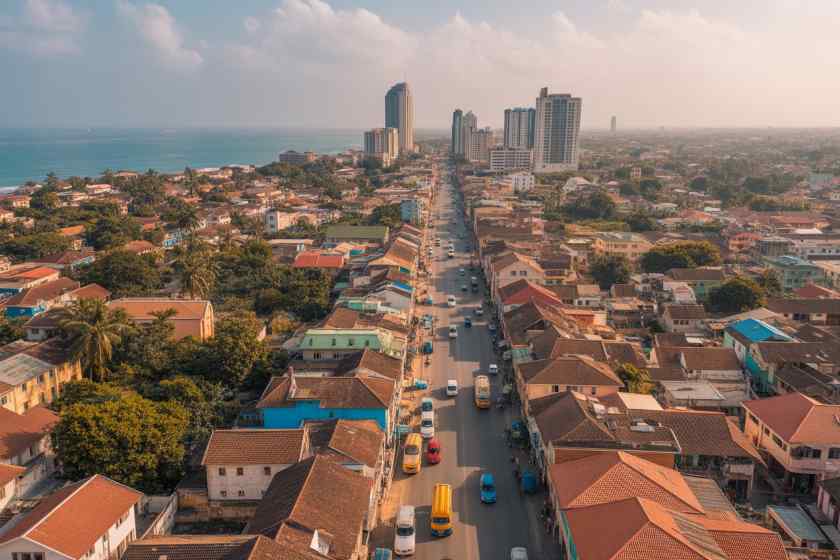
Johannesburg, Pretoria, Durban, and Cape Town are under renewed scrutiny following a travel advisory issued by the Government of Ghana warning its citizens against non-essential travel to South Africa. The advisory, announced in Accra on June 1, 2026, cites concerns over reported xenophobic incidents targeting African nationals and has introduced new uncertainty into travel flows between two of Africa’s most influential economies.
The development has attracted attention across the African tourism and aviation sectors because of the close economic, cultural, and travel connections between West Africa and Southern Africa. As one of the continent’s most visited destinations, South Africa relies heavily on intra-African tourism, business travel, and regional connectivity.
Advertisement
Advertisement
For travelers, airlines, hotels, and tourism businesses, the advisory introduces a new factor influencing travel planning across the region.
Ghana Raises Concerns Over Reported Xenophobic Incidents
According to the advisory issued by Ghanaian authorities, concerns have emerged regarding incidents allegedly involving anti-immigrant groups targeting African nationals in parts of South Africa.
Advertisement
Advertisement
The Ghanaian government reported cases involving physical assaults, business closures, property damage, looting, and the seizure of commercial establishments. Authorities described the incidents as a source of serious concern for the safety and well-being of Ghanaian citizens residing in or traveling to South Africa.
The advisory encourages citizens to avoid non-essential travel while urging those already present in South Africa to remain vigilant and maintain contact with Ghana’s diplomatic mission for assistance and updates.
Advertisement
Advertisement
The announcement represents one of the strongest travel-related statements issued by an African government regarding travel to another major African destination in recent years.
Diplomatic Engagement Intensifies Between Ghana and South Africa
The situation has prompted a series of diplomatic actions by Ghana.
Advertisement
Advertisement
Authorities have reportedly submitted formal diplomatic communications regarding the issue and summoned South Africa’s Acting High Commissioner in Accra for discussions. Ghana has also elevated the matter to the African Union, signaling its desire for broader continental engagement on concerns surrounding the safety of African nationals.
The diplomatic response highlights the significance of the issue beyond tourism alone, touching on broader themes of regional cooperation, mobility, and Pan-African integration.
For the travel industry, diplomatic developments often play an important role in shaping traveler confidence and destination perception.
Tourism and Travel Industry Monitor Potential Impact
South Africa remains one of Africa’s most important tourism destinations, attracting millions of visitors each year through its diverse attractions, wildlife experiences, cultural heritage, business events, and international connectivity.
Advertisement
Advertisement
Cities such as Cape Town, Johannesburg, Durban, and Pretoria serve as major gateways for travelers from across Africa and the wider world. The country also functions as a critical aviation hub linking Southern Africa with global markets.
Travel advisories issued by foreign governments can influence traveler behavior, particularly when safety concerns are involved. While tourism activity continues across South Africa, industry stakeholders are closely monitoring how the advisory may affect travel demand from Ghana and other regional markets.
The tourism sector often depends heavily on traveler confidence, making perception management an important consideration during periods of heightened attention.
Intra-African Tourism Plays a Critical Economic Role
The advisory arrives at a time when African nations are working to strengthen regional tourism and improve intra-African travel flows.
Visitors from other African countries represent a significant segment of South Africa’s tourism market. Business travelers, conference attendees, students, leisure tourists, and visiting friends and relatives travelers contribute substantially to tourism revenues and related economic activity.
Any reduction in regional travel demand can affect airlines, hotels, transportation providers, restaurants, tour operators, and numerous supporting industries.
Advertisement
Advertisement
The situation underscores the importance of maintaining safe travel environments and positive visitor experiences as African destinations compete for growing regional tourism demand.
Evacuation Support Highlights Government Concerns
One of the most notable elements of the advisory is Ghana’s decision to facilitate the return of citizens who wish to leave South Africa.
Authorities have indicated support for evacuation and repatriation efforts while continuing to engage with South African officials regarding the safety of Ghanaian nationals. The move reflects the seriousness with which the Ghanaian government views the current situation.
For travelers and tourism professionals, such measures often serve as indicators of heightened official concern and reinforce the need to monitor developments closely.
The evolving situation may also encourage travelers to review travel insurance options, stay informed about government advisories, and maintain flexibility in travel planning.
South Africa Calls for Stability and Continued Tourism Growth
South Africa’s tourism sector remains one of the most developed on the continent and continues to attract international and regional visitors through a wide range of tourism offerings.
Advertisement
Advertisement
From the beaches of Cape Town and Durban to wildlife experiences in national parks and business events in Johannesburg and Pretoria, the country remains a major tourism destination within Africa.
Industry stakeholders continue emphasizing the importance of maintaining traveler confidence, ensuring visitor safety, and supporting the recovery and growth of tourism across all source markets.
The ability to address security concerns effectively will remain important for sustaining tourism performance and regional travel relationships.
Travel Advisors Urged to Stay Updated
The advisory highlights the growing importance of real-time travel information within the tourism industry.
Travel advisors, tour operators, and tourism businesses serving African markets are being encouraged to monitor official government guidance, airline policies, and destination updates. Travelers increasingly rely on accurate information when making decisions regarding international travel.
Flexibility in bookings, travel insurance coverage, and awareness of local conditions have become important components of responsible travel planning, particularly when advisories or security concerns arise.
Advertisement
Advertisement
As the situation develops, industry stakeholders are expected to continue evaluating its potential implications for regional travel demand.
Conclusion
Johannesburg, Pretoria, Durban, and Cape Town remain among Africa’s leading tourism destinations, but Ghana’s advisory against non-essential travel has introduced a new challenge for South Africa’s tourism sector. The warning, issued in response to concerns about reported xenophobic incidents, has prompted diplomatic engagement, travel advisories, and efforts to support affected Ghanaian citizens.
While tourism and travel activity continue across South Africa, the development highlights the close relationship between traveler confidence, destination reputation, and regional mobility. As African tourism continues expanding, maintaining safe and welcoming environments for visitors will remain essential to sustaining growth and strengthening intra-African travel connections.
Advertisement
