Moulina Dhara
Moulina Dhara
Moulina Dhara
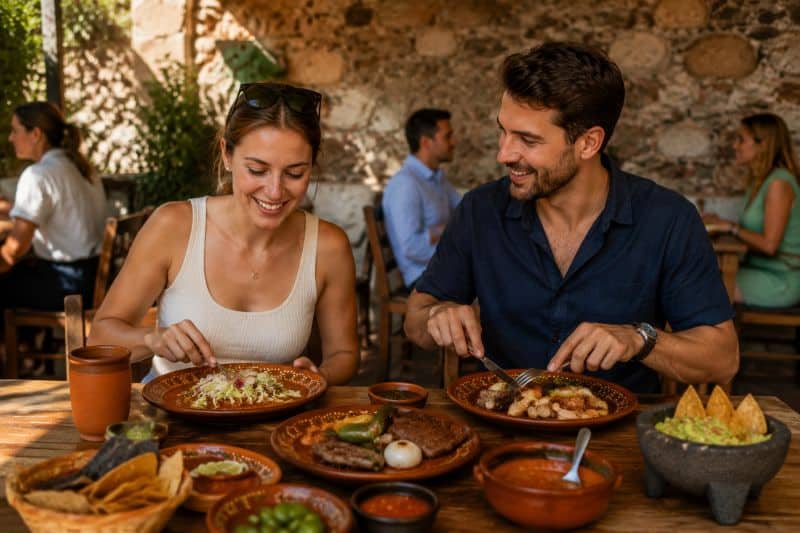
Image generated with Ai
In Mexico’s northern region, the state of Chihuahua is proving itself to be a destination which combines cuisine culture and tourism development. The area, known for its desert terrain, agriculture, and diverse culture, is being increasingly recognized within Mexico’s overall tourism development plan as a food-tourism destination.
With increasing trends in international tourism of experience-oriented travel, Chihuahua’s blend of food culture, heritage and large-scale landscape makes it increasingly important for Mexico’s tourism industry.
Advertisement
Chihuahua’s culinary profile plays a central role in shaping its tourism identity. The state is widely associated with dishes and ingredients that have influenced Mexican cuisine nationally and internationally. Among these, wheat-based flour tortillas and filled tortilla dishes have strong historical roots in the northern region’s daily food culture.
The evolution of these food traditions is closely linked to the agricultural and livestock economy of northern Mexico. The region’s cattle farming industry supports a strong beef production sector, which is widely used in local cuisine and contributes to restaurant offerings across the state.
Advertisement
Advertisement
Cheese production is another defining feature of the region’s food landscape. A semi-soft cheese variety widely known in Mexico as Chihuahua cheese has been developed and refined over generations, particularly within agricultural communities that have settled in the region for more than a century. These food traditions form part of culinary tourism routes that attract visitors interested in regional gastronomy.
Chihuahua is one of Mexico’s key agricultural regions, with significant production of crops that contribute to both domestic food supply and export markets. The cultivation of chilli peppers is a major component of its agricultural economy, with multiple varieties grown across irrigated and desert-adapted farming systems.
The agricultural sector supports food-based tourism by linking farm production with culinary experiences in urban and rural settings. Visitors increasingly engage with food production landscapes, local markets, and traditional cooking practices, contributing to the development of agri-tourism in northern Mexico.
Wine production has also expanded in recent years in select areas of the state, where climatic conditions allow for viticulture in desert environments. In addition, traditional spirits such as sotol, produced from native desert plants, have gained attention as part of Mexico’s broader artisanal beverage heritage.
Advertisement
Advertisement
These agricultural and culinary products are increasingly integrated into tourism offerings, including tastings, guided tours, and regional dining experiences that highlight local production methods.
Beyond gastronomy, Chihuahua offers significant cultural tourism experiences linked to indigenous heritage and traditional ways of life. The region is home to the Rarámuri people, also known internationally for their connection to the Sierra Tarahumara mountain region.
Cultural tourism in this area focuses on traditional knowledge systems, community-based tourism initiatives, and guided experiences that highlight indigenous heritage. Visitors engage with local customs, crafts, and sustainable living practices that remain closely tied to the natural environment.
These cultural elements contribute to a growing interest in responsible and community-centered tourism models across Mexico, where indigenous identity plays a key role in shaping visitor experiences.
One of the most significant tourism assets in Chihuahua is the Copper Canyon system, known in Spanish as Barrancas del Cobre. This extensive canyon network is larger in scale than several internationally recognized canyon systems and forms a major anchor for adventure tourism in the region.
The landscape supports a range of tourism activities, including hiking, scenic rail journeys, and nature-based exploration. The region’s mountainous terrain, deep valleys, and varied ecosystems attract travelers seeking outdoor experiences beyond traditional beach destinations.
The Chepe Express railway connects key points across the canyon region, offering a structured tourism route through some of northern Mexico’s most dramatic landscapes. This rail corridor has become an important element in regional tourism infrastructure, linking remote communities with larger urban centers and supporting visitor access to natural attractions.
Chihuahua City serves as a primary urban gateway for visitors to the state. The city combines modern infrastructure with historic architecture, museums, and dining establishments that reflect the region’s evolving cultural identity.
Urban tourism in Chihuahua City is increasingly centered on gastronomy, cultural heritage sites, and events that highlight regional traditions. Restaurants and culinary spaces in the city present both traditional northern Mexican cuisine and contemporary interpretations of local dishes, contributing to a diversified tourism offering.
The city also functions as a logistical base for excursions into surrounding natural and rural areas, making it a key entry point for both domestic and international travelers.
Tourism development in Chihuahua is increasingly aligned with global demand for authentic and locally grounded experiences. Visitors are drawn to destinations where food, landscape, and culture intersect in meaningful ways.
In this context, Chihuahua’s identity as a culinary region is closely connected to its broader tourism strategy. Food traditions, agricultural landscapes, and cultural heritage sites collectively shape the visitor experience and contribute to destination differentiation within Mexico’s tourism sector.
The integration of gastronomy and tourism is also reflected in regional branding efforts that emphasize local production, traditional recipes, and culinary heritage as central components of travel experiences.
Within the rich variety of the tourism industry of Mexico, the state of Chihuahua is becoming more and more regarded as a new destination for gastronomic and cultural tourism. This is due to the agricultural potential, traditional cuisine, indigenous background, and large natural resources of the region, which allows creating the multiple-layered package for tourists.
With the diversification of tourist flows all over the world away from beach resorts and large cities, the regions like Chihuahua attract attention with the possibility of creating integrated tourism products that involve food, culture, and landscapes.
Advertisement
Advertisement
Advertisement













Saturday, September 5, 2026

Friday, September 4, 2026

Saturday, September 5, 2026

Thursday, September 3, 2026

Wednesday, September 2, 2026

Saturday, September 5, 2026

Saturday, September 5, 2026