
Norway Joins Denmark and More Others as Stockholm Attractions Drive Sweden Travel in 2026

Published
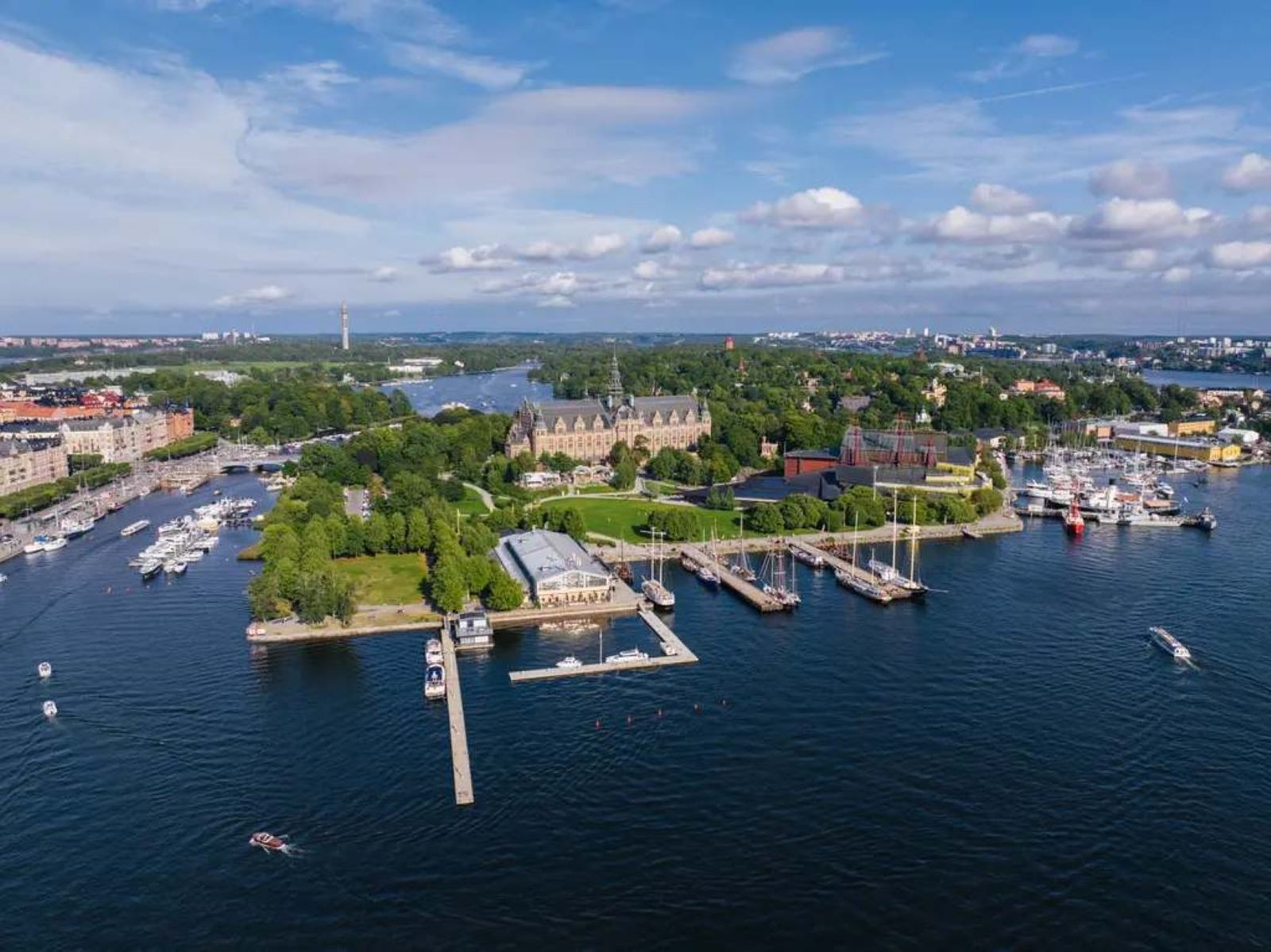
Norway joins Denmark and more others in shaping stronger interest in Stockholm attractions as Sweden travel gains wider attention in 2026. Stockholm is a vibrant capital city known for it’s waterfront neighborhoods, world-class museums, scenic streets and areas, cultural experiences and more. Mix that with it’s royal history and dozens of green islands, and Stockholm becomes the perfect city for short, or extended visits. Popular tourist areas such as Djurgarden and Gamla Stan provide visitors with alternative means of touring the city beyond standard sight-seeing. As one of the more up and coming city destinations in Europe, Sweden and it’s surrounding areas provide ample opportunity for cultural, natural and city tourism.
Stockholm Attractions Gain Importance as Sweden Travel Expands in 2026
Stockholm sits at the centre of Sweden’s visitor economy because it brings many different travel experiences into one destination. Stockholm County registered almost 15.97 million commercial guest nights in 2025, a record and around 4% more than in 2024. The latest 2026 city indicators remain positive: commercial guest nights were running 4.7% higher year to date in Stockholm, while flight passenger volumes were up 3.4% and arriving train passengers were up 2.9%, according to Stockholm Business Region’s August monitoring. These figures give the city’s museums, royal attractions, neighbourhoods and waterfront experiences a stronger tourism backdrop in 2026.
Advertisement
Advertisement
- Stockholm combines heritage, art, food, urban sightseeing and nature within the same destination.
- International demand is contributing strongly to Sweden’s 2026 tourism performance.
- Norway is particularly important to Sweden’s current foreign visitor market.
- Denmark and the Netherlands add significant European demand.
- Stockholm’s attractions help turn a city break into a broader cultural and nature-based holiday.
| Latest tourism indicator | Current official position |
|---|---|
| Sweden guest nights, July 2026 | 14,249,923 |
| Sweden total YoY growth, July | +5.3% |
| Foreign guest-night growth, July | +9.9% |
| Stockholm commercial guest-night growth, 2026 YTD | +4.7% |
| Stockholm flight-passenger growth, 2026 YTD | +3.4% |
| Stockholm arriving-train growth, 2026 YTD | +2.9% |
Djurgården Brings Stockholm Museums, Family Attractions and Green Space Together
Djurgården is one of the strongest starting points for exploring Stockholm attractions because culture, maritime history, entertainment and nature sit close together. The official Stockholm visitor guide highlights attractions including the Vasa Museum, ABBA The Museum, Skansen and other major cultural venues across the island. Skansen describes itself as the world’s oldest open-air museum and presents Swedish houses, animals and traditions from different parts of the country. The Vasa Museum provides another distinctive experience around the preserved seventeenth-century warship. Travellers can reach Djurgården by walking, cycling, tram, bus or ferry, making the district practical for a full sightseeing day.
| Djurgården experience | What it adds to a Stockholm trip |
|---|---|
| Vasa Museum | Maritime history and the preserved Vasa ship |
| Skansen | Swedish cultural heritage and open-air experiences |
| ABBA The Museum | Swedish popular-culture tourism |
| Junibacken | Family-focused cultural experiences |
| Green spaces | Walking and outdoor time between attractions |
Gamla Stan Turns Stockholm History into a Walkable Visitor Experience
Gamla Stan gives travellers one of Stockholm’s clearest connections with the city’s past. Stockholm’s official tourism agency describes it as the city’s oldest district, with origins in the Middle Ages and many surviving buildings dating from the sixteenth and seventeenth centuries. Its narrow streets place visitors close to the Royal Palace, Stockholm Cathedral, Nobel Prize Museum and Royal Armoury, while cafés, restaurants and specialist shops add a contemporary layer to the historic setting. This concentration of attractions makes Gamla Stan particularly useful for travellers with limited time because history, architecture, museums, dining and shopping can be combined largely on foot.
Advertisement
Advertisement
| Gamla Stan highlight | Main traveller interest |
|---|---|
| Royal Palace | Monarchy and royal heritage |
| Stockholm Cathedral | Religious and architectural history |
| Nobel Prize Museum | Science, culture and Nobel heritage |
| Historic streets | Walking and photography |
| Local shops and restaurants | Shopping and culinary exploration |
Royal Palace and Stockholm City Hall Deepen the City’s Heritage Appeal
Stockholm’s monumental buildings add another layer to its destination identity. The Royal Palace is the King’s official residence and a working royal building, while much of the complex is open to visitors. The palace contains more than 600 rooms across eleven floors, together with the Royal Apartments, Treasury, Tre Kronor Museum and Royal Chapel. Stockholm City Hall offers a different form of civic heritage. Visitors enter its interior through guided tours, including spaces associated with politics, architecture and the Nobel banquet. Its 106-metre tower provides panoramic views over central Stockholm during its operating season.
| Heritage attraction | Core experience |
|---|---|
| Royal Palace | Royal apartments and ceremonial heritage |
| Treasury | Swedish regalia |
| Tre Kronor Museum | Medieval palace history |
| Stockholm City Hall | Architecture and Nobel banquet setting |
| City Hall Tower | Panoramic city views |
Stockholm Archipelago Extends a City Break into Sweden’s Island Landscape
The Stockholm archipelago gives the capital an unusual advantage: travellers can combine urban sightseeing with a substantial island environment. Visit Stockholm describes the archipelago as Sweden’s largest, containing more than 30,000 islands and islets. It begins around 20 minutes from the city and extends from accessible inner destinations to remote Baltic landscapes. Fjäderholmarna, Vaxholm, Gustavsberg, Värmdö and Grinda are among the destinations suggested for travellers who want manageable excursions, while longer stays can involve hiking, swimming, kayaking, sailing, cycling or overnight accommodation. Public ferries and commuter boats connect many accessible parts of this island network with Stockholm.
Advertisement
Advertisement
| Archipelago option | Suitable travel style |
|---|---|
| Fjäderholmarna | Short island excursion |
| Vaxholm | Harbour town and cultural sightseeing |
| Grinda | Nature and outdoor activities |
| Utö | Longer active island trip |
| Overnight island stay | Slower coastal holiday |
Stockholm Museums Expand the Destination Beyond Traditional Sightseeing
Museums are central to Stockholm tourism because the city’s collection ranges from maritime and royal history to photography, modern art and Swedish design. Visit Stockholm’s 2026 attraction guide says the city offers more than 100 attractions, identifying the Vasa Museum, Fotografiska and ABBA The Museum among its notable visitor choices. Moderna Museet, on Skeppsholmen, provides modern and contemporary art, while Nationalmuseum covers art, applied arts and design from around 1500 to the present. This breadth allows travellers to build different itineraries rather than following a single standard sightseeing route.
| Cultural stop | Main focus |
|---|---|
| Vasa Museum | Maritime history |
| Moderna Museet | Modern and contemporary art |
| Nationalmuseum | Art and Swedish design |
| Fotografiska | Photography |
| ABBA The Museum | Music and popular culture |
Södermalm and Östermalm Add Food, Design and Local Stockholm to the Journey
Stockholm does not depend only on headline landmarks. Södermalm and Östermalm allow visitors to experience neighbourhood life alongside formal attractions. Södermalm combines independent shops, restaurants, urban culture and elevated viewpoints, including Monteliusvägen, which overlooks central Stockholm. Östermalm offers a contrasting environment built around architecture, cultural institutions, shopping and dining. Its historic Östermalm Market Hall remains a recognised food destination, with vendors selling items including fish, vegetables, meat and cheese. These neighbourhoods make it possible to connect sightseeing with Swedish food, design, cafés, evening activity and walking rather than moving only between ticketed landmarks.
| Neighbourhood | Strongest visitor themes |
|---|---|
| Södermalm | Views, cafés, creative culture and shopping |
| Monteliusvägen | Walking and panoramic photography |
| Östermalm | Architecture, dining and shopping |
| Östermalm Market Hall | Swedish food experiences |
| Skeppsholmen | Museums and waterfront walks |
Norway Travellers Can Combine Stockholm Culture with Easy Island Escapes
For visitors arriving from Norway, Stockholm works well as a compact cultural break that can quickly expand into nature. A practical first itinerary can begin in Gamla Stan, continue through the Royal Palace and then cross towards Djurgården for the Vasa Museum or Skansen. Another day can be reserved for Stockholm City Hall, Södermalm and the waterfront. Travellers who have more time can use ferries to move into the archipelago, replacing a conventional city-only holiday with islands, coastal walks and Swedish food. The city therefore supports weekend visits as well as longer stays without requiring travellers to choose between history, museums and outdoor experiences.
For Norwegian travellers, the strongest itinerary is likely to be one that deliberately mixes contrasting parts of Stockholm: medieval streets in the morning, a major museum in the afternoon and waterfront or neighbourhood dining in the evening.
Denmark Travellers Can Build a Stockholm Break Around Design, Heritage and Food
Travellers from Denmark can approach Stockholm as more than another Nordic capital. Gamla Stan provides medieval and royal history, while Skeppsholmen and Nationalmuseum introduce Swedish visual culture and design. Djurgården works particularly well for families and museum-focused visitors because several major attractions are concentrated in one area. Östermalm can then provide a food-led experience, while Södermalm offers cafés, shops and viewpoints with a more neighbourhood-focused character. Travellers interested in seeing Stockholm from a different perspective can add a ferry journey or archipelago excursion. This creates a trip centred on cultural differences within a familiar Nordic setting rather than simply conventional urban sightseeing.
Netherlands Travellers Can Turn Stockholm into an Urban-Nature Holiday
For visitors from the Netherlands, Stockholm provides a particularly flexible combination of walkable urban districts and outdoor experiences. A central stay allows travellers to explore Gamla Stan, City Hall, Skeppsholmen and Djurgården while using public transport and ferries for longer movements. Those interested in active holidays can extend the journey into the archipelago for hiking, cycling, kayaking or island stays. Södermalm adds independent shops, food and viewpoints, while Nationalmuseum and Moderna Museet provide strong options for art and design-focused travellers. This combination enables a Stockholm holiday to move naturally between architecture, museums, waterfronts, green space and Baltic islands rather than remaining a purely metropolitan break.
Advertisement
Advertisement
Travel and Tourism Impact: Stockholm Attractions Strengthen Sweden’s International Visitor Economy
The tourism impact becomes clearer when destination supply is compared with Sweden’s 2026 visitor figures. In July, Norway generated 1,585,712 guest nights in Sweden, an increase of 14% year on year. Denmark accounted for 404,611, up 2.5%, while the Netherlands contributed 251,897, increasing 4.6%. Norway ranked as Sweden’s largest foreign market for the month, with Denmark third and the Netherlands fifth. These are national accommodation figures rather than Stockholm-only totals, so they should not be interpreted as direct counts of visitors to the capital. They nevertheless show the importance of the three markets within the wider environment in which Stockholm competes for international travellers.
| Market | Sweden guest nights, July 2026 | Year-on-year change |
|---|---|---|
| Norway | 1,585,712 | +14.0% |
| Denmark | 404,611 | +2.5% |
| Netherlands | 251,897 | +4.6% |
Stockholm itself also entered 2026 from a high base. Stockholm County recorded almost 16 million commercial guest nights during 2025, while city monitoring showed commercial guest nights continuing to rise during 2026. Stockholm hotels recorded 71% occupancy from January through July 2026, around 3.1 million rooms sold, and growth in both occupancy and sold rooms compared with the corresponding 2025 period. By 16 August, occupancy for the month stood at 88%.
Conclusion
Norway joins Denmark and more others in recognising the broad appeal of Stockholm attractions as Sweden travel continues to strengthen in 2026. Stockholm appeals to various travel styles from the culture vultures exploring Gamla Stan to families having fun in the museums and green spaces of Djurgården, and to foodies sampling the seafood and sipping cocktails in the Söder and Norra neighborhoods. With a mix of urban, heritage and outdoor attractions and activities, Stockholm helps travelers reset their itinerary, feel good about extending their stay, and enjoy what’s beyond the city limits. With Sweden’s tourism growth anticipated in 2026, and more international visitors projected to choose the Nordic Region, Stockholm will continue to attract global visitors looking for a broad-range, easy to get to and experience, first-time Nordic destination.
Advertisement
