

Hundreds of Passengers Left Abandoned Across Australia as Sydney, Melbourne, Brisbane and Perth Airport Delayed 314 and Cancelled 47 Flights, Disrupting Qantas, United, Emirates, Singapore Airlines and Others in Los Angeles, Abu Dhabi, Dubai, London and More

Published
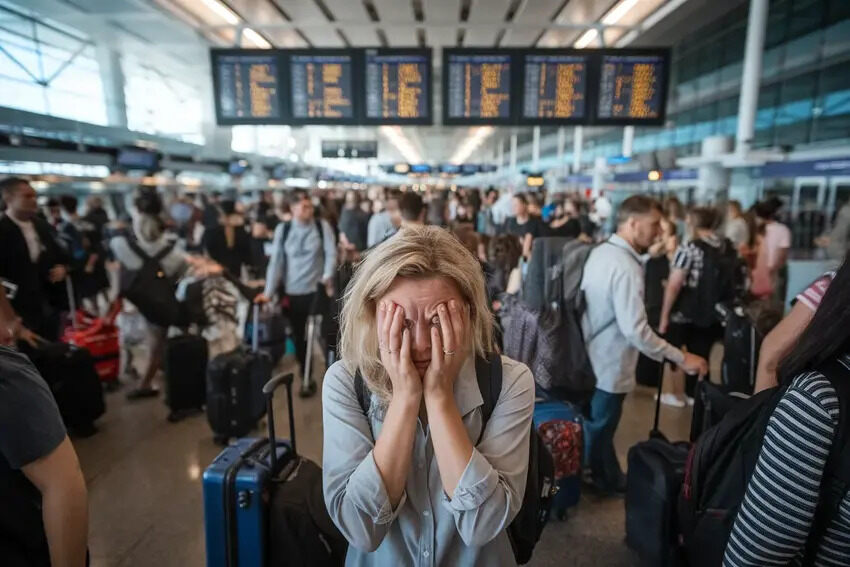 Image generated with Ai
Hundreds of passengers were left stranded across Australia as major airports in Sydney, Melbourne, Brisbane, and Perth experienced significant disruptions, with 314 flights delayed and 47 cancelled on March 7, 2026. These widespread delays and cancellations severely impacted key airlines, including Qantas, United, Emirates, and Singapore Airlines, with major international routes to Los Angeles, Abu Dhabi, Dubai, and London also affected. The chaos was primarily due to a combination of severe weather conditions, air traffic control issues, and operational challenges, leading to ripple effects across both domestic and global travel networks. The result was a travel nightmare for passengers, leaving them uncertain about their connections and stranded in airports for hours or even days.
The aviation industry is currently facing an unprecedented level of disruption in Australia, with major airports in Sydney, Melbourne, Brisbane, and Perth experiencing widespread delays and cancellations that have left hundreds of passengers stranded across the country. On March 7, 2026, these four airports saw a total of 314 delayed flights and 47 cancellations, severely affecting some of the world’s largest airlines including Qantas, United, Emirates, Singapore Airlines, and many others. The impacts were felt not only domestically but also on international flights connecting Australia with major hubs in Los Angeles, Abu Dhabi, Dubai, London, and other international destinations.
Massive Flight Delays and Cancellations Cause Chaos at Major Australian Airports
The chaos began at Sydney Airport, one of Australia’s busiest transport hubs, where 116 flights were delayed and 13 flights were cancelled in a single day. This disruption involved major airlines like Jetstar, Qantas, and Qatar Airways, with international connections to destinations including Dubai, Doha, and Melbourne. Despite the relatively low numbers of cancellations, the delays stretched for hours, causing a ripple effect that impacted multiple sectors of the airport, including check-in, baggage handling, and customs processing.
Meanwhile, Melbourne Tullamarine Airport also experienced significant delays, with 95 flights affected and 19 cancellations. The major culprit was again weather conditions and air traffic control issues, causing disruptions to both domestic and international services. Notably, airlines like Qatar Airways, Jetstar, and Emirates faced significant impacts, with several long-haul international flights to London, Doha, and other Middle Eastern hubs affected. Similar issues were seen at Brisbane and Perth airports, with delays and cancellations stranding travelers not only in Australia but also in transit hubs like Abu Dhabi, Singapore, and Los Angeles.
Advertisement
Advertisement
Airlines Affected by the Chaos: Key Players and Their Routes
Several global airlines, including Qantas, Emirates, Qatar Airways, and United Airlines, were among the worst affected by this wave of cancellations and delays. Below is a breakdown of the major cancellations and delayed flights, with a particular focus on their international connections.
| Airline | Total Cancellations | Total Delays | Impacted Routes |
|---|---|---|---|
| Jetstar | 4 | 25 | Domestic flights including Melbourne, Sydney |
| Qantas | 2 | 27 | Melbourne, Sydney to Los Angeles, Dubai |
| Qatar Airways | 2 | 14 | Doha, Melbourne, Sydney |
| Emirates | 1 | 0 | Dubai, Perth, Sydney |
| Singapore Airlines | 0 | 3 | Singapore, Melbourne, Brisbane |
| United Airlines | 1 | 13 | Los Angeles, Brisbane, Sydney |
| Air India | 1 | 50 | Mumbai, Sydney, Melbourne |
| Malaysia Airlines | 1 | 2 | Kuala Lumpur, Perth |
| VietJet Air | 2 | 100% | Ho Chi Minh City, Melbourne |
| Philippine Airlines | 1 | 50 | Manila, Brisbane |
The cancellations predominantly involved long-haul international routes, leaving passengers with no immediate alternatives, and causing significant delays in outbound flights to major global cities like London, Los Angeles, Dubai, and Abu Dhabi. As a result, many passengers had to wait for multiple days before being able to board a flight or be rebooked, causing not only inconvenience but also financial implications for those affected.
Advertisement
Advertisement
Disrupted International Routes: Key Flights to Global Hubs
The ripple effect of these cancellations and delays extended far beyond Australia. Passengers traveling to major international destinations such as Los Angeles, Dubai, Abu Dhabi, and London faced considerable uncertainty. Long-haul flights from Sydney, Melbourne, Brisbane, and Perth were disrupted, stranding travelers in both Australia and international hubs.
| Flight | Departure Airport | Arrival Airport | Departure Time | Airline |
|---|---|---|---|---|
| QTR909 | Sydney (SYD) | Hamad Intl. (DOH) | Mon 09:40 PM AEDT | Qatar Airways |
| QFA415 | Melbourne (MEL) | Melbourne (MEL) | Sun 07:25 AM AEDT | Qantas |
| UAE417 | Sydney (SYD) | Dubai Intl. (DXB) | Fri 09:10 PM AEDT | Emirates |
| QFA544 | Melbourne (MEL) | Brisbane (BNE) | Sat 05:35 PM AEDT | Qantas |
| QTR909 | Brisbane (BNE) | Hamad Intl. (DOH) | Sun 09:40 PM AEDT | Qatar Airways |
| QTR989 | Melbourne (MEL) | Hamad Intl. (DOH) | Sat 04:10 PM AEDT | Qatar Airways |
| VOZ876 | Brisbane (BNE) | Sydney (SYD) | Fri 06:15 PM AEDT | Virgin Australia |
Government and Airport Authority Response to the Chaos
In response to the travel disruptions, the Australian government and airport authorities worked alongside airlines to provide support and facilitate smoother rebookings for affected passengers. Additional resources were allocated to assist in managing the flow of passengers and providing real-time updates. The Australian Civil Aviation Safety Authority (CASA) has been working closely with airlines to address any air traffic control issues that may have contributed to the delays.
Advertisement
Advertisement
Airports across Australia issued statements emphasizing their commitment to resolving the situation as quickly as possible. Sydney Airport, Melbourne Tullamarine, and Brisbane International all increased staff numbers to help process passengers faster and manage the overwhelming demand for assistance.
Meanwhile, the Australian Transport Safety Bureau (ATSB) stated that they were investigating the root causes of the disruptions and delays, focusing on whether they were due to weather, air traffic control issues, or technical failures in the aviation system.
What’s Next for Australian Aviation: Rebuilding Trust and Ensuring Future Stability
As Australia’s aviation system works to recover from these disruptions, experts are warning that passengers can expect ongoing delays as airports and airlines navigate the backlog of passengers and aircraft that were affected. In the meantime, the government and aviation bodies must consider long-term solutions, including enhancing communication systems, improving operational efficiency, and preparing for future spikes in travel demand.
The key issue is that the current systems in place were not built to handle such widespread disruptions on this scale. Experts suggest that airlines and airports need to invest in upgrading infrastructure, introducing better communication channels, and developing contingency plans to mitigate the impact of such delays and cancellations in the future.
Advertisement
Advertisement
In conclusion, the recent disruptions in Sydney, Melbourne, Brisbane, and Perth airports have caused significant chaos and inconvenience for travelers. Airlines such as Qantas, Emirates, Qatar Airways, and United were among those most affected by the disruptions, with international connections to major global hubs like Los Angeles, Dubai, London, and Abu Dhabi experiencing severe delays and cancellations.
Hundreds of passengers were stranded across Australia as Sydney, Melbourne, Brisbane, and Perth airports saw 314 delays and 47 cancellations, primarily due to severe weather and air traffic control issues. This chaos disrupted major airlines like Qantas, Emirates, and United, affecting international flights to Los Angeles, Abu Dhabi, Dubai, and London.
With ongoing investigations and efforts from both the government and airport authorities, Australian passengers can only hope that these disruptions will lead to better operational improvements in the future. The focus must remain on regaining passenger trust, ensuring better communication during delays, and ultimately ensuring the stability of Australia’s aviation network.
Advertisement
