
Phu Quoc Island Evolution Showing Smart Long-Term Travel Planning Protecting Delicate Coastal Systems In Vietnam

Published
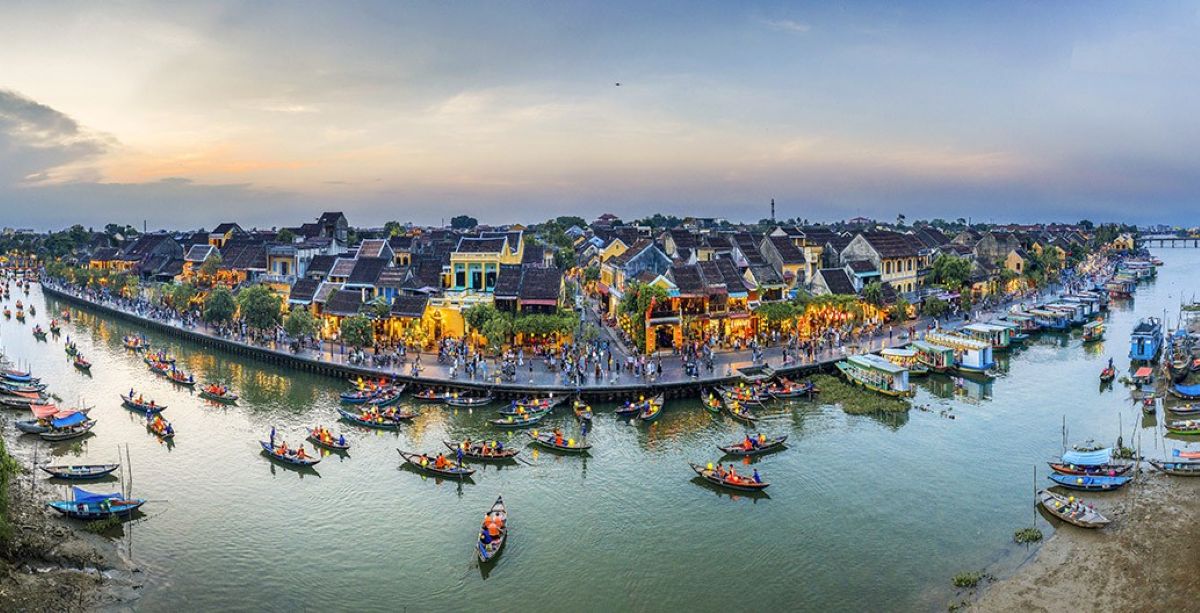
Image Credit vietnamtourism.gov.vn
While most people associate Phu Quoc with gorgeous sunrises, there are a host of other beautiful sights on the island, including the stunningly vibrant shades of blue in the local forests and seas. To prepare the infrastructure of the island’s tourism and related facilities to receive an estimated 8.5 million tourists by 2024 is the focus of the local government. In 2026, the island will host the Annual Meetings of the APEC forum, and a host of new and improved facilities related to tourism, as well as infrastructure, will be ready to provide services to APEC delegates and other customers.
Since the effects of globalization began to be felt in Vietnam in the year 2000, and a series of legislative amendments were enacted to open up the economy of the country to the world, Vietnam has experienced a construction boom of large, modern, international standard hotels and resorts in its major cities. International law and various agreements have left large parts of the world open to unconstrained development. The marine ecosystem of the world deserves to be protected. Phu Quoc is well positioned to facilitate an eco-sensitive, sustainable tourism development project of Vietnam that protects the marine ecosystem.
Analyzing the Global Implications for International Hospitality Systems
Advertisement
Advertisement
Worldwide travelers routinely seek out unique, undisturbed coastal environments, yet uncontrolled tourist influxes frequently degrade the exact pristine appeal that attracts visitors in the first place! Neighboring global tourist hubs such as Bali and Phuket serve as crucial historic reference points, demonstrating both immense economic potential and the severe perils of unmanaged over-tourism. Without comprehensive structural oversight, popular tropical regions suffer from severe traffic congestion, environmental degradation, strained public utilities, and an unfortunate erosion of local heritage.
By contrast, proactive spatial strategies systematically organize urban zones into specialized coastal tourism clusters, effectively distributing visitor density across multiple distinct geographic regions! Comprehensive planning ensures that public transit options, employee housing, and essential community services develop right alongside commercial luxury resorts. Ultimately, this balanced approach guarantees that international holidaymakers enjoy rich, authentic cultural experiences without overwhelming the delicate daily lives of local host communities.
Advertisement
Advertisement
Connecting Strategic Master Plans with Unforgettable Visitor Experiences
Long-term destination visioning initially began with structured ecotourism initiatives aimed at protecting sprawling local rainforests, clear marine waters, and traditional coastal fishing villages. Early spatial planning frameworks established three distinct urban centers alongside specialized coastal clusters, proving that high-end hospitality can coexist harmoniously with fragile natural systems. Over time, these initial strategic goals evolved into dynamic, comprehensive multi-decade spatial blueprints extending all the way toward 2050.
Advertisement
Advertisement
At the individual project level, targeted site developments demonstrate how overall regional strategies transform into memorable physical spaces for global tourists! For instance, master-planned destinations such as ThomIsland offer nature-focused and entertainment-driven attractions that honor local Vietnamese culture within pristine forest and marine surroundings. Meanwhile, nearby mixed-use developments like Primavera Village serve as pedestrian-friendly arrival hubs, featuring cliff-edge plazas, walkable retail streets, and panoramic oceanic viewpoints that set an authentic, welcoming atmosphere for arriving travelers.
Ultimately, the long-term success of global tropical destinations relies on holistic planning that looks well beyond simple hotel room counts. Future-proofed hospitality design must balance transportation mobility, municipal public services, marine conservation, and workforce housing alongside commercial investment goals. Through careful, multi-decade spatial management, growing coastal paradises can successfully welcome millions of international guests while permanently preserving their unique natural charm and cultural heritage for generations to come!
Long-Term Demographics and the Human Infrastructure Strategy for Hospitality Talent
Addressing the significant disparity between explosive visitor growth and the permanent workforce capacity remains a critical operational imperative for sustainable island development. Projections indicate a long-term tourism workforce requirement exceeding 300,000 skilled professionals, a stark contrast to an initial native resident population base of under 180,000 inhabitants. To bridge this structural gap without causing localized socioeconomic strain, comprehensive planning initiatives prioritize dedicated social infrastructure alongside commercial resort developments. These initiatives include the establishment of specialized vocational schools, local hospitality training academies, healthcare facilities, and purpose-built affordable housing frameworks designed to attract, upskill, and retain permanent talent.
Advertisement
Advertisement
From a global travel perspective, investing in human infrastructure safeguards service excellence and operational resilience during peak demand surges. High staff turnover, language barriers, and inadequate training frequently diminish the quality of luxury guest stays when destination growth outpaces local labor readiness. By securing stable residential communities and ongoing professional development for service personnel, the destination avoids the operational pitfalls observed in rapidly scaled resort zones. Ultimately, establishing a well-supported, highly trained hospitality workforce preserves regional cultural authenticity, maintains premium service standards, and drives long-term customer loyalty across international traveler markets.
Air and Maritime Connectivity Metrics Supporting Long-Range Passenger Milestones
Accommodating projected long-term arrival targets demands a systematic, multi-stage expansion of both aviation and maritime transit infrastructure. Key aviation metrics outline an ambitious growth trajectory for Phu Quoc International Airport, upgrading its operational footprint from under 5 million annual passengers to 10 million passengers by 2030, and eventually scaling to 18 million passengers alongside 50,000 tonnes of annual cargo by 2050. Recent operational data demonstrates this momentum, with flight movements climbing toward 27,920 take-offs and landings within a seven-month span, processing over 4.48 million air travelers. Parallel maritime developments focus on deep-water cruise ports and modern passenger terminals capable of handling high-capacity international vessels.
This massive scale-up in transport infrastructure reshapes global route networks and reduces long-haul travel friction. Establishing direct flight corridors from major source markets across Europe, India, and East Asia bypasses congested continental transit hubs, lowering travel times and overall itinerary costs. For international travelers, expanded direct access turns isolated island destinations into primary, easy-to-reach vacation choices. Furthermore, high-capacity cargo and passenger handling stabilizes supply chain logistics, allowing luxury resorts to reliably import high-end goods, specialized equipment, and culinary supplies required to maintain international hospitality standards.
Differentiated Urban Zoning and Micro-Regional Specialization Strategy
Preventing uncoordinated suburban sprawl and protecting distinct cultural identities across the island requires a rigorous, micro-regional spatial strategy. Under structured master planning, specific districts are assigned targeted economic and lifestyle identities tailored to their geography and native heritage. For instance, An Thoi is designated as the primary international maritime port, commercial gateway, and high-density entertainment hub. Conversely, Cua Can is preserved as a low-density wellness, eco-resort, and quiet lifestyle zone designed around river networks and coastal vegetation.
Advertisement
Advertisement
Meanwhile, Duong Dong serves as the island’s administrative, civic, and cultural heart, hosting authentic night markets, municipal services, and traditional fishing harbors. Complementing these districts, Bai Truong is organized as a primary hospitality strip, accommodating high-density beachfront resorts, international hotel brands, and mixed-use commercial promenades. This clear spatial division allows global tourists to customize their vacations—transitioning seamlessly from high-energy urban entertainment to tranquil wellness retreats—within a single, well-organized island destination. Furthermore, specialized micro-zoning insulates residential neighborhoods from commercial tourism noise, preserving local community life.
Long-Term Visitor Projections and Spatial Load Distribution Frameworks
Managing high-volume visitor growth without degrading public infrastructure or natural landscapes depends on predictive spatial load planning. Multi-decade forecasts outline a steady growth roadmap, expanding from 8.5 million annual visitors (including 2 million international arrivals) toward a long-term horizon of 13.9 million annual tourists by 2040. Financial metrics reflect this scaling capacity, with mid-year tourism revenues reaching between VND 31.5 trillion and VND 36.4 trillion across more than 700 registered accommodation properties offering upwards of 24,000 guest rooms.
To prevent overcrowding during peak holiday periods, spatial frameworks utilize dynamic load distribution models that channel visitor traffic away from vulnerable shorelines. Staggering attractions, establishing pedestrian-only zones, and deploying smart transit monitoring systems prevent severe congestion at major landmarks, public beaches, and cultural sites. For global travelers, this predictive management translates into consistent destination quality, reduced waiting times, and uncrowded public amenities. By establishing maximum visitor capacity thresholds across sensitive zones, the island creates a scalable blueprint for sustainable volume growth that protects both the traveler experience and local quality of life.
Ecological Preservation and Ecotourism Expansion in Phu Quoc National Park
Balancing commercial real estate development with biodiversity conservation is central to long-range environmental master plans. A primary ecological benchmark involves safeguarding 562 square kilometers of total island territory, anchored by dense forest reserves, green coastal buffers, and natural hydrological drainage channels. Strategic zoning strictly limits high-density construction near protected boundaries, directing eco-tourism activities toward low-impact inland areas. These inland initiatives convert selected forest perimeters into agricultural tourism hubs, educational walking corridors, and controlled wilderness trail systems.
Advertisement
Advertisement
This commitment to ecological preservation aligns directly with the rising global demand for eco-conscious and sustainable travel options. Modern international tourists increasingly seek out destinations that offer authentic nature immersion, active wildlife conservation, and transparent environmental practices alongside luxury amenities. Protecting native flora and fauna maintains the island’s iconic natural backdrops, offering visitors rich opportunities for bird watching, rainforest trekking, and nature photography. Furthermore, maintaining large, uninterrupted forest blocks helps regulate local microclimates, absorb carbon emissions, and preserve fresh water catchments vital to the island’s overall ecological balance.
Municipal Utility Scale-Up and Environmental Resilience Engineering
Sustaining rapid hospitality expansion requires extensive engineering of civil utility networks and natural environmental defenses. Primary infrastructure goals focus on expanding freshwater reservoir capacities, constructing modern wastewater treatment facilities, and building integrated solid-waste processing plants capable of handling seasonal waste loads generated by over 8.5 million annual visitors. Simultaneously, civil engineering projects prioritize natural stormwater management, restoring natural drainage corridors and mangrove buffers to prevent soil erosion, absorb tropical rainfall, and mitigate flash flooding.
For global travelers and commercial resort operators, behind-the-scenes utility resilience directly guarantees uninterrupted basic services, clean bathing waters, and high sanitation standards. Unreliable power grids or inadequate waste management quickly destroy a destination’s reputation, leading to negative guest reviews and health safety concerns. By investing heavily in underground utility grids, renewable energy integration, and robust water treatment systems, the island ensures operational stability even during severe weather events or record peak tourist seasons, demonstrating how environmental engineering supports long-term commercial viability.
MICE Tourism Readiness and High-Profile Event Infrastructure Execution
Expanding beyond leisure tourism into international business travel and high-profile diplomatic events requires specialized venue infrastructure and high-capacity public realms. Accelerated delivery of international convention centers, luxury mixed-use developments, and upgraded civic spaces is timed to support major global gatherings, such as the upcoming 2027 APEC Economic Leaders’ Week. This strategic push diversifies the regional hotel inventory, introducing executive suites, large-scale banquet facilities, and advanced telecommunications networks suited for international business delegations and high-net-worth travelers.
Advertisement
Advertisement
Entering the global MICE (Meetings, Incentives, Conferences, and Exhibitions) market elevates an island’s international standing, transitioning it from a seasonal holiday resort into a year-round corporate hub. Hosting diplomatic summits and trade conventions boosts mid-week hotel occupancy, generates high-value business spending, and attracts foreign direct investment across real estate, technology, and service sectors. For international corporate travelers, world-class convention facilities paired with a tropical resort backdrop offer an ideal setting for global networking, corporate retreats, and diplomatic negotiations.
Coastal Ecosystem Conservation and Sustainable Marine Tourism Models
Preserving pristine marine environments, vibrant coral reefs, and coastal waters is essential for maintaining long-term maritime tourism revenue. Spatial planning frameworks establish strict marine buffer zones around sensitive outer island clusters, such as Thom Island, restricting destructive anchoring, unmonitored boat traffic, and runoff from coastal construction. Sustainable coastal management models balance traditional artisanal fishing rights with low-impact water sports, regulated yachting, and carefully engineered overwater resort structures designed to minimize benthic disturbance.
Protecting underwater marine habitats directly safeguards the water clarity and aquatic biodiversity that fuel global scuba diving, snorkeling, and nautical tourism. When coral reefs suffer from bleaching or pollution, destination appeal drops dramatically, impacting local boat operators, dive centers, and coastal resorts. By enforcing marine conservation zones, monitoring coastal water quality, and encouraging sustainable reef tourism, the destination preserves its unique marine heritage. This proactive marine stewardship ensures that international visitors continue to experience world-class aquatic landscapes while supporting the long-term economic stability of local coastal communities.
The Final Verdict
While constructing roads and other structures on an island is a relatively simpler task, protection of the island’s people and environment should be of prime concern. An example of an island with a varied ecosystem is Phu Quoc with its varied marine life and culture. It is also the only place with undisturbed coral reefs.
As the tourism industry is the major source of income for most island communities, protection of the ecosystems and improvement of living standards of people of these communities will lead to better tourism. Improvement of the living standards and providing safety of the ecosystems will lead to “last judgment” by people. The magnitude and number of projects will not impact “last judgment.” The project should ensure that the benefits of the project outweigh the risks. The project should also improve the living conditions of the community for a minimum of 30 years. We wish to create “high impact – low footprint” projects. This will help achieve our goal of enhancing tourism and improving the conditions of the local people of the area where the projects are created.
Advertisement
