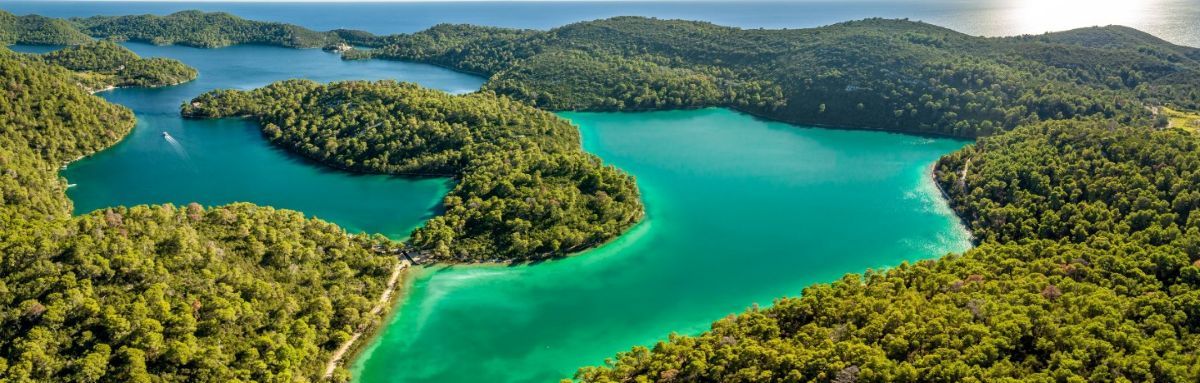
Image Credit: Croatia
Croatia and Other European Countries Travel Price Surge Was Supposed to Empty Their Beaches—Instead, It Set New Records as rising holiday costs across Europe challenge the belief that expensive destinations would lose travellers. The reason behind this unexpected outcome is that visitors continue prioritising unique experiences, cultural attractions, quality services and iconic coastal landscapes despite higher accommodation, food and travel expenses. Croatia and Other European Countries Travel Price Surge created concerns that tourists would choose cheaper alternatives, but official tourism data shows many destinations continued recording strong arrivals and higher spending. From Croatia’s Adriatic coastline to Spain’s Mediterranean resorts and Greece’s islands, travellers still selected these destinations because they offered memorable experiences. The result proves that Their Beaches were not emptied by rising costs; instead, tourism markets adapted and Set New Records through resilient visitor demand and stronger tourism revenues.
Advertisement
Across Europe, tourism businesses and policymakers raised concerns that increasing prices could weaken visitor demand. Croatia became one of the most discussed examples because the country’s Adriatic coastline had built a reputation as a more affordable alternative to destinations such as Italy, France and Spain.
Rising costs affected several parts of the holiday experience:
Advertisement
Advertisement
| Cost Area | Impact on Travellers |
|---|---|
| Hotels | Higher accommodation budgets |
| Restaurants | Increased daily expenses |
| Transport | More expensive journeys |
| Attractions | Higher activity costs |
| Beach services | Increased leisure spending |
The concern was that visitors might choose cheaper alternatives in Greece, Turkey, Albania or Montenegro. However, tourism data showed that demand remained strong because travellers continued valuing Croatia’s beaches, islands, historic towns and cultural experiences.
The situation revealed an important change in modern tourism: price matters, but destination appeal remains a powerful factor in travel decisions.
Croatia entered a new phase of tourism where higher costs did not immediately reduce visitor demand. The country continued attracting millions of travellers who were willing to pay more for Adriatic beaches, heritage cities and island experiences.
Official statistics from the Croatian Bureau of Statistics (DZS) showed continued tourism strength, with visitor numbers remaining high after strong growth in previous years.
Advertisement
Advertisement
| Indicator | Tourism Performance |
|---|---|
| Tourist arrivals 2025 | Increased by 2.2% compared with 2024 |
| Overnight stays 2025 | Increased by 1.2% compared with 2024 |
| Q1 2026 arrivals | Increased by 9% year-on-year |
| Q1 2026 overnight stays | Increased by 8% year-on-year |
Croatia’s performance demonstrated that higher prices alone do not automatically reduce tourism demand.
Instead, travellers increasingly evaluate the complete experience, including scenery, culture, service quality and convenience.
Croatia’s tourism sector has continued expanding despite concerns that rising prices could discourage visitors. Official statistics show that the country recorded strong tourism growth over the last two years, with record-breaking arrivals and overnight stays continuing into 2026. The data suggests that while Croatia Tourism Price Surge has created affordability concerns, it has not yet emptied the country’s beaches or reduced visitor demand.
| Year / Period | Tourist Arrivals | Growth Compared With Previous Period | Overnight Stays | Growth Compared With Previous Period |
|---|---|---|---|---|
| 2024 | Around 21.3 million arrivals | +4% vs 2023 | Around 108.7 million nights | Growth continued after recovery |
| 2025 | Around 21.8 million arrivals | +2.2% vs 2024 | Around 110.1 million nights | +1.2% vs 2024 |
| Q1 2026 | Around 1.2 million arrivals | +9% vs Q1 2025 | Around 3 million nights | +8% vs Q1 2025 |
Croatia’s tourism strength comes from a combination of natural and cultural advantages that many travellers consider difficult to replace.
The country offers:
Destinations such as Dubrovnik, Split, Hvar, Rovinj and Zadar remain globally recognised because they provide experiences beyond a traditional beach holiday.
For many visitors, Croatia represents a complete Mediterranean experience rather than simply a low-cost destination.
This helped the country maintain demand even as prices increased.
The tourism challenge is therefore not attracting visitors today but ensuring that future travellers continue believing Croatia provides good value for money.
The figures show that Croatia’s tourism sector has remained strong despite rising accommodation, food and service prices. The country welcomed record visitor numbers in 2025, reaching approximately 21.8 million tourist arrivals and 110.1 million overnight stays, according to Croatian tourism authorities and official statistics.
The strongest growth has continued in Croatia’s coastal regions, which remain the centre of international tourism demand.
Leading Tourism Areas 2025 Performance Adriatic Region 89.4 million overnight stays Istria County 5 million arrivals and 28.3 million nights Dubrovnik 4.2 million overnight stays Rovinj 4.2 million overnight stays
The data indicates that travellers continue choosing Croatia because of its combination of beaches, islands, cultural heritage and Mediterranean lifestyle, even as holiday costs increase.
Croatia’s tourism momentum continued into 2026, with the first quarter showing significant growth compared with the same period in 2025.
According to the Croatian Bureau of Statistics, foreign tourists recorded strong increases, with March 2026 showing:
This early-season performance is important because Croatia has been working to reduce dependence on peak summer tourism by attracting visitors during spring and autumn.
The growth suggests that price concerns have not yet significantly affected international demand.
| Country | Tourism Growth Trend (Last Two Years) | Price Pressure / Inflation Impact | Main Tourism Challenge |
|---|---|---|---|
| Croatia | 2025 arrivals increased 2.2% compared with 2024; Q1 2026 arrivals increased around 9% year-on-year | Restaurants and hotels prices increased around 9% year-on-year in May 2025 | Maintaining affordability while protecting premium Adriatic tourism |
| Spain | 2025 international arrivals reached 96.8 million, up 3.2% from 2024 | Higher hotel, housing and hospitality costs in popular regions | Managing overtourism and resident pressure |
| Greece | Foreign arrivals increased 4.4% in 2025 | Higher island accommodation and service prices during peak season | Balancing record demand with affordability |
| Portugal | Tourism demand remained strong through 2025 | Rising accommodation and housing costs, especially Lisbon and Algarve | Protecting value image |
| Italy | International arrivals increased around 1.2% in 2025 | Higher prices in Rome, Venice, coastal regions | Managing overcrowding and visitor costs |
| Hungary | International arrivals increased around 9.3% in 2025 | Higher hospitality and service costs | Maintaining Budapest’s value advantage |
| Poland | International arrivals increased around 12% in 2025 | Lower-cost image remains strong, but prices are rising | Managing rapid tourism growth |
The increase in tourism prices across Europe is mainly linked to several common factors:
Factor Impact on Tourism Prices Inflation Higher food, energy and operating costs Labour shortages Increased wages in hospitality Strong demand Higher accommodation prices Limited coastal supply Premium pricing in popular destinations Tourism recovery Greater pressure on services
European tourism spending has grown faster than visitor numbers in many markets, showing that travellers are often spending more per trip despite higher prices.
This explains why destinations such as Croatia, Spain and Greece have avoided major visitor declines even when holiday costs increased.
Spain experienced one of Europe’s strongest tourism recoveries while also dealing with rising costs in popular destinations.
According to official Spanish tourism data, the country welcomed record international visitor numbers in recent years, with spending also increasing significantly.
Popular destinations including:
experienced higher demand and increased prices.
The challenge for Spain has been managing tourism growth rather than attracting visitors.
Authorities have focused on:
Priority Objective Sustainability Reduce pressure on destinations Season extension Spread visitor demand Quality tourism Increase value
Spain’s experience shows that strong destination appeal can outweigh concerns about rising prices.
Greece faced similar concerns as accommodation prices increased, particularly on popular islands.
Destinations such as:
experienced strong international demand.
Travellers continued choosing Greece because of:
Although some visitors became more price-sensitive, Greece benefited from offering different levels of travel experiences, from luxury resorts to affordable mainland destinations.
The country’s tourism resilience demonstrated that destinations can maintain growth if they provide enough variety for different traveller budgets.
Although visitor numbers remained strong, traveller behaviour is changing.
Many visitors are adapting by:
The modern traveller is not necessarily cancelling trips but becoming more selective.
This has encouraged destinations to focus on value rather than only increasing prices.
Traveller Change Tourism Impact More planning Earlier bookings Off-season travel Longer tourism periods Price comparison More competition Local experiences Greater interest in authenticity
The future of European tourism may depend less on being the cheapest destination and more on delivering the strongest overall experience.
Many European countries are shifting from a strategy based purely on visitor numbers towards higher-value tourism.
The goal is to attract visitors who:
Croatia has increasingly focused on improving tourism quality and sustainability rather than relying only on summer mass tourism.
This approach helps destinations manage:
Higher-value tourism allows countries to generate stronger economic benefits without depending entirely on increasing visitor volumes.
Although tourism has remained strong, rising prices remain a long-term concern.
Travellers may eventually change preferences if:
European destinations must therefore balance:
Challenge Required Response Higher costs Better visitor value Overtourism Sustainable management Competition Stronger experiences Affordability concerns Transparent pricing
The current success of Croatia and other European countries does not eliminate future risks.
Maintaining visitor confidence will remain essential.
Travellers should expect that many popular European destinations may become more expensive, especially during peak seasons.
However, visitors can still find value by:
Croatia, Greece, Spain and other European markets continue offering exceptional experiences despite higher prices.
The key change is that travellers may need to plan more carefully to achieve the best value.
No. Official data shows Croatia continued recording strong visitor numbers despite higher tourism costs.
Major reasons include inflation, higher energy costs, rising wages, food expenses and strong tourism demand.
Spain, Greece, Portugal, Italy and France are among countries experiencing higher tourism costs.
Not necessarily. Many travellers are adjusting by planning earlier, choosing different seasons or comparing prices.
Croatia is expected to remain attractive because of its beaches, islands, history and unique Mediterranean experiences.
Croatia and Other European Countries Travel Price Surge Was Supposed to Empty Their Beaches—Instead, It Set New Records reflects a major shift in European tourism behaviour. The cause behind the concern was inflation, rising hospitality costs, higher accommodation prices and growing pressure on travel budgets. However, the answer emerged through continued visitor demand, as travellers showed they were willing to pay more for destinations offering exceptional beaches, culture and experiences. Croatia and Other European Countries Travel Price Surge did not result in empty destinations; instead, Their Beaches continued attracting millions of visitors while tourism revenues increased. As Europe’s travel market evolves, destinations must focus on delivering value, improving services and maintaining affordability. The future success of these regions will depend on balancing higher revenues with traveller expectations to ensure that tourism growth remains sustainable.
Advertisement
Tags: Croatia, Europe, greece, Italy, Mediterranean coast
Advertisement
Advertisement













Monday, September 14, 2026
Sunday, September 13, 2026

Sunday, September 13, 2026
Sunday, September 13, 2026
Sunday, September 13, 2026

Sunday, September 13, 2026

Sunday, September 13, 2026