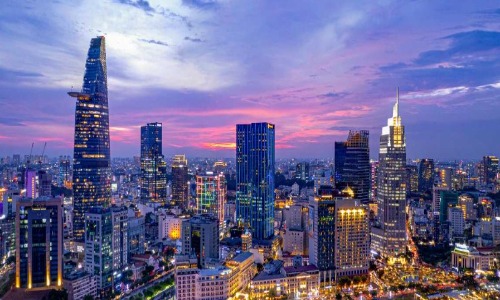
The Vietnam in Asia tourism growth race is accelerating at an unprecedented pace as the nation continuously positions itself among the top travel destinations globally. Driven by relaxed visa policies and robust infrastructure investments, the country has become a formidable competitor against traditional heavyweights like Thailand and Malaysia. As we move into late 2026, the sector is experiencing a monumental transformation. Currently, verified government reports indicate that strong holiday demand in September pushes a ten percent surge in both domestic and international travel bookings. This remarkable momentum firmly establishes Vietnam as the most dynamic tourism hotspot this specific calendar year.
The trajectory of the Southeast Asian tourism landscape has been fundamentally rewritten over the past decade, and the Vietnam in Asia tourism growth race is at the very epicentre of this transformation. To truly comprehend the magnitude of the current travel boom, one must look back at the historical context of the nation’s hospitality sector. In the early 1990s, Vietnam was merely a niche destination for intrepid backpackers, welcoming a fraction of the international arrivals seen by regional stalwarts such as Thailand or Malaysia. However, through aggressive institutional reforms and a strategic pivot towards open-market policies, the country gradually built a robust foundation for a world-class tourism industry.
Advertisement
The Politburo’s Resolution No. 08-NQ/TW, issued in 2017, served as a watershed moment, explicitly identifying tourism as a spearhead economic sector. This definitive policy framework provided a massive boost to institutional reform, foreign direct investment, and diverse product development. Before the global disruption of the pandemic, Vietnam was already recognised as one of the world’s fastest-growing destinations, boasting an average annual growth rate of 22 percent between 2015 and 2019.
Following the total reopening of its borders in March 2022, the nation embarked on an aggressive recovery campaign that has yielded staggering dividends. By 2024, Vietnam had successfully welcomed approximately 17.6 million international visitors, effectively recovering 98 percent of its pre-pandemic volume. This momentum accelerated dramatically throughout 2025, when foreign arrivals surged past 21.2 million, a landmark achievement that positioned Vietnam as the third most visited country in the Association of Southeast Asian Nations (ASEAN), trailing only behind Malaysia and Thailand. By superseding traditional heavyweights like Singapore and Indonesia, Vietnam unequivocally announced its arrival as a dominant force in the regional travel market. Today, as we navigate through the latter half of 2026, this upward trajectory has not merely been sustained; it has been amplified, reflecting a resilient and highly competitive industry.
Advertisement
The latest statistical releases from the General Statistics Office (GSO) of Vietnam and the Ministry of Culture, Sports and Tourism paint a picture of unparalleled success for the year 2026. In the first seven months of 2026 alone, official reports confirmed that Vietnam welcomed an astonishing 13.9 million international visitors. This figure represents a formidable 13.8 percent year-on-year increase compared to the same period in 2025, underscoring a resilient and expanding appeal. The data reveals that the tourism machinery is operating at peak efficiency, well on its way to achieving the ambitious annual target of 25 million international arrivals set by national authorities for 2026.
A closer examination of the transportation modalities utilised by these millions of visitors highlights the critical importance of aviation infrastructure. Of the 13.9 million arrivals recorded between January and July 2026, approximately 11.5 million travellers arrived by air, constituting an overwhelming majority and representing a 10.7 percent increase from the previous year. Meanwhile, cross-border arrivals by road demonstrated the most explosive growth, reaching 2.2 million visitors and surging by an impressive 33.6 percent year-on-year. This spike in land-based travel strongly correlates with improved cross-border facilitation with neighbouring countries such as China, Cambodia, and Laos. Furthermore, arrivals by sea, often driven by the lucrative international cruise ship segment, totalled nearly 210,900, marking a solid 14.7 percent increase.
When situated within the broader continental context, the Vietnam in Asia tourism growth race becomes even more striking. While some neighbouring nations have reported stagnant or declining arrival numbers due to global economic headwinds and shifting traveller preferences, Vietnam has consistently defied the odds. The nation’s ability to record four consecutive months of over 2 million international arrivals early in the year—a historical first—demonstrates a structural resilience that continues to capture the attention of global tourism analysts.
The dynamic performance of the tourism sector reached a fever pitch in September 2026, driven largely by the massive domestic and international convergence surrounding Vietnam’s National Day on the 2nd of September. Historically, this public holiday triggers a significant wave of domestic travel, but in 2026, it acted as a powerful catalyst that pushed a remarkable 10 percent surge in overall travel bookings and related economic activities. Verified updates as of early September indicate that major urban centres, particularly Hanoi and Ho Chi Minh City, alongside popular coastal resorts, experienced near-capacity occupancy rates.
This robust September holiday demand is a testament to the synergistic relationship between domestic leisure travel and international tourism. The domestic market has proven to be an indispensable bedrock for the industry’s stability. In the first half of 2026, domestic tourism recorded an estimated 81 million trips, fulfilling more than 54 percent of the annual target of 150 million domestic travellers. When the September holiday period commenced, the sheer volume of citizens taking advantage of the extended break created a vibrant, bustling atmosphere across the country. Shopping centres in Ho Chi Minh City reported record footfall, while heritage sites in the capital city of Hanoi saw unprecedented crowds.
Simultaneously, international visitors strategically timed their itineraries to coincide with the festive atmosphere and the cooler, more favourable autumn weather in the northern regions. The convergence of these two distinct tourist demographics generated a massive injection of capital into local economies. Airlines scrambled to add supplementary flights to accommodate the spike in demand, while the hospitality sector capitalised on premium pricing models. This September surge effectively bridged the gap between the traditionally slower summer months and the highly lucrative winter peak season, ensuring that the momentum of the Vietnam in Asia tourism growth race remained uninterrupted.
To fully grasp the nuances of Vietnam’s phenomenal success in 2026, one must delve deeply into the demographic breakdown of its international visitors. The data provided by the Vietnam National Authority of Tourism (VNAT) reveals a highly diversified and strategically balanced portfolio of source markets, moving away from dangerous over-reliance on any single region.
Asian markets inherently remained the largest contributors, generating a little over 9 million arrivals in the first half of the year alone. Unsurprisingly, China and South Korea continued their reign as the two most dominant source markets, collectively accounting for nearly 40 percent of total international arrivals. The proximity, robust flight connectivity, and deep-rooted cultural and economic ties ensure a steady and voluminous flow of tourists from these two East Asian economic powerhouses. The return of large-scale group tours from China, alongside independent Korean travellers seeking high-end golf and coastal resorts, provided a massive baseline of arrivals.
However, the most sensational statistical revelation of 2026 has been the unprecedented explosion of the Russian market. Driven by the restoration and expansion of direct flight routes, alongside Vietnam’s competitive advantages in tropical coastal tourism, affordability, and a welcoming geopolitical stance, Russian arrivals surged by an astronomical 185 to 194 percent compared to the same period in 2025. This remarkable influx has solidified Russia as the third-largest source market for Vietnam, fundamentally altering the demographic landscape of popular resort towns like Nha Trang and Phu Quoc, which have long been favoured by Russian holidaymakers.
Beyond the top three, the structural composition of the top ten source markets illustrates a successful diversification strategy. Taiwan, Cambodia, the United States, India, Japan, the Philippines, and Australia round out the leading contributors. The inclusion of the Philippines in the top ten is particularly noteworthy; recording an exceptional growth rate of over 71.9 percent, it surpassed regional rivals like Malaysia to become a key demographic driver. Europe, as a collective region, recorded the most robust overall growth, rising by more than 54.8 percent year-on-year. Traditional Western and Northern European markets, including Germany, France, the United Kingdom, and the Scandinavian nations, all posted stable and highly lucrative growth figures.
The staggering volume of international arrivals in 2026 is not merely a product of organic demand; it is the direct result of calculated, aggressive, and highly effective government policies. Recognising that bureaucratic friction is the primary deterrent for international travellers, the Vietnamese government enacted sweeping reforms that have positioned the country as one of the most accessible destinations in Asia.
The implementation of the 90-day multiple-entry electronic visa (e-visa) system for citizens of all countries and territories has been universally lauded by the global travel industry. Furthermore, the extension of the visa-free stay duration to 45 days for citizens of 13 specific nations—including key European markets, Japan, and South Korea—has dramatically incentivised long-haul travellers to choose Vietnam over competing destinations. These decisive policy shifts have directly empowered the Vietnam in Asia tourism growth race, granting the nation a distinct competitive edge in attracting digital nomads, long-stay retirees, and multi-destination regional explorers. By cutting red tape, the government has sent a clear message to the world that Vietnam is open, welcoming, and administratively efficient.
In addition to visa reforms, the Ministry of Culture, Sports and Tourism, in conjunction with VNAT, has launched an array of strategic promotional campaigns. The government has actively championed a nationwide initiative highlighting the unique cultural and natural assets of all 63 centrally governed cities and provinces. By heavily investing in digital marketing and launching multilingual platforms, including an upgraded national tourism portal, the government is aggressively targeting high-yield demographics in both traditional and emerging markets. Official partnerships with global entities such as Mastercard and VFS Global demonstrate a sophisticated, modern approach to destination marketing, seamlessly integrating technological convenience with expansive promotional outreach.
As Vietnam rapidly approaches its target of 25 million international visitors, the sheer volume of human traffic necessitates a profound re-evaluation of national infrastructure and long-term sustainability policies. The government is acutely aware that the current growth trajectory cannot be sustained without massive capital injections into transportation and urban infrastructure.
The acceleration of key mega-projects, such as the construction of the Long Thanh International Airport near Ho Chi Minh City and the expansion of terminal capacities at Noi Bai International Airport in Hanoi, has become a matter of urgent national priority. These infrastructural upgrades are essential to alleviate airspace congestion and provide a seamless arrival experience for millions of international passengers. Furthermore, the expansion of the high-speed rail network and the upgrading of major arterial highways are facilitating easier cross-provincial travel, ensuring that the economic benefits of tourism reach beyond the primary international gateways.
However, the policy implications extend far beyond mere concrete and tarmac. There is a growing, officially mandated emphasis on sustainable and responsible tourism. The rapid influx of visitors poses inherent risks of environmental degradation and cultural commodification, particularly in ecologically sensitive areas. To combat this, authorities are proactively tightening oversight on adventure tourism, establishing rigorous new safety and environmental standards.
The development of community-based and agricultural tourism is now a central pillar of Vietnam’s long-term strategy. Initiatives in provinces like Ca Mau, where the U Minh Ha region is being positioned as a premier ecotourism destination, reflect a deliberate policy shift towards low-impact, high-value travel experiences. By integrating local livelihoods with the tourism economy, the government aims to ensure that the financial dividends of the Vietnam in Asia tourism growth race are distributed equitably across rural and urban populations alike, fostering a resilient and sustainable industry model.
The ripple effects of the 2026 tourism boom have fundamentally re-energised the private sector, acting as a powerful catalyst for business expansion across multiple industries. The aviation sector has been the most immediate beneficiary. National and budget carriers have reported unprecedented load factors, prompting aggressive fleet expansions and the rapid inauguration of new direct routes to secondary cities in China, India, and Eastern Europe. The sheer volume of passenger traffic has transformed Vietnamese airports into bustling regional hubs, fiercely competing with established transit centres like Changi and Suvarnabhumi.
The hospitality industry is experiencing a parallel renaissance. Major international hotel chains are aggressively expanding their footprints, moving beyond the traditional coastal enclaves to establish luxury properties in emerging mountainous and rural destinations. Investors are capitalising on the growing demand for diverse accommodation options, ranging from ultra-luxury wellness retreats to sustainable boutique eco-lodges. One of the most lucrative emerging sectors is medical tourism. Recognising a billion-dollar market opportunity, Vietnamese enterprises are pioneering innovative healthcare-resort models, combining world-class medical and dental procedures with premium convalescent vacations.
For Small and Medium-sized Enterprises (SMEs), the impact has been equally transformative. Local tour operators, independent restaurateurs, and artisan craft producers have experienced a surge in revenue. The government’s push for diverse tourism products has empowered local businesses to innovate, offering bespoke culinary tours, immersive cultural homestays, and niche adventure experiences.
The economic implications of Vietnam’s triumphant performance in the Asian tourism sector cannot be overstated. Tourism is not merely an ancillary industry; it has evolved into a foundational pillar of the national economy. In the first half of 2026, total tourism revenue was estimated at nearly $22 billion (approximately VNĐ569 trillion), fulfilling 50.5 percent of the government’s ambitious full-year target of $43.3 billion. This staggering capital influx represents a massive contribution to the national Gross Domestic Product (GDP) and plays a pivotal role in the country’s objective of achieving double-digit economic growth.
The velocity of money generated by international and domestic travellers circulates rapidly through the economy, creating a powerful multiplier effect. From the direct creation of hundreds of thousands of jobs in the hospitality and aviation sectors to the indirect stimulation of agriculture, retail, and construction, the financial dividends are pervasive. Moreover, the influx of foreign currency helps stabilise the national balance of payments and bolsters foreign exchange reserves.
However, official reports from the highest levels of government, including warnings from the Prime Minister, have highlighted the critical need to prevent tourism revenue from prematurely flowing abroad. To maximise domestic retention of this wealth, policies are being implemented to encourage tourists to increase their daily expenditures through high-end shopping, premium entertainment, and extended stays. By shifting the focus from mere arrival volume to maximising the yield per visitor, Vietnam is ensuring long-term financial sovereignty over its booming travel sector.
The intersection of tourism growth and everyday public life presents a complex matrix of benefits and challenges. On a macro level, the tourism boom fosters a profound sense of national pride and facilitates invaluable cross-cultural exchanges. The global recognition of Vietnam’s culinary heritage, historical sites, and natural wonders enhances the nation’s soft power and diplomatic standing on the world stage.
For the business community, the constant influx of international visitors provides a highly reliable consumer base, shielding domestic enterprises from internal economic fluctuations. Cities heavily reliant on tourism have witnessed rapid urban regeneration, with improved public transportation, upgraded sanitation facilities, and enhanced public security benefiting both tourists and local residents alike. The September holiday surge, in particular, demonstrated how effectively urban centres can absorb massive demographic influxes when supported by competent municipal planning and robust commercial infrastructure.
Conversely, the public impact also necessitates careful crowd management and resource allocation. The sheer density of visitors at iconic heritage sites during peak seasons has occasionally strained local resources. Acknowledging this, local authorities are increasingly implementing smart-city technologies, digital ticketing, and timed-entry systems to regulate visitor flows and preserve the integrity of historical monuments. The public sentiment remains overwhelmingly supportive of the tourism industry, provided that the government continues to balance economic expansion with environmental and cultural preservation.
A critical, often underreported factor driving the Vietnam in Asia tourism growth race is the rapid digital transformation of the country’s travel ecosystem. In 2026, the intersection of technology and hospitality has reached unprecedented levels of maturity. The government, alongside private tech conglomerates, has heavily invested in creating a seamless digital journey for international visitors from the moment they contemplate a trip to their final departure. The aforementioned e-visa system is merely the tip of the iceberg. Behind the scenes, sophisticated data analytics and artificial intelligence are being deployed by the Vietnam National Authority of Tourism to predict travel trends, optimise marketing spend, and personalise promotional content across a multitude of global platforms.
Moreover, domestic travel startups have flourished, offering highly localised applications that rival global giants in functionality. These platforms provide real-time translation services, hyper-localised culinary recommendations, and seamless digital payment integrations that bypass the need for physical currency exchange. The ubiquitous acceptance of QR code payments, even in remote rural homestays, has dramatically reduced transactional friction, making the country incredibly user-friendly for tech-savvy millennials and Gen Z travellers. This technological leapfrogging ensures that Vietnam not only attracts a high volume of visitors but also delivers a modern, frictionless experience that strongly encourages repeat visitation and glowing digital word-of-mouth recommendations.
The unprecedented success of the 2026 tourism campaign is heavily corroborated by statements from leading industry figures and official government representatives. According to VNAT General Director Nguyễn Trùng Khánh, the year 2026 is structurally significant, as the tourism industry has been explicitly tasked with contributing to the country’s broader target of achieving double-digit economic growth. He noted that coordinated efforts between VNAT, regional authorities, and private tourism enterprises have resulted in an array of highly attractive new products, successfully stimulating demand across leisure, shopping, and sightseeing sectors during critical peak holiday periods.
Furthermore, industry analysts have pointed out that Vietnam’s competitive edge is sharper than ever. Phạm Hải Quỳnh, Director of the Asian Tourism Development Institute, has publicly stated that with its stunning natural resources, rich cultural identity, friendly populace, and remarkably stable socio-political environment, Vietnam possesses unparalleled advantages in attracting high-quality tourists. However, Quỳnh also cautioned that in order to convert these natural advantages into sustainable, long-term results, continuous investment in premium tourism infrastructure and rigorous service quality improvements are absolutely essential to meet the exacting standards of the high-end international customer segment.
These expert perspectives underscore a crucial reality: while the current growth figures are a cause for celebration, complacency is not an option. The official stance is one of cautious optimism, paired with an aggressive commitment to regulatory reform. Proposals to amend the overarching Tourism Law and update the National Tourism Development Strategy to 2030 are currently under rigorous government review, ensuring that the legal and institutional frameworks evolve in tandem with the rapidly expanding market.
Looking ahead to the final quarter of 2026 and beyond, the future outlook for the Vietnam in Asia tourism growth race is overwhelmingly positive, yet entirely dependent on strategic execution. The government is steadfast in its commitment to reaching the 25 million international visitor milestone by the year’s end. To achieve this, VNAT is accelerating its international outreach, meticulously preparing to headline major global travel exhibitions such as the World Travel Market (WTM) in London and the International Travel Expo (ITE) in Ho Chi Minh City.
The long-term vision, encapsulated in the Tourism Development Strategy to 2030, envisions Vietnam not merely as a budget-friendly regional alternative, but as a premier, high-value global destination. Strategic priorities include the aggressive expansion of the MICE (Meetings, Incentives, Conferences, and Exhibitions) sector, the refinement of luxury eco-resorts, and the continuous enhancement of the national digital tourism ecosystem. By deepening its integration into global tourism value chains and fostering resilient, sustainable practices, Vietnam is meticulously engineering a future where it does not just participate in the Asian tourism race, but unequivocally leads it. The exceptional performance witnessed through the September surge is a clear, verified harbinger of a golden era for Vietnamese tourism—an era characterised by unprecedented growth, dynamic innovation, and enduring international appeal.
Advertisement
Tags: 2026 travel trends, Asia travel growth, e-visa Vietnam, international arrivals, September holiday surge
Advertisement
Advertisement












Thursday, September 3, 2026

Thursday, September 3, 2026

Thursday, September 3, 2026

Thursday, September 3, 2026

Wednesday, September 2, 2026

Wednesday, September 2, 2026

Thursday, September 3, 2026

Thursday, September 3, 2026