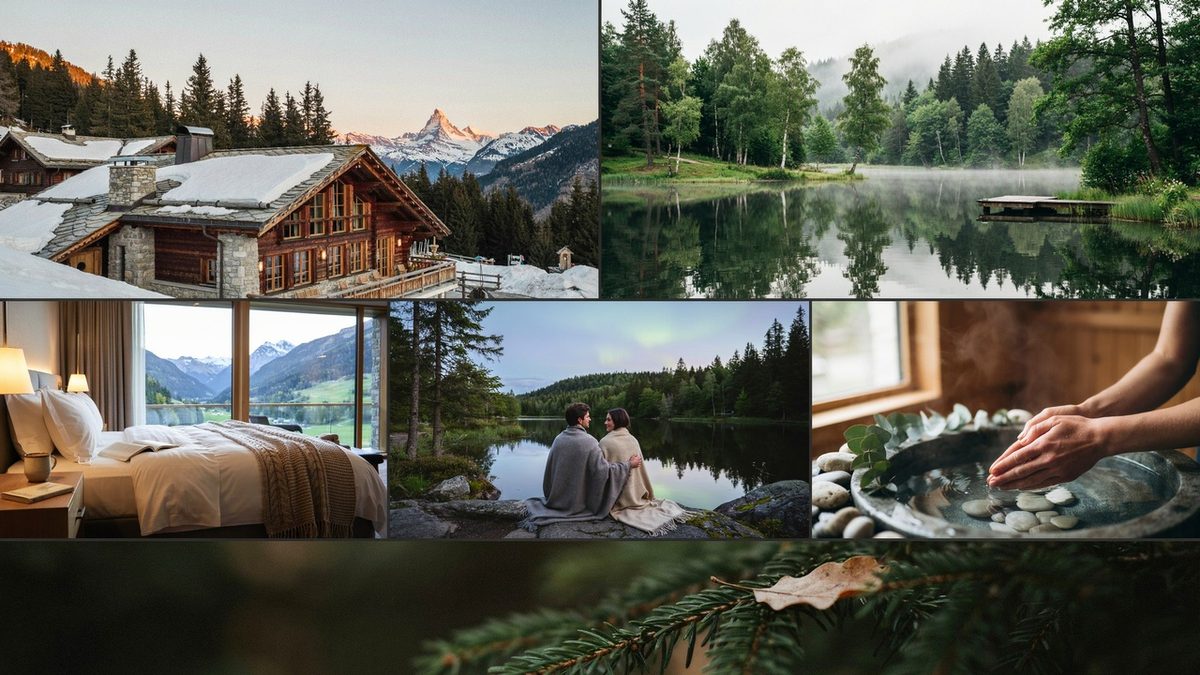
Image generated with Ai
European travel is entering a new phase as more visitors move away from traditional sightseeing-focused holidays and seek journeys designed around rest, recovery and better sleep.
Sleep tourism, once considered a niche wellness concept, is becoming one of the fastest-growing segments of the global travel industry. The movement focuses on destinations, hotels and retreats that help travellers improve sleep quality through peaceful environments, wellness programmes, specialised treatments and carefully designed accommodation experiences.
Across Europe, cities and regions known for tranquillity, nature, clean air and wellness traditions are gaining attention from travellers searching for deeper relaxation. From alpine retreats in Switzerland to peaceful Nordic landscapes and historic European wellness towns, destinations are adapting to a new demand: holidays that leave visitors feeling refreshed rather than exhausted.
The rise of sleep-focused travel reflects changing consumer priorities. Modern travellers are increasingly valuing wellbeing, mental recovery and healthier lifestyles, making sleep an important part of the overall holiday experience.
Advertisement
Advertisement
The growth of sleep tourism is linked to a major shift in how people define a successful holiday.
For decades, travel was often associated with packed itineraries, multiple attractions and constant movement. However, increasing work pressure, digital overload and stressful lifestyles have encouraged travellers to prioritise recovery.
Sleep tourism changes the purpose of travel. Instead of returning home tired after a holiday, visitors are choosing destinations where rest itself becomes the main experience.
| Driving Factor | Impact on Travel Behaviour |
|---|---|
| Stressful lifestyles | Travellers seek relaxation-focused breaks |
| Digital fatigue | Visitors want quieter environments |
| Wellness awareness | Sleep becomes part of health and wellbeing |
| Luxury hospitality growth | Hotels develop sleep-enhancing experiences |
| Nature-based travel demand | Peaceful landscapes attract wellness travellers |
Market research indicates strong expansion in the sleep tourism sector, with estimates showing continued growth as wellness-focused travel becomes more mainstream.
Europe has a natural advantage in sleep tourism because many destinations already combine wellness traditions, historic surroundings and peaceful landscapes.
Unlike conventional tourism hubs focused mainly on entertainment and nightlife, sleep tourism destinations attract visitors through calm environments, slower rhythms and restorative experiences.
| Feature | Tourism Benefit |
|---|---|
| Mountain landscapes | Cleaner air and peaceful surroundings |
| Thermal traditions | Relaxation and wellness experiences |
| Historic towns | Calm cultural environments |
| Nature access | Outdoor activities supporting better rest |
| Luxury hospitality | Specialised sleep services |
European destinations are increasingly blending traditional wellness practices with modern hospitality technology to create personalised rest experiences.
Several European destinations are emerging as important centres for sleep-focused travel because of their natural surroundings and wellness heritage.
| Destination | Country | Sleep Tourism Appeal |
|---|---|---|
| Switzerland | Switzerland | Alpine landscapes, luxury wellness resorts and quiet mountain environments |
| Sweden | Sweden | Nordic calm, nature retreats and long peaceful nights |
| Tuscany | Italy | Countryside stays, slow travel and wellness escapes |
| Mallorca | Spain | Coastal relaxation and luxury retreats |
| Bath | United Kingdom | Historic thermal heritage and wellness experiences |
| Bavaria | Germany | Forest landscapes and restorative countryside tourism |
These destinations represent a broader movement towards slower, healthier and more meaningful travel experiences.
Switzerland has long been associated with wellness, nature and luxury hospitality, making it one of Europe’s strongest sleep tourism markets.
The country’s mountain landscapes, fresh alpine air and peaceful surroundings create ideal conditions for travellers seeking rest.
Swiss wellness resorts increasingly combine traditional relaxation methods with modern sleep programmes, including personalised consultations, relaxation therapies and nature-based experiences.
| Experience | Visitor Benefit |
|---|---|
| Alpine retreats | Peaceful surroundings away from urban stress |
| Thermal spas | Physical relaxation |
| Mountain activities | Natural movement and wellbeing |
| Luxury accommodation | Premium comfort and personalised services |
Switzerland’s reputation as a wellness destination strengthens its position among travellers searching for restorative escapes.
Northern Europe is gaining attention in sleep tourism because of its connection with nature, silence and slower lifestyles.
Sweden and other Nordic destinations promote environments where visitors can disconnect from busy routines.
Long summer evenings, peaceful forests, lakes and countryside retreats create conditions that appeal to travellers seeking mental recovery.
| Experience | Destination Appeal |
|---|---|
| Forest retreats | Natural relaxation |
| Lakeside cabins | Privacy and tranquillity |
| Wellness rituals | Stress reduction |
| Outdoor activities | Connection with nature |
The Nordic approach highlights a key idea behind sleep tourism: the destination itself can become part of the healing experience.
The hospitality industry is adapting rapidly as travellers demand better sleep experiences.
Hotels are moving beyond traditional comfort features and introducing specialised solutions designed around rest.
Modern sleep-focused hotels may offer advanced bedding, quiet environments, wellness consultations, relaxation programmes and technology designed to improve sleep quality.
| Innovation | Purpose |
|---|---|
| Premium mattresses | Improve comfort |
| Sound-controlled rooms | Reduce disturbance |
| Sleep consultations | Personalised wellness support |
| Relaxation programmes | Encourage deeper rest |
| Smart technology | Monitor and improve sleep patterns |
Luxury hotels and wellness resorts are among the strongest adopters of sleep-focused services.
The popularity of sleep tourism reflects a broader transformation in travel priorities.
Many travellers no longer measure a successful holiday by the number of attractions visited. Instead, they value how they feel after returning home.
A sleep-focused holiday offers the opportunity to slow down, disconnect and rebuild energy.
| Traditional Holiday Model | Sleep Tourism Model |
|---|---|
| Packed schedules | Relaxed itineraries |
| Maximum sightseeing | Maximum recovery |
| Entertainment-focused | Wellness-focused |
| Short-term excitement | Long-term wellbeing |
This change represents a significant opportunity for destinations looking to attract high-value travellers seeking meaningful experiences.
Sleep tourism is becoming an important part of Europe’s wider wellness economy.
Destinations that previously depended on seasonal tourism are discovering new opportunities by offering year-round wellness experiences.
Sleep-focused travel also supports sustainable tourism because it often encourages longer stays, nature-based experiences and slower exploration.
| Benefit | Tourism Impact |
|---|---|
| Longer visitor stays | Increased local spending |
| Year-round demand | Reduced seasonal pressure |
| Rural tourism growth | Supports smaller communities |
| Wellness reputation | Attracts premium travellers |
As tourism continues evolving, sleep experiences are likely to become a standard feature of future travel planning.
Sleep tourism is a type of wellness travel where visitors choose destinations, hotels or retreats specifically designed to improve rest and sleep quality.
Growing stress, busy lifestyles and increased awareness of wellbeing are encouraging travellers to prioritise recovery during holidays.
Switzerland, Sweden, Italy, Spain, Germany and the United Kingdom are among the European destinations offering strong wellness and relaxation experiences.
No. While luxury resorts are major providers, sleep-focused experiences are also available through countryside retreats, wellness centres and boutique accommodations.
Sleep tourism may include meditation, spa treatments, nature activities, relaxation programmes, wellness consultations and specialised accommodation features.
No. Instead, it is becoming another travel category, offering visitors an alternative focused on wellbeing and restoration.
Europe’s sleep tourism movement represents a major change in how people experience travel. The focus is shifting from seeing more places to feeling better after visiting them.
With peaceful landscapes, historic wellness traditions and innovative hospitality offerings, European destinations are perfectly positioned to lead this emerging travel trend.
As travellers increasingly search for balance, relaxation and meaningful experiences, sleep tourism could become one of the defining movements shaping the future of global wellness travel.
Advertisement
Tags: European wellness destinations, luxury sleep retreats, restorative holidays, Sleep tourism Europe, wellness travel 2026
Advertisement
Advertisement











Thursday, September 3, 2026
Thursday, September 3, 2026

Thursday, September 3, 2026
Thursday, September 3, 2026

Wednesday, September 2, 2026

Wednesday, September 2, 2026
Thursday, September 3, 2026

Thursday, September 3, 2026



