
How Can Florianópolis And Salvador Lead The Incredible Tourism Boom Transforming Every Travel Escape Across Beautiful Brazil?

Published
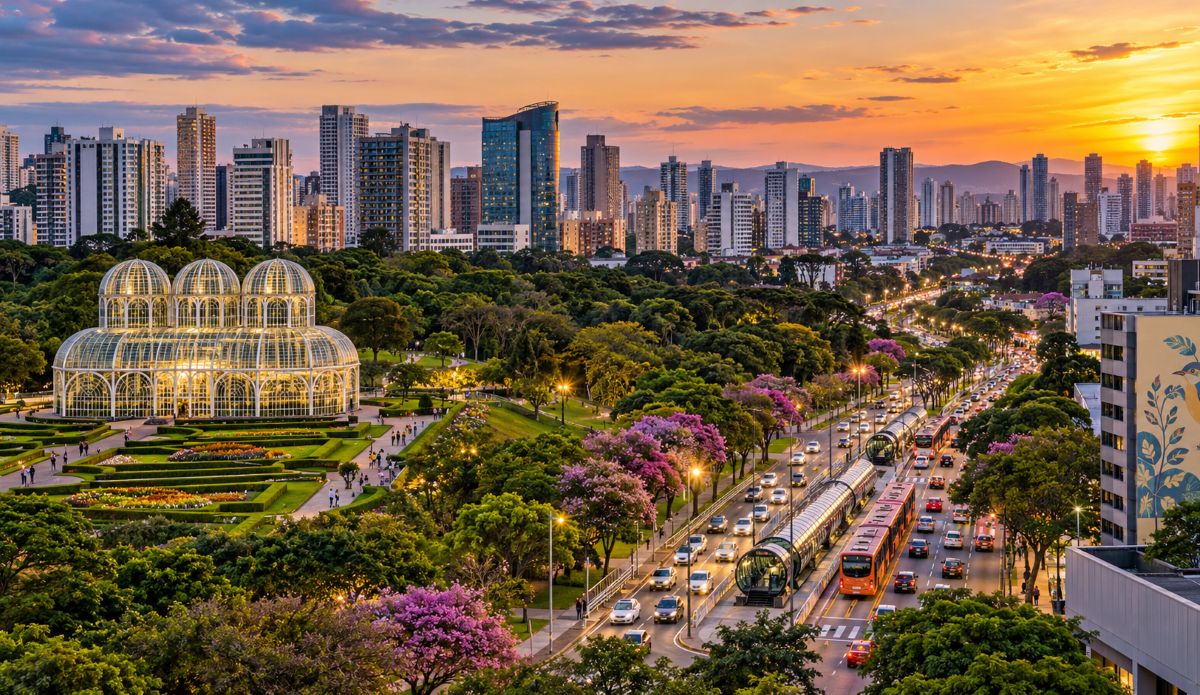
Image generated with Ai
Like Brazil, the cities of Brazil are never too simple or too boring. No postcard spot vistas are a few of the things the cities offer. Brazil’s cities have sunny streets, postcard-perfect views, the powerful falls of Iguaçu, the peace of Curitiba’s greenhouse, and the ancient drum base of Salvador. Brazil is unique because of its South American pulse of doing something different and making something greater. From the shores of Florianópolis to the sunny Recife, Brazil will change how it does things, and for the first time, each city will have its own pulse as Brazil reveals its new city secret. It is a secret that captivates the dreams of wanderers, dreamers, and remote workers. Brazil is helping all dreamers leave their dull everyday lives and come live their dreams in this South American paradise. Brazil’s South American pulse welcomes you on your journey to Brazil.
Why Is Foz do Iguaçu the Ultimate Destination for Eco-Adventurers?
Advertisement
Advertisement
Foz do Iguaçu stands as the definitive natural sanctuary in southern Brazil, where conservation meets world-class adventure travel. Nestled within Paraná state, this city provides immediate access to the roaring Iguaçu Falls, an ecological wonder that defines the Triple Frontier with Argentina and Paraguay. The sheer volume of water cascading over hundreds of drops creates a misty microclimate that nurtures surrounding rainforest ecosystems. Beyond magnificent views, the region represents a model for cross-border conservation efforts and sustainable tourism management.
Modern infrastructure expansion at Cataratas International Airport allows global visitors to reach the subtropical rainforest safely and quickly. Boat safaris under cascading waters and guided jungle treks directly support anti-poaching patrols and community biodiversity initiatives. These operations fund ongoing research into native fauna while generating equitable employment for local communities. The seamless integration of high-volume international tourism with rigorous environmental safeguards ensures that Foz do Iguaçu remains a benchmark for eco-tourism development across Latin America.
Advertisement
Advertisement
How Does Florianópolis Balance Premier Beaches with the Global Digital Nomad Surge?
Florianópolis has transformed from a seasonal coastal escape into South America’s premier international hub for high-tech remote professionals. Known as the “Magic Island” of Santa Catarina, it blends over 40 distinct beaches with world-class fiber optic infrastructure. The island offers an exceptional lifestyle balance, featuring vibrant urban centers alongside pristine protected nature reserves. Remote workers from around the globe are drawn to its safe environment, thriving culinary scene, and active outdoor lifestyle.
Advertisement
Advertisement
The national digital nomad visa program allows international workers to enjoy luxury surf breaks in Praia Mole alongside tax incentives. Year-round remote residents keep local tech parks, cafes, and eco-lodges thriving well past the traditional summer tourist months. This constant presence drives continuous investment in municipal technology hubs and sustainable housing projects. By catering to long-term digital residents, Florianópolis successfully avoids the seasonal economic downturns that often affect purely tourism-dependent coastal regions.
Why Does Salvador Remain the Unrivalled Beat of Afro-Brazilian Heritage?
Advertisement
Advertisement
Salvador acts as the pulsating cultural heartbeat of Bahia state, preserving centuries of vibrant African traditions, music, and cuisine. The cobblestone avenues of the historic Pelourinho district showcase colorful colonial architecture alongside rhythmic capoeira performances. Visitors are immersed in a living heritage where traditional candomblé practices, street drumming, and culinary artistry thrive in everyday municipal life. The city’s unique historical landscape offers travelers an authentic glimpse into the foundational African roots of Brazilian national identity.
International arrivals for the iconic Carnival generate crucial revenue that flows directly into community projects and artistic heritage schools. Afro-tourism initiatives empower local musicians, culinary artisans, and historical preservation funds across the entire metropolitan landscape. By channeling tourism dollars directly into neighborhood cultural centers, the municipal government fosters grassroots economic growth. Consequently, Salvador proves that heritage preservation and modern urban tourism can work hand in hand to uplift local communities.
How Does Porto Alegre Connect Urban Elegance with Southern Wine Country?
Porto Alegre functions as the sophisticated capital of Rio Grande do Sul, sitting along the scenic banks of Guaíba Lake. The cosmopolitan gateway combines grand art museums and historic markets with rapid access to southern Brazil’s vineyard regions. Its rich gaucho heritage, distinct European influences, and lively lakeside parks create a memorable metropolitan experience for international guests. The city serves as both a cultural destination in its own right and a vital logistics center for southern travel routes.
Advertisement
Advertisement
Tourists landing at Salgado Filho International Airport frequently travel inward toward the rolling hills of the Serra Gaúcha wine route. This vital transit corridor supports small family-owned wineries, artisanal culinary shops, and regional transport infrastructure. The surrounding viticultural valleys benefit directly from foreign travel expenditure, strengthening rural economies and preserving traditional agricultural practices. Through this interconnected network, Porto Alegre creates a seamless blend of city culture and countryside tourism.
What Makes Recife the Perfect Fusion of Coastal Modernity and Colonial History?
Recife displays a striking coastal contrast between high-rise urban oceanfronts and centuries of colonial architectural heritage. Pernambuco’s bustling capital offers lively urban beach life along Boa Viagem while showcasing authentic frevo dance styles at Marco Zero Square. Intersected by rivers and bridges, the city earns its reputation as a vibrant Atlantic metropolis with deep maritime roots. Its cultural calendar stays active year-round, drawing visitors who seek both modern urban comfort and traditional artistic expression.
Just a short distance away, the hilltop sanctuary of Olinda provides travelers with baroque churches and winding cobblestone corridors. The income from international heritage tourists funds coastal marine preservation, local craft guilds, and regional hospitality training colleges. These economic returns allow the state of Pernambuco to invest heavily in urban renewal, public safety, and beach conservation projects. As a result, Recife stands out as a balanced destination where historical preservation enhances modern coastal living.
Why Is Fortaleza the Strategic European Gateway to the Northern Coast?
Fortaleza occupies a key position in Ceará state as the closest South American air hub to Europe and West Africa. The lively northern city features famous urban shorelines at Praia do Futuro paired with historical landmarks like the Fortaleza de Nossa Senhora da Assunção. Its expansive coastline, year-round warm ocean waters, and famous regional cuisine make it a major attraction for global sun-seekers. Beyond leisure travel, the city serves as a key economic engine for the entire northeastern territory.
Advertisement
Advertisement
Expanded transatlantic flights into Pinto Martins International Airport make the metropolis an ideal entry point for international arrivals. Steady visitor spending fuels renewable energy installations for coastal resorts and accelerates regional economic development. The influx of capital supports infrastructure expansion, connecting Fortaleza to remote beach destinations further along the northern coast. By developing primary transport hubs, the region converts international transit traffic into long-term community prosperity.
How Does Curitiba Set the Global Benchmark for Sustainable Green Tourism?
Curitiba remains internationally celebrated as Brazil’s “Green Capital,” serving as a model for eco-conscious urban governance and planning. Paraná’s forward-thinking city features the iconic glass greenhouse of the Botanical Garden surrounded by extensive public parklands. Designed with environmental efficiency in mind, the city boasts hundreds of square meters of green space per resident alongside world-renowned urban transit systems. It attracts urban planners, environmentalists, and conscious travelers keen to observe sustainable municipal management.
The metropolis integrates rapid bus transit, zero-waste initiatives, and pedestrianized shopping corridors to cut urban carbon emissions. Sustainable management attracts eco-conscious travelers who wish to experience how modern cities preserve biodiversity while boosting tourism revenues. By showing that environmental responsibility enhances visitor experience and quality of life, Curitiba sets the benchmark for green travel destinations worldwide. The city’s ongoing success demonstrates that thoughtful urban planning forms the ultimate foundation for sustainable tourism growth.
Beyond the Beaches: How Brazil’s Tourism Surge Injection of US$ 167 Billion Is Fueling National Economic Growth and Job Creation?
Brazil’s travel and hospitality sector has evolved into a formidable driver of national fiscal health, contributing approximately US$ 167.6 billion to the country’s gross domestic product. This monumental economic weight accounts for roughly 7.7% to 8% of the nation’s total economic output, underscoring travel as an essential pillar of long-term financial stability. Beyond raw production numbers, foreign expenditure generated US$ 7.9 billion in foreign exchange revenue across a 12-month period, helping balance international payment accounts and strengthening local currency resilience.
Advertisement
Advertisement
The widespread direct and indirect economic capital flowing into the country supports over 8.2 million jobs nationwide across transport, accommodation, gastronomy, and retail. Increased international spending trickles down directly into local neighborhoods, financing regional municipal upgrades and fostering small-business entrepreneurship. As domestic and foreign travel expand, this nationwide injection transforms seasonal visitation into sustained, year-round job creation and regional infrastructure development.
Skyrocketing Connectivity: How Are Airport Expansions at Pinto Martins and Cataratas International Driving Transatlantic Passenger Growth?
Upgraded aviation infrastructure serves as the primary engine powering South America’s expanding international accessibility. Annually, around 3.17 million foreign visitors enter the country directly through air transit networks, bypassing traditional multi-stop routes. Key regional air hubs, such as Pinto Martins Airport in Fortaleza and Cataratas International Airport in Foz do Iguaçu, have undergone extensive terminal modernizations and runway extensions to accommodate larger long-haul aircraft directly from international destinations.
These targeted aviation investments have sparked a 37% year-on-year surge in foreign flight arrivals following the launch of direct transatlantic frequencies. Primary gateways continue to manage heavy visitor flows, with São Paulo capturing 1.25 million international arrivals and Rio de Janeiro welcoming 1.21 million. Meanwhile, regional gateways in Rio Grande do Sul (850,000 arrivals) and Santa Catarina (518,000 arrivals) distribute incoming travelers smoothly into southern cultural and coastal corridors.
Green Capital Meets Wild Frontiers: What Is Fueling the US$ 5.2 Billion Surge in Brazil’s Ecotourism and National Park Investments?
Valued at US$ 5.29 Billion, the national ecotourism market is experiencing exponential momentum, with financial projections indicating it could reach US$ 13.42 Billion by 2034 at a compound annual growth rate of 10.56%. International travelers increasingly prioritize low-impact, nature-centric journeys, channeling capital into protected ecological zones like Iguaçu National Park and urban green pioneers like Curitiba. This commercial growth turns biodiversity protection into a lucrative, self-sustaining economic model.
Advertisement
Advertisement
Digital innovation and green infrastructure play essential roles in making wilderness areas accessible to modern eco-tourists. With over 183 million internet users and an 86.2% national penetration rate, visitors utilize mobile GPS tracking, carbon-offset mobile apps, and paperless park ticketing systems. Simultaneously, an expanding network of over 12,000 electric vehicle (EV) charging stations allows eco-conscious road-trippers to navigate rural parkways with zero tailpipe emissions.
The Remote Work Revolution: How Are Brazil’s Digital Nomad Visas and High-Speed Hubs Transforming Florianópolis into a Year-Round Tech Haven?
The national Digital Nomad Residence Program has successfully restructured local coastal economies by attracting skilled global professionals for extended stays. The federal initiative has issued over 2,161 initial visa approvals alongside 1,097 formal visa renewals, establishing vibrant international remote-work communities in locations like Florianópolis. Applicants must meet a US$ 1,500 monthly foreign income requirement, ensuring that remote workers contribute steadily to local tax bases and service industries.
This permanent workforce model eliminates the sharp economic slumps traditionally suffered by beach towns during off-peak winter seasons. Long-term international residents rent apartments, patronize local co-working spaces, and spend money at neighborhood establishments throughout the year. As a result, coastal towns transform from seasonal holiday spots into thriving year-round technology and creative centers.
Global Footprints: Which Countries and Age Groups Are Driving Brazil’s Record-Breaking Foreign Tourist Arrivals?
Regional neighbors and long-haul visitors together form a diverse foreign visitor base. Argentina remains the single largest international origin market, sending 3.38 million tourists across border crossings and short-haul flights to represent 29% to 36% of all foreign entries. The United States stands as the leading long-haul overseas market with 759,637 annual arrivals, followed closely by growing cohorts from France, Portugal, and Germany.
Advertisement
Advertisement
Democratically, young adventure seekers are reshaping the profile of modern inbound travel. Travelers under 30 years old now command a 32% market share of overall foreign arrivals, driven by preferences for experiential journeys, immersive cultural events, and outdoor exploration. This younger demographic stays longer, relies on digital travel tools, and frequents secondary regional destinations outside major metropolitan cities.
Rhythms and Revenue: How Afro-Tourism and Historic Preservation in Salvador and Recife Empower Local Communities?
Leisure and cultural heritage tourism command a dominant 55% share of overall traveler preferences, highlighting a strong global demand for authentic cultural experiences. Heritage travel hubs like the historic Pelourinho district in Salvador and the colonial streets of Olinda near Recife draw visitors into immersive historical experiences. These destinations turn living history, Afro-Brazilian music, and traditional architecture into engines for local economic survival.
Mega-events like the annual street carnivals in Salvador and Recife generate hundreds of millions of Reais, providing direct revenue for local street vendors, performers, and family-owned guesthouses. Furthermore, tourist levies collected at UNESCO World Heritage sites fund local historic preservation projects and community art schools. This system ensures that tourism revenue directly preserves Afro-Brazilian cultural heritage while supporting local micro-entrepreneurs.
From Lake Guaíba to Wine Valleys: How Is Porto Alegre Channeling Culinary Tourism into Southern Brazil’s Rural Wineries?
Porto Alegre serves as an essential cultural transit hub, registering over 1.5 million annual visitor movements across its waterfront districts and onward regional routes. Situated on Guaíba Lake, the city offers urban museums and historic markets before funneling travelers inward toward the vineyards of the Serra Gaúcha region. This transit corridor connects urban hospitality with rural agricultural zones across Rio Grande do Sul.
Advertisement
Advertisement
An emerging 58% solo travel trend has fueled demand for independent gastronomic itineraries, artisanal food tours, and boutique winemaking experiences. Urban travel spending flows directly into rural agricultural communities, supporting small family wineries, boutique hotels, and regional transport services. This connection spreads tourism dollars beyond major cities and into rural agricultural districts.
Engineering Green Cities: How Curitiba’s Eco-Transit and Zero-Waste Infrastructure Created the Benchmark for Modern Sustainable Travel?
Curitiba remains an international authority on sustainable urban design, operating a municipal recycling program that achieves an extraordinary 85%+ waste diversion rate. The city’s famous Bus Rapid Transit (BRT) network utilizes high-capacity dedicated lanes, carrying millions of passengers daily and significantly lowering urban carbon emissions. These systems prove that high-density urban areas can accommodate growing tourist numbers without increasing environmental pollution.
Curitiba provides over 50 square meters of green space per inhabitant, vastly exceeding the World Health Organization’s recommended minimum standards. Expansive municipal parks and the glass greenhouse at the Botanical Garden offer eco-conscious travelers clean, safe public spaces integrated into a modern city. Curitiba provides a practical model for how urban centers can balance rapid tourism growth with environmental preservation.
Healing in Paradise: How Are World-Class Medical Facilities and Tropical Wellness Retreats Driving Brazil’s Multi-Billion Dollar Health Tourism Boom?
Brazil’s medical and wellness travel sector has transformed into a robust economic engine, now boasting an estimated market valuation of US$ 2.4 billion. Global travelers are increasingly bypassing traditional healthcare destinations to combine advanced medical treatments with restorative recoveries in tropical environments. By integrating high-end cosmetic surgeries, dental care, and specialized holistic therapies within serene resort settings, the nation has positioned itself as an elite global sanctuary for health-conscious tourists.
Advertisement
Advertisement
The influx of over 180,000 international patients annually underscores the growing global confidence in Brazil’s private healthcare infrastructure. A major catalyst driving this patient migration is a substantial 35% cost advantage for top-tier private medical procedures compared to prevailing rates in North America and Europe. International visitors benefit from internationally accredited surgical centers, highly acclaimed medical specialists, and personalized post-operative care packages that make premier global healthcare significantly more accessible.
The Luxury Evolution: Why Are International Hotel Brands and Eco-Lodge Developers Investing Billions in Brazil’s Pristine Coastal Corridors?
International investment in high-end, sustainable accommodation has reached unprecedented heights across Brazil’s coastal and wilderness zones. Global developers have committed more than US$ 1.8 billion in foreign direct investment toward luxury hospitality projects, low-density eco-resorts, and boutique wilderness retreats. Capital is flowing directly into pristine coastal corridors where eco-conscious design meets upscale comfort, protecting delicate ecosystems while creating exclusive sanctuaries for affluent global travelers.
This influx of foreign capital has driven a dramatic 42% increase in boutique stays designed around strict environmental sustainability mandates. High-end eco-lodges operating under zero-single-use-plastic frameworks and powered entirely by 100% renewable energy are setting new benchmarks for luxury travel. In top-tier coastal hubs like Florianópolis and the pristine beaches of Ceará, premium accommodations consistently achieve an Average Daily Rate of US$ 450, proving that high-end ecological responsibility generates strong economic returns.
Riding the Waves: How Sports Tourism and World-Class Adventure Events Are Generating Millions for Brazil’s Coastal Communities?
Sports tourism, outdoor endurance challenges, and international marine competitions have evolved into vital economic contributors for Brazil’s coastal and mountainous regions. The sports travel market generates an impressive US$ 980 million in annual economic turnover, fueled by major surfing stops, endurance marathons, and wind-powered watersports festivals. Diverse natural landscapes provide ideal conditions for competitive sports, converting coastal fishing towns into bustling international athletic hubs.
Advertisement
Advertisement
More than 1.2 million foreign and domestic sports enthusiasts travel annually to attend high-profile athletic events and outdoor adventure festivals across the country. Brazil’s extensive coastline features over 750 kilometers of prime surfing waves, supporting a vast ecosystem of local surf academies, professional gear rental hubs, and specialized sports hospitality businesses. This sustained athletic activity provides steady, year-round employment and income for coastal communities beyond traditional holiday seasons.
Beyond Vacationing: How Is Brazil’s Expanding MICE Sector Channeling High-Spending Business Travelers into Major Metropolitan Centers?
Brazil’s business travel infrastructure has expanded dramatically, transforming major metropolitan centers into global hubs for the Meetings, Incentives, Conferences, and Exhibitions (MICE) sector. International conventions, corporate trade fairs, and global summits generate US$ 4.1 billion in annual economic revenue, establishing corporate travel as a crucial pillar of urban hospitality. Cities like São Paulo, Rio de Janeiro, and Brasília leverage state-of-the-art convention facilities to capture year-round international business commerce.
Corporate event delegates represent an exceptionally lucrative demographic, recording an average daily spend 2.4 times higher than traditional leisure tourists. With major Brazilian business hubs hosting over 290 international events each year, the MICE industry provides sustained revenue for luxury city hotels, fine dining establishments, and urban transport networks. This steady corporate presence ensures high occupancy rates and consistent economic activity across metropolitan centers independent of seasonal tourism fluctuations.
The Final Verdict
By the end, you’ll see Brazil is not another item to check off on your list. It’s the shine of the sun on Salvador’s cobblestones and the mist from Iguaçu on your skin. Brazil also has serenity in the morning strolls of Curitiba’s parks. The Brazilian landscape is not the only thing that is diverse; the Brazilian soul has even more. You learn a lot of things in Brazil: how Brazil is so much more than a visit to you, it welcomes you fully. It changes you, and it doesn’t take back it’s part of your heart. It is the place with your favorite peace and joy. Long after you unpack your suitcases and buy your expensive tickets, the sweet feeling of peace will stay in your heart, and call you to come home to Brazil.
Advertisement
Advertisement
Frequently Asked Questions
Which city serves as the primary environmental model in Brazil?
Curitiba is recognized as the green capital due to its sustainable transit, zero-waste policies, and extensive urban parklands.
How many international tourists visited Brazil in 2025?
Official Embratur records confirm that Brazil welcomed a historic high of 9.28 million international tourists in 2025.
What makes Florianópolis popular with international remote workers?
Advertisement
Advertisement
Florianópolis offers over 40 beaches, reliable high-speed internet, and dedicated digital nomad visa incentives.
Where is the best destination for Afro-Brazilian culture and heritage?
Salvador, Bahia, is the undeniable center for Afro-Brazilian music, capoeira, historic architecture, and traditional culinary arts.
How do travelers access the Iguaçu Falls in Brazil?
Travelers fly into Cataratas International Airport in Foz do Iguaçu, Paraná, for direct access to Iguaçu National Park.
Advertisement
