
Moldova Has Unique Museums to Preserve Stories of Ancient Settlements in Butuceni and Many Other Cities

Updated
Published
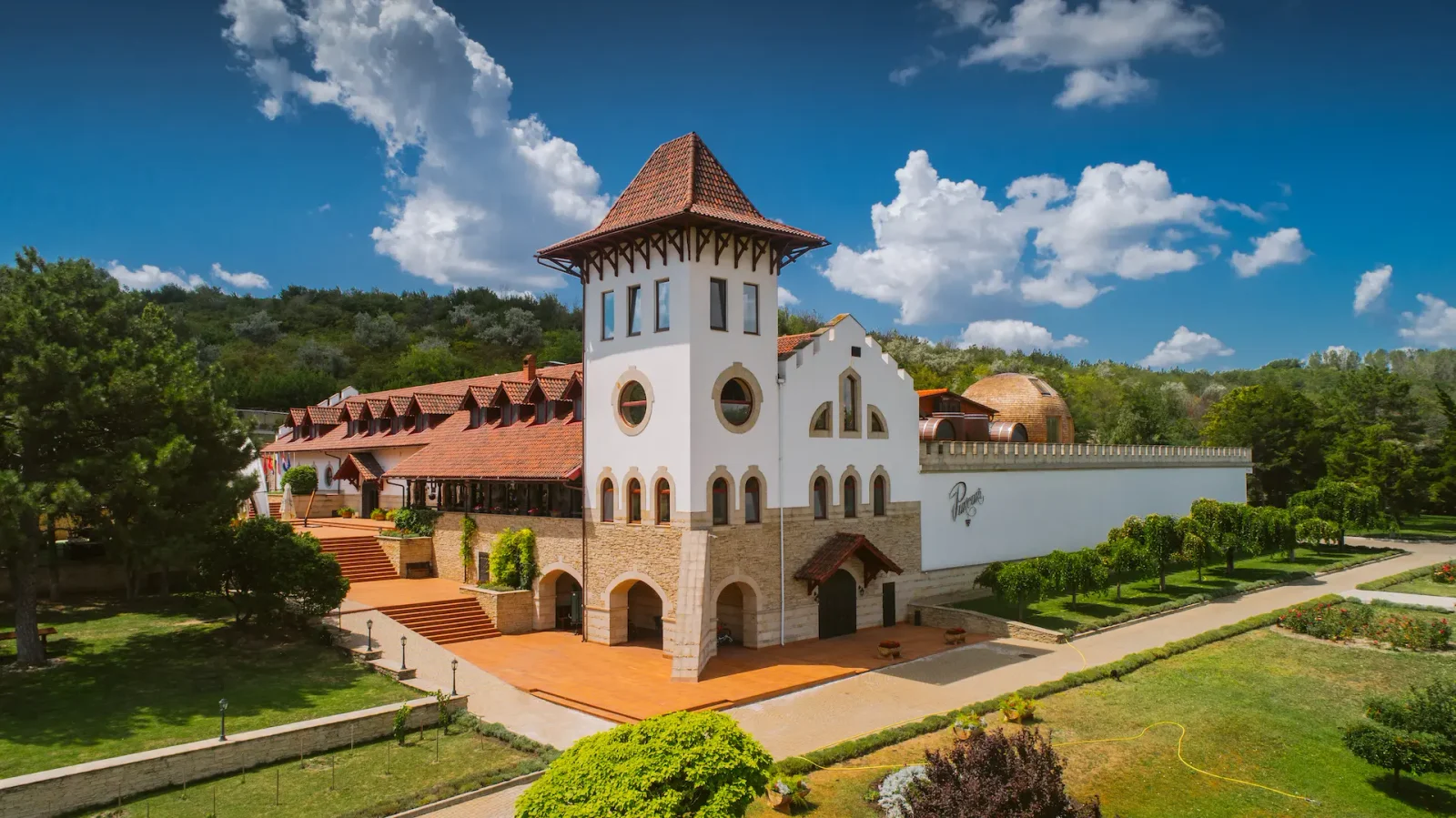
Across Moldova, traditional villages are opening a remarkable window into history through museums, wine collections, craft centres and cultural landmarks. These destinations preserve ancient stories, rural traditions and diverse identities while creating new tourism opportunities. From Old Orhei’s archaeological landscapes to Moldova’s famous wine villages, visitors are discovering a country where history remains alive. The growing interest highlights how rural heritage is becoming a major force in Moldova’s tourism development.
Historic Moldovan Villages With Must-Visit Museums for International Travellers
| Village | Region / District | Historic Museum or Heritage Centre | Historical Importance | Main Exhibits & Experiences | Why International Visitors Should Visit |
|---|---|---|---|---|---|
| Butuceni | Orhei District | Old Orhei Ethnographic Museum and Village Heritage Area | One of Moldova’s most important cultural landscapes, located near the Old Orhei archaeological complex with settlements dating back centuries | Traditional Moldovan household displays, folk architecture, rural lifestyle demonstrations, crafts and local traditions | Combines museum experiences with landscapes, cave monasteries, archaeology and authentic village tourism |
| Ivancea | Orhei District | Ivancea Museum Complex (Manuc Bey Estate) | Historic estate connected with the 19th-century heritage of the region | Manor architecture, historical collections, decorative arts, traditional interiors and cultural exhibitions | Offers visitors insight into Moldova’s aristocratic past and rural estate culture |
| Țaul | Dondușeni District | Țaul Park Heritage Area and Manor Museum Elements | Known for one of Moldova’s largest historic landscape parks created around the early 20th century | Manor heritage, botanical landscapes, historical architecture and local cultural elements | Provides a combination of history, nature tourism and heritage exploration |
| Mileștii Mici | Ialoveni District | Wine Heritage Museums and Underground Cellar Experience | Famous for one of the world’s largest underground wine collections and Moldova’s historic wine-making tradition | Wine collections, traditional production tools, cellar tours, wine history exhibitions | Ideal for cultural travellers interested in Moldova’s national wine identity |
| Cricova | Ialoveni District | Cricova Underground Wine Museum | A historic wine destination developed from former limestone tunnels transformed into wine cellars | Wine archives, historic bottles, underground galleries, wine-making exhibits | A globally recognised cultural tourism attraction combining history, gastronomy and wine heritage |
| Curchi | Orhei District | Curchi Monastery Museum Collections | One of Moldova’s most significant Orthodox religious heritage sites, with centuries of spiritual history | Religious artefacts, manuscripts, icons, monastery architecture and historical collections | Provides insight into Moldova’s Orthodox traditions and religious heritage |
| Saharna | Rezina District | Saharna Monastery Heritage Collections | Ancient religious settlement surrounded by archaeological and natural landscapes | Religious artefacts, monastery history, cultural displays and traditional architecture | Combines spiritual tourism, nature tourism and historical exploration |
| Văleni | Cahul District | Văleni Cultural Heritage Centres | Village known for preserving Lower Prut traditions and local identity | Folk costumes, crafts, traditional cuisine, customs and rural heritage exhibitions | Strong destination for travellers seeking authentic Moldovan village culture |
| Horești | Ialoveni District | Local Ethnographic Collections | Represents traditional rural life in central Moldova | Household objects, agricultural tools, folk traditions and village history | Allows visitors to experience everyday Moldovan heritage beyond major cities |
| Clisova Nouă | Orhei District | Traditional Carpet and Craft Museum Experiences | Important centre for Moldovan textile traditions | Handwoven carpets, traditional patterns, weaving demonstrations and crafts | Offers cultural immersion through UNESCO-recognised style craftsmanship traditions |
| Lalova | Rezina District | Ethnographic Heritage Attractions Near Old Orhei Landscape | Historic village connected with the cultural landscape of the Răut River valley | Traditional homes, rural customs, local crafts and nearby archaeological attractions | Popular among visitors combining village tourism with hiking and heritage exploration |
| Trebujeni | Orhei District | Traditional Village Heritage Sites Near Old Orhei | One of Moldova’s best-known heritage villages | Rural houses, traditional food experiences, crafts and access to archaeological sites | A complete cultural itinerary combining museums, history and local hospitality |
| Găgăuzia Villages (Congaz, Beșghioz) | Autonomous Territorial Unit of Gagauzia | Gagauz Ethnographic Museums and Cultural Centres | Preserves the heritage of the Gagauz Turkic-speaking community | Traditional clothing, household objects, music traditions, farming heritage and customs | Gives international visitors access to Moldova’s multicultural identity |
| Taraclia Villages | Taraclia District | Bulgarian Ethnographic Heritage Museums | Centre of Moldova’s Bulgarian minority heritage | Bulgarian costumes, traditional tools, household items and community history | Highlights Moldova’s ethnic diversity and multicultural traditions |
Why are Moldovan villages becoming important destinations for heritage tourism?
Moldovan villages are gaining attention among international travellers because they provide direct access to the country’s cultural roots. Unlike traditional city museums that mainly display objects behind glass, many rural museums are connected with living communities where customs, crafts, cuisine and traditions continue today.
Advertisement
Advertisement
Villages such as Butuceni, Trebujeni and Văleni demonstrate how Moldova’s rural identity has become a valuable tourism asset. Visitors can explore traditional homes, historic tools, folk costumes and local crafts while interacting with communities that maintain generations-old practices.
The growing popularity of village tourism reflects a wider international trend toward authentic travel experiences. Many travellers now seek destinations where they can understand local history rather than simply observe famous landmarks. Moldova’s villages respond to this demand by offering immersive experiences combining museums, nature, gastronomy and cultural activities.
Advertisement
Advertisement
The country’s rural heritage also strengthens regional tourism development. Smaller communities benefit from guesthouses, local food businesses, craft workshops and guided tours. These activities create new opportunities for villages while helping preserve historical traditions.
With their combination of heritage, landscapes and hospitality, Moldovan villages are becoming important stops for travellers exploring Eastern Europe’s lesser-known cultural destinations.
Advertisement
Advertisement
What makes Butuceni and Trebujeni major museum villages in Moldova?
Butuceni and Trebujeni, located near the famous Old Orhei cultural landscape, represent some of Moldova’s most significant heritage destinations. These villages attract visitors because they combine archaeological importance with traditional rural culture.
The Old Orhei area preserves evidence of settlements from different historical periods, including ancient communities that developed around the Răut River valley. The surrounding villages maintain traditional architecture and offer visitors opportunities to experience Moldova’s rural lifestyle.
Advertisement
Advertisement
Museums and heritage centres in the area showcase household objects, agricultural equipment, traditional clothing and handmade crafts. Visitors can discover how Moldovan families lived, worked and celebrated important events throughout history.
The landscape itself adds another dimension to the experience. Limestone cliffs, historic caves, monasteries and archaeological remains create a destination where natural beauty and cultural heritage exist together.
Local communities have developed tourism experiences including traditional meals, village walks and craft demonstrations. These activities allow international visitors to understand Moldova beyond conventional sightseeing.
For cultural travellers, Butuceni and Trebujeni represent a complete heritage journey combining history, archaeology and authentic village traditions.
Advertisement
Advertisement
How do Cricova and Mileștii Mici preserve Moldova’s famous wine heritage?
Moldova’s wine villages offer a different type of museum experience by preserving centuries of winemaking history. Cricova and Mileștii Mici have become internationally recognised destinations where underground cellars function as living museums of wine culture.
Mileștii Mici is famous for its enormous underground wine collection and extensive limestone tunnels. Visitors travel through underground galleries where wine storage traditions, historic collections and production methods are presented as part of Moldova’s national identity.
Cricova provides another important wine heritage experience. Its underground complex combines wine production, historical collections and cultural exhibitions. The tunnels, created from former limestone mining areas, have become one of Moldova’s most distinctive tourism attractions.
Wine has played a central role in Moldova’s economy and cultural traditions for generations. These underground museums explain how vineyards, craftsmanship and local knowledge shaped the country’s reputation as a wine destination.
International visitors often combine wine tours with village experiences, traditional meals and countryside exploration. This creates a tourism model where agriculture, history and culture support each other.
Through Cricova and Mileștii Mici, Moldova demonstrates how a national tradition can become a powerful cultural tourism attraction.
Advertisement
Advertisement
Why are ethnic heritage museums important in Moldova’s villages?
Moldova’s villages are home to diverse communities whose traditions contribute to the country’s multicultural identity. Ethnic heritage museums and cultural centres preserve the stories of communities including the Gagauz and Bulgarian populations.
Villages in Gagauzia, including Congaz and surrounding communities, provide visitors with insight into Gagauz traditions. Museums display traditional clothing, household items, farming equipment, music heritage and customs passed through generations.
Taraclia and nearby villages preserve Bulgarian cultural influences through ethnographic collections. These museums highlight traditional crafts, celebrations, cuisine and community history.
These destinations are important because they show that Moldova’s identity is not based on a single cultural narrative. Instead, the country’s heritage has developed through centuries of interaction between different communities.
For international travellers, these museums offer opportunities to explore cultural diversity within a relatively small geographic area. Visitors can experience different languages, traditions and historical perspectives while travelling through rural Moldova.
Ethnic heritage tourism also supports local communities by encouraging visitors to discover lesser-known destinations. Small museums, cultural events and traditional experiences create new reasons for travellers to explore regions beyond major tourist routes.
Advertisement
Advertisement
How do traditional craft villages preserve Moldova’s artistic heritage?
Traditional crafts remain one of Moldova’s strongest cultural tourism attractions. Villages such as Clisova Nouă are known for preserving textile traditions, especially handmade carpets and weaving techniques.
Craft museums and workshops provide visitors with a closer look at the skills behind Moldova’s traditional artwork. Exhibitions display colourful patterns, handmade textiles and objects that reflect rural creativity and cultural symbolism.
Carpet weaving has long been connected with Moldovan households, where textiles were used for decoration, celebrations and everyday life. Today, artisans continue these traditions while adapting them for modern tourism.
Visitors can often observe craft demonstrations and learn about the techniques used by local artists. These experiences create personal connections between travellers and communities.
Craft tourism also supports economic sustainability in rural areas. Artisans can generate income by selling handmade products while keeping traditional skills alive.
For international visitors, craft villages provide more than souvenirs. They offer a deeper understanding of Moldova’s artistic heritage and the creativity that has shaped rural communities for generations.
Advertisement
Advertisement
How do monastery villages protect Moldova’s religious history?
Religious heritage represents another important element of Moldova’s village tourism landscape. Villages surrounding historic monasteries preserve centuries of spiritual and architectural traditions.
Curchi Monastery and Saharna Monastery are among the most notable religious heritage destinations connected with rural Moldova. These sites attract visitors interested in architecture, history and religious culture.
Museums and collections associated with monasteries preserve icons, religious objects, manuscripts and historical materials. They provide insight into the role monasteries played in education, community life and cultural preservation.
The surrounding landscapes also enhance the visitor experience. Forests, rivers and natural viewpoints create peaceful environments that encourage cultural exploration.
Religious tourism in Moldova attracts both pilgrims and general travellers interested in history. Many visitors combine monastery visits with nearby villages, traditional restaurants and nature experiences.
These destinations demonstrate how religious heritage can contribute to cultural tourism while preserving important historical structures.
Advertisement
Advertisement
What role do village museums play in Moldova’s future tourism growth?
Village museums are becoming an important part of Moldova’s strategy to diversify tourism beyond traditional attractions. They encourage visitors to explore rural regions and discover experiences connected with history, food, nature and local communities.
The development of heritage tourism creates economic opportunities for villages. Accommodation providers, restaurants, guides and artisans benefit when travellers spend more time in rural areas.
Museums also help protect cultural traditions by documenting objects, stories and practices that could otherwise disappear. They provide educational opportunities for younger generations while introducing international visitors to Moldova’s heritage.
As global tourism increasingly focuses on authentic experiences, Moldova’s villages have strong potential to attract travellers seeking meaningful journeys. Rural museums offer a connection between the past and present, allowing visitors to experience traditions that remain part of everyday life.
From archaeological landscapes and wine tunnels to craft workshops and ethnic museums, Moldova’s villages present a diverse cultural tourism portfolio. These destinations show that the country’s greatest historical treasures are often found beyond its cities, inside communities that continue to preserve their unique heritage.
Moldova’s village museums are becoming essential cultural destinations because they protect history while creating meaningful experiences for international visitors. The reason behind their rising popularity is the combination of authentic traditions, historic collections, local hospitality and immersive rural attractions. The answer lies in transforming preserved heritage into sustainable tourism opportunities that benefit communities and travellers alike. From ancient settlements and monasteries to wine tunnels and craft villages, Moldova’s countryside offers unique journeys beyond conventional sightseeing. As global travellers search for deeper cultural connections, these historic villages are positioning Moldova as an emerging destination for heritage, education and unforgettable exploration.
[Image: Moldova Travel]
Advertisement
